


_(14577128817).jpg)
2 min walk
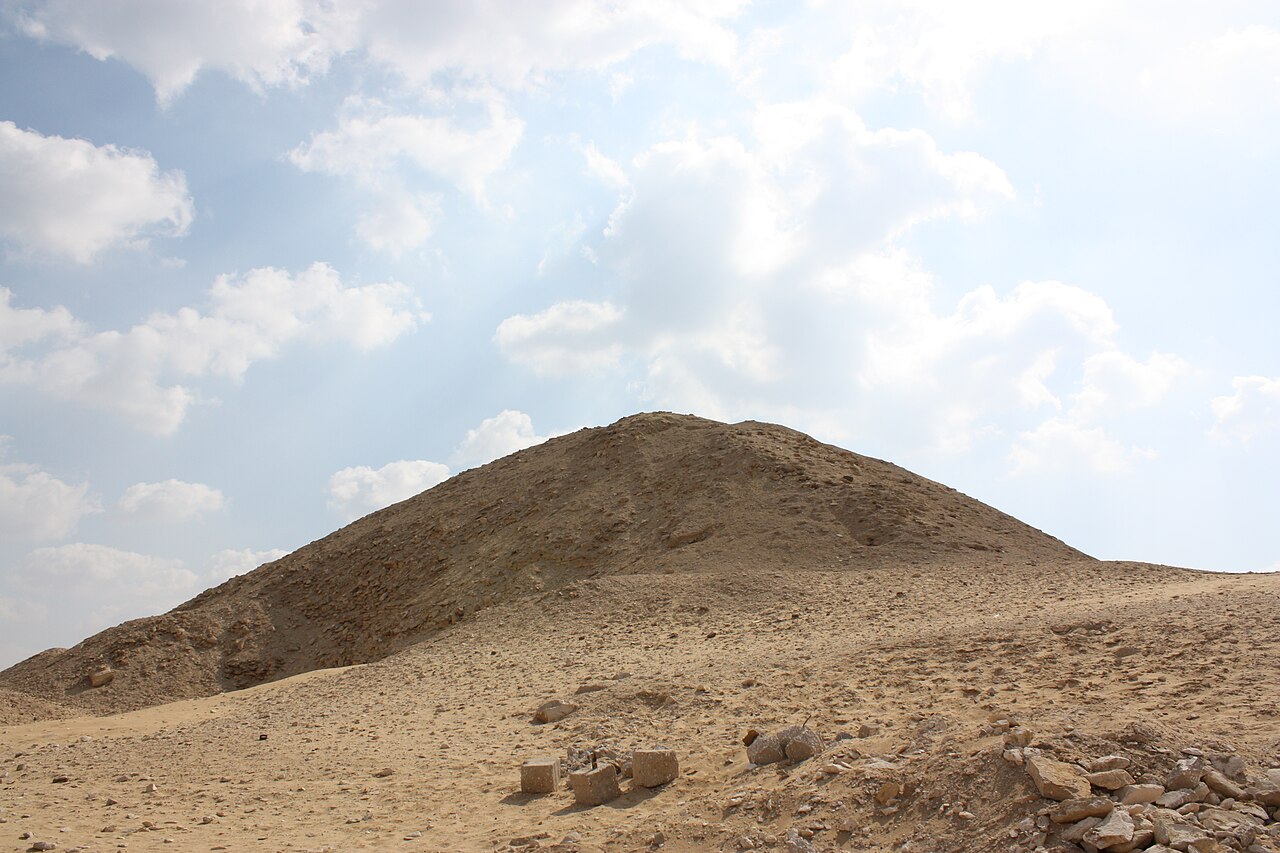
Pyramid of Teti
- Must see
- Historic monument
Language · 11 published
Historic monument · Cairo
مصطبة مريروكا
Reviewed by Elena Voss · Roavina Travel Editor
This place is a Attraction.
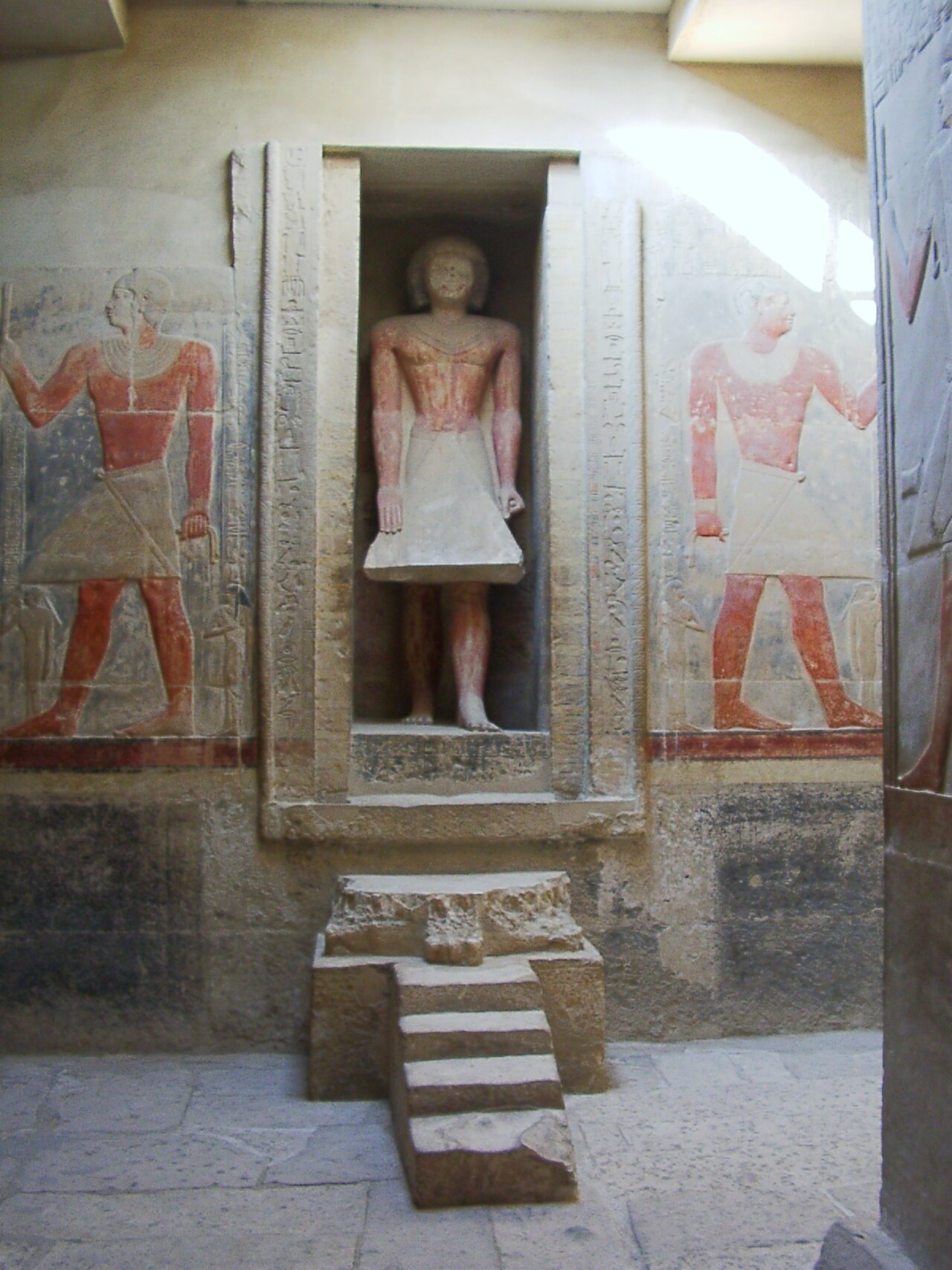
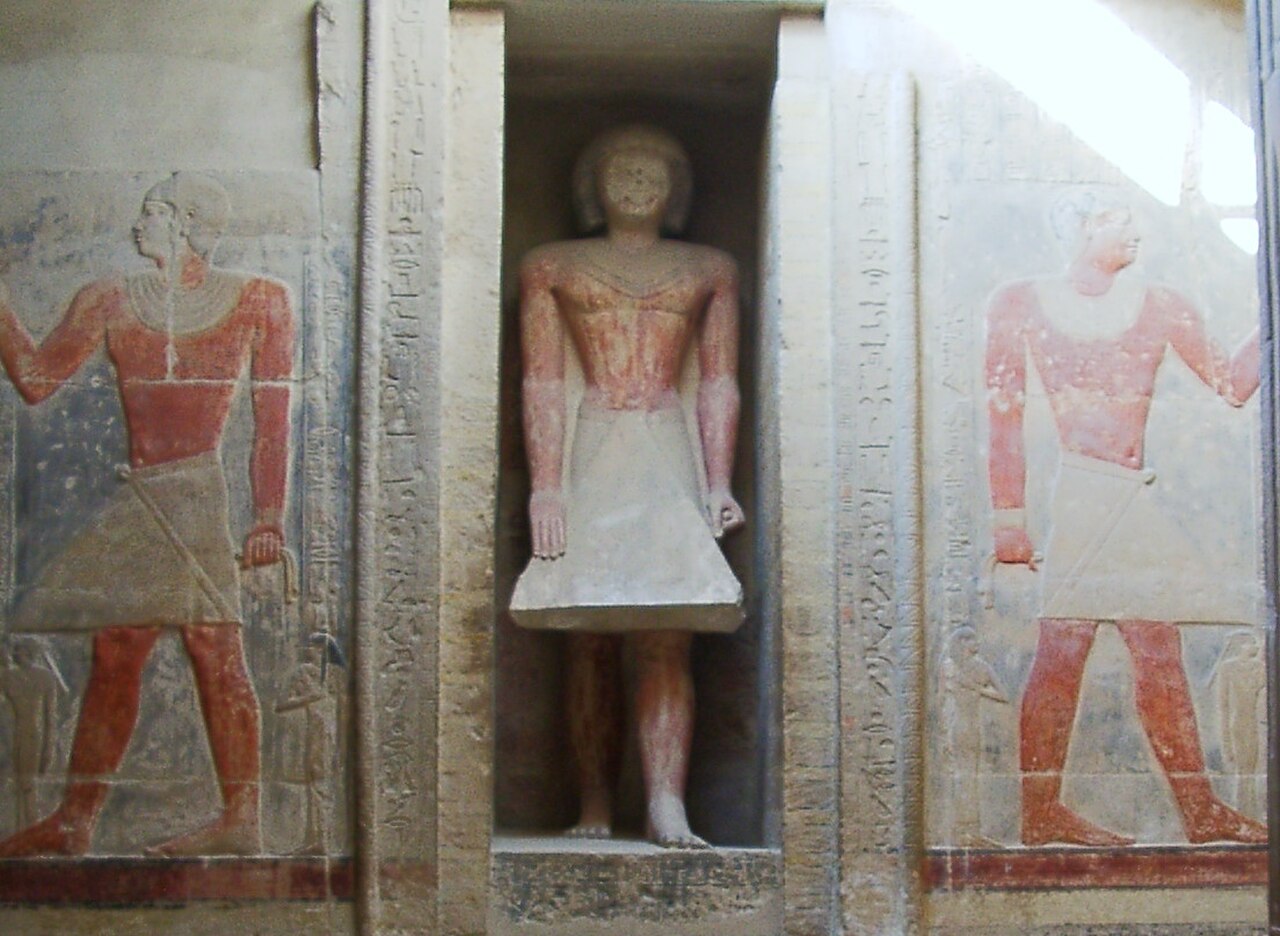
Mastaba of Mereruka is an extensive Old Kingdom tomb at Saqqara, the ancient necropolis south of Cairo. Mereruka served as vizier under Pharaoh Teti of the Sixth Dynasty, and his burial monument reflects the status of a senior official. The mastaba is part of the Saqqara landscape within Memphis and its Necropolis, a UNESCO World Heritage Site. Its appeal lies in the combination of scale, several chambers, and detailed reliefs that turn an elite tomb into a visual record of work, ritual, agriculture, and daily life. Include it when you want more than the headline monuments of ancient Egypt.
Checked 2026-08-26 · Source
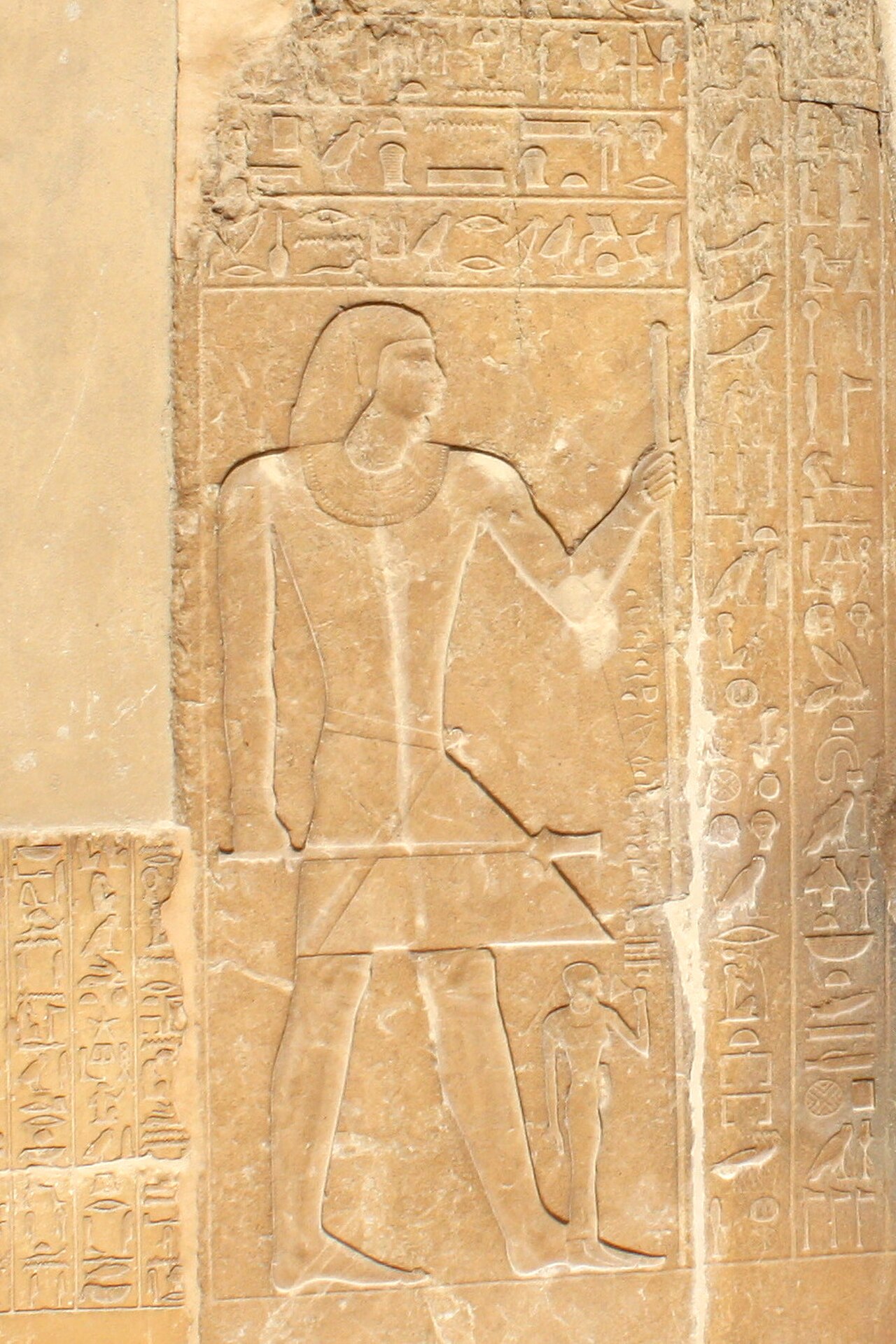
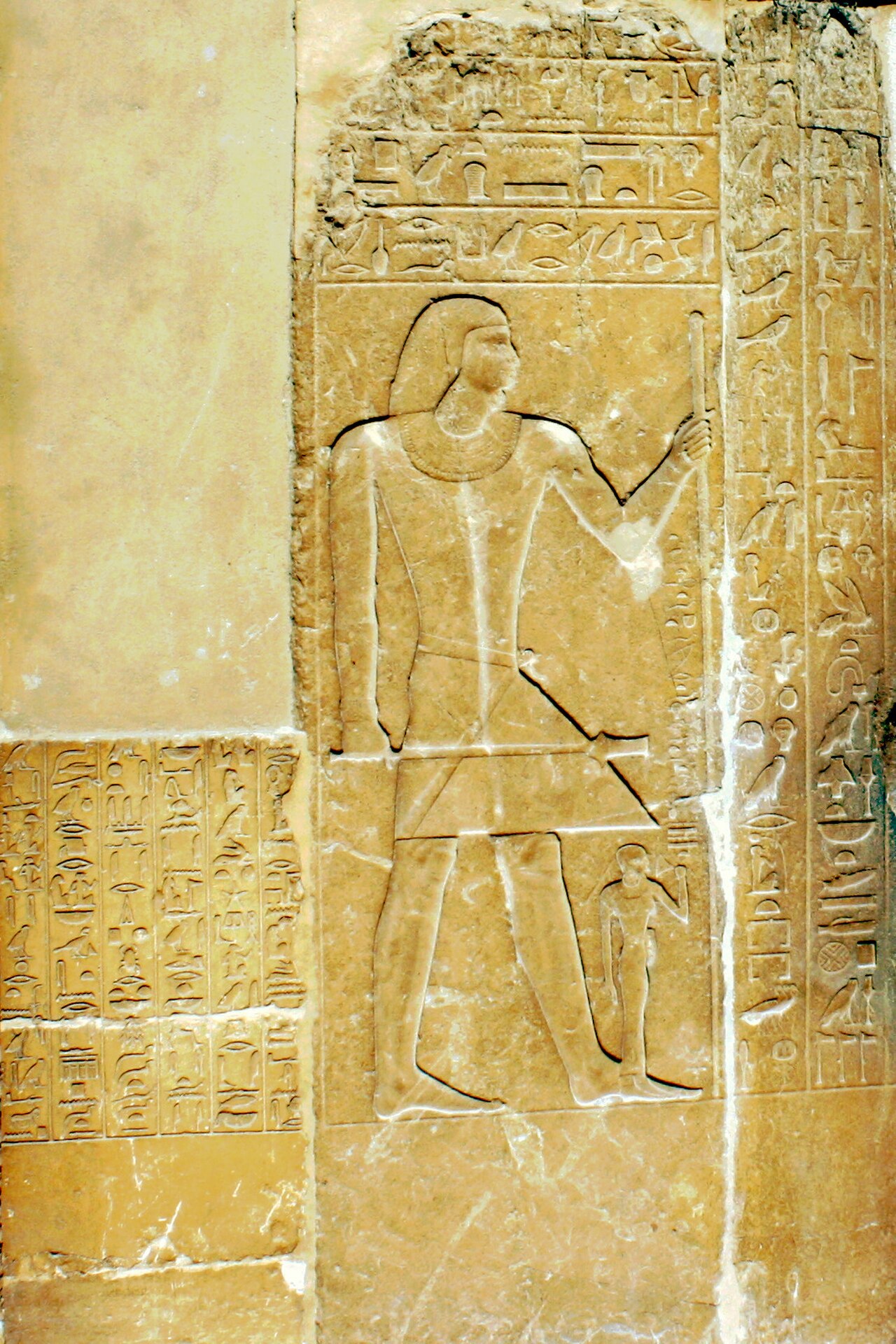
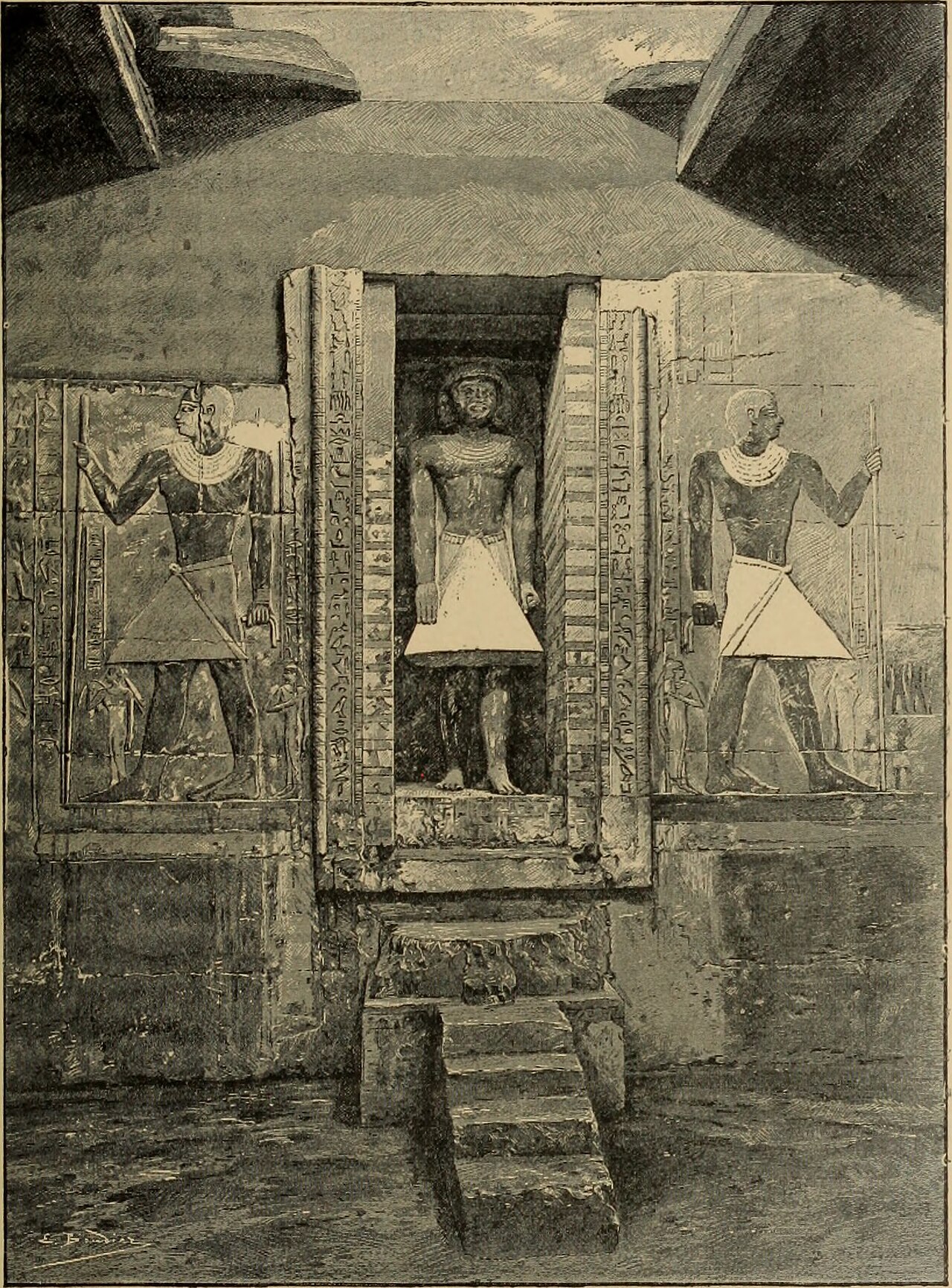
Inside, carved reliefs cover the walls of several rooms and corridors. Look for agricultural work, craftsmen, hunting scenes, marsh activities, offering bearers, and funerary imagery. These scenes present an ordered vision of the world that Mereruka expected to continue after death. The arrangement includes a principal offering chamber, additional rooms associated with family members, and a serdab chamber connected with the tomb’s ritual function. Some reliefs retain traces of original colour, while preservation differs from chamber to chamber. Move slowly: the interest is in details and repeated scenes, not only in the overall layout.
Checked 2026-08-26 · Source
Allow forty-five to ninety minutes for Mastaba of Mereruka. A shorter visit works for travellers who want to understand the plan and see the major relief cycles; a longer stay suits anyone interested in Old Kingdom art, inscriptions, or the small details of agricultural and hunting scenes. The tomb fits naturally into a Saqqara day with the Step Pyramid complex and other nearby tombs. If you are visiting several monuments, begin early and reserve enough time for walking between exposed areas as well as for the interiors themselves.
Checked 2026-08-26 · Source
Morning is the strongest choice for a Saqqara visit because the desert setting offers little relief from direct sun and summer heat becomes difficult around midday. Winter provides milder conditions for combining tombs and open-air monuments across the necropolis. Begin early if Mereruka is part of a wider route including nearby tombs, the Step Pyramid, Dahshur, or Memphis. Interior chambers feel different from the bright desert outside, so plan the day around alternating enclosed and exposed spaces. The archaeological zone is best explored in daylight, when paths and entrances are easier to negotiate.
Checked 2026-08-26 · Source
Mastaba of Mereruka forms part of the Saqqara archaeological zone, where access is organised through the site’s antiquities administration. A broader zone ticket may not cover every individual tomb or special photographic privilege, so keep the day’s monument choices in mind when planning the visit. Carry Egyptian pounds for site-related expenses, transport, and local services because payment arrangements can vary. The practical distinction is important: entry to the necropolis and entry into a particular decorated tomb can be treated as separate parts of the visit.
Checked 2026-08-26 · Source
Saqqara lies about thirty kilometres south of central Cairo. A private vehicle, taxi, or organised excursion is the most practical way to reach the necropolis and move between its dispersed monuments. Public transport requires more changes and leaves the final navigation less convenient, especially for a first visit. Many travellers combine Saqqara with Dahshur and Memphis, but each addition increases road time. Arrange the return journey before entering the archaeological area, since the desert setting offers fewer spontaneous transport options than central Cairo.
Checked 2026-08-26 · Source
The mastaba includes steps, uneven floors, low passages, and enclosed rooms. Wear shoes with a secure grip and take care when descending or turning through narrow sections. A small torch helps with close study when interior illumination is subdued. Bring water, sun protection, and a hat for the exposed spaces between monuments. Do not touch reliefs or cross protective barriers. Saqqara’s guides and vendors may offer services around the site; agree the price and scope before accepting assistance. The tomb’s physical layout makes it unsuitable for visitors who cannot manage stairs and confined passages.
Checked 2026-08-26 · Source
Treat the reliefs as fragile funerary art. Follow the rules displayed at the tomb and the instructions of antiquities staff, because photography conditions can differ between monuments in the Saqqara complex. Never use flash in decorated chambers, and expect tripods, professional equipment, and video to require additional permission. Keep the camera close to your body in confined passages and do not block other visitors. When photography is restricted, spend time reading the scenes directly: agricultural work, hunting, craft, and offering imagery reward careful observation even without taking pictures.
Checked 2026-08-26 · Source
Mereruka was a vizier who served under Pharaoh Teti during Egypt’s Sixth Dynasty in the Old Kingdom.
The tomb contains multiple chambers and corridors decorated with scenes of agriculture, craftsmen, hunting, marsh life, offering bearers, and funerary rituals.
Allow approximately forty-five to ninety minutes, depending on how closely you study the reliefs and inscriptions.
Steps, uneven surfaces, low passages, and confined chambers make the mastaba physically demanding and unsuitable for wheelchair access.
Yes. Independent visits are possible with arranged transport, although a guide can add context to the reliefs and the wider Saqqara necropolis.
Yes. The tomb combines well with the Step Pyramid complex, nearby tombs, Dahshur, or Memphis as part of a half-day or full-day archaeological route.
Loading the interactive map…
The interactive map could not be loaded.
Last updated:
Source: OpenStreetMap contributors, Wikidata ·