
1 min walk
Sabil-kuttab of Khusraw Pasha
- High · Heritage site
- Historic monument
Language · 11 published
Historic monument · Cairo
مجموعة السلطان المنصور قلاوون
Reviewed by Elena Voss · Roavina Travel Editor
| Monday | 09:00 – 16:00 |
|---|---|
| Tuesday | 09:00 – 16:00 |
| Wednesday | 09:00 – 16:00 |
| Thursday | 09:00 – 16:00 |
| Friday | 09:00 – 16:00 |
| Saturday | 09:00 – 16:00 |
| Sunday | 09:00 – 16:00 |
Checked 2026-08-31 · Source
Read from the OpenStreetMap access tags; anything not listed has no tag recorded.
Set the group type to family in the planner and the day window contracts to about three quarters of a solo day.
It was established in 1285.
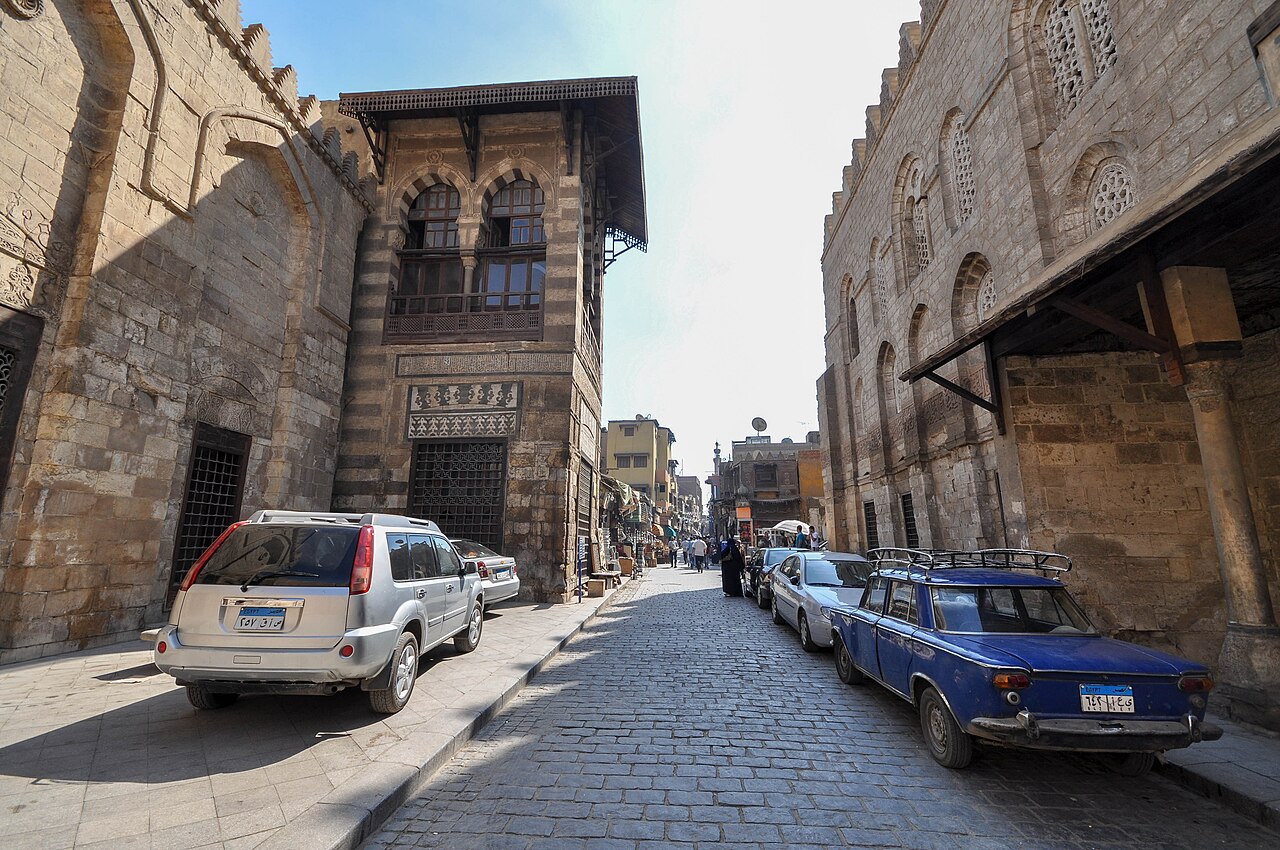
The Qalawun Complex is a Mamluk-era hospital, madrasa, and mausoleum ensemble located on al-Muizz Street in Islamic Cairo. Commissioned by Sultan al-Mansur Qalawun, it stands as one of the most significant architectural achievements of the Mamluk period. The complex comprises multiple functionally distinct buildings integrated into a unified whole, representing the charitable and religious institutions typical of Mamluk patronage. Daily 09:00–16:00. The Ministry lists identical hours for Sunday through Saturday, with no weekly closure day. Al-Muizz area ticket: foreign adult EGP 220; Egyptian adult EGP 20. This is a bundled ticket covering the Qalawun Group and several other monuments.
Checked 2026-08-31 · Source
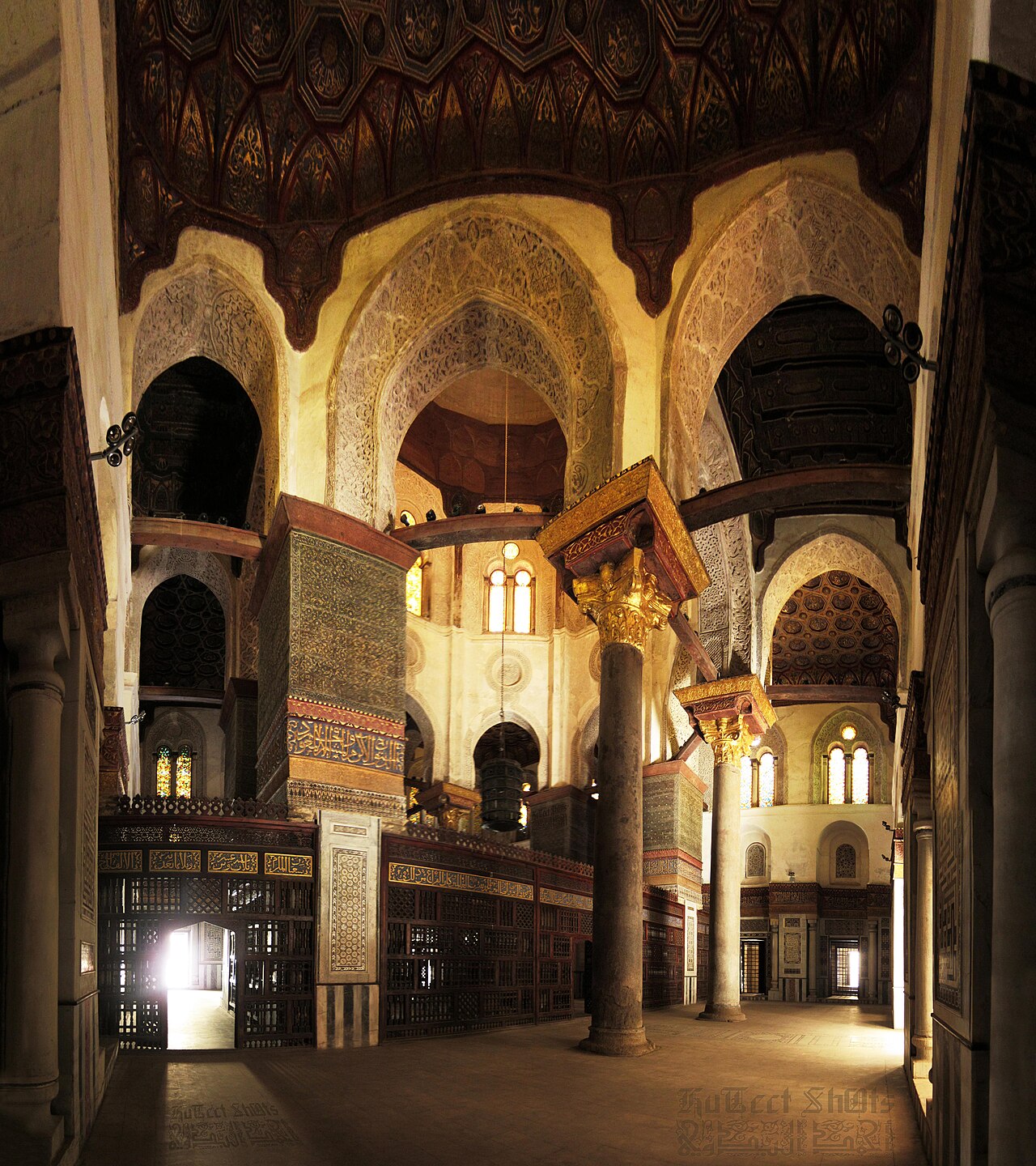
The complex contains a hospital (bimaristan), a madrasa for religious instruction, and a mausoleum housing the sultan's tomb. The mausoleum dome is particularly noted for its architectural significance. Interior spaces feature marble paneling, carved stucco, and intricate woodwork characteristic of Mamluk craftsmanship. The hospital once provided medical care to the public, reflecting the Islamic tradition of charitable institutions. The madrasa accommodated students of Islamic law. Decorative elements include geometric patterns and calligraphic inscriptions. The Ministry lists identical hours for Sunday through Saturday, with no weekly closure day.
Checked 2026-08-31 · Source
Visitors typically allocate between sixty to ninety minutes for a meaningful exploration of the Qalawun Complex. This duration allows for examination of the main architectural spaces including the mausoleum, madrasa, and hospital areas. Those with particular interest in Mamluk architecture, decorative arts, or Islamic history may wish to extend their visit. The compact nature of the complex facilitates efficient viewing. Photography and contemplation of interior details require additional time. Al-Muizz area ticket: foreign adult EGP 220; Egyptian adult EGP 20. This is a bundled ticket covering the Qalawun Group and several other monuments.
Checked 2026-08-31 · Source
Visitors should verify current opening times through official channels before planning their visit. The complex is situated in an urban environment where Friday prayers and religious observances may affect accessibility. Morning visits generally offer more favorable conditions for photography and quieter exploration. The interior spaces lack climate control, making midday summer visits potentially uncomfortable. Daily 09:00–16:00. Use Bab El Shaaria metro station; Cairo Metro identifies it as the closest station to the north side of Islamic Cairo. The complex stands on pedestrian Al-Muizz Street, which extends between Bab al-Futuh and Bab Zuweila.
Checked 2026-08-31 · Source
Admission policies for the Qalawun Complex may be subject to change and should be verified through official tourism authorities. Some monuments in Historic Cairo operate under unified ticketing arrangements, while others maintain separate fee structures. International visitors may encounter differential pricing compared to Egyptian nationals. Photography permits sometimes incur supplementary charges. Credit card acceptance cannot be assumed. Al-Muizz area ticket: foreign adult EGP 220; Egyptian adult EGP 20. This is a bundled ticket covering the Qalawun Group and several other monuments. The documented secondary entrance from the main corridor into the mausoleum has a modest stairway, so that interior route is not step-free.
Checked 2026-08-31 · Source
The Qalawun Complex is located on al-Muizz li-Din Allah Street in the heart of Islamic Cairo. Accessible via taxi or ride-hailing services, though traffic congestion in the historic district is common. The nearest Cairo Metro stations require subsequent walking through dense urban fabric. Use Bab El Shaaria metro station; Cairo Metro identifies it as the closest station to the north side of Islamic Cairo. The complex stands on pedestrian Al-Muizz Street, which extends between Bab al-Futuh and Bab Zuweila. Sultan Sayf al-Din Qalawun established it in 683–684 AH (1283–1284 CE).
Checked 2026-08-31 · Source
The surrounding streets are intensely trafficked with motorcycles, carts, and commercial activity despite pedestrianization efforts. Uneven paving stones and unexpected level changes present trip hazards. Interior lighting is variable, requiring caution on stairs and thresholds. The area attracts persistent unofficial guides and vendors. Decline unwanted services firmly but respectfully. Dress modestly covering shoulders and knees as this is an active religious site. The documented secondary entrance from the main corridor into the mausoleum has a modest stairway, so that interior route is not step-free. The complex comprises a mosque, madrasa, mausoleum and bimaristan, or hospital.
Checked 2026-08-31 · Source
Interior photography is typically permitted but may require separate permission or fees. Tripods and professional equipment often face restrictions. Flash photography risks damage to sensitive surfaces and may be prohibited. Natural light entering through windows creates challenging exposure conditions. The mausoleum dome presents particular photographic interest. Respect prayer activities and avoid disrupting worshippers. Some areas may be entirely restricted from photography. Memory cards and batteries should be carried as no supplies exist on site. Early morning provides optimal natural illumination. The hospital treated people with nervous and psychological disorders; the Ministry states that it now serves as an ophthalmology and dentistry hospital.
Checked 2026-08-31 · Source
Sultan Sayf al-Din Qalawun established it in 683–684 AH (1283–1284 CE).
The complex comprises a mosque, madrasa, mausoleum and bimaristan, or hospital.
The hospital treated people with nervous and psychological disorders; the Ministry states that it now serves as an ophthalmology and dentistry hospital.
The ticket includes the Qalawun Group, Suleyman Agha Al-Selehdar Mosque and Sabil, Al-Kamil School, Al-Nasir Muhammad Ibn Qalawun Mosque and School, Sultan Barqouk Mosque, Musa Bin Maimun Temple, Hammam Inal and Amir Bishtak Palace.
Wekalet Bazaraa and Bayt Al-Suhaymi are excluded from the area ticket and have their own admission prices.
It is on Al-Muizz Street in Historic Cairo; the street is pedestrianized and runs between Bab al-Futuh and Bab Zuweila.
Loading the interactive map…
The interactive map could not be loaded.
Last updated:
Source: OpenStreetMap contributors, Wikidata ·