
1 min walk · Paris 6e Arrondissement
Orangerie du Sénat
- Notable
- Art and culture venue
Language · 11 published
Museum · Paris 6e Arrondissement, Paris
Musée du Luxembourg
Reviewed by Elena Voss · Roavina Travel Editor
Read from the OpenStreetMap access tags; anything not listed has no tag recorded.
Set the group type to family in the planner and the day window contracts to about three quarters of a solo day.
This place is a Museum. It was established in 1750. It is run by Réunion des musées nationaux – Grand Palais.
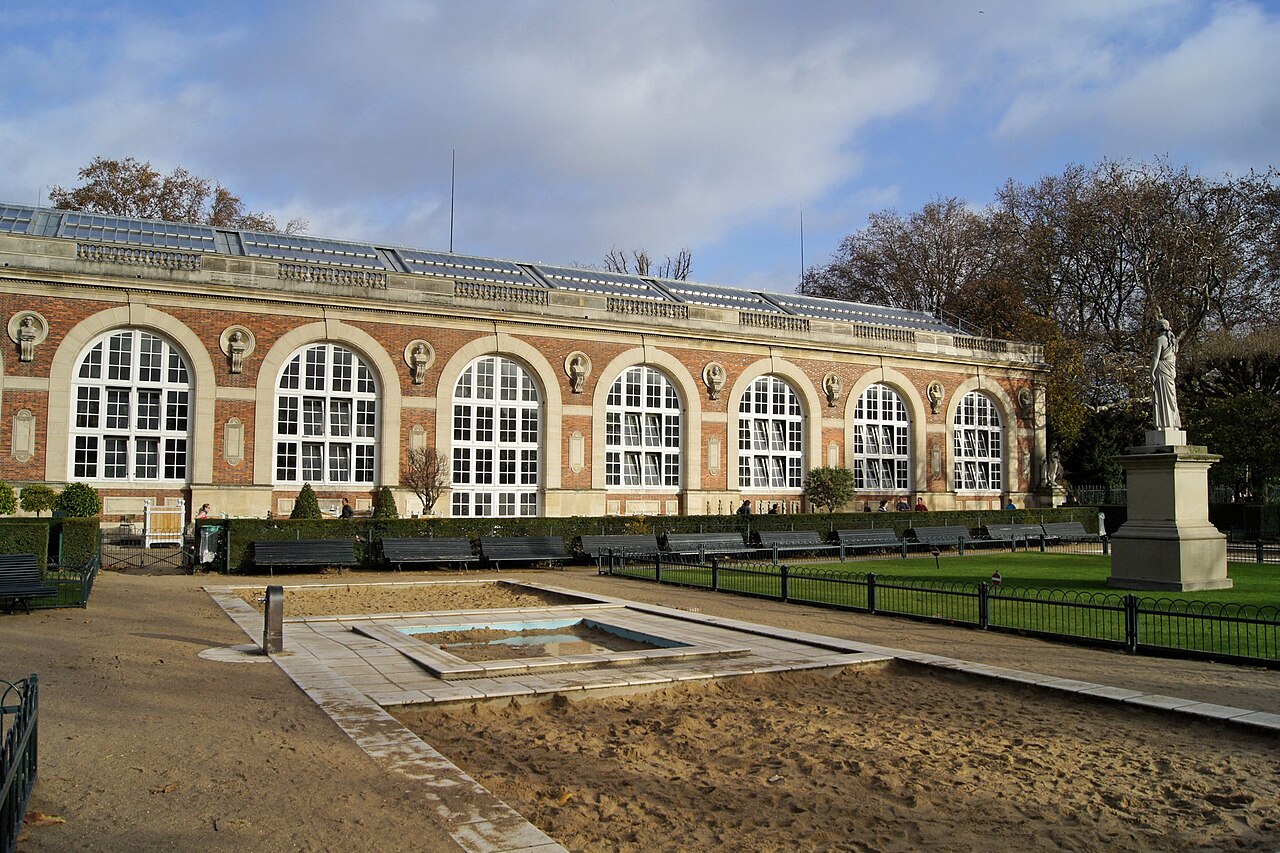
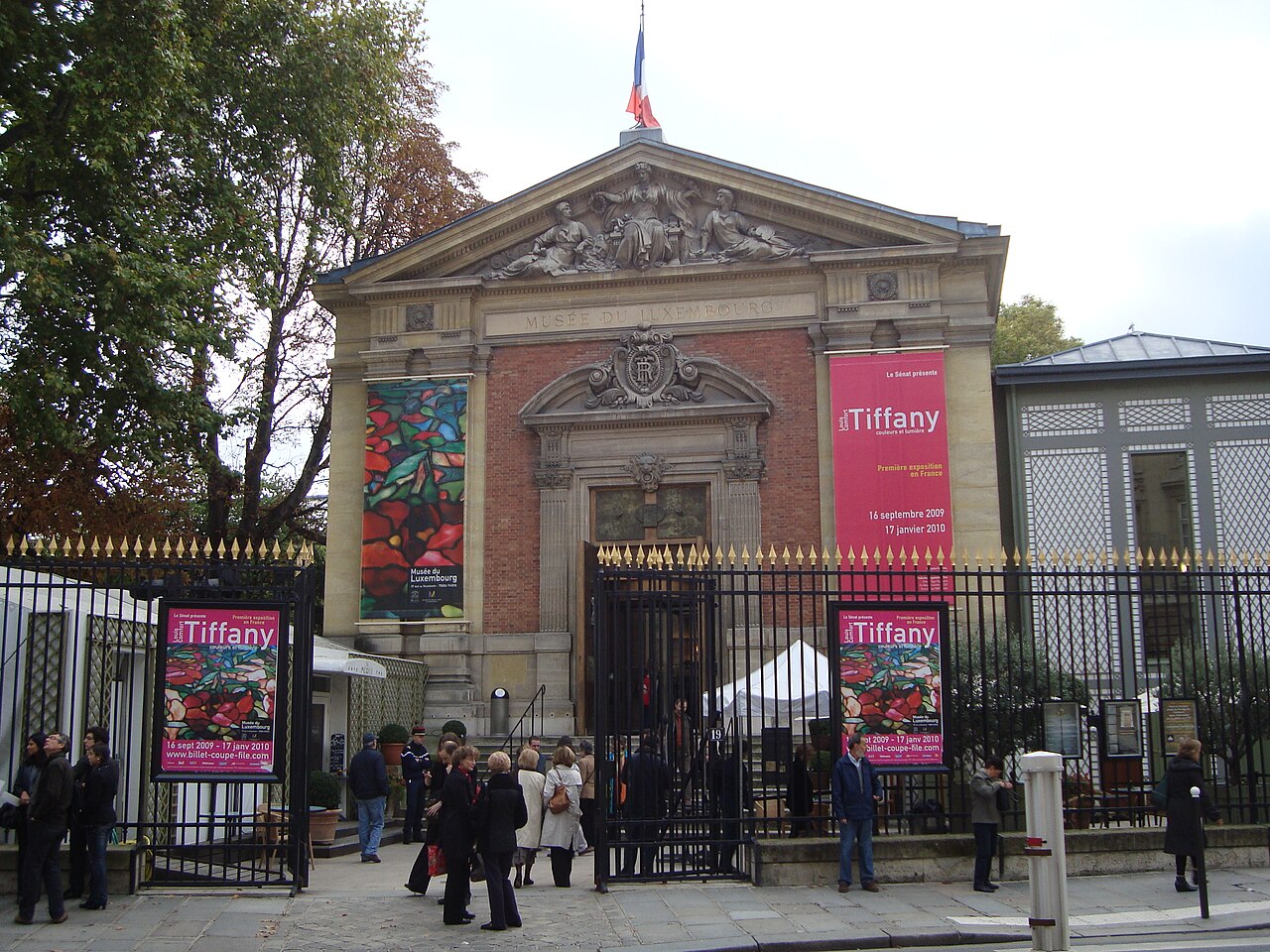
The Musée du Luxembourg is an art museum in Paris, situated in the Jardin du Luxembourg in the 6th arrondissement. It occupies the former orangery of the Luxembourg Palace, a building with historical ties to the French Senate. The museum has served various institutional roles since its origins, including periods as a public museum and exhibition space. Its current identity centers on temporary exhibitions rather than a permanent collection. The building itself represents significant architectural heritage within one of Paris's most visited gardens. The museum operates under institutional arrangements connected to the Réunion des Musées Nationaux and the French state cultural apparatus.
Checked 2026-08-28
The Musée du Luxembourg does not maintain a permanent collection on constant display. Instead, it hosts temporary exhibitions that change periodically, typically focusing on specific artists, movements, or thematic presentations. Past programming has included monographic shows and broader art historical surveys. The interior spaces comprise galleries adapted from the historic orangery structure, with exhibition rooms of varying dimensions. The specific contents at any given time depend entirely on the current temporary exhibition schedule. Visitors should consult the museum's official website for present and upcoming programming. The museum's reputation rests partly on its ability to secure significant loans for these temporary presentations.
Checked 2026-08-28
The duration of a visit to the Musée du Luxembourg depends substantially on the scale and density of the current temporary exhibition. A typical temporary exhibition at a comparable Parisian institution might require between sixty and ninety minutes for a thorough viewing, though individual pacing varies considerably. Some visitors may complete their visit more quickly, while others engaging deeply with interpretive materials or audio guides may spend longer. The compact nature of the orangery building suggests the physical spaces are not extensive. Visitors should allocate additional time for security checks and potential queuing during popular exhibitions.
Checked 2026-08-28
The museum's schedule likely varies according to exhibition periods and may be affected by French public holidays and institutional closures common to state-affiliated museums. Seasonal factors including tourist density in the Jardin du Luxembourg may influence visitor experience. The garden itself experiences peak visitation during spring and summer months when weather encourages outdoor activity. Visitors planning around specific exhibition openings or closings should verify dates directly with official sources. The museum's temporary exhibition model means operational periods align with exhibition cycles rather than continuous year-round opening. Check the operator's own site for the travel date before relying on a schedule or fare.
Checked 2026-08-28
Admission structures for temporary exhibition museums in Paris typically distinguish between full and reduced rates, with common reductions for students, seniors, and certain professional categories. Some institutions participate in broader cultural pass schemes. Free admission policies for specific demographics may apply on certain days or under national regulations. Group rates and advance booking options are common features. The museum's official website would provide definitive pricing for current exhibitions. Visitors should verify whether combined tickets exist with nearby institutions or whether annual membership schemes offer value for repeat visitation. Check the operator's own site for the travel date before relying on a schedule or fare.
Checked 2026-08-28
The museum occupies a position within the Jardin du Luxembourg in Paris's Left Bank. The surrounding area is served by multiple public transportation options characteristic of central Paris. The RER B line stops at Luxembourg station in immediate proximity. Several Métro stations including Odéon and Saint-Sulpice provide walking access. Bus routes traverse the surrounding boulevards. The garden setting means final approach is typically on foot through park entrances. Cyclists may find Vélib' stations nearby. The central location makes it accessible from numerous Parisian districts, though visitors should consult current transport schedules and any service modifications before travel.
Checked 2026-08-28
The museum's temporary exhibition format means visitors should verify current opening status before travel, as inter-exhibition closures occur. The Jardin du Luxembourg experiences significant pedestrian traffic, requiring awareness of surroundings when approaching. Security screening is standard for Parisian museums. Bag size restrictions may apply. The historic building may present accessibility considerations including staircases or uneven flooring. Exhibition popularity can generate queues, particularly at opening times and weekends. Weather protection may be advisable for queuing periods. Photography policies vary by exhibition and loan conditions. Visitors should respect any specific prohibitions indicated within galleries. Children require supervision in gallery environments.
Checked 2026-08-28
Photography policies at the Musée du Luxembourg are determined by individual exhibition loan agreements rather than uniform institutional rules. Temporary exhibitions frequently incorporate restrictions from lending institutions and artists' estates. Flash photography is typically prohibited in museum environments due to conservation concerns. Tripods, selfie sticks, and professional equipment generally require advance authorization. Visitors should observe signage at exhibition entrances and gallery-specific instructions. Staff may enforce restrictions actively. Copyright considerations apply to reproduced images regardless of photography permission. Social media sharing may be subject to additional terms. When uncertain, visitors should inquire at the admission desk rather than assume permissibility.
Checked 2026-08-28
No. The museum operates on a temporary exhibition model without a permanent collection on constant display.
It is situated within the Jardin du Luxembourg in Paris's 6th arrondissement, occupying the former orangery of the Luxembourg Palace.
Consult the official website at https://museeduluxembourg.fr/ for current and upcoming exhibition information.
Visitors should verify directly with official sources. Check the operator's own site for the travel date before relying on a schedule or fare.
Yes. The RER B Luxembourg station is in immediate proximity, and several Métro and bus lines serve the surrounding area.
Policies vary by exhibition based on loan agreements. Visitors should observe posted signage and staff instructions.
Loading the interactive map…
The interactive map could not be loaded.

Last updated:
Source: OpenStreetMap contributors, Wikidata ·