It was established in 1620.
It was built in the baroque architecture style.
It was designed by Germain Boffrand.
It carries the classified historical monument heritage designation.
The Luxembourg Palace is the French Senate, and it was built because a widowed queen was homesick for Florence.
Salomon de Brosse built it between 1615 and 1645 for Marie de' Medici, mother of Louis XIII, modelled at her request on the Palazzo Pitti. It was a royal residence until 1642, briefly a museum in 1750, a prison during the Revolution, and Napoleon Bonaparte's home as First Consul.
It has been the seat of the upper chamber since 1799 and is the Senate's home today, at 15 Rue de Vaugirard in the 6th arrondissement.
Alphonse de Gisors added the garden wing between 1835 and 1856, copying the seventeenth-century façade so carefully that the join is hard to find.
A working parliament, a Delacroix ceiling, and the empty place where the Rubens cycle used to be.
Marie de' Medici commissioned twenty-four paintings from Peter Paul Rubens between 1622 and 1625, telling the story of her own life. They now hang in the Louvre's Flemish collection, which is where anyone wanting to see them has to go.
Eugène Delacroix painted the library ceiling between 1845 and 1847, in the nineteenth-century wing. Gisors also built the Salle des Conférences for Napoleon III.
The Petit Luxembourg beside it is the Senate President's residence, and the Musée du Luxembourg on the Rue de Vaugirard runs temporary exhibitions and is the one part reliably open.
The palace itself is not a visit. The garden in front of it is two hours.
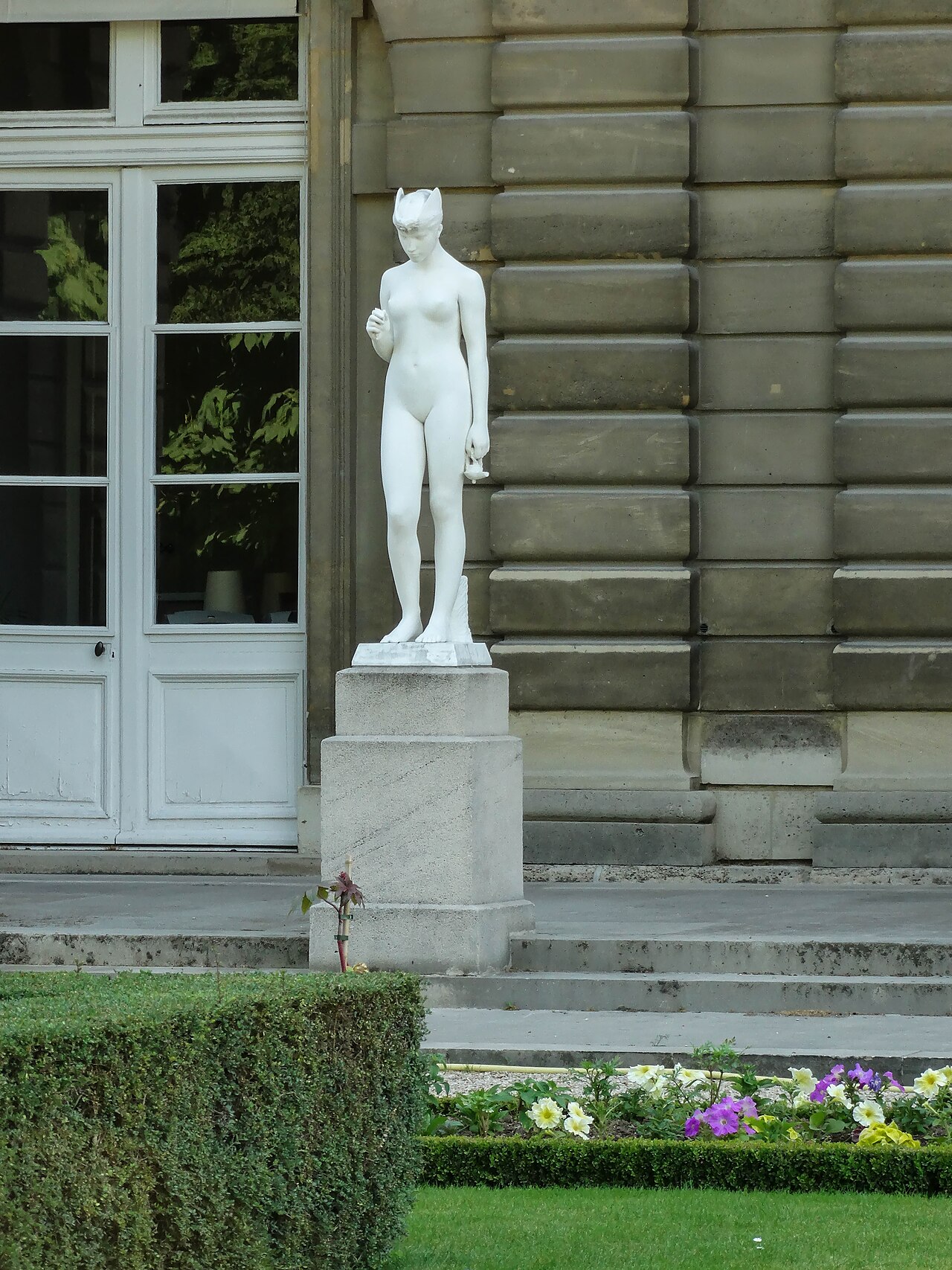
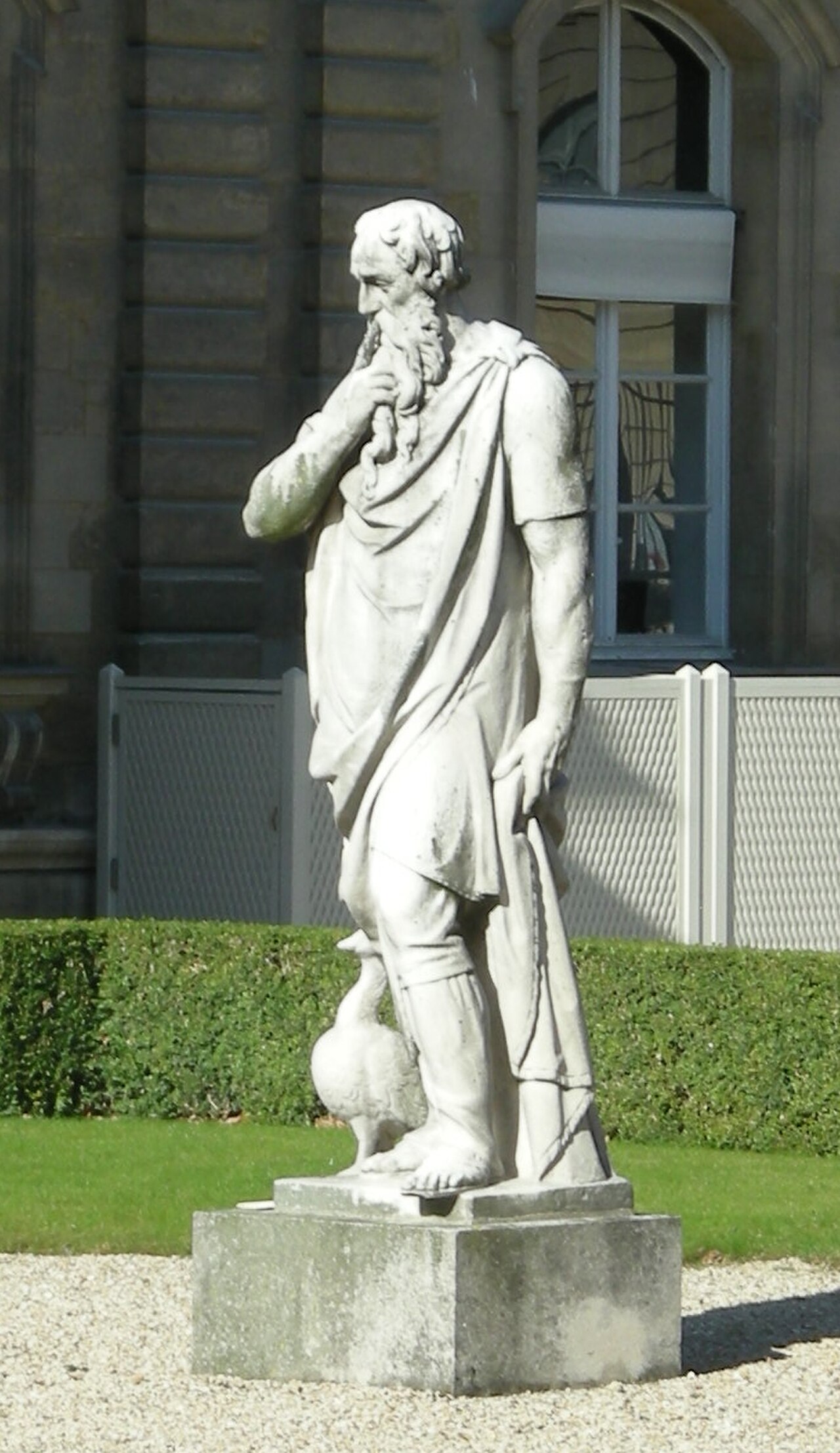
The Jardin du Luxembourg covers 23 hectares, owned by the Senate, laid out in 1612 by Marie de' Medici at the same time as the palace. It holds just over a hundred statues, monuments and fountains, including twenty figures of French queens commissioned by Louis Philippe I in 1848.
The Medici Fountain, built in 1630 and moved in 1864–66, is at the end of a long shaded basin and is the best corner of the garden.
The Musée du Luxembourg adds an hour when its exhibition is worth it.
Treat the when to go details as provisional when arranging this stop in Paris. Check the operator's own site for the travel date before relying on a schedule, fare or closure notice. Keep enough flexibility to move the visit within the same area if current conditions differ from the plan. This guide does not infer practical facts from the venue category, nearby attractions or an aggregator. Check the operator's own site for the travel date before relying on a schedule or fare.
The garden is free. The palace is not generally open.
The Senate arranges guided visits and the building opens on European Heritage Days; there is no walk-in access at any other time and no ticket office for it.
The Musée du Luxembourg is separately ticketed for its temporary exhibitions. Current rates are not published on the sources this page uses and are not reproduced here.
The 6th arrondissement, between Saint-Germain and the Latin Quarter.
Luxembourg on RER B comes out at the garden's east gate. Odéon on Métro lines 4 and 10 and Saint-Sulpice on line 4 are both five minutes north; Notre-Dame-des-Champs on line 12 is at the south-west corner.
The Métro runs 16 lines across 321 stations, with stations 548 m apart on average — a two-stop journey is usually faster walked.
The palace's garden front across the octagonal basin, with the toy sailboats on it, is the photograph, and it takes morning light on the façade.
The Medici Fountain is the harder and better picture: a long dark basin under trees, which needs either overcast light or a very still hour, and defeats phone cameras in high summer contrast.
The twenty queens along the terrace balustrade photograph well in raking evening light and flat at midday.
The orchard and the apiary in the south-west corner are the parts of the garden almost nobody photographs, and they are the parts that show it is still worked rather than only displayed.
Not on an ordinary day. It is the seat of the French Senate. The building opens on European Heritage Days in September and the Senate arranges guided visits.
Who built it?
Salomon de Brosse, between 1615 and 1645, for Marie de' Medici — modelled at her request on the Palazzo Pitti in Florence.
Where are the Rubens paintings?
In the Louvre. The twenty-four-painting cycle Marie de' Medici commissioned from Rubens between 1622 and 1625 now hangs in the Flemish collection there.
Is the garden free?
Check the operator's own site for the travel date before relying on a schedule or fare.
What is in the garden?
Just over a hundred statues, monuments and fountains, including twenty figures of French queens commissioned by Louis Philippe I in 1848, plus an orchard, an apiary and a puppet theatre.
What is the Medici Fountain?
A fountain of 1630, moved to its present position in 1864–66, at the end of a long shaded basin. It is the best corner of the garden.
Nothing non-essential is set before you choose, in regions where consent is required. If you decline, ads still appear and analytics is switched off entirely.