
.jpg)
01
3 hours
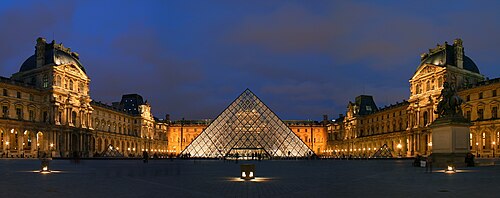
Louvre Museum
Musée du Louvre
The Louvre is the most-visited art museum on earth and it was a fortress before it was anything else.
- Must see
- Museum
- Paris
Language · 11 published
Country guide
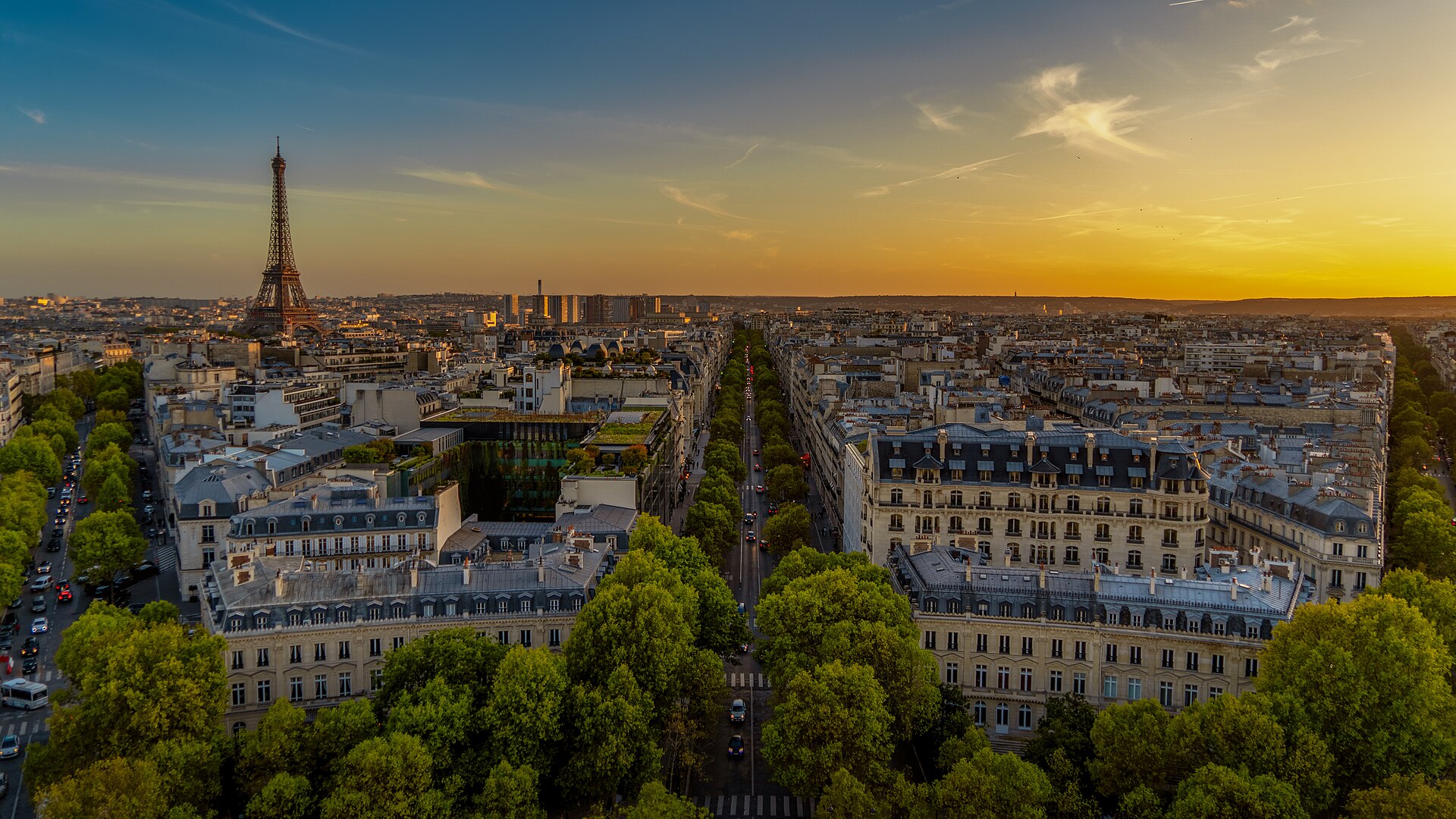
France is 18 regions and 632,702 km2, and five of those regions are overseas - French Guiana in South America, the French West Indies, islands in the Indian and Pacific oceans. Metropolitan France alone runs from the Rhine to the Atlantic and from the Mediterranean to the North Sea, so a week here is a choice rather than a circuit. Of the 69.1 million people estimated in 2026, more than 13 million are in the Paris metropolitan area, which is why the capital tends to win the first visit. The corners - Alpine, Atlantic, Mediterranean - are further from one another than the map's familiarity suggests.
Reviewed by Elena Voss · Roavina Travel Editor
Every city catalogued in this country so far, ranked by how much there is to see.
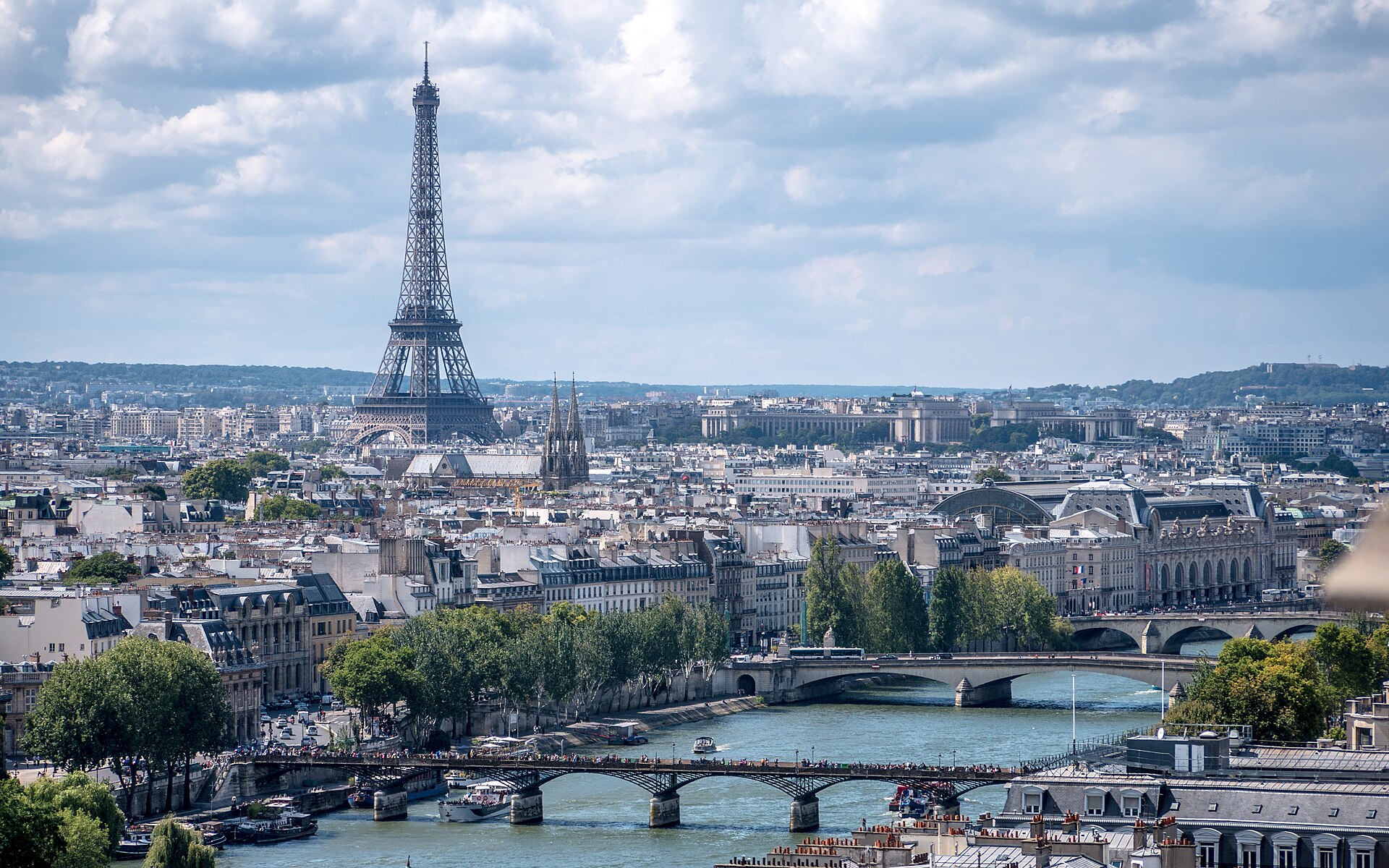
Photograph · Yann Caradec from Paris, France · CC BY-SA 2.0
Ranked by importance — sitelinks, pageviews and heritage status, not editor preference.
8 places match
Category
Typical visit duration
Interests
Musée du Louvre
The Louvre is the most-visited art museum on earth and it was a fortress before it was anything else.
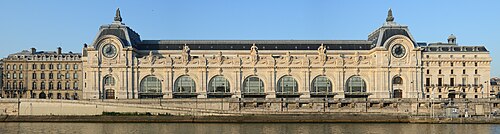
The Musée d'Orsay is a railway station that outlived its trains. The Gare d'Orsay was built between 1898 and 1900 on the Left Bank for the Exposition Universelle, by Lucien Magne, Émile Bénard and Victor Laloux, in full Beaux-Arts dress.
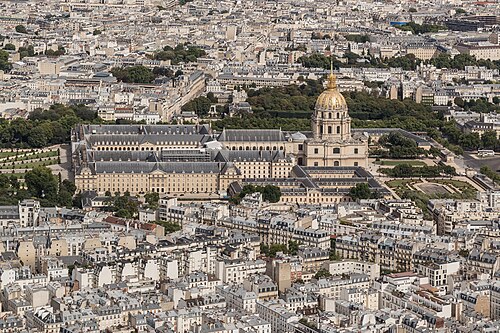
Hôtel des Invalides
Les Invalides was built to house disabled soldiers and ended up housing Napoleon. Louis XIV ordered it on 24 November 1670; Libéral Bruant and Jules Hardouin-Mansart designed it, and it was completed in 1706.

The Philharmonie de Paris is a concert hall clad in a swirl of aluminium panels shaped like birds in flight, built to give the city's main orchestra a home purpose-built for symphonic sound.
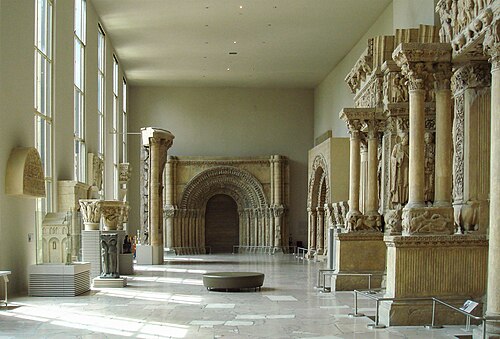
Cité de l'architecture et du patrimoine is a museum of French architecture and heritage in the east wing of the Palais de Chaillot at Trocadéro, opened in its current form in 2007.
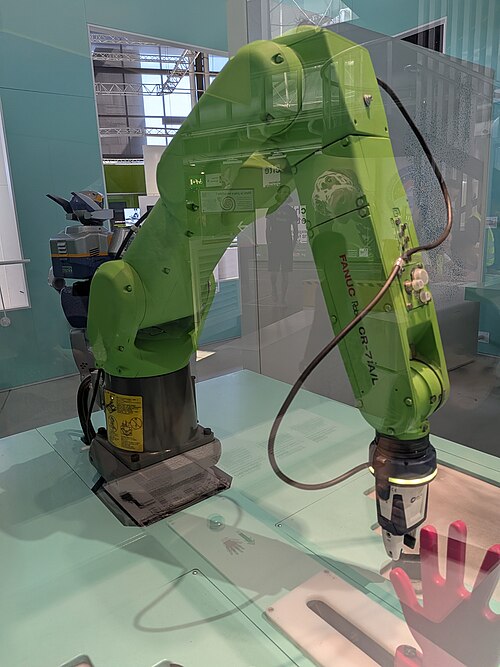
Cité des Sciences et de l'Industrie sits inside Parc de la Villette in the north-east of Paris and opened in 1986 inside the shell of a large, unfinished cattle-market building from the 1960s that was repurposed for the museum rather…
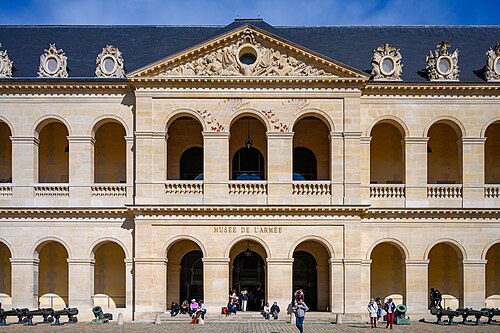
The Musee de l'Armee is France's national army museum, occupying wings of the Hotel des Invalides in the 7th arrondissement, the complex Louis XIV built in the 1670s as a hospital and retirement home for wounded soldiers.
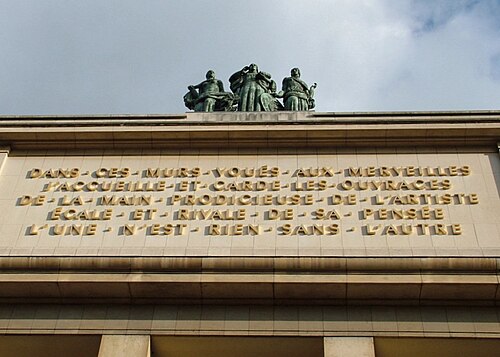
The Musee de l'Homme is France's national anthropology museum, and it studies one subject only: what makes a human being, told through evolution, biological diversity and culture rather than through any single region or period.
Source: OpenStreetMap contributors, Wikidata ·
Ten to fourteen days supports four or five days in Paris plus one coherent regional direction, such as Lyon, Bordeaux, Strasbourg, or Marseille. Avoid routing every extension back through Paris, because even fast TGV journeys leave local connection time at each end.
France applies Schengen entry rules, but the required passport validity or visa still depends on nationality and route. France-Visas is the official place to verify the exact requirement before booking and again before entering from outside Schengen.
TGV trains join France's largest cities, while TER services handle regional links and many rural areas still favour a car. Long-distance reservations may be mandatory, and each city retains its own urban ticket system rather than accepting one national visitor card.
April to June and September to October suit the Paris-plus-region route described here. Alpine access, Mediterranean heat, Atlantic weather, and rural seasonal services differ enough that the selected second region should determine the final dates.
France uses the euro (EUR). Bank cards are common, yet a small euro reserve remains useful for markets or local machines; confirm any terminal conversion choice before accepting it because this page does not record changing fees.
For urgent help anywhere in France, call 112; medical emergencies also use 15 and police matters 17. The electrical standard is 230 V with Type C and E plugs. This dataset has no recorded national tap-water finding, so consult the municipality or lodging for the specific stop.