
1 min walk
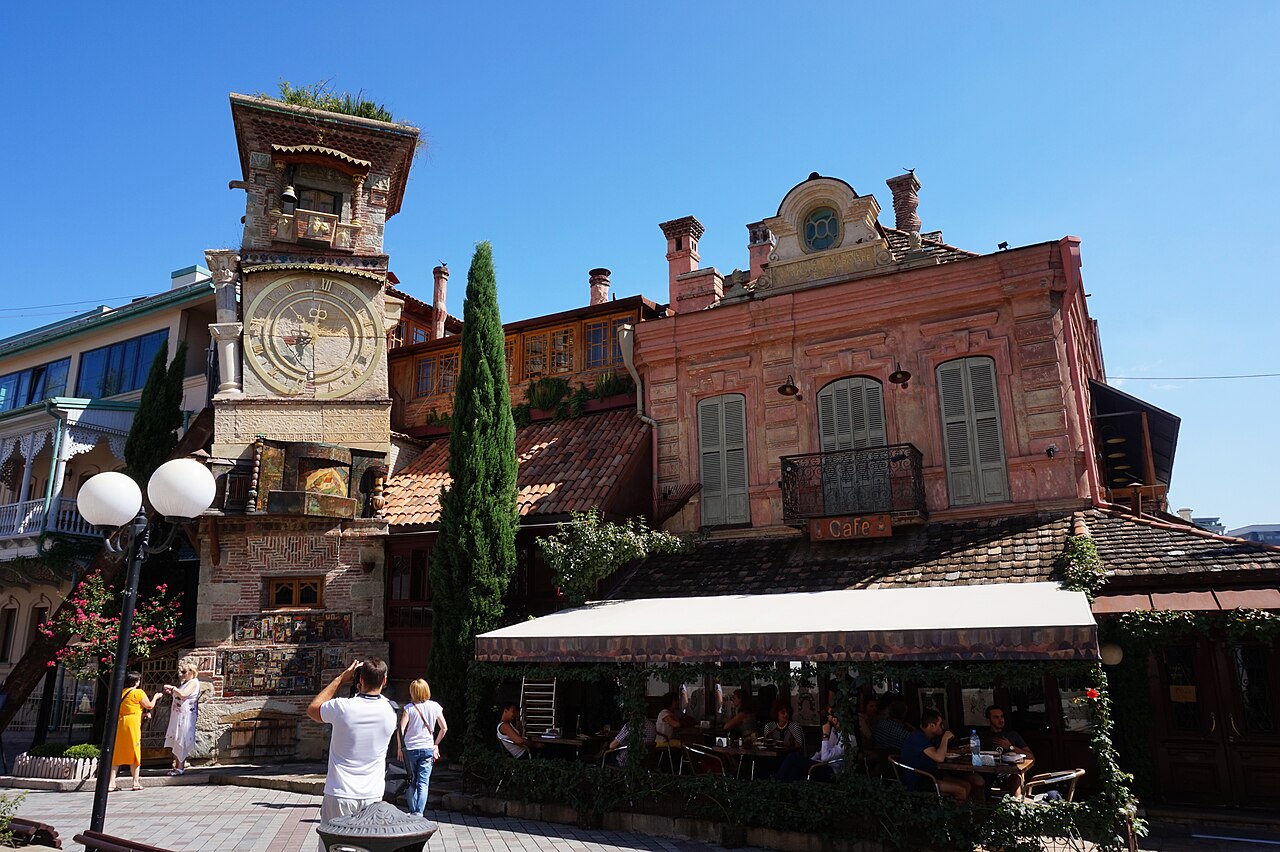
State Marionette Theatre Rezo Gabriadze
- Must see
- Art and culture venue
Language · 11 published
Place of worship · Tbilisi
ანჩისხატის ღვთისმშობლის ტაძრადმიყვანების ეკლესია
Reviewed by Elena Voss · Roavina Travel Editor
| Monday | 09:00 – 18:00 |
|---|---|
| Tuesday | 09:00 – 18:00 |
| Wednesday | 09:00 – 18:00 |
| Thursday | 09:00 – 18:00 |
| Friday | 09:00 – 18:00 |
| Saturday | 09:00 – 19:00 |
| Sunday | 09:00 – 19:00 |
Checked 2026-08-31 · Source
Read from the OpenStreetMap access tags; anything not listed has no tag recorded.
Set the group type to family in the planner and the day window contracts to about three quarters of a solo day.
This place is a Place of worship.
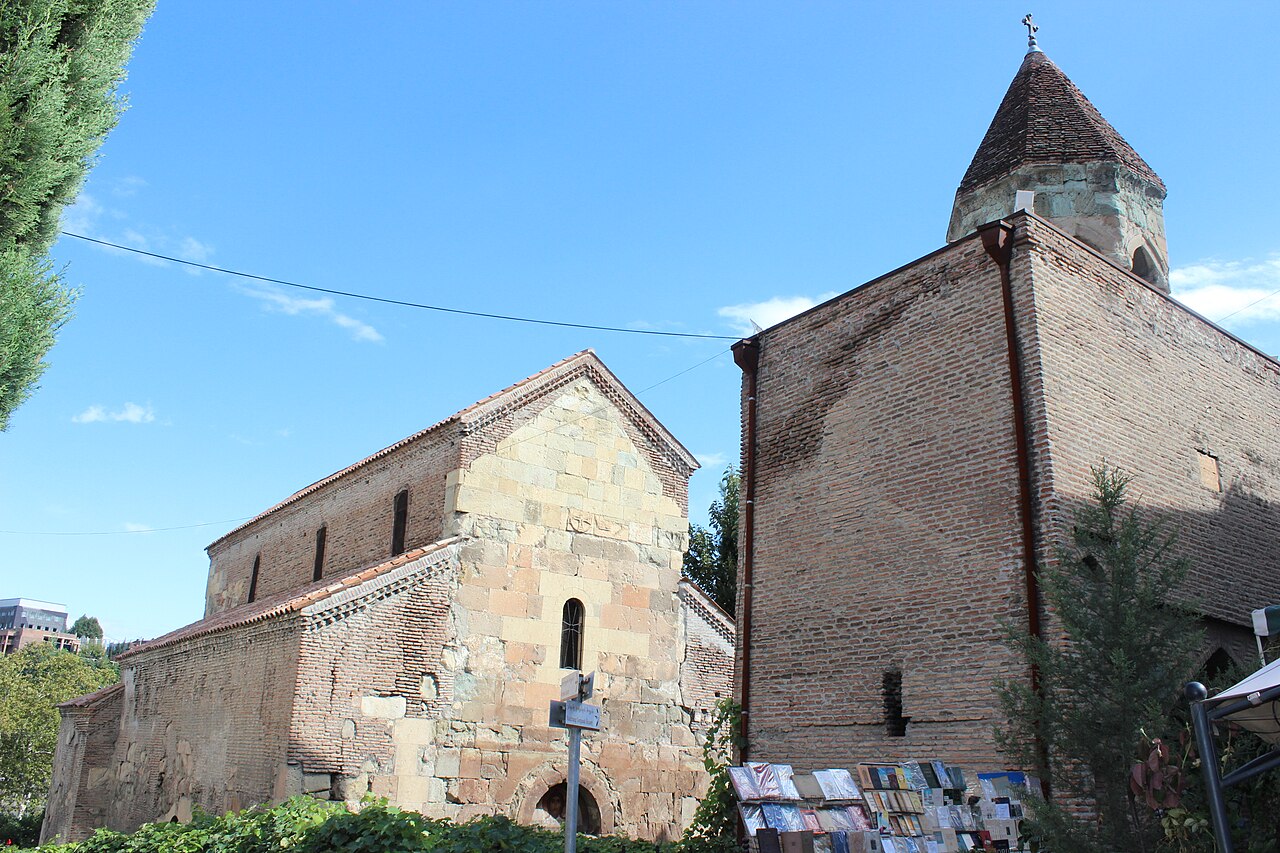
Anchiskhati Basilica is a sixth-century Georgian Orthodox church on Shavteli Street in Tbilisi's Old Town. It is widely identified as the city's oldest surviving church and remains an active place of worship. The basilica gives the surrounding historic quarter a strong sense of continuity: visitors encounter a living religious building within narrow streets shaped by centuries of urban change. Its early Georgian ecclesiastical character makes it an essential stop for anyone exploring Old Tbilisi's historic core. Anchiskhati Basilica is a sixth-century church in Tbilisi's Old Town, widely identified as the city's oldest surviving church. Its Georgian name, ანჩისხატის ბაზილიკა, reflects deep local significance. The basilica anchors the historic ensemble along Shavteli Street, contributing to one of Tbilisi's most atmospheric medieval quarters. The structure exemplifies early Georgian ecclesiastical architecture and has witnessed centuries of the city's turbulent history, including Persian, Arab, and Russian dominations. Its continued function as a place of worship underscores its enduring role in Georgian Orthodox religious life. Entry during services may be restricted or require exceptional discretion; respectful observation of active worship takes precedence.
Checked 2026-08-26 · Source
Inside, expect a relatively modest basilica layout associated with early medieval church architecture rather than the later cross-domed form familiar from many Georgian churches. Icons and furnishings belong to continuing Orthodox worship, so the interior is best approached as a sacred space rather than a display hall. The building's importance comes from its age, architecture and uninterrupted religious role. The Shavteli Street setting is part of the visit, linking the church to the character of the Old Town. The interior preserves elements of early medieval church design typical of the Georgian tradition. Visitors should expect a relatively modest spatial arrangement consistent with sixth-century basilica planning rather than later cross-domed forms.
Checked 2026-08-26 · Source
Set aside fifteen to twenty minutes for the basilica and its immediate exterior, including the relationship between the church and Shavteli Street. If you enter at a suitable moment, allow extra time for quiet observation. The church also fits naturally into a forty-five- to ninety-minute walk through the wider Old Town, where nearby lanes and historic buildings extend the experience. Keep the visit unhurried: architectural details and the atmosphere of the quarter reward close attention.
Checked 2026-08-26 · Source
Spring and autumn are comfortable seasons for walking through Tbilisi's Old Town, while summer can be hot and winter cold. Early morning or late afternoon brings atmospheric light to Shavteli Street, but a church visit must fit around worship. Treat the basilica as a functioning religious site and give services priority. The narrow historic lanes are most enjoyable when you have enough time to walk slowly, pause outside and absorb the surrounding architecture.
Checked 2026-08-26 · Source
Anchiskhati Basilica is an active place of worship rather than a commercial attraction. Voluntary support may be appropriate in a worship setting, but no specific donation is stated. The basilica's value lies in its sixth-century fabric, continuing Orthodox use and position within Tbilisi's historic Old Town.
Checked 2026-08-26 · Source
The basilica stands on Shavteli Street in Tbilisi's compact Old Town and is best incorporated into a walking route through the central historic district. Expect narrow lanes, uneven cobblestones and occasional steps. A nearby metro connection can bring you toward the Old Town, followed by a pedestrian approach. Cars are less useful once you enter the older street pattern, while a taxi can shorten the approach to the edge of the quarter. A map is helpful because the lanes do not follow a simple grid.
Checked 2026-08-26 · Source
This is an active church, so dress with shoulders and knees covered and keep your voice low. During services, stand back and let worshippers move freely. The Old Town's cobblestones, stairs and narrow passages demand attention, especially after rain. Interior photography may not be suitable during worship; follow the atmosphere of the space and avoid flash. The historic quarter is busy with visitors, so keep personal belongings close while walking between the basilica and nearby landmarks.
Checked 2026-08-26 · Source
The exterior is well suited to photographs that place the basilica within Shavteli Street's historic ensemble. Early and late daylight can bring texture to the church walls and the surrounding lanes. Inside, treat the camera as secondary to the religious function: avoid flash and give services complete priority. Street-level compositions often communicate more about the visit than a close architectural study alone, because the basilica's setting in the Old Town is central to its identity.
Checked 2026-08-26 · Source
It is a sixth-century Georgian Orthodox church widely identified as Tbilisi's oldest surviving church, and it remains an active place of worship.
The basilica stands on Shavteli Street in Tbilisi's Old Town, within a historic area suited to exploration on foot.
Wear conservative clothing covering your shoulders and knees, and keep your voice low because the building continues to serve Orthodox worship.
The basilica itself can take fifteen to twenty minutes, while a walk combining it with nearby Old Town streets may take forty-five to ninety minutes.
It has a relatively modest early medieval basilica arrangement, with Orthodox icons and furnishings connected to its continuing religious use.
The surrounding Old Town has narrow lanes, uneven cobblestones and stairs, so the pedestrian approach requires careful footing and comfortable shoes.
Loading the interactive map…
The interactive map could not be loaded.
Last updated:
Source: OpenStreetMap contributors, Wikidata ·