

3 min walk
Tbilisi Wine Museum
- Must see
- Museum
Language · 11 published
Historic monument · Tbilisi
ვახტანგ გორგასლის მოედანი
Reviewed by Elena Voss · Roavina Travel Editor
| Monday | 00:00 – 23:59 |
|---|---|
| Tuesday | 00:00 – 23:59 |
| Wednesday | 00:00 – 23:59 |
| Thursday | 00:00 – 23:59 |
| Friday | 00:00 – 23:59 |
| Saturday | 00:00 – 23:59 |
| Sunday | 00:00 – 23:59 |
Checked 2026-08-31 · Source
Read from the OpenStreetMap access tags; anything not listed has no tag recorded.
Set the group type to family in the planner and the day window contracts to about three quarters of a solo day.
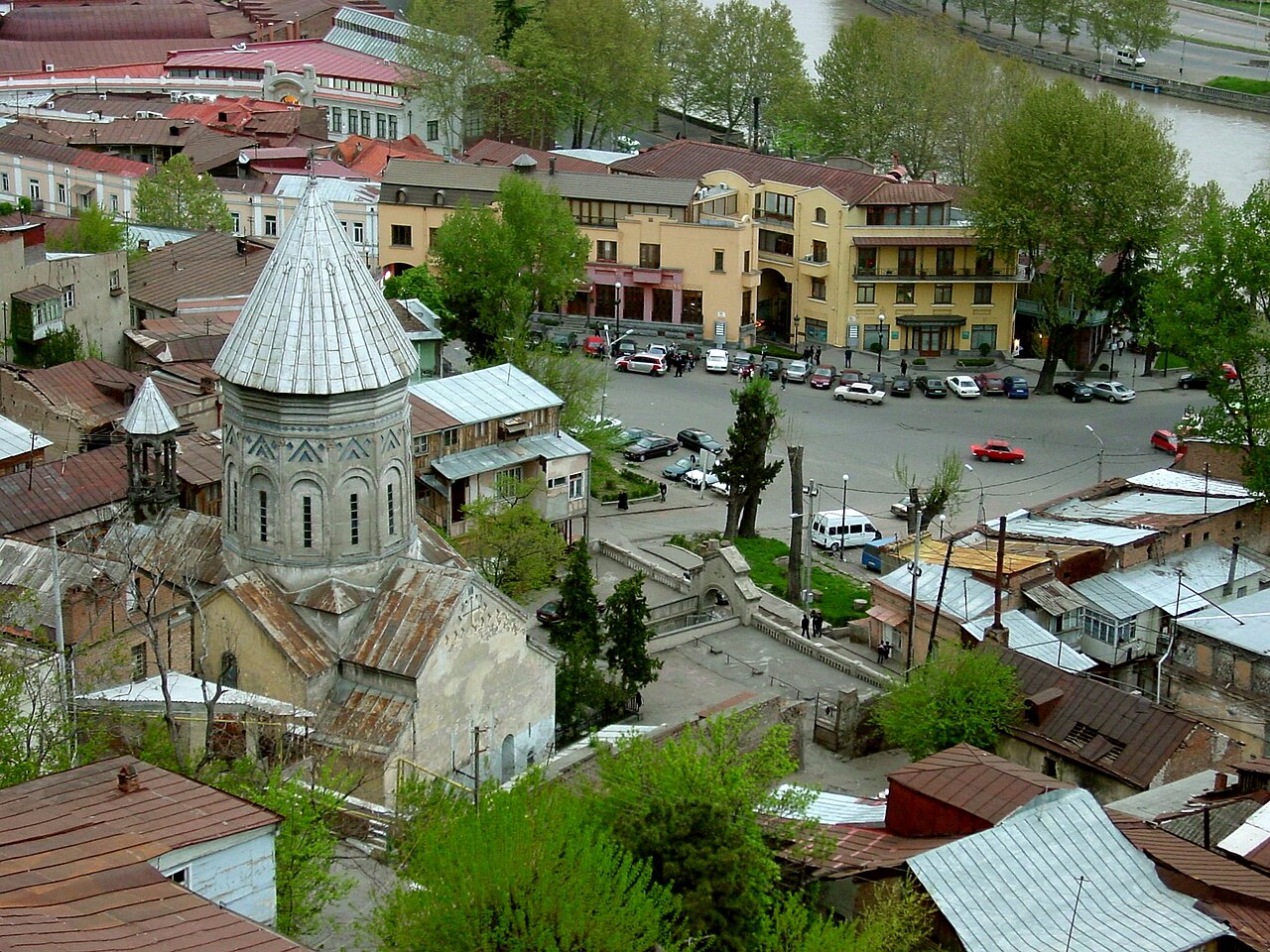
Gorgasali Square, also called Vakhtang Gorgasali Square and Meidan, is a historic public square in Tbilisi’s old town. It works as a central meeting point where several important parts of the historic core come together. The square’s importance comes from its position and urban life rather than from a single enclosed monument. For travellers, it is a useful landmark for understanding the layout of the old city, choosing a direction and beginning a walk through Tbilisi’s most atmospheric quarters. Gorgasali Square, locally known as Vakhtang Gorgasali Square, is a historic public space in Tbilisi's old town. Also referred to as Meidan, it functions as the central crossroads connecting four significant districts: Kala, Abanotubani, Metekhi Bridge, and Shardeni. The square occupies a pivotal position in the urban fabric of the historic core, serving as a traditional market square that has shaped movement and commerce through the old city for generations.
Checked 2026-08-26 · Source
There is no interior collection to tour in Gorgasali Square. The experience is the open space itself and the streets that radiate from it. Four important connections lead toward Kala, Abanotubani, Metekhi Bridge and Shardeni. Each direction changes the character of the walk: Abanotubani leads toward the sulfur baths, Metekhi Bridge crosses the river, Shardeni brings dining and evening activity, and Kala continues through the old-town fabric. Read the square as an urban crossroads and a gateway to these districts.
Checked 2026-08-26 · Source
A direct look at Gorgasali Square can take fifteen to thirty minutes. Many travellers spend less time in the square itself because it naturally forms part of a longer walk. Pause to understand the four connecting directions, observe the movement of locals and visitors, and then continue toward the quarter that matches your interests. Add time for the surrounding lanes, restaurants, the sulfur-bath district or the route across Metekhi Bridge. The square is most rewarding as a base for exploration rather than an isolated stop.
Checked 2026-08-26 · Source
The square is an open urban crossroads, so its character changes with the time of day. Daylight makes it easier to orient yourself and follow the surrounding streets. Evening brings more activity in the direction of Shardeni, with dining and nightlife shaping the atmosphere there. Morning offers a calmer setting for photographs and a clearer view of how the historic routes meet. In hot weather, plan pauses indoors or in shaded streets nearby, because the square itself is an exposed public space with limited shelter.
Checked 2026-08-26 · Source
Gorgasali Square is a public urban space, and the visit is centred on walking through the crossroads and its surrounding streets. There is no attraction interior or ticketed exhibition forming part of the square itself. Any spending comes from separate choices in the neighbourhood, such as food, drinks, shopping or services in the connected districts. This makes the square a flexible stop for travellers who want to orient themselves before choosing the next part of an old-town route.
Checked 2026-08-26 · Source
Gorgasali Square is reached on foot from the surrounding historic centre. Its four main connections make it easy to incorporate while walking between Kala, Abanotubani, Metekhi Bridge and Shardeni. If you arrive from another part of Tbilisi, first reach the old-town area, then continue through its pedestrian streets toward Meidan. The square is useful as a navigation point because several familiar neighbourhoods meet there. Choose your onward direction after arriving rather than treating the square as a destination requiring a separate internal route.
Checked 2026-08-26 · Source
Several flows meet at the square, including people crossing between tourist streets, local businesses and the four connected quarters. Keep personal belongings secure in the busy area and pay attention when crossing or changing direction. Some routes away from the square lead onto steep or uneven old-town surfaces. After dark, the Shardeni side remains lively, while quieter connecting streets require ordinary urban awareness. The square has no dedicated visitor desk, so keep your route simple and use the four named districts as orientation points.
Checked 2026-08-26 · Source
Photograph Gorgasali Square as a meeting point within old Tbilisi rather than searching for one dominant monument. Stand where the streets converge and use the diverging routes to show the square’s role in the historic urban structure. Morning light can reduce the number of people in the frame, while later hours bring more atmosphere and movement. The surrounding architectural mix gives context to the image. Be considerate around people shopping, dining or passing through, and keep equipment from obstructing the busy pedestrian flow.
Checked 2026-08-26 · Source
Gorgasali Square is also known as Vakhtang Gorgasali Square and Meidan. These names refer to the same historic public square in Tbilisi’s old town.
The square connects Kala, Abanotubani, Metekhi Bridge and Shardeni. These routes lead into different parts of Tbilisi’s historic core and make the square a useful orientation point.
Use the square as a meeting point and starting place for walking toward Kala, Abanotubani, Metekhi Bridge or Shardeni. Its appeal lies in the crossroads, surrounding streets and old-town atmosphere.
Allow fifteen to thirty minutes for the square itself. Add time if you continue through the connected districts, visit the sulfur-bath quarter, cross Metekhi Bridge or explore Shardeni’s dining streets.
The Abanotubani direction from Gorgasali Square leads toward Tbilisi’s historic sulfur-bath district. It is one of the square’s four principal connections.
Morning can provide calmer compositions with fewer people, while evening brings more movement and activity toward Shardeni. Photograph the converging streets to show the square’s role in the old town.
Loading the interactive map…
The interactive map could not be loaded.
Last updated:
Source: OpenStreetMap contributors, Wikidata ·