
3 min walk
Gorgasali Square
- Must see
- Historic monument
Language · 11 published
Museum · Tbilisi
თბილისის ღვინის მუზეუმი
Reviewed by Elena Voss · Roavina Travel Editor

| Monday | 11:00 – 18:00 |
|---|---|
| Tuesday | 11:00 – 19:00 |
| Wednesday | 11:00 – 19:00 |
| Thursday | 11:00 – 19:00 |
| Friday | 11:00 – 19:00 |
| Saturday | 11:00 – 19:00 |
| Sunday | 12:00 – 19:00 |
Checked 2026-08-31 · Source
Read from the OpenStreetMap access tags; anything not listed has no tag recorded.
Set the group type to family in the planner and the day window contracts to about three quarters of a solo day.
This place is a Museum.
Tbilisi Wine Museum sits in the historic Karvasla complex and introduces visitors to Georgia's long wine tradition. The museum links archaeology, traditional vessels, and cellar customs, placing wine culture within both the history of the country and the architecture of central Tbilisi. It is a strong choice for travelers who want context for Georgian wine beyond a tasting room, especially those curious about how objects, methods, and place shape a national tradition. The Tbilisi Wine Museum, known locally as თბილისის ღვინის მუზეუმი, occupies the historic Karvasla complex in Georgia's capital. This institution interprets the nation's ancient wine culture through archaeological findings, traditional vessels, and cellar practices. Georgia claims one of the world's oldest continuous wine traditions, with evidence of viniculture spanning millennia. Its location within a significant historic structure adds architectural context to the viticultural narrative presented within its exhibition spaces. However, Georgia contains multiple wine-related attractions; direct comparative assessment requires additional operator information.
Checked 2026-08-26 · Source
The displays present three connected themes: archaeological evidence, traditional wine vessels, and cellar practices. Give special attention to qvevri, the large clay vessels associated with Georgian fermentation and storage, and consider how their form relates to the methods explained around them. The Karvasla setting adds a historic layer to the visit. Rather than treating each object as isolated, follow the movement from ancient evidence to working traditions and the cultural meaning of wine in Georgia. The museum presents Georgia's wine heritage through three interpretive strands: archaeology, vessels, and cellar traditions. Traditional vessels, presumably including qvevri—the large clay pots used for underground fermentation and storage—feature prominently. Cellar traditions are interpreted to demonstrate how Georgian wine production has persisted across centuries. The Karvasla complex itself contributes historical atmosphere.
Checked 2026-08-26 · Source
Plan the museum as a compact but thoughtful cultural stop. Travelers with a strong interest in archaeology, Georgian wine, or qvevri methods will want time to read and compare the vessels and cellar traditions. Others can make a shorter circuit while still gaining useful background before visiting wineries or wine bars elsewhere in the city. The historic Karvasla complex deserves attention during the same visit, since the surroundings reinforce the museum's historical atmosphere. Visitor duration at the Tbilisi Wine Museum depends on individual interest in viticultural history and the depth of exhibits encountered.
Checked 2026-08-26 · Source
The museum works well throughout the year because its main experience is indoors and centered on objects, interpretation, and the Karvasla complex. In spring and autumn, combine it with a walk through Tbilisi's historic streets; in hot summer or cold winter weather, use it as a sheltered cultural pause. Visit before or after a wine-focused meal to connect the historical material with contemporary Georgian food and drink without reducing the museum to a tasting experience.
Checked 2026-08-26 · Source
The museum's subject makes it worthwhile even for visitors who are not planning a winery tour. Build the stop into the cultural part of your Tbilisi day and keep your plans flexible around the time you want to spend with the archaeological and vessel displays. The value lies in understanding Georgian wine culture as history, craft, and place.
Checked 2026-08-26 · Source
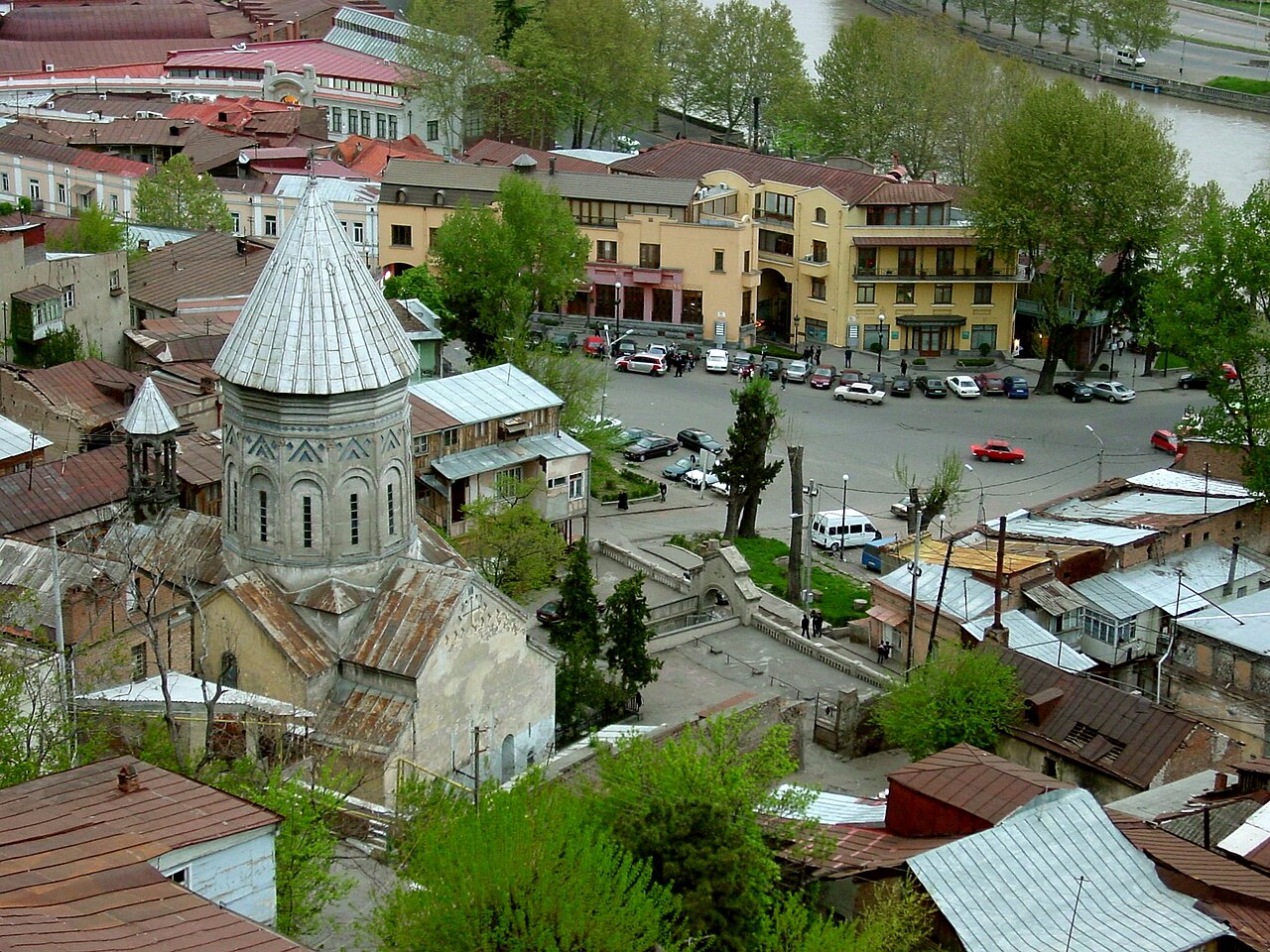
The museum is within the Karvasla complex in Tbilisi. Use the mapped point to guide the final approach through the historic urban fabric, where streets may feel more intimate than the city's broad modern avenues. It suits a walking sequence through central cultural sights, with a vehicle drop-off useful when your accommodation is farther away. Allow time to identify the entrance within the historic complex rather than treating the location as a standalone modern building.
Checked 2026-08-26 · Source
The visit is strongest when you read the archaeological material, vessels, and cellar traditions as parts of one story. Historic interiors can include changes in light, surfaces, and room proportions, so move at a measured pace and watch your footing. Qvevri and other vessels are useful for understanding technique, not merely for taking decorative photographs. Keep the museum distinct from a modern tasting venue: its central purpose is interpretation of Georgian wine heritage.
Checked 2026-08-26 · Source
The museum offers strong visual subjects in the form of traditional vessels, archaeological material, cellar-related displays, and the historic Karvasla environment. Photograph the scale and texture of the objects where permitted, and include architectural details that show the relationship between museum and complex. Low-light interiors may favor steady hand-held compositions and close details. Keep the route clear for other visitors, and treat ancient or fragile objects as subjects for careful observation rather than staged props.
Checked 2026-08-26 · Source
It is located within the historic Karvasla complex in Tbilisi, Georgia.
It explains Georgian wine culture through archaeology, traditional vessels, and cellar traditions.
Qvevri are large clay vessels associated with Georgian wine fermentation and storage, and they form part of the museum's vessel-centered story.
Yes. The museum occupies the historic Karvasla complex, adding architectural context to its wine displays.
It suits travelers interested in Georgian history, archaeology, traditional vessels, cellar practices, and the cultural background of wine.
Yes. Visit it before or after contemporary food and wine experiences to place Georgian wine culture in historical context.
Loading the interactive map…
The interactive map could not be loaded.
Last updated:
Source: OpenStreetMap contributors ·