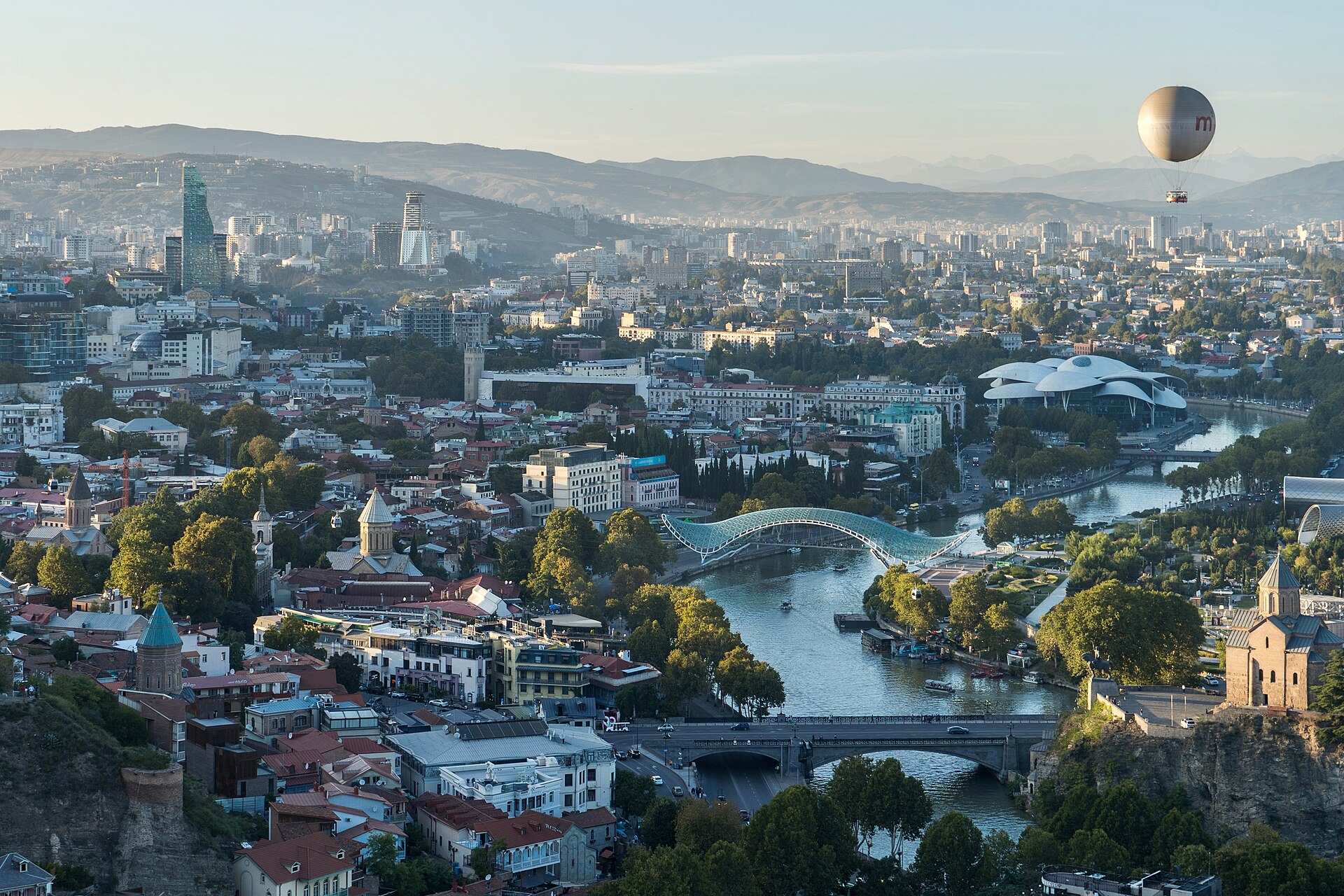
A photograph of Tbilisi

City guide · Georgia

Tbilisi

Tbilisi spreads along the Mtkvari River, with Old Tbilisi, the sulfur baths and Narikala concentrated around the historic core. Rustaveli Avenue forms the main...

Photograph · Alexey Komarov · CC BY-SA 4.0

3,657 Places
Suggested stay
Not recorded
Getting around
Walk, metro, bus and cable transport

Turn this list into a plan

Set your days, your pace and the hours you actually want to be out. The planner works around closing days and travel time, and leaves room to eat.

Plan Tbilisi

Reviewed by Elena Voss · Roavina Travel Editor

Tbilisi spreads along the Mtkvari River, with Old Tbilisi, the sulfur baths and Narikala concentrated around the historic core. Rustaveli Avenue forms the main museum and theatre axis, while the left bank adds Marjanishvili and riverside districts. The city rises sharply on both sides of the river, so plan adjacent sights together and use public transport for hilltop or outer-city stops.

Checked 2026-08-26

Practical information

Language spoken
Georgian
National practical orientation; regional and minority languages may also be used
Dialling code
+995
International calling code; local area and mobile prefixes still apply
Currency
Georgian lari (GEL)
Use the official local currency; card acceptance varies by place
Emergency number
112
Use only for an emergency; tourist assistance may use a separate number
Plug type
Type C and F · 220 V
Check that chargers support the recorded voltage before using an adapter
Tap water
Not recorded
No verified nationwide visitor drinking-water statement was recorded

Planning a visit

September · September in Tbilisi has mean temperature 19.6°C, rainfall 35.6 mm, 5.0 rain days. Comfortable mean temperatures and limited precipitation favour long city walks. September supports a full day of outdoor stops in Tbilisi.

  1. January: viable with meaningful trade-offs
  2. February: viable with meaningful trade-offs
  3. March: good time to visit
  4. April: good time to visit
  5. May: best time to visit
  6. June: best time to visit
  7. July: good time to visit
  8. August: good time to visit
  9. September: best time to visit — current month
  10. October: good time to visit
  11. November: viable with meaningful trade-offs
  12. December: viable with meaningful trade-offs

Sources

Top things to see

Ranked by importance — sitelinks, pageviews and heritage status, not editor preference.

  1. National Gallery of Georgia National Gallery of Georgia
    02 1 hr 30 min

    National Gallery of Georgia

    ცისფერი გალერეა

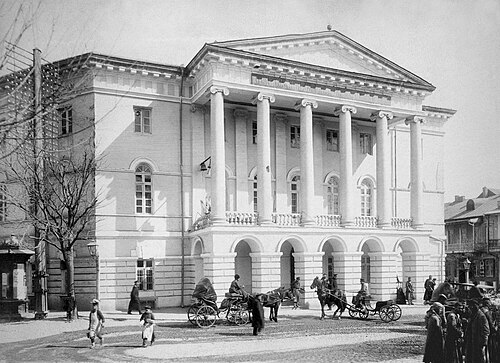
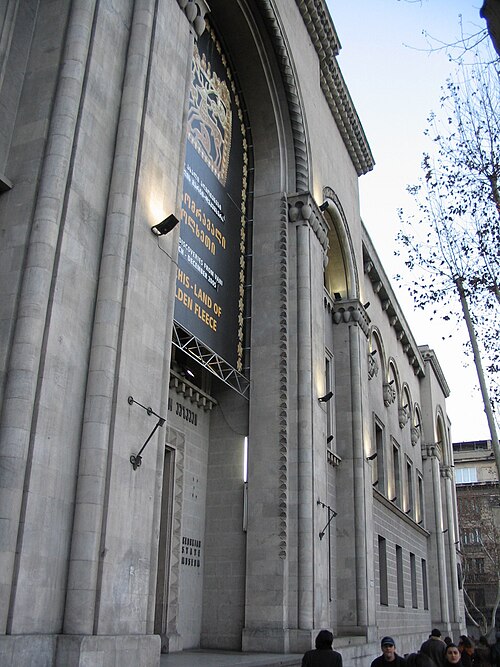
    The Dimitri Shevardnadze National Gallery is a major art museum on Rustaveli Avenue in central Tbilisi. It operates within the Georgian National Museum system and carries the name of Dimitri Shevardnadze, an important figure in Georgian cultural history.

    • Must see
    • Museum
  2. Art Museum of Georgia Art Museum of Georgia
    03 1 hr 30 min

    Art Museum of Georgia

    შალვა ამირანაშვილის სახელობის საქართველოს ხელოვნების სახელმწიფო მუზეუმი

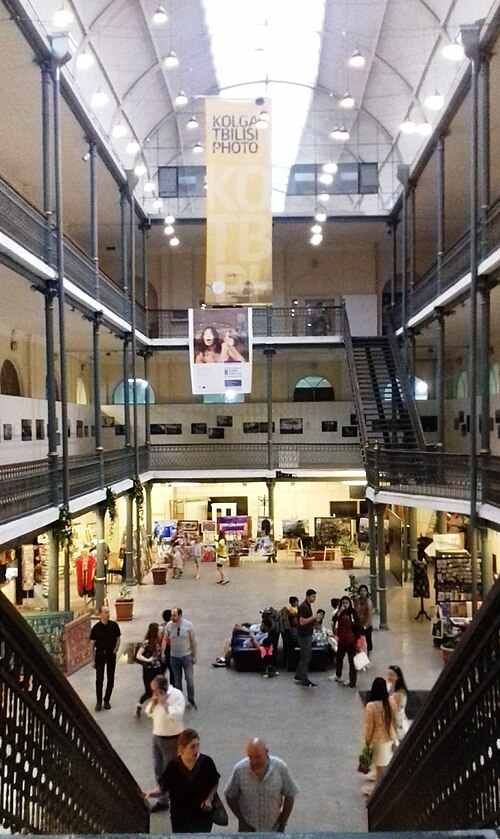
    The Art Museum of Georgia, also known as the Shalva Amiranashvili Museum of Fine Arts, is one of Tbilisi's principal institutions for Georgian artistic heritage.

    • Must see
    • Museum
  3. Open Air Museum of Ethnography Open Air Museum of Ethnography
    04 1 hr 30 min

    Open Air Museum of Ethnography

    სახელმწიფო ეთნოგრაფიული მუზეუმი

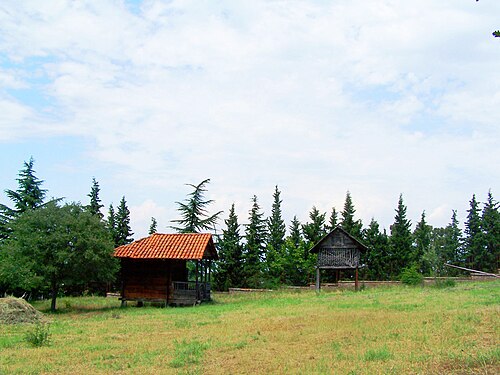
    The Open Air Museum of Ethnography, named after Giorgi Chitaia, presents Georgian vernacular architecture and rural lifeways on a hillside in Tbilisi. Historic buildings relocated from different regions of Georgia show how local materials, climate and traditions shaped domestic spaces.

    • Must see
    • Museum
  4. Tbilisi History Museum Tbilisi History Museum
    05 1 hr 30 min

    Tbilisi History Museum

    თბილისის ისტორიულ-ეთნოგრაფიული მუზეუმი

    Tbilisi History Museum occupies a restored caravanserai, the kind of roadside inn that once served merchants and travellers.

    • Must see
    • Museum
  5. Museum of Soviet Occupation Museum of Soviet Occupation
    06 1 hr 30 min

    Museum of Soviet Occupation

    საბჭოთა ოკუპაციის მუზეუმი

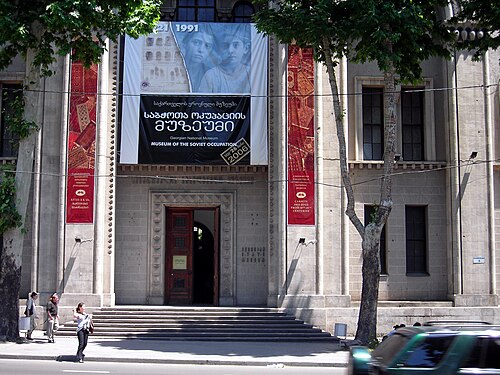
    The Museum of Soviet Occupation is a focused exhibition inside the Museum of Georgia in central Tbilisi. It examines Georgia's experience under Soviet rule, including political repression, resistance, and the restoration of independence.

    • Must see
    • Museum

Source: OpenStreetMap contributors, Wikidata ·

How the city is laid out

Old Tbilisi occupies the compact area below Narikala, including Abanotubani, Metekhi and streets near Freedom Square. Rustaveli Avenue runs northwest through the modern centre. Across the river, Aghmashenebeli Avenue and Marjanishvili create a second walkable cluster. Mtatsminda, the Chronicle of Georgia and the open-air ethnography museum require separate uphill journeys rather than being folded into an old-town walk.

Checked 2026-08-26

Getting around

Walk within Old Tbilisi and the Rustaveli corridor, then use metro, bus or cable transport for longer links and steep approaches. The official Georgia Travel guide identifies Old Tbilisi as a compact two-square-kilometre core, but the wider visitor map extends well beyond it. Group river crossings and hillside attractions carefully because short map distances can conceal substantial elevation changes.

Checked 2026-08-26

Common questions

How many days should I spend in Tbilisi?

A fixed official stay length is not recorded. Build the visit around Old Tbilisi and Rustaveli first, then add hilltop viewpoints, museums or outer districts according to available time.

What is the best time to visit Tbilisi?

No single official best-month range is recorded. Check current weather and event information, then plan the steepest outdoor routes for comfortable conditions.

Is central Tbilisi walkable?

Yes. Old Tbilisi and the Rustaveli corridor are practical walking zones, although slopes and river crossings make public transport useful between separate clusters.

Which area should I explore first in Tbilisi?

Start with Old Tbilisi around Abanotubani, Metekhi and the streets below Narikala. It contains the city’s densest group of historic visitor sights.

Should hilltop attractions be grouped together?

Plan them as separate transport-assisted blocks. Mtatsminda, the Chronicle of Georgia and other elevated sites are not efficient additions to a continuous old-town walking route.