
2 min walk
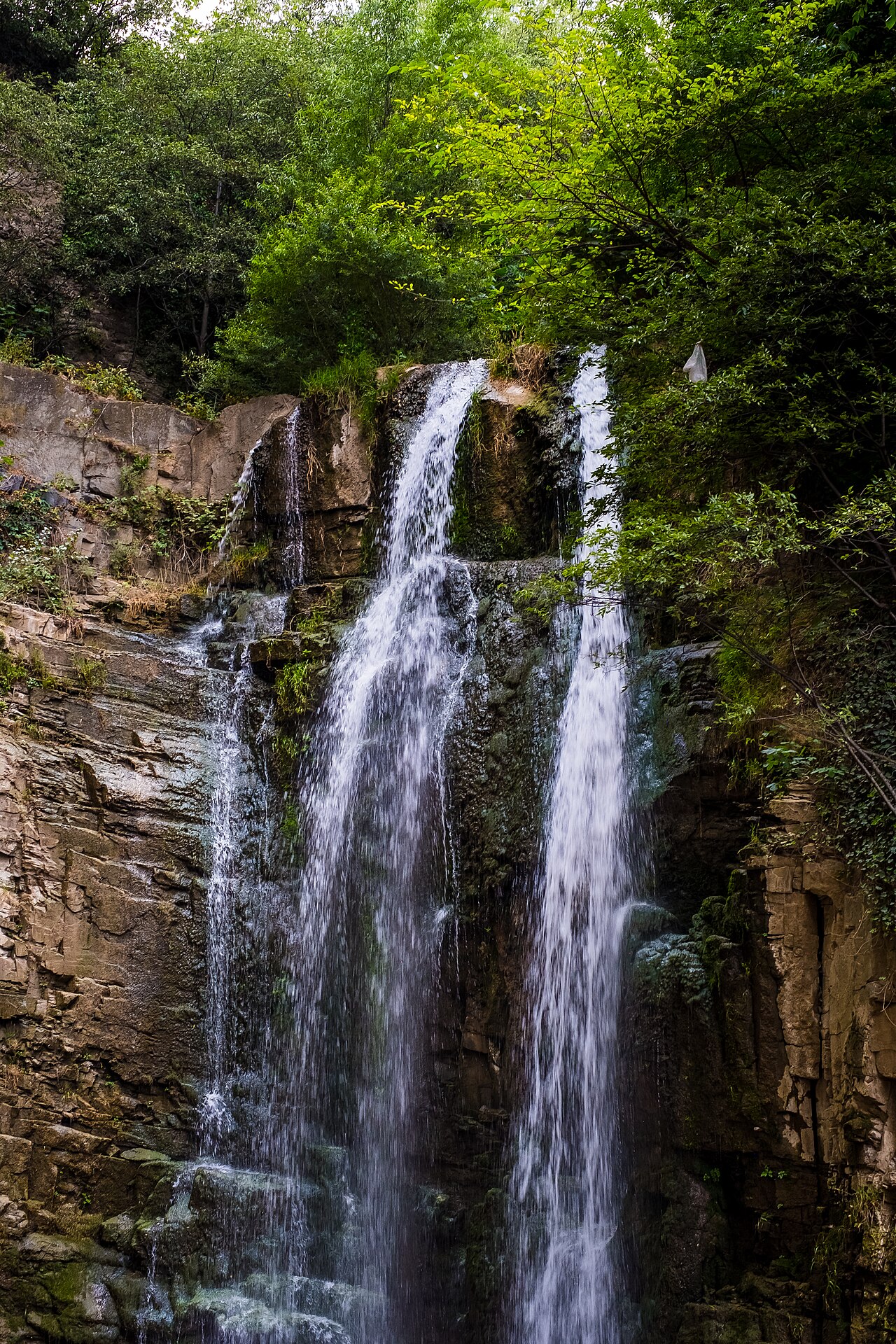
Leghvtakhevi Waterfall
- Must see
- Nature site
Language · 11 published
Historic monument · Tbilisi
ჯუმა მეჩეთი
Reviewed by Elena Voss · Roavina Travel Editor
Read from the OpenStreetMap access tags; anything not listed has no tag recorded.
Set the group type to family in the planner and the day window contracts to about three quarters of a solo day.
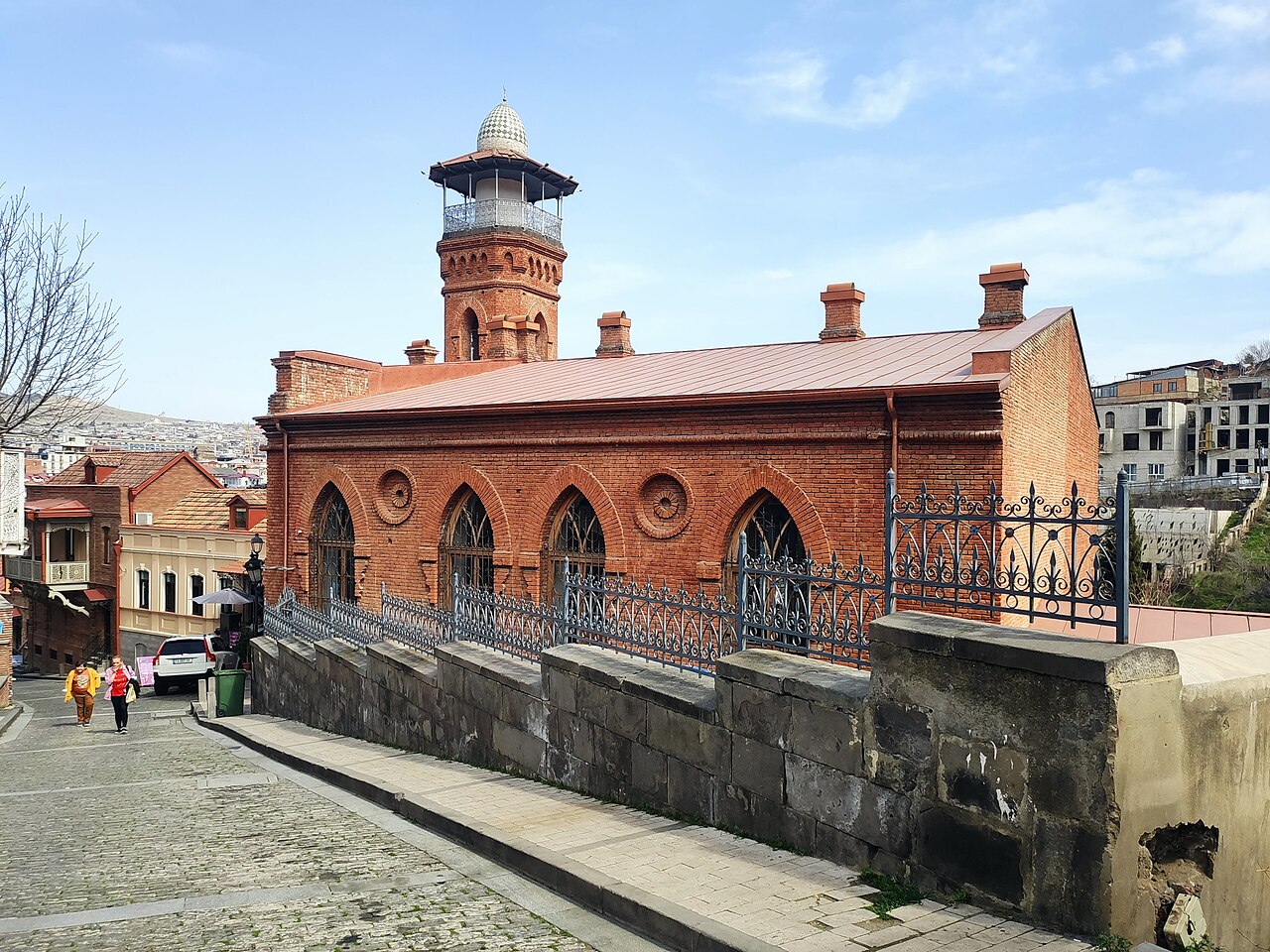
This place is a Attraction. It was established in 1723. It was built in the Gothic Revival style. It carries the Cultural heritage in Georgia heritage designation.
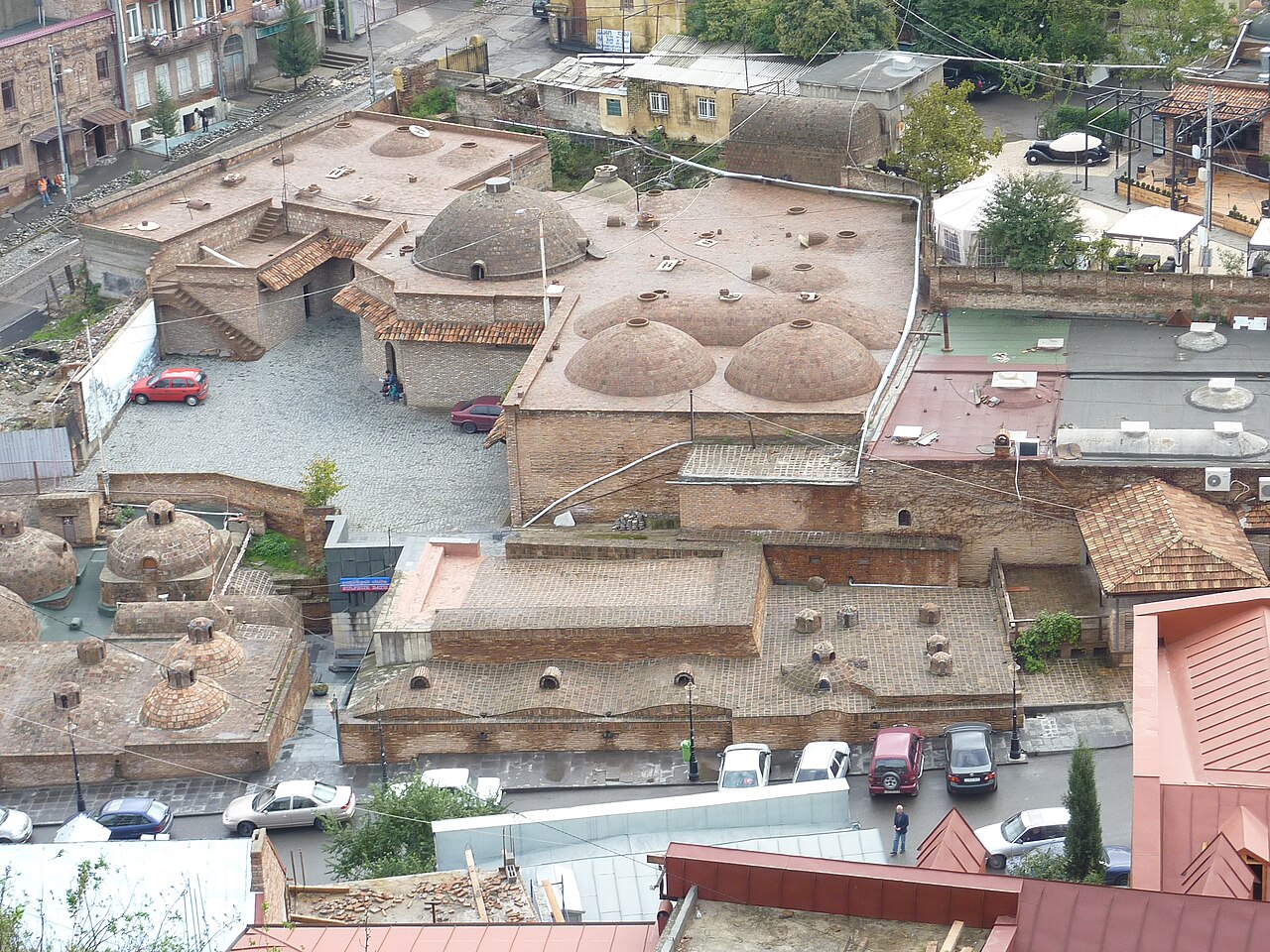
Juma Mosque is Tbilisi’s sole surviving mosque and an active place of worship in the old town. The mosque stands beside the bath district and the botanical-garden gorge, placing Islamic religious heritage within a predominantly Orthodox Christian city. The building is a compact but important landmark for understanding Tbilisi’s multicultural history and layered urban identity. Its setting makes the mosque part of a walk through one of the capital’s most historically concentrated areas. Juma Mosque is Tbilisi's sole surviving mosque, standing as a significant expression of the old town's religious diversity. Located beside the bath district and botanical-garden gorge, it represents the historical coexistence of faiths in Georgia's capital. The mosque serves as an active place of worship and a landmark reflecting the city's multicultural heritage. Its survival through periods of change makes it particularly notable for understanding Tbilisi's layered identity. Visitors encounter a site where Islamic architectural presence persists within a predominantly Orthodox Christian urban landscape. The mosque functions as an active religious site. Respectful exterior observation is generally possible.
Checked 2026-08-26 · Source
Juma Mosque is valued for its continuing religious role and its visible place in Tbilisi’s old-town landscape. Visitors encounter a functioning mosque rather than a museum arranged for sightseeing. The surrounding bath district and botanical-garden gorge help explain the mosque’s setting and historical importance. The experience is therefore strongest when the building is viewed as part of the neighbourhood’s religious and architectural character, with quiet observation taking priority over a checklist of interior details. Visitors should approach with respectful observation appropriate to any functioning religious site. The mosque's significance derives partly from its exterior presence and historical role rather than documented interior features. As an active place of worship, access to internal spaces may vary according to religious practice and community discretion.
Checked 2026-08-26 · Source
Allow around fifteen to thirty minutes for Juma Mosque as part of an old-town walk. That time suits exterior observation and a calm appreciation of the mosque’s position beside the bath district and botanical-garden gorge. A longer stop can fit naturally if interior access is available and the religious setting permits it. The mosque works well as one element in a walking route rather than as a stand-alone attraction requiring a full morning or afternoon.
Checked 2026-08-26 · Source
Daylight is the useful time for seeing Juma Mosque from the old-town streets and for understanding its relationship with the bath district and botanical-garden gorge. Spring and autumn bring comfortable conditions for walking through this historic area. Summer heat and winter cold can change how long you want to remain outdoors. Because Juma Mosque is an active place of worship, prayer and religious observance take precedence over sightseeing and may affect the atmosphere or visitor access.
Checked 2026-08-26 · Source
Juma Mosque is primarily a place of worship, not a ticketed museum attraction. The visit should be approached as respectful observation of a religious landmark, with no sightseeing transaction forming the centre of the experience. If a voluntary contribution is welcomed by the community, it should remain voluntary and discreet. Keep the focus on the mosque’s religious function and its historical setting beside Tbilisi’s bath district.
Checked 2026-08-26 · Source
Juma Mosque is in Tbilisi’s old town beside the bath district and the botanical-garden gorge. Reach it as part of a walk through Abanotubani and the surrounding historic streets. The final approach runs through a riverside gorge setting with uneven surfaces and changes in level, so shoes suited to walking are useful. The mosque’s proximity to the National Botanical Garden entrance provides a clear landmark when planning a route through this part of the city.
Checked 2026-08-26 · Source
Juma Mosque remains an active religious site, so dress and behaviour should be modest and quiet. Cover shoulders and legs, keep conversation subdued, and give worshippers priority. Prayer periods can change what areas are appropriate for visitors. Old-town streets around the mosque have uneven surfaces and variable lighting, while the botanical-garden gorge includes steeper terrain. Watch where you step and avoid turning a religious service into a sightseeing scene.
Checked 2026-08-26 · Source
Exterior photographs of Juma Mosque can include the narrow old-town streets, the bath district and the botanical-garden gorge to show the landmark in context. Keep equipment discreet and avoid obstructing passage. Do not photograph worshippers without clear consent. Interior photography requires particular restraint in an active mosque; follow any visible direction and community guidance, and put the camera away during prayer or other religious activity.
Checked 2026-08-26 · Source
Juma Mosque is an active mosque and Tbilisi’s sole surviving mosque, located beside the old town’s bath district and botanical-garden gorge.
Allow around fifteen to thirty minutes for exterior observation and a calm stop within a wider old-town walking route.
Wear modest clothing covering the shoulders and legs, and behave quietly because Juma Mosque remains an active place of worship.
Juma Mosque stands beside the bath district and botanical-garden gorge, and it can be included in a walk toward the National Botanical Garden entrance.
The old-town approach includes uneven streets, variable lighting and steeper terrain near the botanical-garden gorge, making suitable walking shoes useful.
Exterior photography can show the mosque within the old town, but worshippers should not be photographed without consent and interior photography requires restraint.
Loading the interactive map…
The interactive map could not be loaded.
Last updated:
Source: OpenStreetMap contributors, Wikidata ·