2 min walk
Narikala
- Must see · Heritage site
- Historic monument
Language · 11 published
Nature site · Tbilisi
ლეღვთახევის ჩანჩქერი
Reviewed by Elena Voss · Roavina Travel Editor
| Monday | 00:00 – 23:59 |
|---|---|
| Tuesday | 00:00 – 23:59 |
| Wednesday | 00:00 – 23:59 |
| Thursday | 00:00 – 23:59 |
| Friday | 00:00 – 23:59 |
| Saturday | 00:00 – 23:59 |
| Sunday | 00:00 – 23:59 |
Checked 2026-08-31 · Source
Read from the OpenStreetMap access tags; anything not listed has no tag recorded.
Set the group type to family in the planner and the day window contracts to about three quarters of a solo day.
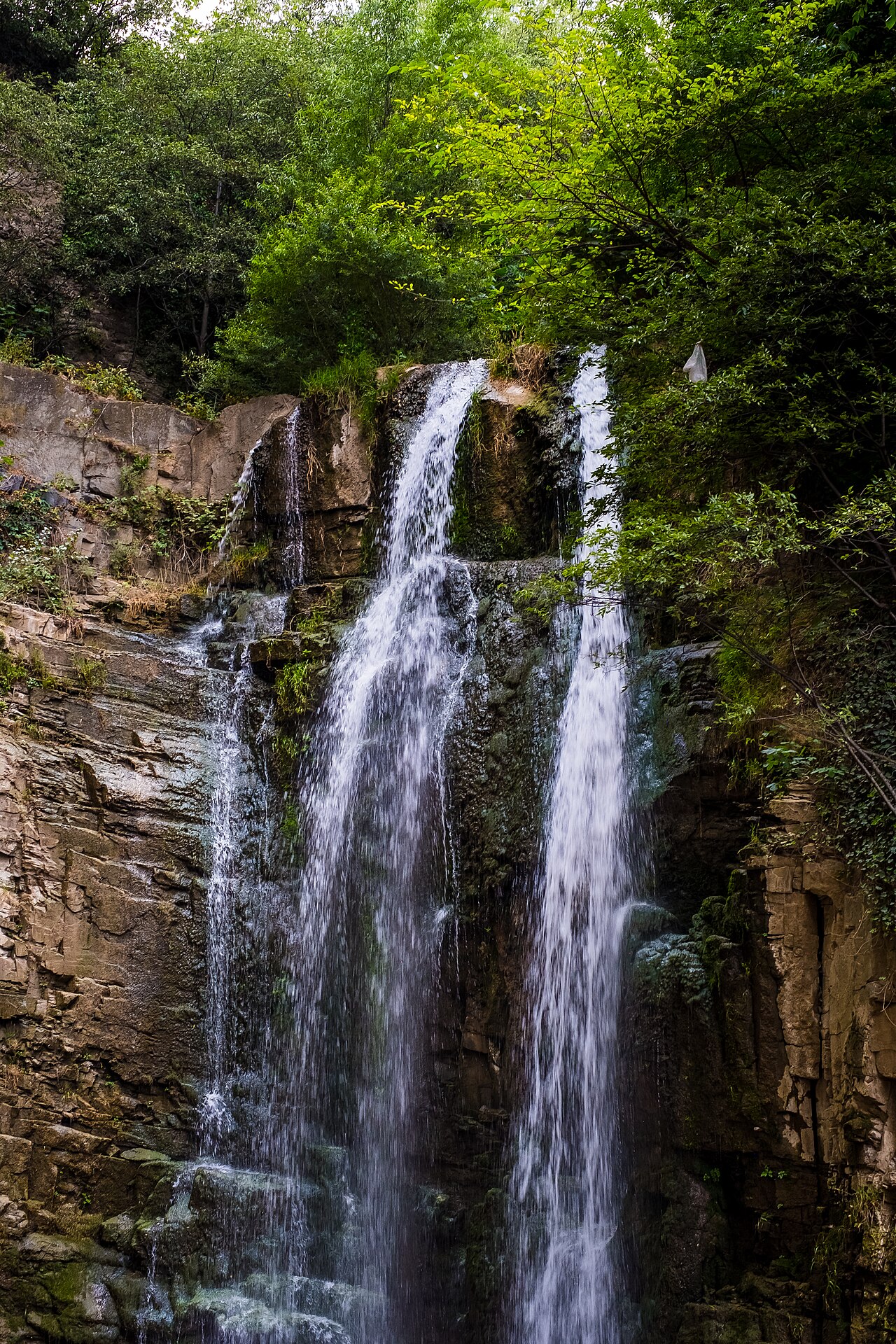
Leghvtakhevi Gorge and Waterfall is a compact natural landmark in Tbilisi’s historic Abanotubani district. The gorge takes its name from Georgian words connected with figs and ravines, recalling vegetation associated with the area. A narrow rocky channel carries water through the old city before dropping as a small waterfall. Its setting is the main attraction: steep natural walls and greenery sit beside the dense streets and sulfur-bath quarter. This makes the gorge an easy nature break during a walk through Tbilisi’s historic centre. Leghvtakhevi Gorge and Waterfall is a natural landmark in Tbilisi's historic Abanotubani district. The name derives from Georgian words for fig and gorge, referencing the vegetation once found here.
Checked 2026-08-26 · Source
The visit centres on the waterfall, the rocky ravine and the path following the watercourse. Vegetation grows along the gorge walls, giving the narrow space a cooler and greener character than the surrounding streets. Wooden walkways and small bridges lead visitors into the ravine, while the sulfur-bath buildings frame the approach near the entrance. The site is small rather than park-like, so the experience is focused on seeing the cascade, walking a short distance beside the water and noticing the contrast between Tbilisi’s urban fabric and this secluded channel.
Checked 2026-08-26 · Source
Allow around fifteen to thirty minutes for the gorge itself. The waterfall is close to the street-level entrance, and the compact path does not require a full-day visit. Add more time if you want to photograph the cascade, pause on the bridges or combine the gorge with the sulfur baths, Narikala Fortress, Meidan and the old-town lanes. Treat it as a short, worthwhile stop within a longer walking route. The narrow setting rewards a slower look at the rock, water and vegetation rather than hurried passage.
Checked 2026-08-26 · Source
Daylight is the most practical time for entering the gorge because the ravine is narrow and naturally shaded. Spring and autumn offer comfortable conditions for walking through the old town, while summer can feel cooler inside the gorge than on the surrounding streets. Water volume can vary with weather, and winter may bring cold, wet or icy surfaces. Early morning and evening are useful choices for a quieter atmosphere, especially when the Abanotubani area is busy. The gorge’s limited direct sunlight also gives it a distinct mood throughout the day.
Checked 2026-08-26 · Source
The gorge is integrated into Tbilisi’s public historic landscape, with the waterfall reached from the surrounding streets rather than through a formal attraction building. Plan the gorge as a walk-through urban nature stop. The nearby sulfur baths are separate businesses and have their own prices and arrangements, so visiting the gorge does not make those services part of the same experience. The surrounding Abanotubani streets, views and exterior architecture can be combined freely with the waterfall as part of an old-town walk.
Checked 2026-08-26 · Source
Reach Leghvtakhevi Gorge through Tbilisi’s Abanotubani sulfur-bath quarter, below the area of the botanical garden and Narikala Fortress. The site fits naturally into an old-town walking route from Meidan or the surrounding historic streets. Avlabari and Liberty Square are useful metro reference points for reaching the broader central area before continuing on foot. Taxis and rideshares can bring you close to Abanotubani, but the final approach is pedestrian. Expect slopes, narrow streets and uneven historic surfaces around the gorge entrance.
Checked 2026-08-26 · Source
Water spray, moss and damp rock can make the gorge’s walkways slippery. Wear shoes with reliable traction and keep your pace controlled near the cascade and along wet wooden sections. The ravine is narrow, so crowds can make bridges and passing points feel confined during busy periods. Natural edges and drops require attention, particularly when travelling with children. Light falls quickly inside the stone walls, and the terrain is not suited to fast movement. Stay on the walking route and give other visitors room in the tightest sections.
Checked 2026-08-26 · Source
The gorge offers intimate photographs rather than broad landscapes. Use the narrow walls, bridges and surrounding greenery to frame the waterfall, and include the bath-quarter buildings when you want to show its urban setting. Shade creates strong contrast near the cascade, while brighter openings can produce highlights on the water. A wide lens helps in the confined space, but step back where possible to avoid exaggerated verticals. Protect the lens from spray, and avoid blocking the path while waiting for a clear composition or a quieter moment.
Checked 2026-08-26 · Source
The main attraction is a small waterfall flowing through a narrow rocky gorge in Tbilisi’s Abanotubani district. The surrounding greenery and bridges create a brief natural retreat beside the sulfur-bath quarter.
Allow about fifteen to thirty minutes for the gorge and waterfall. You can stay longer for photography or combine the stop with Narikala Fortress, the sulfur baths, Meidan and nearby old-town streets.
It is in Tbilisi’s historic Abanotubani district, close to the sulfur baths and below the botanical garden and Narikala Fortress. The final approach is on foot through the old town.
Children can enjoy the short waterfall walk, but adults should supervise closely because the route includes wet surfaces, narrow passages, uneven ground and natural edges near the water.
Wear shoes with good traction because spray, moss and damp rock can make sections of the walking route slippery. Comfortable clothing is useful for the slopes and uneven surfaces around Abanotubani.
The gorge works well within an old-town route that includes the sulfur-bath quarter, Meidan, Narikala Fortress and the botanical-garden area. These nearby places turn the short waterfall visit into a broader walking excursion.
Loading the interactive map…
The interactive map could not be loaded.
Last updated:
Source: OpenStreetMap contributors ·