.jpg)

12 min walk
Nikoloz Tavartkiladze
- High
- Historic monument
Language · 11 published
Nature site · Tbilisi
კუს ტბა
Reviewed by Elena Voss · Roavina Travel Editor
| Monday | 00:00 – 23:59 |
|---|---|
| Tuesday | 00:00 – 23:59 |
| Wednesday | 00:00 – 23:59 |
| Thursday | 00:00 – 23:59 |
| Friday | 00:00 – 23:59 |
| Saturday | 00:00 – 23:59 |
| Sunday | 00:00 – 23:59 |
Checked 2026-08-31 · Source
Read from the OpenStreetMap access tags; anything not listed has no tag recorded.
Set the group type to family in the planner and the day window contracts to about three quarters of a solo day.
This place is a Body of water.
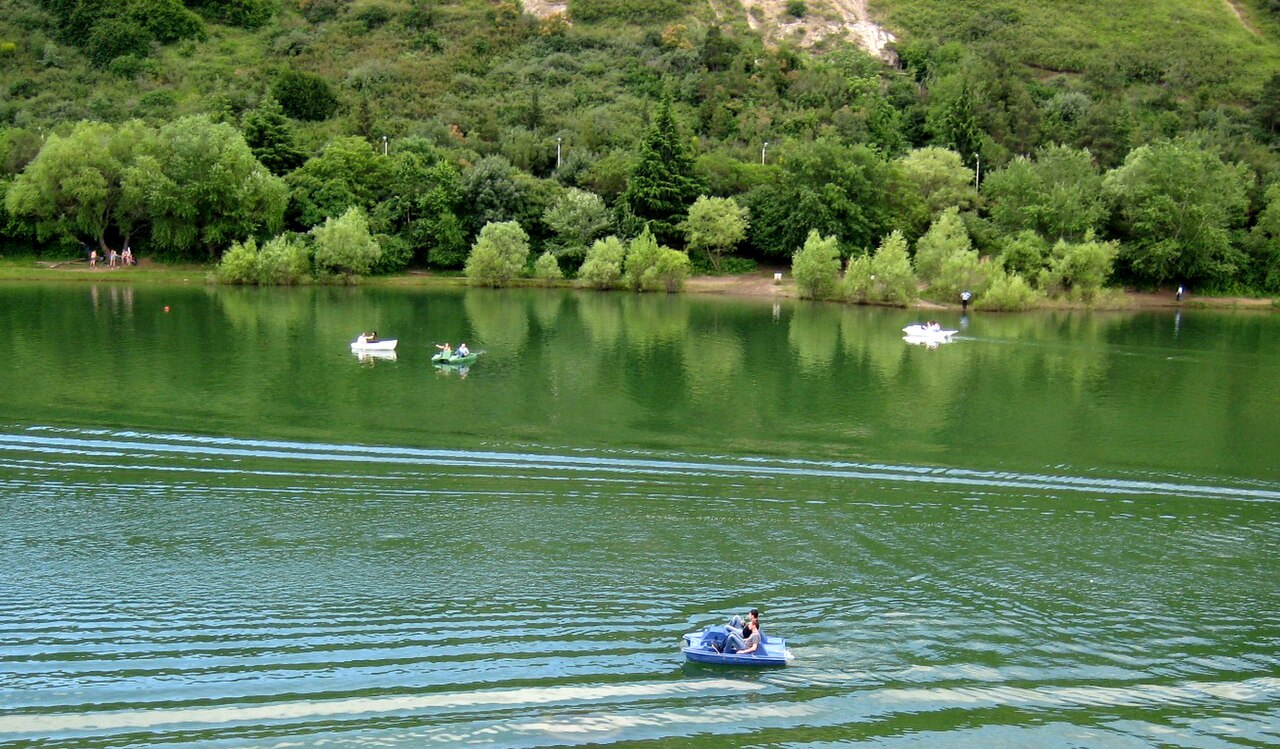
Turtle Lake, or Kus Tba, is a lakeside recreation spot on the wooded hillside above Tbilisi’s Vake district. Its appeal is immediate: water, trees, open air and a break from the city’s dense streets. The lake also works well as part of a Vake outing because the Georgian National Museum of Ethnography is nearby. Come for an unhurried outdoor stop, a walk beside the water or a quiet view over the district. Turtle Lake, known locally as Kus Tba, is a recreational lake situated on a wooded hillside above the Vake district of Tbilisi, Georgia. The area serves as one of the city's most accessible and popular outdoor recreation destinations. The lake's setting among forested terrain provides a natural escape from urban density. Its proximity to the Georgian National Museum of Ethnography creates a natural pairing for visitors seeking combined cultural and outdoor experiences. The location has established itself as a significant leisure destination within Tbilisi's recreational landscape. Visitors should observe any posted regulations and use cautious judgement regarding water activities.
Checked 2026-08-26 · Source
The lake is the central feature, surrounded by established woodland, hillside vegetation and waterside space for relaxing. Paths and informal gathering areas shape the visit rather than a sequence of indoor exhibits. From the elevated setting, openings among the trees can give views across Vake. The nearby ethnography museum adds a cultural dimension to the same excursion, making it possible to combine a natural setting with Georgian traditional life and material culture in one part of Tbilisi. The lake area features natural woodland surroundings and waterside space for visitor recreation. The hillside terrain provides elevated views over the Vake district below.
Checked 2026-08-26 · Source
Allow about one to two hours for a relaxed Turtle Lake visit, including time to walk, sit by the water and enjoy the wooded surroundings. The hillside setting rewards a slower pace, while a short stop is enough if you are passing through Vake. Add separate time for the Georgian National Museum of Ethnography if you plan to visit both places. The open recreational layout lets you choose your own route and stopping points.
Checked 2026-08-26 · Source
Choose a season and time of day that suit outdoor hillside walking. Summer provides dependable conditions for sitting beside the lake and spending longer outside, although the setting can be busier. Spring and autumn bring a gentler atmosphere for walking among the trees. Winter is better suited to a shorter visit when temperatures or wet ground make lingering less comfortable. Daylight is useful for the wooded approach, the shoreline and views toward Vake.
Checked 2026-08-26 · Source
Turtle Lake is a public recreational area, so the lake itself is a suitable choice for an outdoor stop without planning around a ticketed attraction. Keep your spending plan focused on getting up the hillside and on anything you choose to buy during the outing. If you add the Georgian National Museum of Ethnography, treat that museum as a separate destination with its own arrangements. The lake visit itself is best approached as simple public recreation.
Checked 2026-08-26 · Source
Turtle Lake sits above Vake, so reaching it from central Tbilisi means travelling uphill. A taxi or private car can take you toward the lake, while public transport serves the broader Vake area and may leave an uphill walk for the final approach. Plan the return as carefully as the outward journey. The nearby ethnography museum is a useful orientation point when combining the two destinations, but the hillside setting remains part of the route.
Checked 2026-08-26 · Source
Wear shoes suited to uneven or damp hillside ground, especially after rain. The slope and woodland can make walking more demanding than the lakeside setting first suggests. Stay attentive near the water and keep children close to you around the shoreline. Bring layers for changing outdoor conditions and enough drinking water for the time you intend to spend away from developed points. In quieter wooded areas, retain ordinary city awareness and keep your belongings with you.
Checked 2026-08-26 · Source
Turtle Lake gives photographers three strong subjects: the water, the surrounding woodland and the elevated outlook toward Vake. Look for reflections on calm sections of the lake and use the trees as a natural frame. Morning or late-day light can add texture to the hillside, while seasonal changes alter the balance of green, bare branches and open views. Photograph other visitors respectfully, and protect equipment from damp ground and sudden weather during the walk.
Checked 2026-08-26 · Source
Turtle Lake is on a wooded hillside above Tbilisi’s Vake district, with the Georgian National Museum of Ethnography nearby.
You can walk beside the lake, sit in the wooded surroundings and enjoy the elevated setting above Vake. The nearby ethnography museum can extend the outing with a cultural visit.
Plan around one to two hours for walking, sitting by the water and enjoying the hillside setting. Allow additional time if you also visit the nearby Georgian National Museum of Ethnography.
Yes. The Georgian National Museum of Ethnography is nearby, so the lake and museum form a natural outdoor-and-cultural pairing in the Vake area.
Yes. Turtle Lake is a wooded hillside recreation area centred on a lake, with waterside space and paths for an outdoor visit.
Wear comfortable shoes suitable for hillside paths and bring layers for outdoor conditions. Extra care is useful when the ground is wet or uneven.
Loading the interactive map…
The interactive map could not be loaded.
Last updated:
Source: OpenStreetMap contributors, Wikidata ·