

3 min walk
Schlossbrücke
- Must see · Heritage site
- Historic monument
Language · 11 published
Historic monument · Berlin
Reviewed by Elena Voss · Roavina Travel Editor
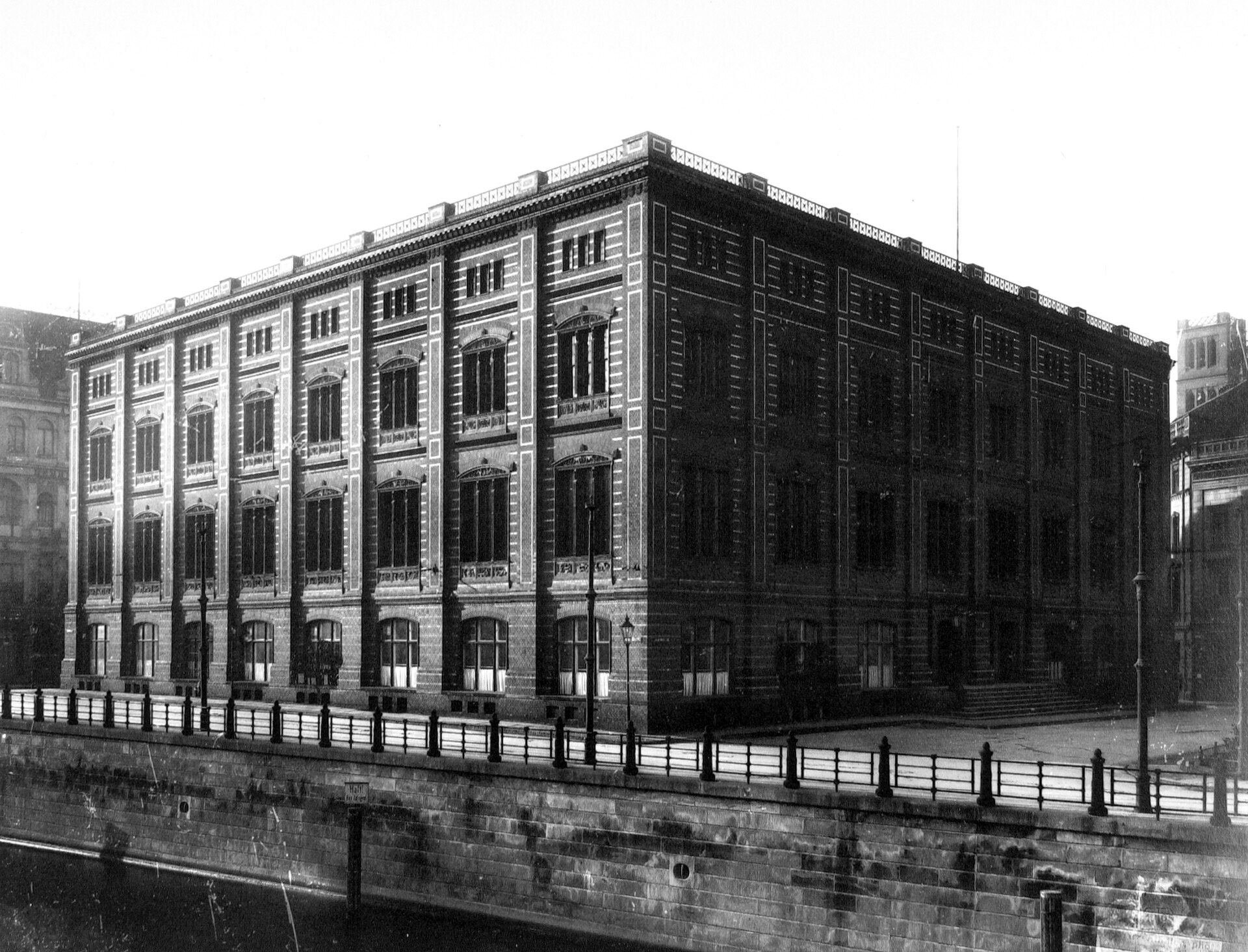
It was established in 1799. It was built in the eclecticism style. It was designed by Karl Friedrich Schinkel.
Bauakademie is a historic Berlin site associated with architectural education and Prussian building administration. The original nineteenth-century building became an important institution for architects and engineers, but it was badly damaged during the Second World War and later demolished. Today, the location connects architectural history with the question of how a lost building should be remembered or reconstructed. It is best understood as a heritage and urban-history stop, especially when visited alongside the central cultural landmarks around Museum Island and Friedrichswerder. The Bauakademie is a historic building in Berlin associated with architectural education and Prussian building administration. Originally constructed in the 19th century, it served as an influential institution for training architects and engineers. The building was severely damaged during World War II and subsequently demolished. Current efforts involve reconstruction or commemoration of this significant site. The structure represented an important chapter in German architectural history and educational development. No. The original structure was severely damaged during World War II and subsequently demolished. Current conditions involve reconstruction efforts or memorial designation rather than preservation of authentic fabric.
Checked 2026-08-26 · Source
The original institution contained drawing halls, lecture rooms, studios, and administrative spaces serving technical education and Prussian building authorities. Those historic interiors are not preserved as an intact visitor sequence. The present significance lies in the story of the institution, the memory of the demolished structure, and the surrounding architectural setting. Travelers should focus on the relationship between education, state building, and urban reconstruction. Any display or reconstruction element encountered on site should be read as part of that continuing history rather than as an untouched nineteenth-century interior.
Checked 2026-08-26 · Source
Allow roughly thirty minutes to one hour for a visit centered on the site and its architectural context. The shorter option suits travelers making a brief heritage stop between central Berlin landmarks. Visitors who enjoy architectural history can spend longer examining the setting, historical information, and the relationship with nearby Friedrichswerdersche Kirche and Museum Island. Because the original building no longer stands as an intact interior attraction, the experience depends more on reflection and context than on a long sequence of rooms or exhibits.
Checked 2026-08-26 · Source
Bauakademie is suited to a year-round central Berlin walking route because its interest comes from architectural history and urban memory rather than seasonal planting. In colder or wet weather, the outdoor setting makes a shorter stop more comfortable; in mild weather, combine it with the surrounding historic streets. The site's reconstruction history means the visitor experience can change as work progresses. Build it into a flexible Mitte itinerary with nearby cultural destinations, leaving enough room for the character of the location to guide the pace.
Checked 2026-08-26 · Source
Bauakademie is a heritage site connected with a demolished historic building and reconstruction efforts. Its exterior urban setting makes it suitable for inclusion in a walking itinerary without treating it like a large museum visit. The main value is the architectural and historical context, especially when paired with nearby landmarks. Keep the stop proportionate to that role: it is a focused place of memory rather than a full-day attraction.
Checked 2026-08-26 · Source
The site is in central Berlin near Friedrichswerder and Schlossplatz, within walking reach of Museum Island and other Mitte landmarks. Public transport serves the wider district, while travelers already sightseeing in the historic center can include Bauakademie on foot. Its central position makes it an efficient link between cultural stops rather than a separate cross-city journey. Approach through the surrounding streets and allow time to notice how the historic site sits within Berlin's changing urban fabric.
Checked 2026-08-26 · Source
Bauakademie is connected with reconstruction and changing site conditions, so visitors may encounter barriers, work areas, or restricted sections. Keep clear of construction equipment and respect safety boundaries. The location may not offer the range of seating, shelter, or visitor facilities found at a major museum. Treat the surrounding streets as part of the experience and do not expect the original building's rooms to survive intact. A brief, attentive visit is more satisfying than arriving with expectations of a fully preserved interior.
Checked 2026-08-26 · Source
The most meaningful photographs at Bauakademie record the relationship between the historic site, its memorial or reconstruction context, and the surrounding Mitte architecture. Use wider compositions to show the urban setting, then look for details that communicate absence, construction, or architectural memory. Exterior photography is the natural focus because the original building was demolished. Keep a respectful distance from work zones and avoid obstructing pedestrians. The site rewards documentary images more than conventional shots of a preserved historic façade.
Checked 2026-08-26 · Source
No. The original building was badly damaged during the Second World War and later demolished; the site is connected with reconstruction and commemoration.
It supported architectural and engineering education and housed functions connected with Prussian state building administration.
The site is in central Berlin near Friedrichswerdersche Kirche and Schlossplatz, within walking distance of Museum Island and other Mitte landmarks.
A focused visit usually takes about thirty minutes to one hour, with extra time useful for travelers interested in architectural history and the surrounding urban setting.
Yes. Its central location makes it easy to pair with Museum Island, Friedrichswerdersche Kirche, Schlossplatz, and other historic Mitte streets.
Focus on the site's reconstruction or memorial context, surrounding Mitte architecture, and documentary views that connect the lost building with Berlin's changing cityscape.
Loading the interactive map…
The interactive map could not be loaded.
Last updated:
Source: OpenStreetMap contributors, Wikidata ·