Reichstag
Reichstagsgebäude
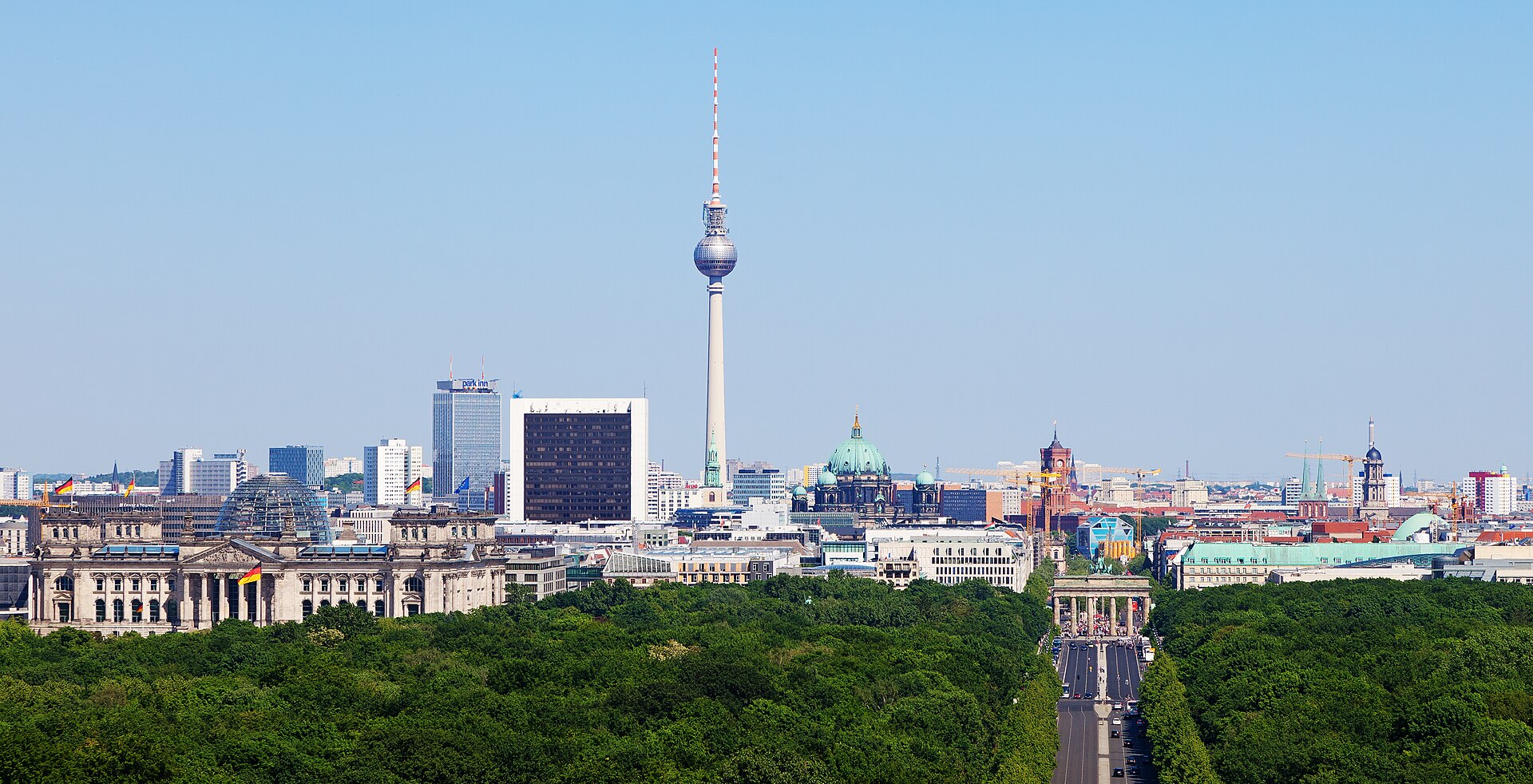
The Reichstag Building stands on Platz der Republik in the Tiergarten district, on the left bank of the Spree, and it is the seat of the Bundestag, the German parliament.
- Must see
- Historic monument
Language · 11 published
City guide · Germany
Berlin is polycentric and much larger than its central monument cluster suggests. Mitte contains Museum Island, the Brandenburg Gate and the government district; Charlottenburg forms a western centre around its palace and shopping streets; Kreuzberg, Friedrichshain and Neukolln extend south and east. Major Cold War sites, parks and museums are dispersed, so a useful itinerary follows districts and rail corridors.
Reviewed by Elena Voss · Roavina Travel Editor
Set your days, your pace and the hours you actually want to be out. The planner works around closing days and travel time, and leaves room to eat.
Ranked by importance — sitelinks, pageviews and heritage status, not editor preference.
28 places match
Category
Typical visit duration
Interests
Reichstagsgebäude
The Reichstag Building stands on Platz der Republik in the Tiergarten district, on the left bank of the Spree, and it is the seat of the Bundestag, the German parliament.
Brandenburger Tor
The Brandenburg Gate is an 18th-century neoclassical monument in Berlin, Germany. Commissioned by King Frederick William II of Prussia, it was completed in 1791 based on designs by Carl Gotthard Langhans.
Berliner Fernsehturm
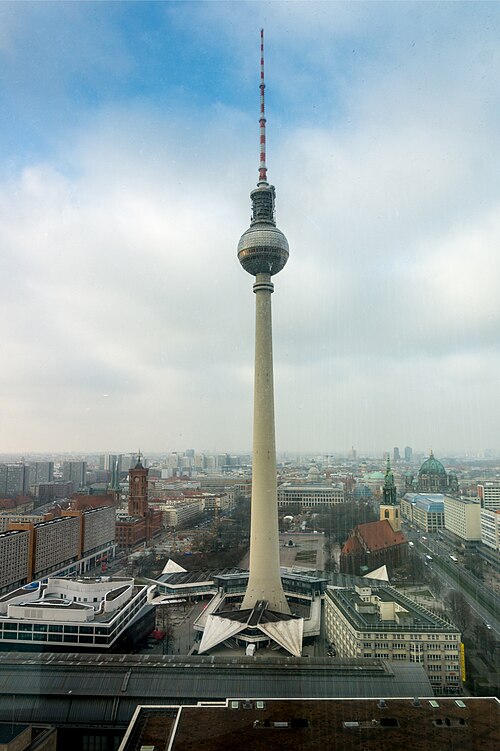
Fernsehturm Berlin is the 368-metre television tower at Alexanderplatz, built in the German Democratic Republic and now used as a city observation attraction. High-speed lifts carry admitted visitors to the observation deck and rotating Sphere restaurant.
Museumsinsel
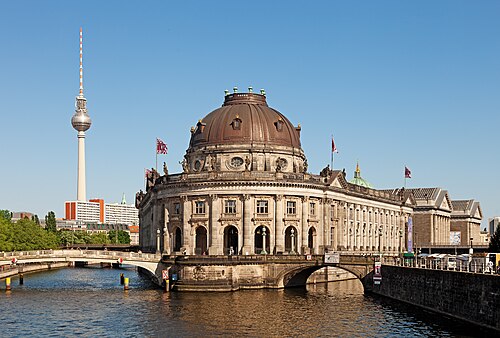
Museum Island is Berlin’s UNESCO-listed ensemble of State Museums between the Spree and Lustgarten. It includes Altes Museum, Neues Museum, Alte Nationalgalerie, Bode-Museum, Pergamonmuseum and the James-Simon-Galerie entrance and service building.
Schloss Charlottenburg
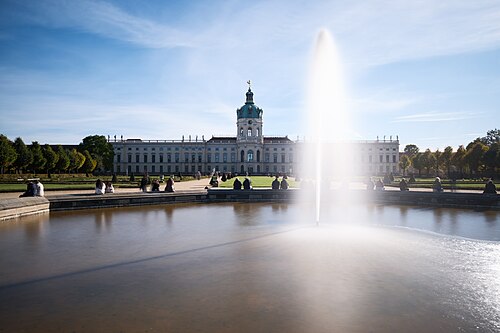
Charlottenburg Palace, known locally as Schloss Charlottenburg, stands as the largest and most significant palace complex in Berlin.
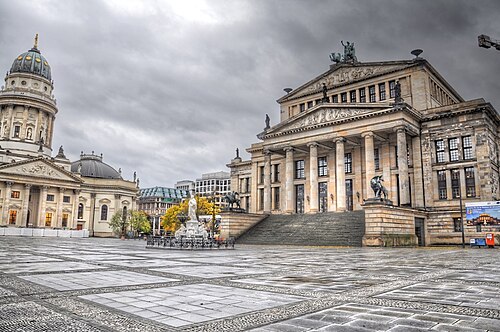
Gendarmenmarkt is a historic public square in the Mitte district of central Berlin. The ensemble comprises the Konzerthaus concert hall flanked by the German Cathedral and the French Cathedral, two nearly identical domed church structures.
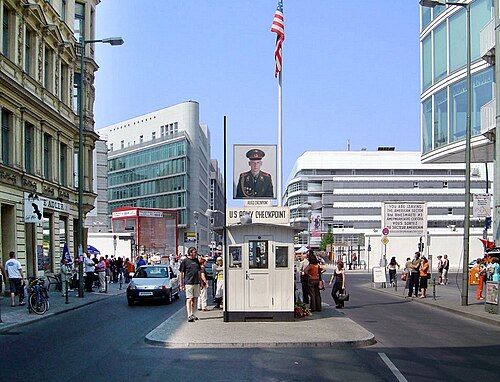
Checkpoint Charlie marks the former Allied crossing on Friedrichstraße between the American and Soviet sectors of divided Berlin.
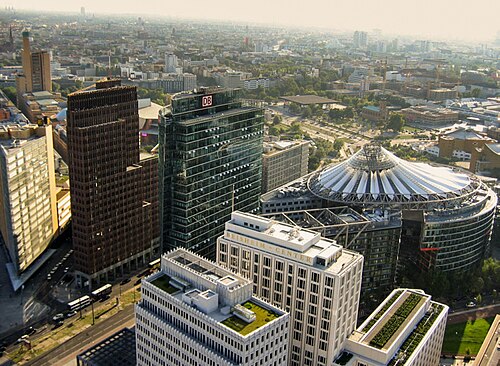
Potsdamer Platz is a major public square and traffic intersection in central Berlin. Historically one of Europe's busiest squares, it was devastated during World War II and left desolate during the Cold War when the Berlin Wall bisected it.
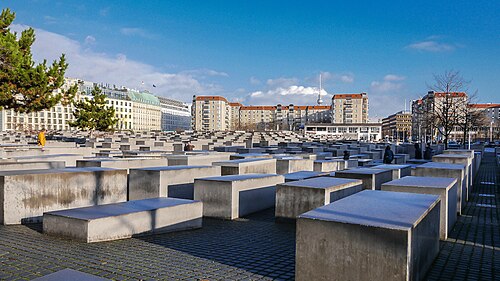
Denkmal für die ermordeten Juden Europas
The Memorial to the Murdered Jews of Europe is Germany's central Holocaust memorial, and it is two things at one address rather than one.
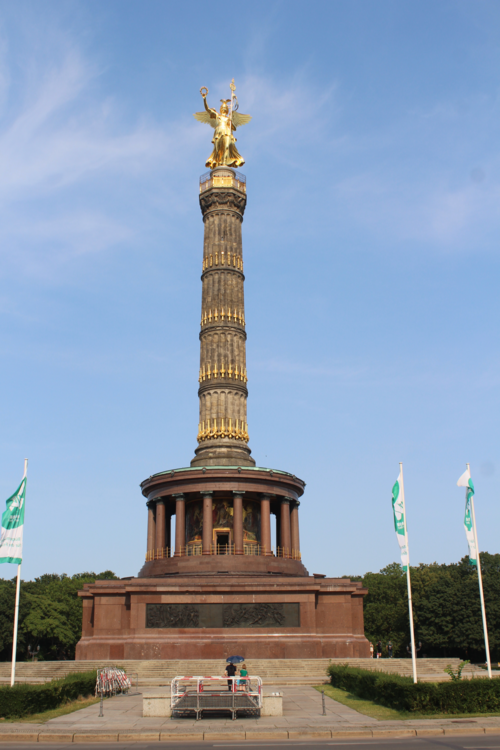
The Siegessäule, or Victory Column, stands in Berlin's Tiergarten park. Erected in the 1870s to commemorate Prussian military victories, the monument features a gilded bronze statue of Victoria at its summit.
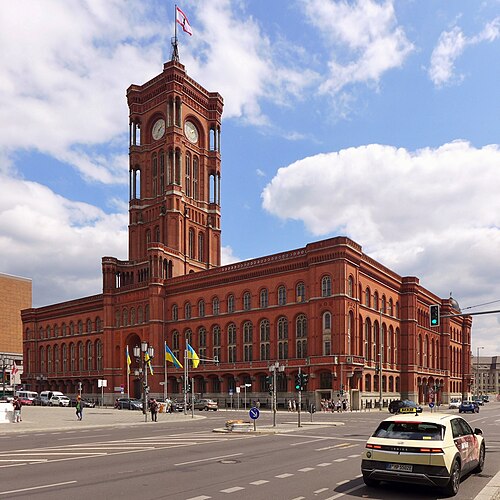
The Rotes Rathaus is the historic city hall of Berlin, serving as the seat of the Governing Mayor and the Senate of Berlin.
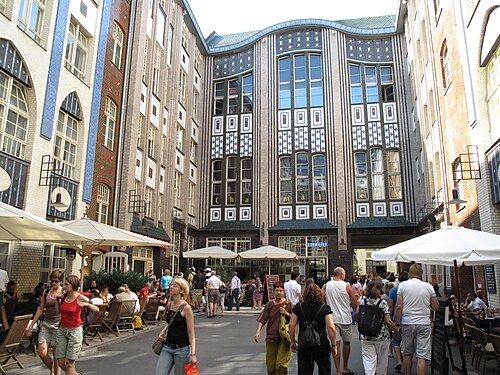
Hackesche Höfe is a historic courtyard complex in Berlin's Mitte district, situated in the Spandauer Vorstadt area near Hackescher Markt. Constructed in the early twentieth century around 1906-1907, the ensemble comprises eight interconnected courtyards with Art Nouveau architectural detailing.
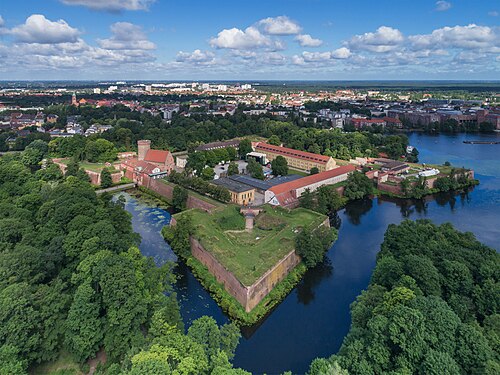
Zitadelle Spandau
The Spandau Citadel, known locally as Zitadelle Spandau, is a fortress complex in Berlin's Spandau district. Constructed in the 16th century on the site of earlier medieval fortifications, it represents one of Europe's best-preserved Renaissance military structures.
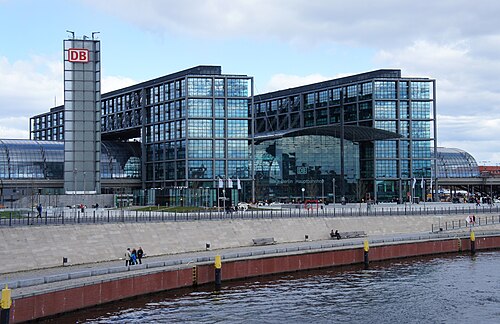
Berlin Hauptbahnhof
Berlin Central Station, known locally as Berlin Hauptbahnhof, is the city’s principal railway hub and one of Berlin’s most striking modern buildings.
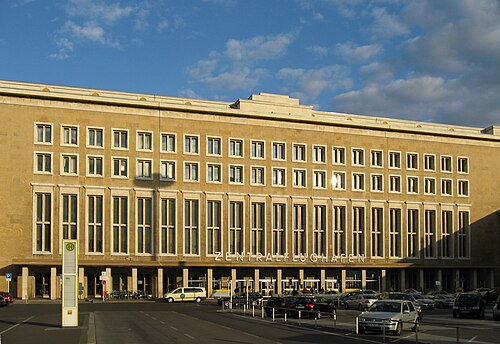
Ehemaliger Flughafen Berlin-Tempelhof
Berlin-Tempelhof Airport is a former airport whose immense terminal and airfield now form a public park and event landscape. Flights ended in 2008, leaving behind a place where aviation history and everyday city life meet.
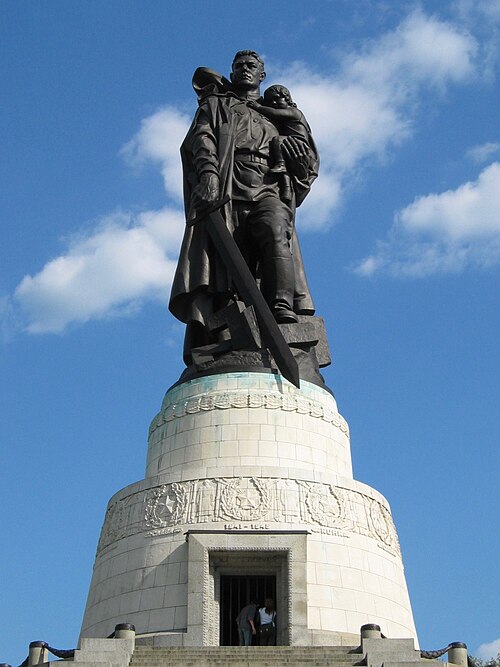
Sowjetisches Ehrenmal
The Soviet War Memorial in Berlin is a monumental commemorative site erected by the Soviet Union to honor Red Army soldiers who fell in the Battle of Berlin in 1945.
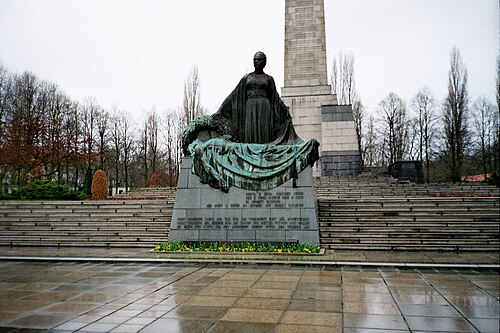
Sowjetisches Ehrenmal Schönholzer Heide
The Soviet War Memorial Schönholzer Heide is a monumental cemetery and memorial complex in Berlin’s Pankow district. It commemorates Soviet soldiers who died during the Battle of Berlin in 1945.
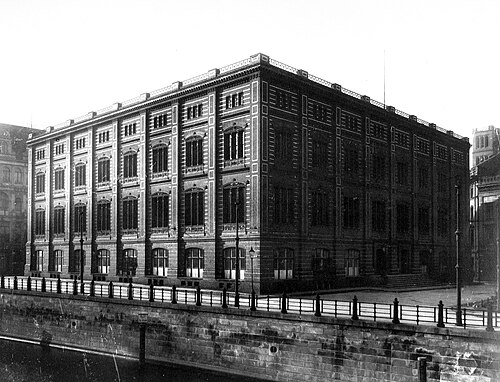
Bauakademie is a historic Berlin site associated with architectural education and Prussian building administration. The original nineteenth-century building became an important institution for architects and engineers, but it was badly damaged during the Second World War and later demolished.
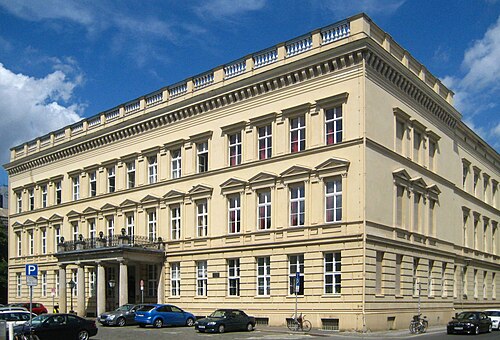
Palais am Festungsgraben is a historic palace building on Unter den Linden in central Berlin. Its name refers to the Festungsgraben, the former moat associated with Berlin’s defensive walls.
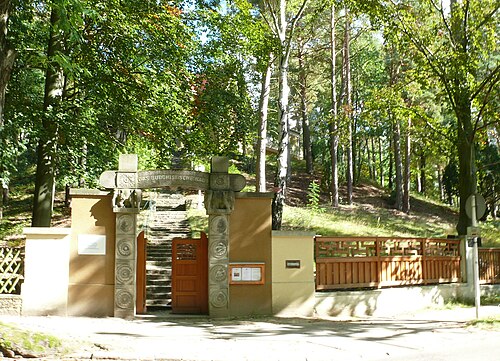
Das Buddhistische Haus is a Buddhist temple complex in Frohnau, northern Berlin. Founded in the early twentieth century, it is regarded as one of Europe’s oldest Buddhist institutions.
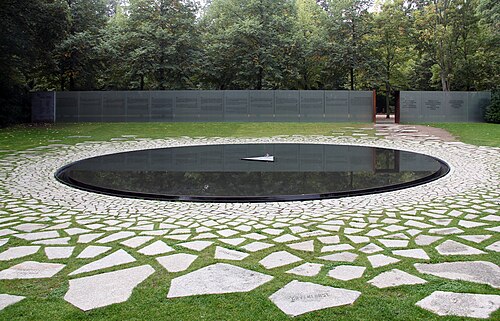
Denkmal für die im Nationalsozialismus ermordeten Sinti und Roma Europas
The Memorial to the Sinti and Roma victims of National Socialism is a Berlin monument dedicated to European Sinti and Roma murdered under Nazi rule.
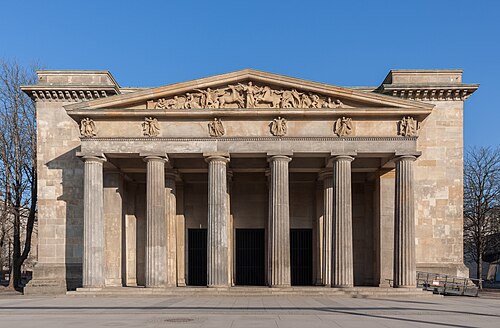
Neue Wache is a neoclassical memorial on Berlin’s Unter den Linden boulevard in the Mitte district. Karl Friedrich Schinkel designed the building, completed in 1818 as a guardhouse for Prussian troops.
Schloss Hohenschönhausen
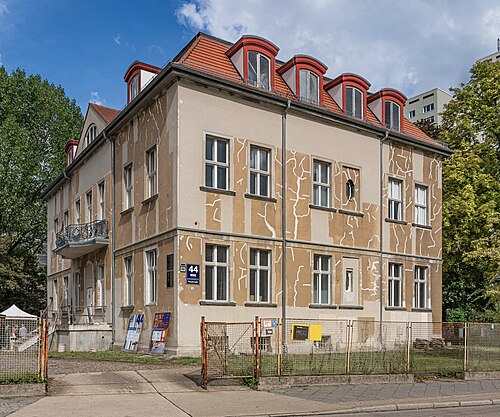
Hohenschönhausen Castle is a historic building in Berlin’s Hohenschönhausen district, within the Lichtenberg borough. The castle forms part of the neighbourhood’s architectural heritage and stands among residential streets and green surroundings.
St. Hedwigs-Kathedrale Berlin
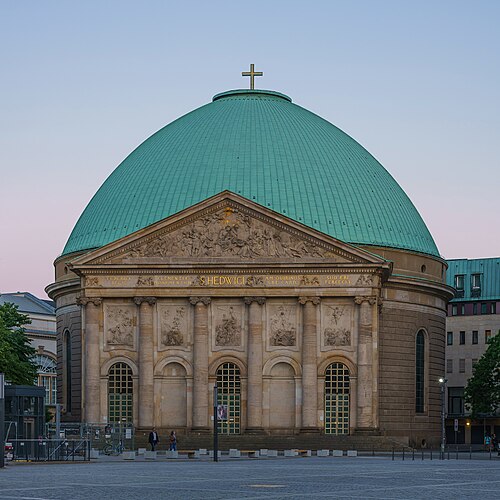
St. Hedwig’s Cathedral, locally known as St. Hedwigs-Kathedrale Berlin, is a Catholic cathedral near Bebelplatz in Berlin’s Mitte district.
Zeiss-Großplanetarium
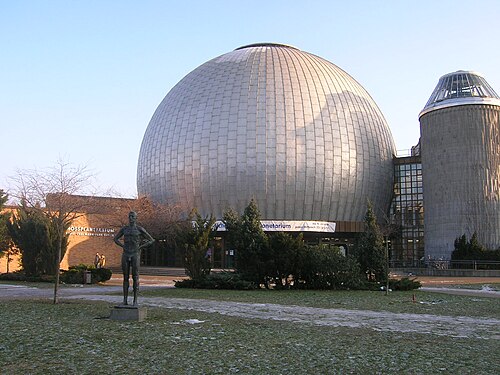
Zeiss Major Planetarium, known locally as Zeiss-Großplanetarium, is a dedicated astronomy venue in Berlin. Its large dome gives the building a memorable profile in the city, while the programme combines public education with immersive entertainment.
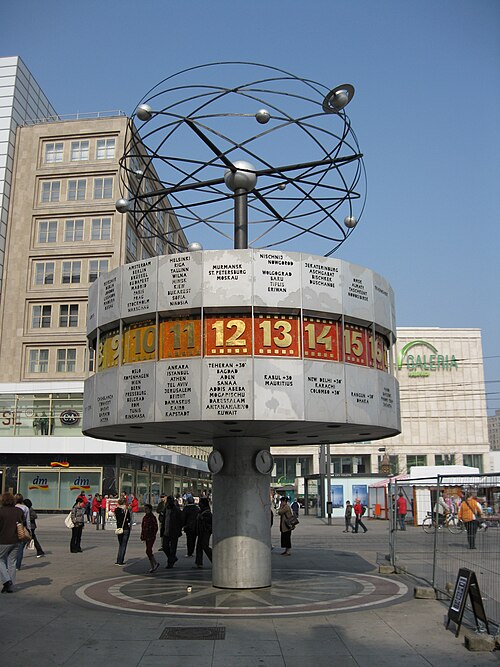
Urania-Weltzeituhr
The World Clock, or Urania-Weltzeituhr, is a public landmark on Alexanderplatz in Berlin’s Mitte district. Its rotating display presents the time for twenty-four world cities and international time zones.
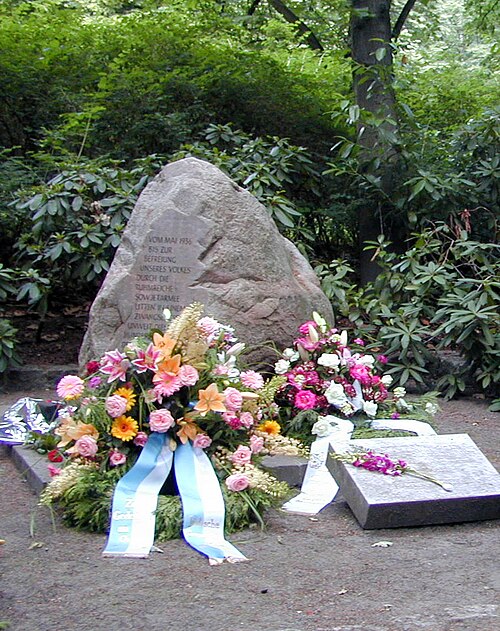
Gedenkstätte Zwangslager Berlin-Marzahn
The Gedenkstätte Zwangslager Berlin-Marzahn is a memorial in Berlin’s Marzahn district commemorating a Nazi-era forced-labor camp. It belongs to the city’s wider landscape of remembrance and addresses the persecution and exploitation carried out under National Socialist rule.
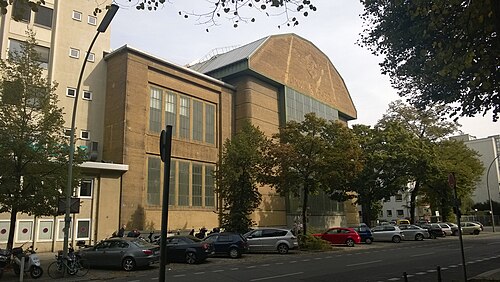
AEG Turbinenfabrik
AEG’s Turbine factory, known as the AEG Turbinenfabrik, is a landmark of Berlin’s industrial architecture in Moabit. Peter Behrens designed the building for AEG, and it was completed in 1909.
Source: OpenStreetMap contributors, Wikidata ·
Mitte is the main first-visit anchor, stretching from Alexanderplatz and Museum Island west toward Unter den Linden, Brandenburg Gate and Tiergarten. Kreuzberg lies south, Friedrichshain east, and Charlottenburg forms a separate western centre. The S-Bahn Ring is a useful boundary for the inner city, but important sites also sit beyond it. Avoid combining opposite outer districts in the same half-day.
Checked 2026-08-26
Use S-Bahn and U-Bahn trains for long movements, with trams and buses filling gaps between rail corridors. Berlin uses fare zones A, B and C; the airport and nearby Potsdam are in zone C. Tickets are valid across participating modes within the purchased zones, but paper or app tickets must meet the stated activation rules. Walk once you reach a district cluster.
Checked 2026-08-26
A fixed duration is not recorded. Plan by district: Mitte, a western cluster, an eastern or southern neighbourhood, and any specialised museum or outer site that matters to you.
Mitte contains many headline sights, but Berlin is polycentric. Charlottenburg, Kreuzberg, Friedrichshain and outer memorial or palace sites require separate rail journeys.
Use S-Bahn and U-Bahn for cross-city travel, then trams, buses or walking within districts. One zonal ticket can cover participating modes for the chosen validity area.
Berlin Brandenburg Airport is in zone C. A journey between the airport and the central city therefore needs a ticket whose zones include C as well as the destination area.
Treat Potsdam as a separate excursion. It lies outside Berlin's central districts and in fare zone C, so it needs dedicated travel time and the correct ticket coverage.