Roavina

City guide · Germany

Berlin

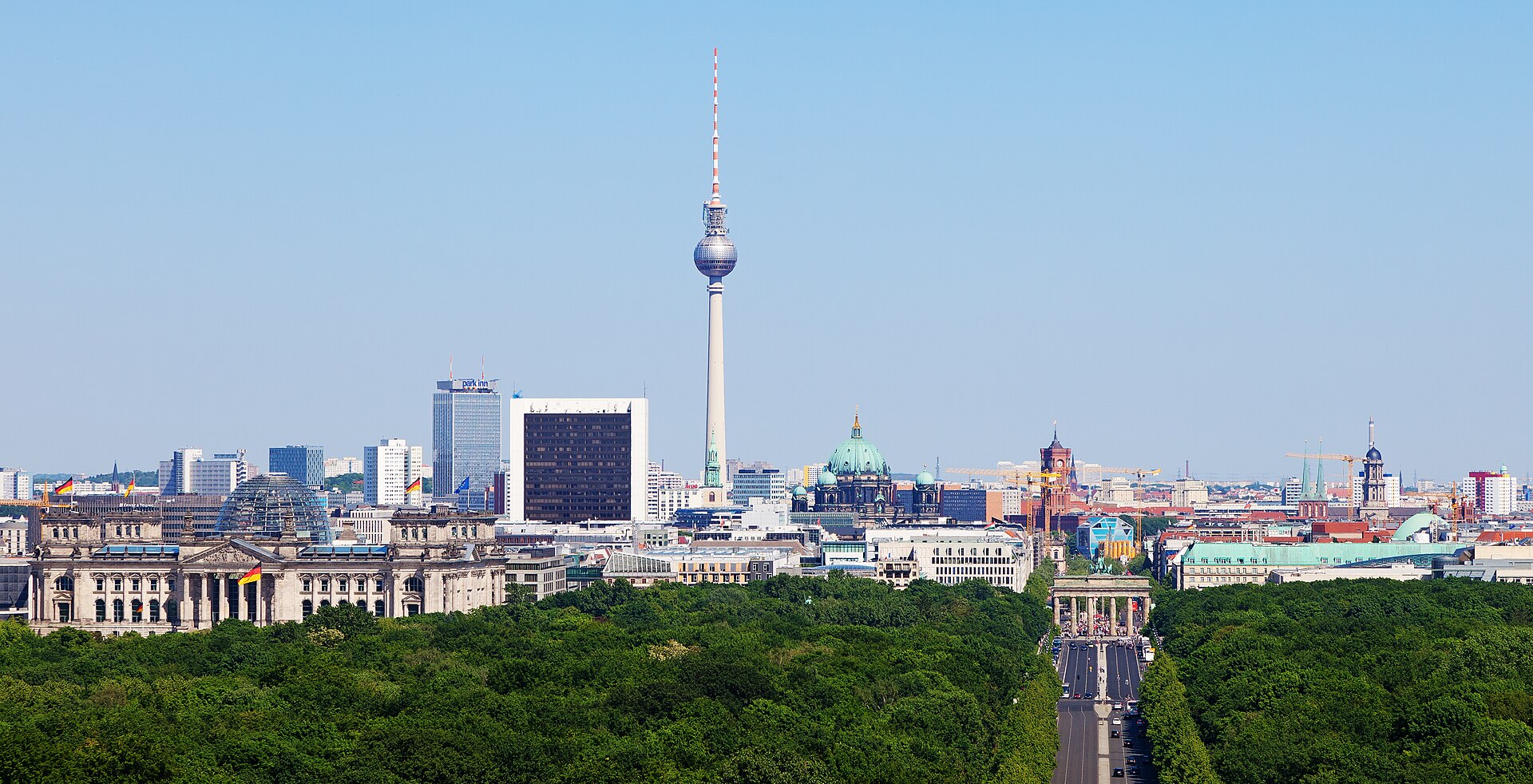
A photograph of Berlin
Photograph · Thomas Wolf, www.foto-tw.de · CC BY-SA 3.0

Berlin is polycentric and much larger than its central monument cluster suggests. Mitte contains Museum Island, the Brandenburg Gate and the government district; Charlottenburg forms a western centre around its palace and shopping streets; Kreuzberg, Friedrichshain and Neukolln extend south and east. Major Cold War sites, parks and museums are dispersed, so a useful itinerary follows districts and rail corridors.

Reviewed by Elena Voss · Roavina Travel Editor

Practical information

Language spoken
German
National practical orientation; regional and minority languages may also be used
Dialling code
+49
International calling code; local area and mobile prefixes still apply
Currency
Euro (EUR)
Use the official local currency; card acceptance varies by place
Emergency number
112 medical/fire · 110 police
Use only for an emergency; tourist assistance may use a separate number
Plug type
Type C and F · 230 V
Check that chargers support the recorded voltage before using an adapter
Tap water
Safe from the mains
Public drinking water is regulated under national drinking-water rules

Turn this list into a plan

Set your days, your pace and the hours you actually want to be out. The planner works around closing days and travel time, and leaves room to eat.

Plan Berlin

Planning a visit

Suggested stay
Not recorded
Getting around
S-Bahn, U-Bahn, tram, bus and walking
  1. January: viable with meaningful trade-offs
  2. February: viable with meaningful trade-offs
  3. March: good time to visit
  4. April: best time to visit
  5. May: best time to visit
  6. June: good time to visit
  7. July: best time to visit
  8. August: best time to visit
  9. September: best time to visit — current month
  10. October: good time to visit
  11. November: viable with meaningful trade-offs
  12. December: viable with meaningful trade-offs
  • Best time
  • Good time
  • Viable with trade-offs
  • Difficult conditions

Sources

Top things to see

Ranked by importance — sitelinks, pageviews and heritage status, not editor preference.

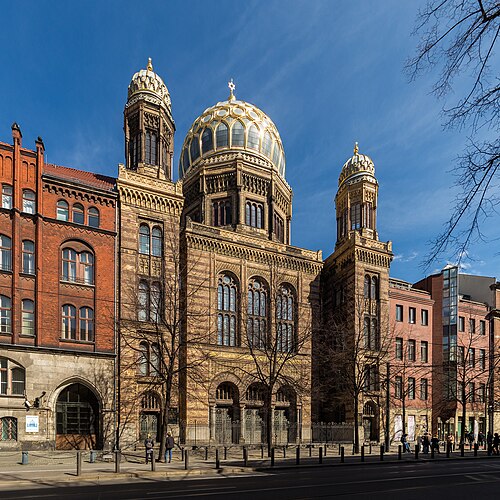
  1. New Synagogue Berlin New Synagogue Berlin
    02 30 min

    New Synagogue Berlin

    Neue Synagoge

    The Neue Synagoge, or New Synagogue Berlin, stands on Oranienburger Straße as one of the city's most significant Jewish heritage landmarks.

    • Must see
    • Place of worship
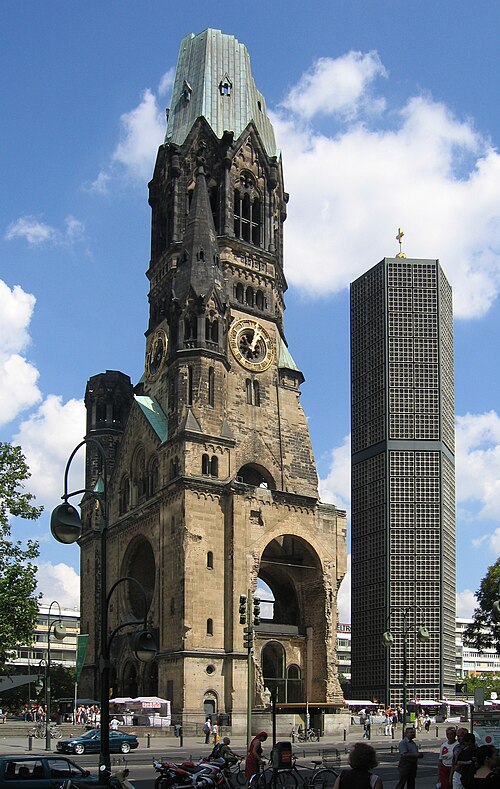
  2. Kaiser-Wilhelm-Gedächtniskirche Kaiser-Wilhelm-Gedächtniskirche
    03 30 min

    Kaiser-Wilhelm-Gedächtniskirche

    Neue Kaiser-Wilhelm-Gedächtniskirche

    Kaiser-Wilhelm-Gedächtniskirche stands on Breitscheidplatz as a memorial church where a damaged historic tower meets a modern blue-glass sanctuary. The wartime ruin was preserved rather than rebuilt, allowing the broken structure to remain a visible reminder of destruction.

    • Must see
    • Place of worship
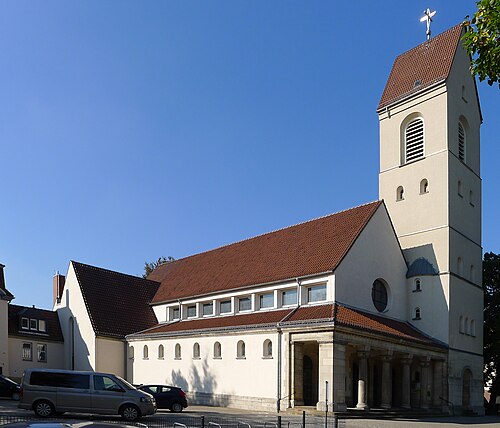
  3. Mater Dolorosa Mater Dolorosa
    04 30 min

    Mater Dolorosa

    Mater Dolorosa is a Catholic church in Berlin, named for the Latin title meaning “Sorrowful Mother,” a reference to the Virgin Mary’s grief.

    • Must see
    • Place of worship
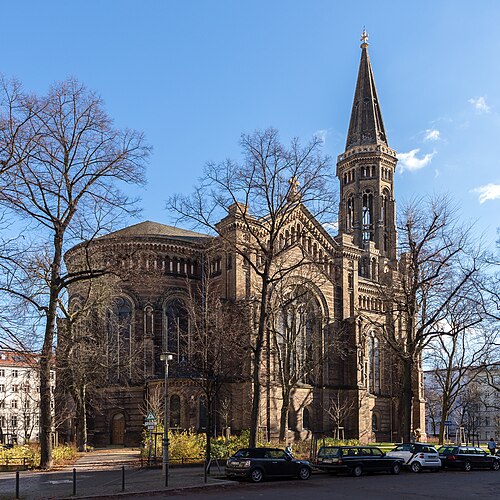
  4. Zion Church Zion Church
    05 30 min

    Zion Church

    Zionskirche

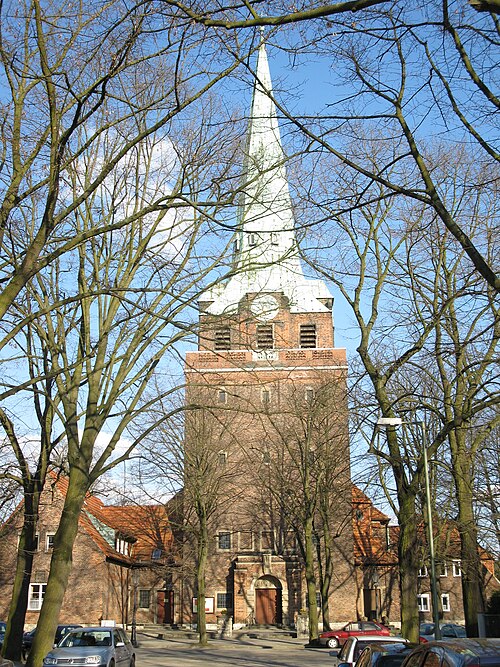
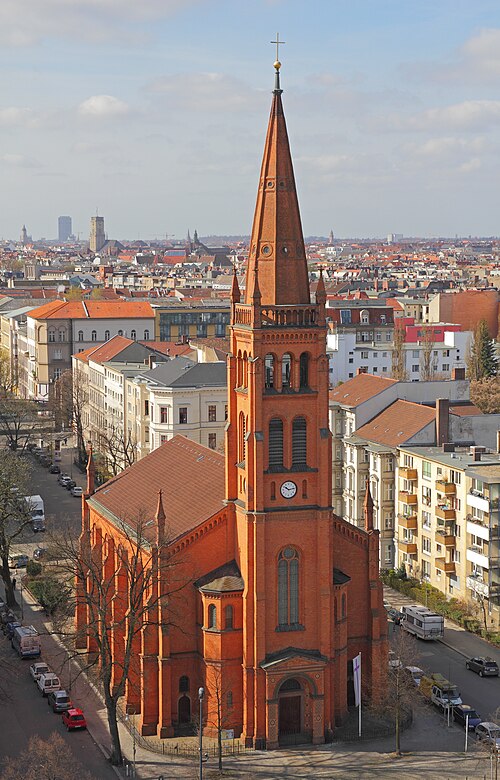
    Zion Church, known locally as Zionskirche, is a historic Protestant church in Berlin. The building stands as a significant landmark within the city's urban fabric, reflecting 19th-century ecclesiastical architecture.

    • Must see
    • Place of worship
  5. Kirche Zum Guten Hirten Kirche Zum Guten Hirten
    06 30 min

    Kirche Zum Guten Hirten

    Zum Guten Hirten

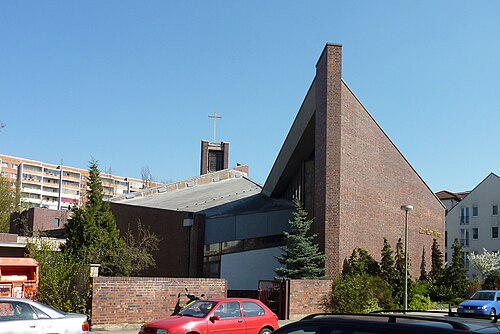
    Kirche Zum Guten Hirten, or Church of the Good Shepherd, is a church in Berlin.

    • High
    • Place of worship
  6. Kirche Zur Frohen Botschaft (Berlin-Karlshorst) Kirche Zur Frohen Botschaft (Berlin-Karlshorst)
    07 30 min

    Kirche Zur Frohen Botschaft (Berlin-Karlshorst)

    Ev. Kirche Zur frohen Botschaft

    Kirche Zur Frohen Botschaft is an Evangelical Protestant church serving the Karlshorst community in eastern Berlin.

    • High
    • Place of worship
  7. Berlin Mosque Berlin Mosque
    08 30 min

    Berlin Mosque

    Wilmersdorfer Moschee

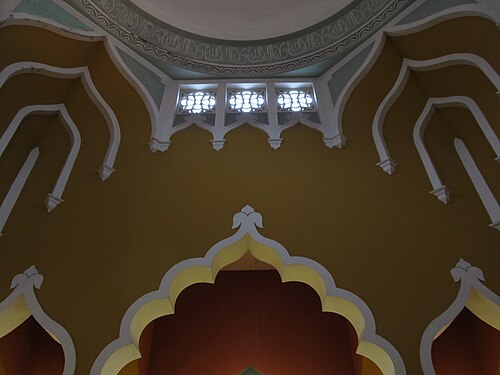
    Berlin Mosque, also known as Wilmersdorfer Moschee, is an active Islamic place of worship in Berlin’s Wilmersdorf district. It serves a local Muslim community and forms part of the city’s diverse religious landscape.

    • High
    • Place of worship
  8. Zwinglikirche Zwinglikirche
    09 30 min

    Zwinglikirche

    Zwingli-Kirche

    Zwinglikirche, also called Zwingli-Kirche, is a church in Berlin named after Huldrych Zwingli, the Swiss Reformation leader. It is a place of worship within Berlin’s varied religious architecture.

    • Notable
    • Place of worship
  9. Zwölf-Apostel-Kirche Zwölf-Apostel-Kirche
    10 30 min

    Zwölf-Apostel-Kirche

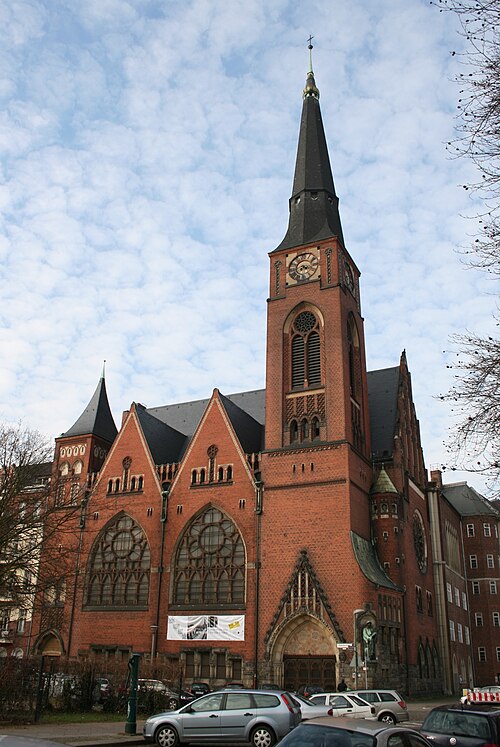
    Zwölf-Apostel-Kirche is a Protestant church in Berlin whose name refers to the twelve apostles of Christian tradition. It is a functioning place of worship and part of the city’s religious and architectural landscape.

    • Notable
    • Place of worship
  10. Rykestrasse Synagogue Rykestrasse Synagogue
    11 30 min

    Rykestrasse Synagogue

    Synagoge Rykestraße

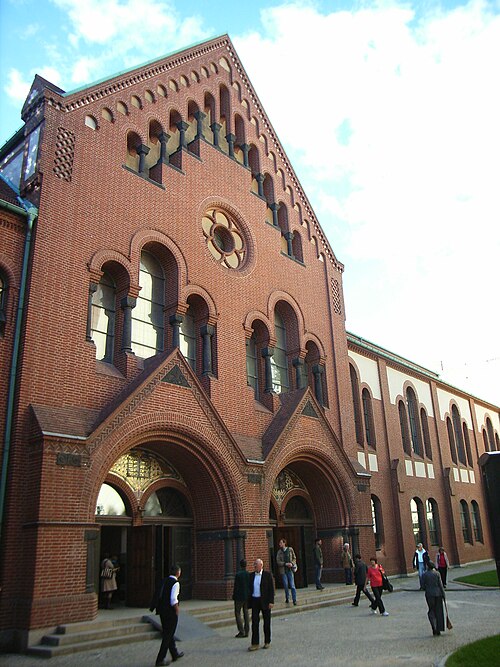
    Rykestrasse Synagogue is an active Jewish house of worship on Rykestraße in Prenzlauer Berg, Berlin. Its red-brick architecture and substantial scale make it a prominent landmark in the neighbourhood.

    • Notable
    • Place of worship

Source: OpenStreetMap contributors, Wikidata ·

More city guides

How the city is laid out

Mitte is the main first-visit anchor, stretching from Alexanderplatz and Museum Island west toward Unter den Linden, Brandenburg Gate and Tiergarten. Kreuzberg lies south, Friedrichshain east, and Charlottenburg forms a separate western centre. The S-Bahn Ring is a useful boundary for the inner city, but important sites also sit beyond it. Avoid combining opposite outer districts in the same half-day.

Checked 2026-08-26

Getting around

Use S-Bahn and U-Bahn trains for long movements, with trams and buses filling gaps between rail corridors. Berlin uses fare zones A, B and C; the airport and nearby Potsdam are in zone C. Tickets are valid across participating modes within the purchased zones, but paper or app tickets must meet the stated activation rules. Walk once you reach a district cluster.

Checked 2026-08-26

Common questions

How many days should I spend in Berlin?

A fixed duration is not recorded. Plan by district: Mitte, a western cluster, an eastern or southern neighbourhood, and any specialised museum or outer site that matters to you.

Is Berlin's historic centre compact?

Mitte contains many headline sights, but Berlin is polycentric. Charlottenburg, Kreuzberg, Friedrichshain and outer memorial or palace sites require separate rail journeys.

Which transport modes should I use in Berlin?

Use S-Bahn and U-Bahn for cross-city travel, then trams, buses or walking within districts. One zonal ticket can cover participating modes for the chosen validity area.

Which Berlin fare zone includes the airport?

Berlin Brandenburg Airport is in zone C. A journey between the airport and the central city therefore needs a ticket whose zones include C as well as the destination area.

Should Potsdam be combined with central Berlin?

Treat Potsdam as a separate excursion. It lies outside Berlin's central districts and in fare zone C, so it needs dedicated travel time and the correct ticket coverage.