This place is a Place of worship.
It opened in 1928.
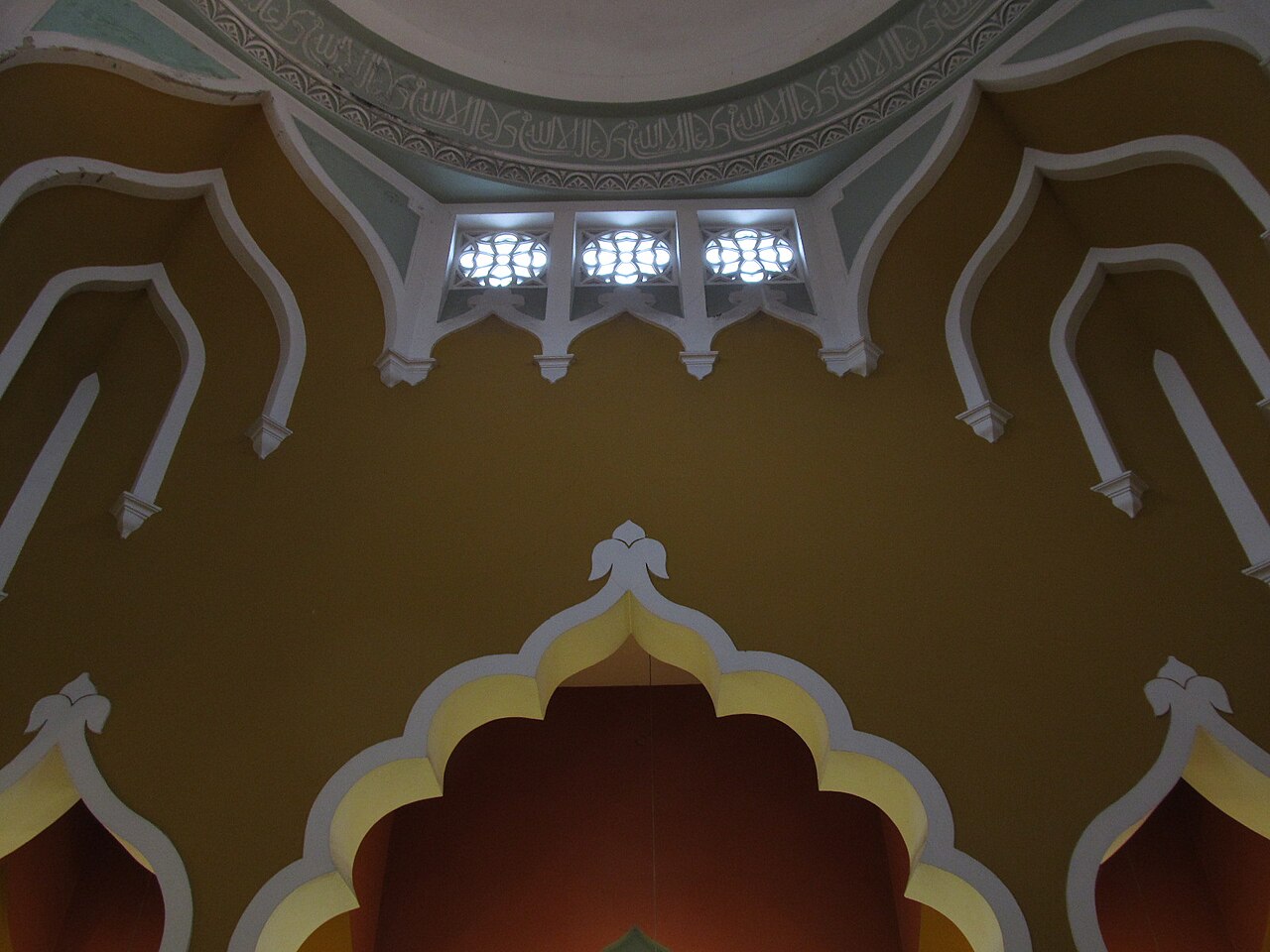
It was built in the Islamic architecture style.
It was designed by K. A. Herrmann.
It carries the architectural heritage monument heritage designation.
Berlin Mosque, also known as Wilmersdorfer Moschee, is an active Islamic place of worship in Berlin’s Wilmersdorf district. It serves a local Muslim community and forms part of the city’s diverse religious landscape. The building is best understood as a working mosque rather than a conventional museum or sightseeing venue. Travelers may appreciate its architectural presence and its place in Berlin’s multicultural history, but the congregation’s religious life comes first. A visit therefore depends on courtesy, quiet observation, and sensitivity toward people arriving to pray. The mosque offers a different kind of Berlin experience: one rooted in community, devotion, and the everyday life of the city rather than staged tourism.
The interior is a prayer environment, not an arranged exhibition. Visitors should expect the space to support Islamic worship and community gatherings, with attention directed toward prayer rather than displays for tourists. Prayer areas may be organized for different groups, and entering the building can require shoes to be removed. The most important feature is the devotional atmosphere itself: people may be concentrating, listening, or preparing for worship. Keep conversation low, follow any signs at the entrance, and remain where visitors are welcome. The mosque’s value comes from encountering a living religious institution while giving its members privacy and room to practise their faith.
A respectful exterior look can take around fifteen minutes, making the mosque an easy addition to a Wilmersdorf walk. A longer visit depends on whether you are attending prayer or taking part in a community activity that welcomes guests. Do not structure the day around an extended tourist program here; structure it around the mosque’s purpose. If you enter, allow enough time to remove shoes, settle quietly, and leave without interrupting worship. The best length is the one that lets you observe the building and its setting without turning congregational life into a rushed attraction.
The mosque is most active around Islamic prayer and community life, with Friday congregational prayer generally bringing a larger gathering. Ramadan and Eid can make the building especially significant to worshippers, while also making quiet visitor observation less appropriate. For an exterior visit, choose a time with comfortable daylight and combine the stop with nearby Wilmersdorf streets. Anyone hoping to enter should treat the congregation’s needs as the deciding factor and approach quietly. The mosque is not a place where a tourist timetable should take priority over prayer, preparation, or community events.
Berlin Mosque is a religious institution, so the visit is not framed like entry to a commercial attraction with a standard sightseeing ticket. A traveler making a brief exterior stop has no ticketing ritual. If you enter for a prayer, community gathering, or other welcomed activity, follow the mosque’s arrangements at the time. The important preparation is respectful behavior and suitable clothing, not building a tourist budget around a conventional admission charge.
Berlin Mosque stands in Wilmersdorf, an urban district connected to the wider city by Berlin’s U-Bahn, S-Bahn, bus, and road network. The mosque can be included in a neighborhood walk, with cycling also fitting naturally into Berlin’s street pattern. The urban setting makes it practical to combine the stop with other Wilmersdorf destinations, cafés, and streets, while the final arrival should remain quiet and unobtrusive.
Dress modestly, covering shoulders and legs, and remove shoes before entering prayer areas when instructed. Do not walk into a worship space during prayer, interrupt people preparing for worship, or photograph congregants without permission. Friday prayer, Ramadan, and Eid bring important community activity and may leave little room for sightseeing behavior. Keep voices low and avoid turning the mosque into a backdrop for posed portraits. Remember that the Wilmersdorfer Moschee is used by real people for faith and community. A visitor’s success here is measured by discretion, patience, and respect.
Exterior photography from a public street can show the building within Wilmersdorf, but avoid framing worshippers as subjects as they enter or leave. Inside, ask before taking any photograph and obey signs or instructions from mosque representatives. Prayer is private and should never be interrupted for a better image. Keep phones silent, avoid flash, and do not use the interior as a staged portrait location. A photograph that excludes people and respects the building’s religious function is more appropriate than close images of worship. The same courtesy applies to video, recording, and any online publication.
It is an active Islamic place of worship serving a local Muslim community in Wilmersdorf.
What should I wear at Berlin Mosque?
Wear modest clothing that covers the shoulders and legs, and be ready to remove shoes before entering prayer areas when instructed.
When is the mosque especially busy?
Friday congregational prayer, Ramadan, and Eid are important periods of heightened community activity.
Can I photograph people at Berlin Mosque?
Do not photograph worshippers or people entering and leaving without their permission; inside, ask before taking any image.
How should tourists behave inside the mosque?
Remain quiet, follow entrance instructions, avoid interrupting prayer, and treat the building as an active place of worship rather than a staged attraction.
Nothing non-essential is set before you choose, in regions where consent is required. If you decline, ads still appear and analytics is switched off entirely.