Roavina

City guide · Germany

Berlin

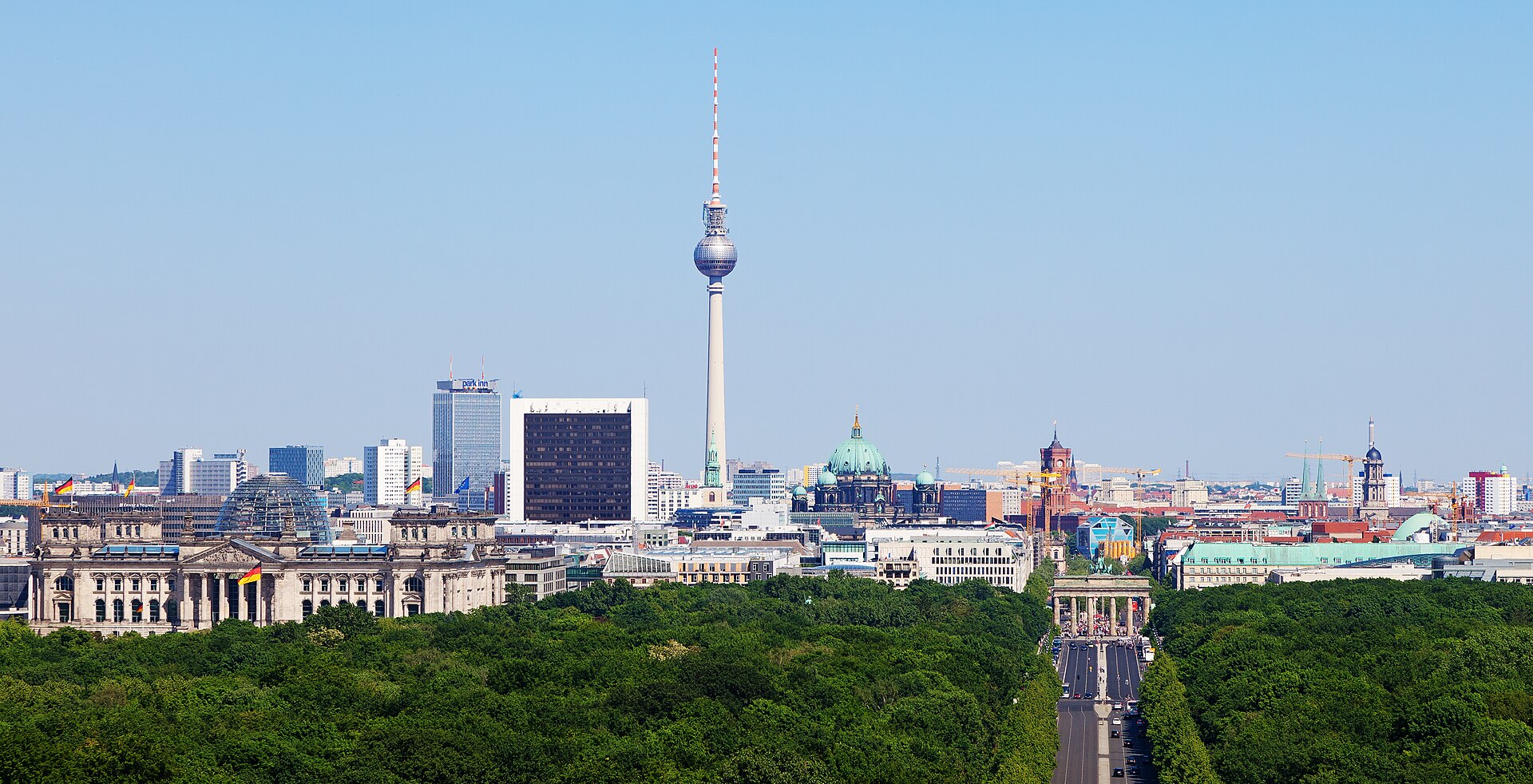
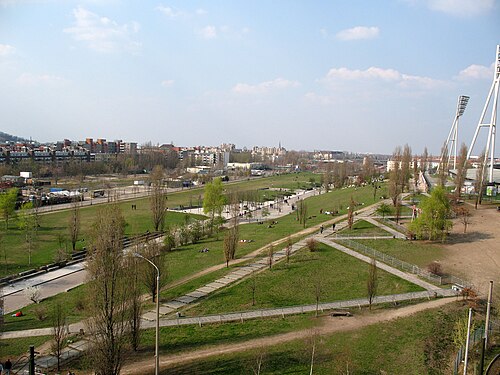
A photograph of Berlin
Photograph · Thomas Wolf, www.foto-tw.de · CC BY-SA 3.0

Berlin is polycentric and much larger than its central monument cluster suggests. Mitte contains Museum Island, the Brandenburg Gate and the government district; Charlottenburg forms a western centre around its palace and shopping streets; Kreuzberg, Friedrichshain and Neukolln extend south and east. Major Cold War sites, parks and museums are dispersed, so a useful itinerary follows districts and rail corridors.

Reviewed by Elena Voss · Roavina Travel Editor

Practical information

Language spoken
German
National practical orientation; regional and minority languages may also be used
Dialling code
+49
International calling code; local area and mobile prefixes still apply
Currency
Euro (EUR)
Use the official local currency; card acceptance varies by place
Emergency number
112 medical/fire · 110 police
Use only for an emergency; tourist assistance may use a separate number
Plug type
Type C and F · 230 V
Check that chargers support the recorded voltage before using an adapter
Tap water
Safe from the mains
Public drinking water is regulated under national drinking-water rules

Turn this list into a plan

Set your days, your pace and the hours you actually want to be out. The planner works around closing days and travel time, and leaves room to eat.

Plan Berlin

Planning a visit

Suggested stay
Not recorded
Getting around
S-Bahn, U-Bahn, tram, bus and walking
  1. January: viable with meaningful trade-offs
  2. February: viable with meaningful trade-offs
  3. March: good time to visit
  4. April: best time to visit
  5. May: best time to visit
  6. June: good time to visit
  7. July: best time to visit
  8. August: best time to visit
  9. September: best time to visit — current month
  10. October: good time to visit
  11. November: viable with meaningful trade-offs
  12. December: viable with meaningful trade-offs
  • Best time
  • Good time
  • Viable with trade-offs
  • Difficult conditions

Sources

Top things to see

Ranked by importance — sitelinks, pageviews and heritage status, not editor preference.

  1. Botanic Garden and Botanical Museum Berlin Botanic Garden and Botanical Museum Berlin
    02 1 hour

    Botanic Garden and Botanical Museum Berlin

    Botanischer Garten

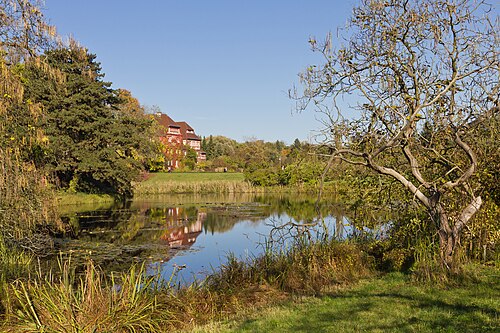
    Berlin’s Botanic Garden is a large living plant collection in Dahlem, paired institutionally with the Botanical Museum. The garden, greenhouses and major outdoor collections remain open, but the Botanical Museum exhibition areas are closed for modernisation until approximately 2027.

    • Must see
    • Nature site
  2. Treptower Park Treptower Park
    03 1 hour

    Treptower Park

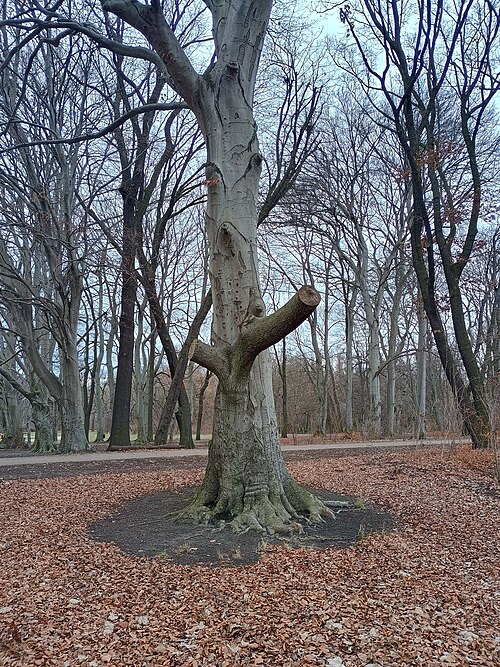
    Treptower Park is a large public park in the Treptow-Köpenick district of Berlin. The park extends along the River Spree and is one of the city's most significant green spaces.

    • Must see
    • Nature site
  3. Körnerpark Körnerpark
    04 1 hour

    Körnerpark

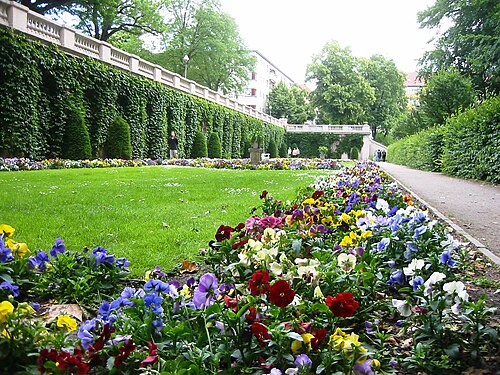
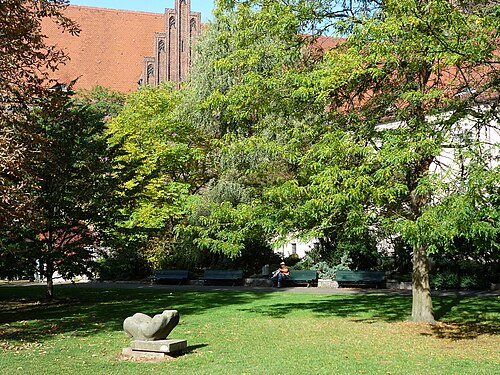
    Körnerpark is a formal public park in Berlin, designed around symmetry, axial views, clipped greenery, lawns, paths, and architectural framing. It feels more like a composed garden room than a stretch of untamed urban nature.

    • Must see
    • Nature site
  4. Marx-Engels Forum Marx-Engels Forum
    05 1 hour

    Marx-Engels Forum

    Marx-Engels-Forum

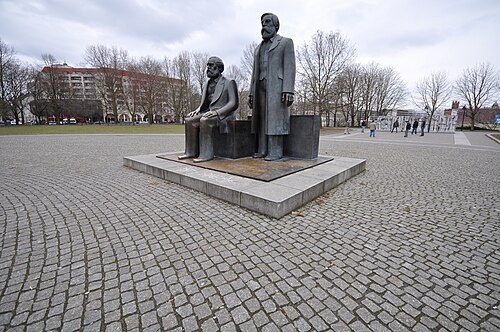
    Marx-Engels Forum is an open-air park and memorial ensemble in central Berlin’s Mitte district, beside the Spree River. The site commemorates Karl Marx and Friedrich Engels, whose writings shaped socialist and communist movements around the world.

    • Must see
    • Nature site
  5. Köllnischer Park Köllnischer Park
    06 1 hour

    Köllnischer Park

    Köllnischer Park is a public green space in Berlin’s Mitte district, close to the Spree and the historic Nikolai quarter. It occupies land associated with the former settlement of Cölln, which later joined Berlin.

    • High
    • Nature site
  6. Zamenhofpark Zamenhofpark
    07 1 hour

    Zamenhofpark

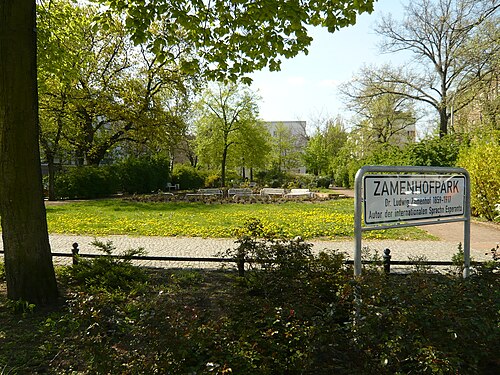
    Zamenhofpark is a public green space in Berlin named after L. L. Zamenhof, the creator of Esperanto. The name connects this neighborhood park with the international language movement, while the place itself serves as everyday urban open space.

    • High
    • Nature site
  7. Lietzensee Lietzensee
    08 1 hour

    Lietzensee

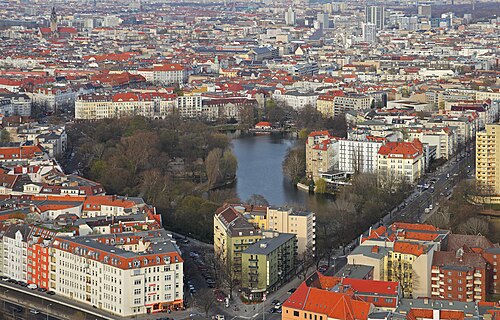
    Lietzensee is an urban lake in Berlin’s Charlottenburg district, surrounded by parkland and woven into the city’s network of green spaces. It offers a slower contrast to Berlin’s museums, streets and monumental architecture.

    • Notable
    • Nature site

Source: OpenStreetMap contributors, Wikidata ·

More city guides

How the city is laid out

Mitte is the main first-visit anchor, stretching from Alexanderplatz and Museum Island west toward Unter den Linden, Brandenburg Gate and Tiergarten. Kreuzberg lies south, Friedrichshain east, and Charlottenburg forms a separate western centre. The S-Bahn Ring is a useful boundary for the inner city, but important sites also sit beyond it. Avoid combining opposite outer districts in the same half-day.

Checked 2026-08-26

Getting around

Use S-Bahn and U-Bahn trains for long movements, with trams and buses filling gaps between rail corridors. Berlin uses fare zones A, B and C; the airport and nearby Potsdam are in zone C. Tickets are valid across participating modes within the purchased zones, but paper or app tickets must meet the stated activation rules. Walk once you reach a district cluster.

Checked 2026-08-26

Common questions

How many days should I spend in Berlin?

A fixed duration is not recorded. Plan by district: Mitte, a western cluster, an eastern or southern neighbourhood, and any specialised museum or outer site that matters to you.

Is Berlin's historic centre compact?

Mitte contains many headline sights, but Berlin is polycentric. Charlottenburg, Kreuzberg, Friedrichshain and outer memorial or palace sites require separate rail journeys.

Which transport modes should I use in Berlin?

Use S-Bahn and U-Bahn for cross-city travel, then trams, buses or walking within districts. One zonal ticket can cover participating modes for the chosen validity area.

Which Berlin fare zone includes the airport?

Berlin Brandenburg Airport is in zone C. A journey between the airport and the central city therefore needs a ticket whose zones include C as well as the destination area.

Should Potsdam be combined with central Berlin?

Treat Potsdam as a separate excursion. It lies outside Berlin's central districts and in fare zone C, so it needs dedicated travel time and the correct ticket coverage.