
43 min walk
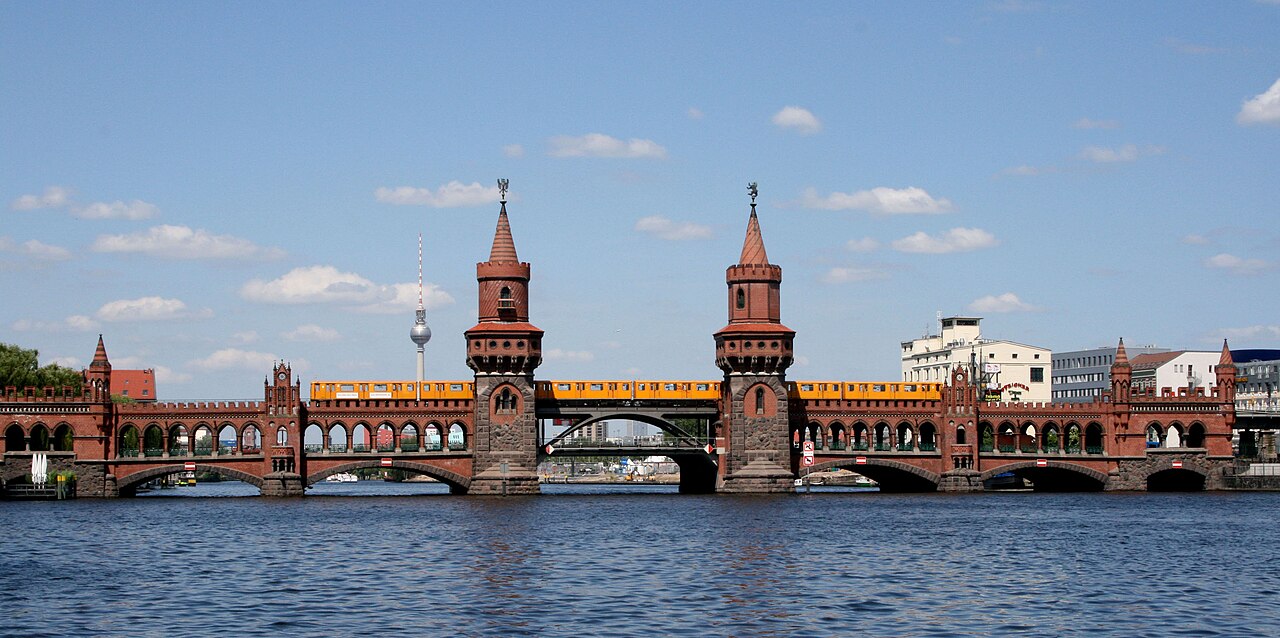
Oberbaum Bridge
- Must see · Heritage site
- Historic monument
Language · 11 published
Nature site · Berlin
Reviewed by Elena Voss · Roavina Travel Editor
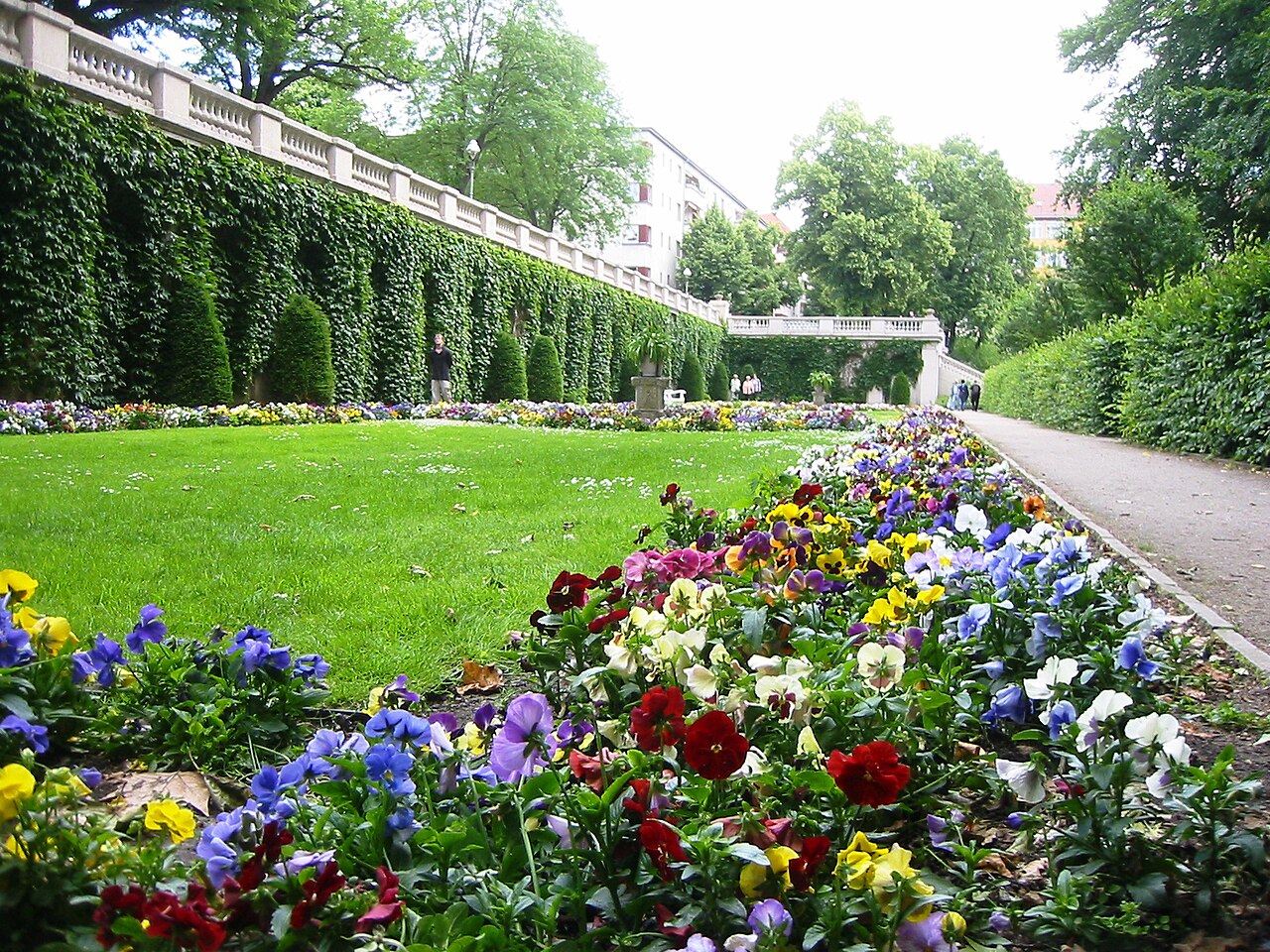
This place is a Park. It was established in 1912. It was designed by Karl Otto Halbritter. It carries the cultural heritage monument in Berlin heritage designation.
Körnerpark is a formal public park in Berlin, designed around symmetry, axial views, clipped greenery, lawns, paths, and architectural framing. It feels more like a composed garden room than a stretch of untamed urban nature. The central green is enclosed by structured planting and a colonnaded perimeter, giving the park a strong sense of shape even though it sits within a residential district. Its scale makes it an approachable stop for travellers who want to experience neighbourhood Berlin rather than only the city’s monumental centre. The park suits a quiet walk, a pause between other destinations, casual conversation, reading, and photography. Established trees soften the formal layout, while the surrounding architecture keeps the experience distinctly urban. Visitors should focus on the balance between open lawn, repeated columns, planted edges, and framed views. Körnerpark is not a full-day attraction built around rides or major exhibits; its pleasure comes from atmosphere, proportion, and the opportunity to slow down in a carefully arranged public space.
Checked 2026-08-26 · Source
Inside the park, geometric beds, lawns, mature trees, paths, and the colonnaded structure create a sequence of clear visual zones. The central grassy area gives the park an open heart, while the surrounding architecture provides rhythm, shade, and a sense of enclosure. Seating allows visitors to pause without leaving the formal garden setting. The arrangement encourages slow circuits rather than destination-to-destination walking: cross the space, follow the perimeter, look back through the columns, and notice how the same lawn changes when viewed from different angles. The contained design also creates a welcome separation from nearby streets. Körnerpark is best understood through its composition rather than through a long list of individual attractions. The lawn, planting, paths, columns, and tree canopy work together as one experience. There is no need to search for a large entertainment facility; this is a place for a measured urban break, with architectural patterns and seasonal planting providing the main points of interest.
Checked 2026-08-26 · Source
Set aside about twenty minutes to one hour for a complete visit, depending on whether you are walking continuously or using the park as a place to rest. Its compact formal layout makes a circuit easy to fit between neighbourhood destinations. A quick loop is enough to understand the geometry, while a longer stay gives time for reading, conversation, photography, or simply watching the changing light across the lawn and colonnades. Visitors interested in garden design may want to repeat parts of the route from different viewpoints. The park does not require a timed programme, a guided sequence, or a long internal transfer. That flexibility makes it useful in an itinerary with uncertain energy levels: it can be a short reset after museums or a relaxed pause during a district walk. Families can cross the open paths and lawn areas at an easy pace, while photographers may remain longer near the architectural edges. The most satisfying visits are unhurried but do not need an entire afternoon.
Checked 2026-08-26 · Source
Körnerpark changes character with the seasons. Spring brings flowering plants and fresh foliage, summer gives the trees fuller canopy and longer daylight, autumn adds colour to the established planting, and winter exposes the structure of the paths, lawn, and colonnades. Choose the season according to the mood you want rather than expecting one single perfect view. Open sections can feel warm in direct sun and cooler in wind or rain, so weather affects how long a pause feels comfortable. Morning and late afternoon suit visitors who enjoy softer light and a quieter rhythm. The park works well as a daytime neighbourhood stop after exploring nearby streets. Weekday and weekend crowd patterns are not central to the experience because there is no large attraction concentrating visitors in one place, though the atmosphere naturally changes with local use. A clear day helps photography, while overcast weather can make the formal geometry and greenery look more evenly balanced.
Checked 2026-08-26 · Source
Körnerpark is public municipal green space, so visitors enter it as a free outdoor stop rather than as a ticketed attraction. There is no need to build the visit around a reservation or a timed cultural programme. This makes the park particularly useful for travellers managing a varied Berlin day: add a short walk between museums, pause after a meal, or use the lawns and seating to rest before continuing through the neighbourhood. The absence of admission formalities also means that a brief visit is worthwhile. You can enter for a circuit, stay longer if the setting feels inviting, and leave without having committed a large part of the day. The park’s value is visual and atmospheric: formal beds, open lawn, established trees, and colonnades create a composed setting within the city. Travellers seeking paid exhibitions or extensive facilities should choose a museum instead, while those wanting a calm outdoor interlude will find Körnerpark easy to include in a flexible itinerary.
Checked 2026-08-26 · Source
Körnerpark sits within Berlin’s residential urban fabric and is reached through the surrounding district streets. Public transport connects the neighbourhood through Berlin’s bus and rail network, while walking and cycling make sense for visitors already exploring the area. Because the park is integrated into ordinary city blocks rather than positioned beside a major central landmark, the arrival feels local and gradual. Approach from one of the surrounding streets, then use the formal paths and colonnades to orient yourself once inside. The park is suitable for combining with a broader neighbourhood walk instead of making a long journey solely for a few minutes among the gardens. Travellers using bicycles can follow Berlin’s urban cycle routes, while those arriving by public transport should plan the final leg as a walk through residential streets. The setting rewards this approach: part of the experience is moving from the everyday city into the enclosed, symmetrical garden. The central lawn and colonnaded edge provide clear internal landmarks after arrival.
Checked 2026-08-26 · Source
Körnerpark is an open urban park, so ordinary city awareness remains useful. Keep personal belongings close, particularly when the space is being used by many local visitors. Paths and paving can feel different after rain or winter weather, and the colonnaded edges include architectural boundaries that deserve attention while walking or supervising children. The central lawn is open and inviting, but it is not a substitute for a dedicated playground. Stay aware of other people using the park for rest, conversation, and recreation. Open areas may offer little shelter during sudden rain or strong sun, so a visit planned around a comfortable pause should take the weather into account. The formal setting is easy to cross, yet visitors who need a completely step-free route may find that historic landscape elements influence movement. In the evening, the atmosphere depends on daylight and local conditions. Treat the park as a shared neighbourhood space, preserve its planting, and avoid turning quiet corners into noisy gathering points.
Checked 2026-08-26 · Source
Körnerpark is especially rewarding for photographs built around symmetry and repetition. Stand along the central axis to frame the lawn and colonnades, then move toward the perimeter for repeating columns, layered depth, and views back across the garden. Mature trees add vertical structure, while seasonal beds change the colour and texture of the same composition. Early or late daylight brings longer shadows across the formal layout and helps reveal the relationship between planting and architecture. Overcast conditions can be useful when you want even colour and less contrast on pale stone or built surfaces. Close details of leaves, paths, columns, and garden edges complement wider views. Include people only with consideration, since Körnerpark is a working neighbourhood space rather than a staged set. A tripod or organised commercial session should be planned with care around other users. The strongest images usually show the park as a complete geometric room, with the open lawn, trees, and colonnade working together.
Checked 2026-08-26 · Source
Yes. Körnerpark is public municipal green space and functions as a free outdoor park rather than a ticketed attraction.
A complete visit generally takes about twenty minutes to one hour, with longer stays for rest, conversation, reading, or photography.
It is a compact formal park with a central lawn, geometric planting, established trees, paths, seating, and a surrounding colonnaded structure.
Yes. Open paths and lawn areas make it suitable for a family pause, while adults should supervise children near architectural edges and other shared spaces.
Spring flowers, summer foliage, autumn colour, and low morning or late-afternoon light each give the formal geometry a different photographic character.
The central lawn, geometric beds, repeating colonnade, mature trees, framed axial views, and seasonal planting are the park’s strongest subjects.
Loading the interactive map…
The interactive map could not be loaded.
Last updated:
Source: OpenStreetMap contributors, Wikidata ·