
10 min walk
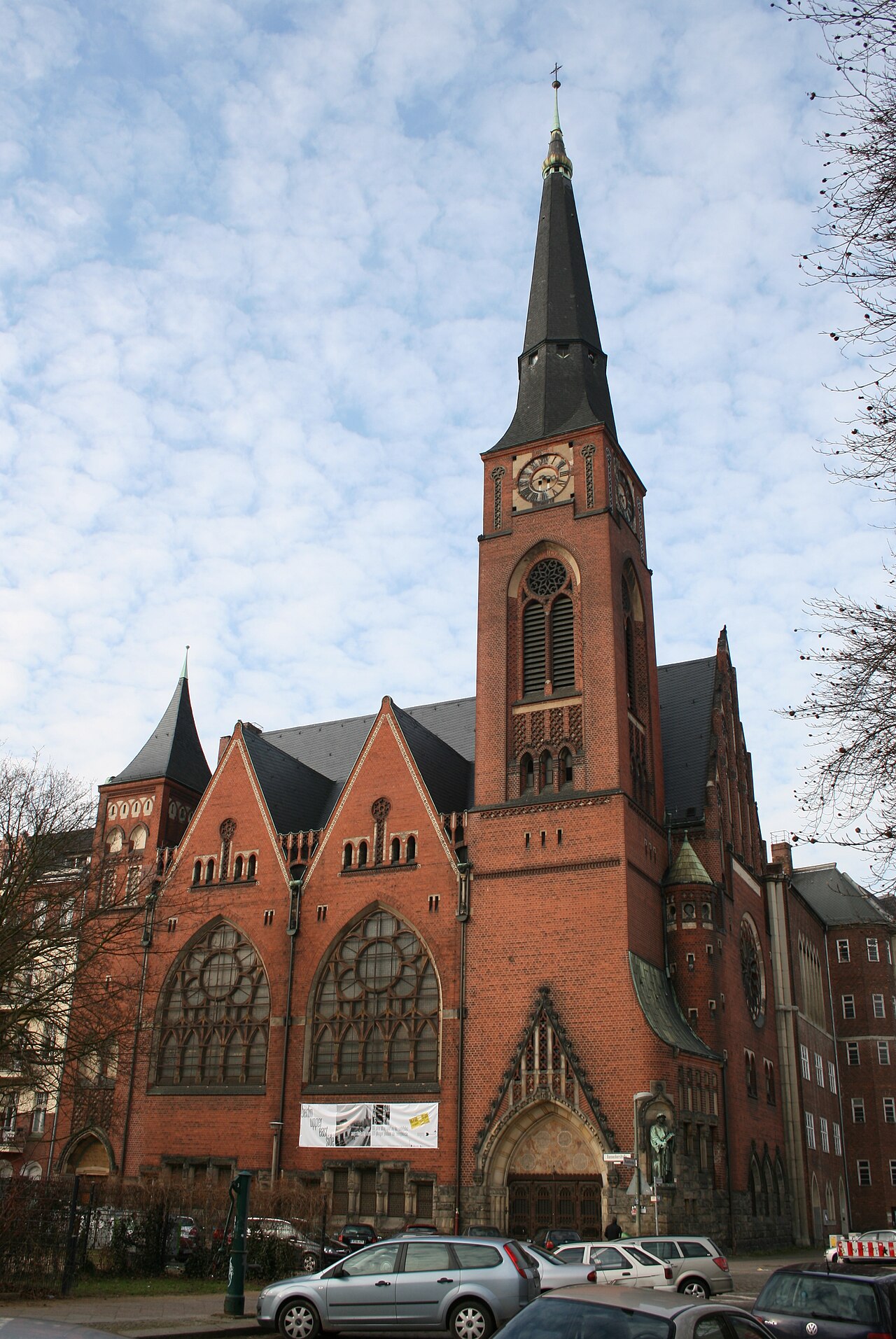
Zwinglikirche
- Notable · Heritage site
- Place of worship
Language · 11 published
Art and culture venue · Berlin
Reviewed by Elena Voss · Roavina Travel Editor
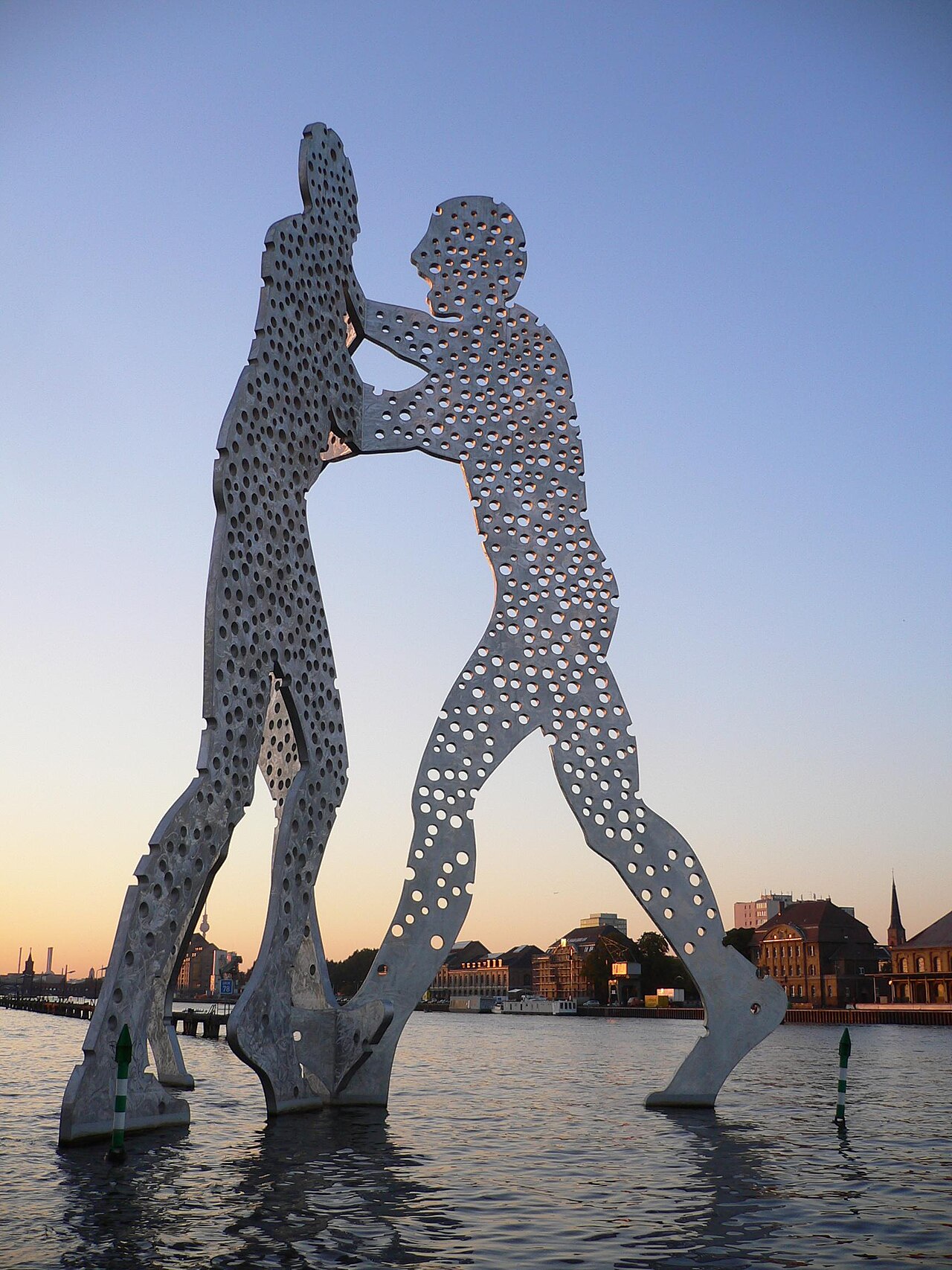
This place is a Artwork. It was established in 1997. It is built of aluminium.
Molecule Man is a monumental aluminium sculpture standing in the Spree between Treptow and Kreuzberg. American artist Jonathan Borofsky created the work, which consists of three intersecting human figures about thirty metres tall. Installed in 1999, it has become a distinctive Berlin landmark visible from riverbanks and the Elsenbrücke bridge, where its open silhouettes meet the water, sky and city skyline. Molecule Man is a monumental aluminium sculpture standing in the Spree River between the districts of Treptow and Kreuzberg. Created by American artist Jonathan Borofsky, the artwork depicts three intersecting human figures, each approximately thirty metres tall, with holes perforated through their bodies. The sculpture was installed in 1999 and has become a distinctive landmark visible from the riverbanks and the nearby Elsenbrücke bridge. It symbolises the meeting point of molecules and the unity of humanity. No. The sculpture is not accessible internally. It is a hollow aluminium structure designed for external viewing only.
Checked 2026-08-26 · Source
There is no visitor interior to explore. Molecule Man is a hollow structure made from welded aluminium plates, designed to be viewed from outside. Perforations pass through the figures, allowing light and wind to shape the sculpture’s appearance. Its artistic effect changes with reflections on the Spree, cloud cover, skyline and viewing angle, so the river setting is part of the work’s experience. The sculpture itself is hollow and constructed from welded aluminium plates. Visitors cannot enter the structure. The artistic interest lies in its external form and its relationship with the surrounding water and sky. The perforated holes create striking light effects and allow wind to pass through. The figures appear to merge at their centre, suggesting molecular bonding. The river setting means the sculpture is constantly framed by changing water reflections and urban backdrop, offering variable aesthetic experiences throughout the day and across seasons.
Checked 2026-08-26 · Source
Plan ten to twenty minutes for a direct look at Molecule Man and a few photographs. The sculpture is most rewarding when combined with a walk along the Spree, a crossing of Elsenbrücke or a visit to nearby Treptower Park. Add more time if you want to compare riverbank and bridge viewpoints, or if the changing reflections and skyline become the focus of your stop. A visit to Molecule Man requires minimal time commitment. Most visitors spend between ten and twenty minutes viewing the sculpture from the riverbank. The experience is typically combined with walks along the Spree, visits to nearby Treptower Park, or crossing the Elsenbrücke bridge for alternative perspectives. There are no queues, guided tours, or interpretive installations at the site itself.
Checked 2026-08-26 · Source
As outdoor public art, Molecule Man can be viewed at any time. Daylight gives the clearest view of the aluminium figures and their perforations. Morning and evening light create stronger contrast, while sunset from the western bank can turn the sculpture into a silhouette. Summer evenings bring more riverside activity; winter offers a colder, more exposed atmosphere with less shelter.
Checked 2026-08-26 · Source
Viewing Molecule Man from public riverbanks is free and does not involve a ticket or entrance gate. The sculpture is public outdoor art rather than a staffed attraction. A river cruise that passes the figures is a separate experience with its own arrangements, but ground-level observation from the surrounding public areas carries no admission charge.
Checked 2026-08-26 · Source
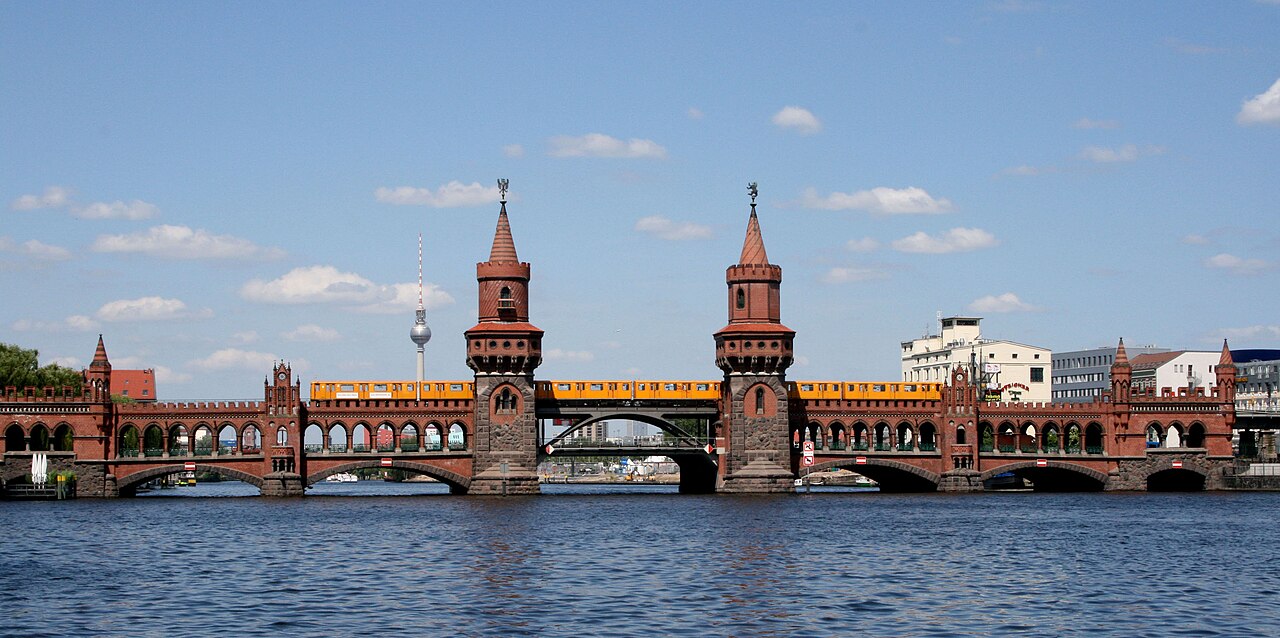
Elsenbrücke provides a clear elevated viewpoint and connects Kreuzberg with Treptow. Treptower Park and Schöneweide are named public transport approaches, followed by walking. You can also reach the sculpture along riverside paths from the Treptow side. Cycling suits the Spree route. Dedicated parking is not provided at the sculpture, and signage is limited, so the distinctive three-figure form is a useful navigation landmark.
Checked 2026-08-26 · Source
The Spree banks can be uneven or slippery, and some viewpoints sit close to the water without continuous protective barriers. Strong currents make entering the river dangerous. Elsenbrücke carries heavy traffic, so use designated pedestrian areas. Lighting and shelter are limited after dark, while wind and weather are pronounced beside the river. The best viewpoints may require sloping or unpaved paths.
Checked 2026-08-26 · Source
Elsenbrücke gives an elevated composition of all three figures against Berlin’s skyline. Riverbank viewpoints bring the Spree into the foreground and can capture reflections beneath the aluminium forms. Wide-angle framing helps include the sculpture’s full height, while strong sunlight highlights the perforations and shadows. Early morning offers calmer water. Drone use is subject to German aviation rules and Berlin restrictions.
Checked 2026-08-26 · Source
No. The sculpture is a hollow welded-aluminium structure intended for external viewing from the riverbanks and bridge.
Yes. Viewing the sculpture from public riverbanks is free and requires no admission ticket.
Elsenbrücke offers an elevated view, while the Treptow riverbank provides waterside perspectives and reflection photographs.
Most direct visits take ten to twenty minutes, with additional time useful for riverside walks or comparing several viewpoints.
No. It is an outdoor public sculpture standing in the Spree and viewed from public riverbanks or Elsenbrücke.
Treptower Park and Schöneweide are named public transport approaches, with walking required after arrival.
Loading the interactive map…
The interactive map could not be loaded.
Last updated:
Source: OpenStreetMap contributors, Wikidata ·