
1 min walk
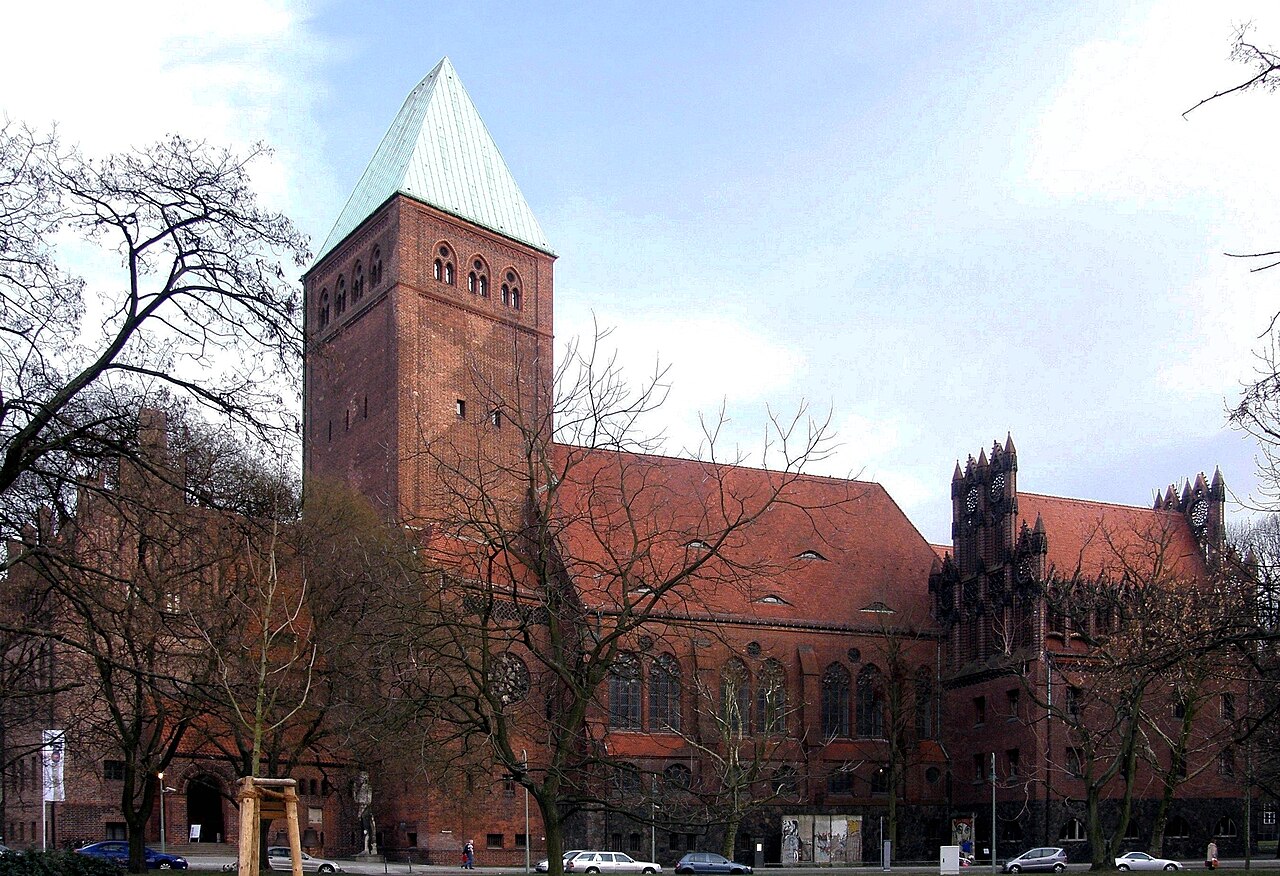
Märkisches Museum
- Notable · Heritage site
- Museum
Language · 11 published
Nature site · Berlin
Reviewed by Elena Voss · Roavina Travel Editor
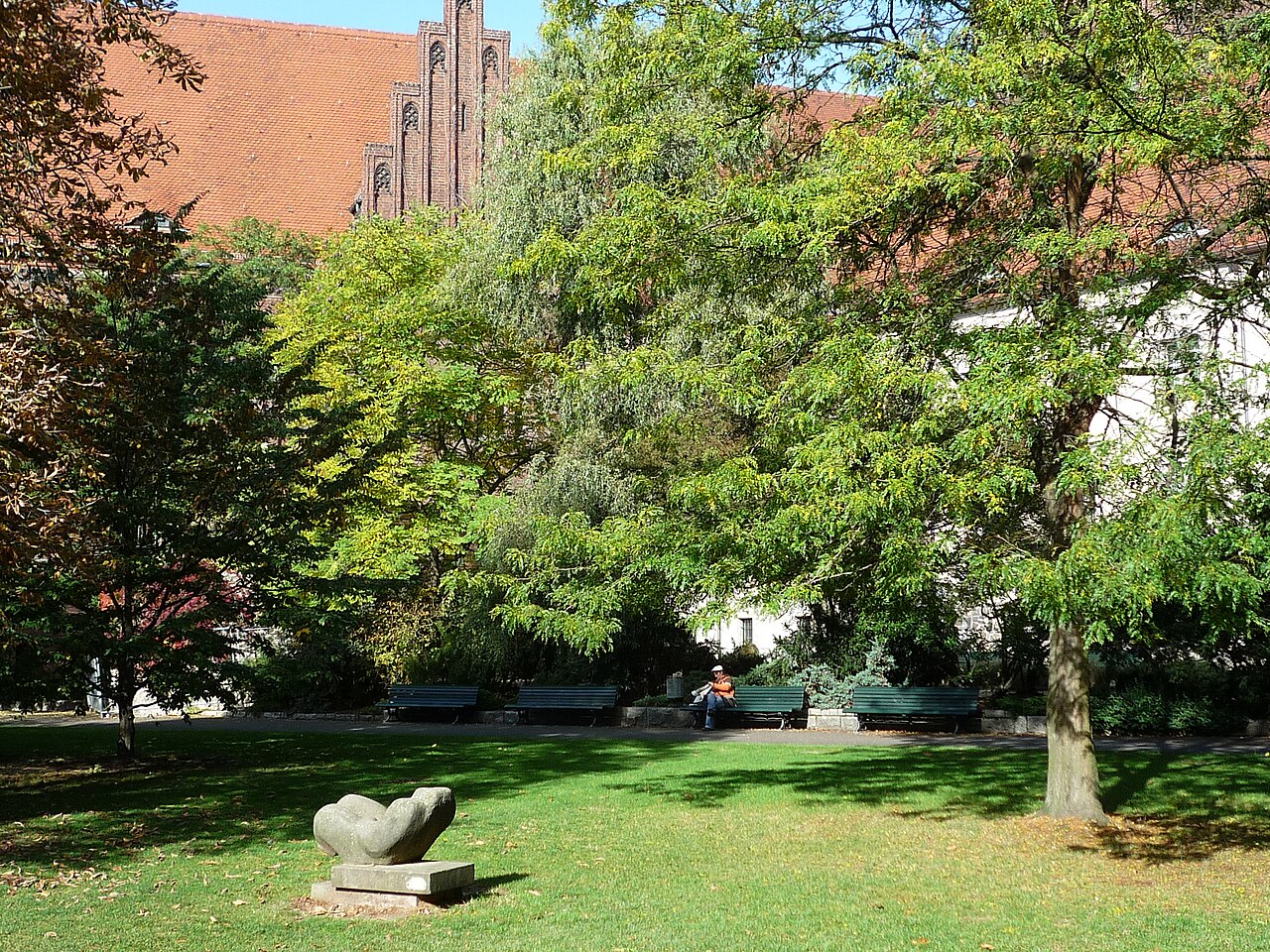
This place is a Park. It was established in 1738. It carries the cultural heritage monument in Berlin heritage designation.
Köllnischer Park is a public green space in Berlin’s Mitte district, close to the Spree and the historic Nikolai quarter. It occupies land associated with the former settlement of Cölln, which later joined Berlin. Today, trees, lawns, paths and the reconstructed Bärenzwinger create a compact pause within the dense central city. The park works especially well as a short stop between nearby historic sights. Köllnischer Park is a public green space in Berlin's Mitte district, situated near the Spree River in the historic Nikolai quarter. The park occupies land with medieval origins, where the settlement of Cölln once stood before merging with Berlin. Today it serves as a recreational area amid dense urban development, offering trees, lawns, and pathways. The park contains the reconstructed bear pit, a historical feature referencing Berlin's heraldic animal. Its location places it within walking distance of significant heritage sites including the Nikolaikirche and the Red City Hall.
Checked 2026-08-26 · Source
The Bärenzwinger is the park’s defining feature, linking the site with Berlin’s heraldic bear and civic history. Mature trees, lawns and landscaped grounds provide a simple setting for a walk or a short rest. Paths connect the park with surrounding streets and the Nikolai quarter, where visitors can continue toward reconstructed historic buildings, the Nikolaikirche and other central attractions. The experience is primarily outdoor and atmospheric rather than activity-led. The park's most distinctive feature is the Bärenzwinger, or bear pit, which historically held live bears as symbols of the city. Mature trees and landscaped grounds provide shade and seating areas. The surrounding Nikolai quarter offers reconstructed historic buildings, museums, and the Nikolaikirche, Berlin's oldest church. The park functions primarily as passive green space rather than an activity destination, with walking paths connecting to adjacent streets and attractions.
Checked 2026-08-26 · Source
Allow around fifteen to thirty minutes for a focused walk through Köllnischer Park and a look at the Bärenzwinger. A longer pause suits travelers using the lawns and seating as a break from central-city sightseeing. The park becomes more worthwhile when combined with the Nikolai quarter, the Nikolaikirche, nearby museums or the Red City Hall, turning a brief green-space visit into part of a broader walking route. A visit to Köllnischer Park requires minimal dedicated time for the park itself, perhaps fifteen to thirty minutes for a brief walk and observation of the bear pit structure.
Checked 2026-08-26 · Source
Spring through autumn offers the most comfortable conditions for walking, sitting and viewing the park’s trees and lawns. Winter remains suitable for a short architectural and historical stop, although the outdoor setting is less inviting for a long pause. Daylight is the natural time for exploring the grounds. The park’s central position also makes it convenient to include before or after nearby sights in the Nikolai quarter.
Checked 2026-08-26 · Source
Köllnischer Park is described as public municipal green space, so the park itself is a free outdoor stop. No ticket is needed to walk through the grounds or view the Bärenzwinger. Costs may arise only from separate attractions, museums, food or transport included in the same outing. Travelers can therefore use the park as a low-cost interlude while exploring central Berlin on foot.
Checked 2026-08-26 · Source
The park lies in central Mitte, within walking distance of the Nikolai quarter and the Spree promenade. Klosterstraße and Märkisches Museum are nearby U-Bahn reference points on the U2 line, while Alexanderplatz and Hackescher Markt provide wider rail connections within a longer walk. Walking from central landmarks is practical, and the riverside approach adds a pleasant route. Limited central parking makes public transport or walking the easier choice.
Checked 2026-08-26 · Source
The Bärenzwinger recalls a period when live bears were kept as Berlin symbols, so the site is best understood as a historical feature rather than an animal attraction. The park sits in a busy urban area, making ordinary care with belongings sensible. The reconstructed character of the Nikolai quarter means historic-looking surroundings are mixed with modern urban fabric. Wet weather can affect paths and lawns, while evening visits offer less daylight for viewing the grounds.
Checked 2026-08-26 · Source
The Bärenzwinger provides the strongest subject for photographs, especially when framed with the park’s trees and surrounding urban architecture. Wider views can connect the green space with the Nikolai quarter, the Nikolaikirche tower or the Red City Hall dome. Morning and late-afternoon light can add texture to foliage and masonry. Public-park photography is suited to a discreet, hand-held approach that keeps paths clear and respects other visitors.
Checked 2026-08-26 · Source
The park’s main landmark is the reconstructed Bärenzwinger, a bear pit associated with Berlin’s heraldic bear and civic history.
Yes. Its trees, lawns, paths and seating make it suitable for a brief walk or a pause between visits to central Berlin sights.
Köllnischer Park is next to the historic Nikolai quarter in central Mitte, near the Spree River.
The park is described as public municipal green space, so walking through the grounds and viewing the Bärenzwinger is free.
A focused visit takes about fifteen to thirty minutes, with extra time useful if the park forms part of a longer Nikolai-quarter walk.
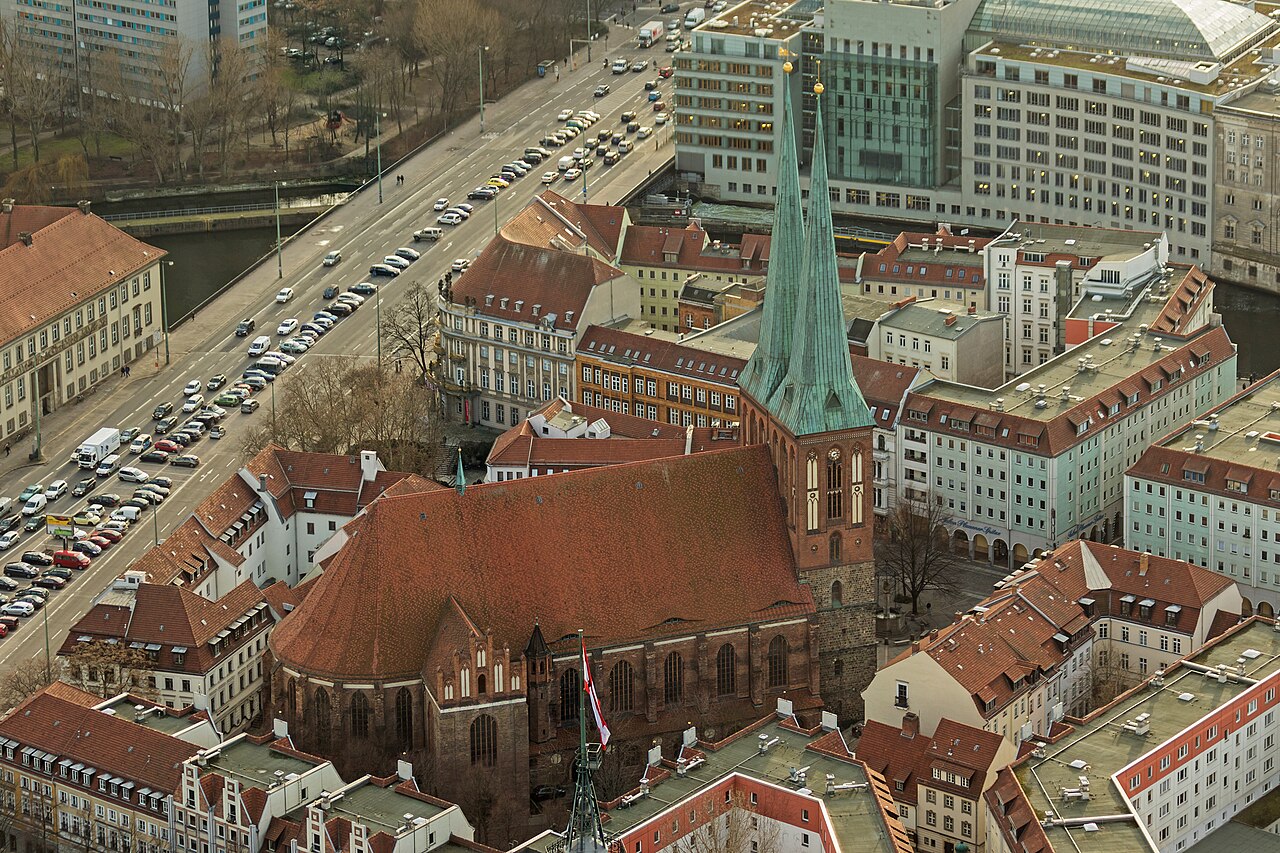
Nearby places named in the guide include the Nikolaikirche, the Red City Hall, museums and the reconstructed streets of the Nikolai quarter.
Loading the interactive map…
The interactive map could not be loaded.
Last updated:
Source: OpenStreetMap contributors, Wikidata ·