
3 min walk
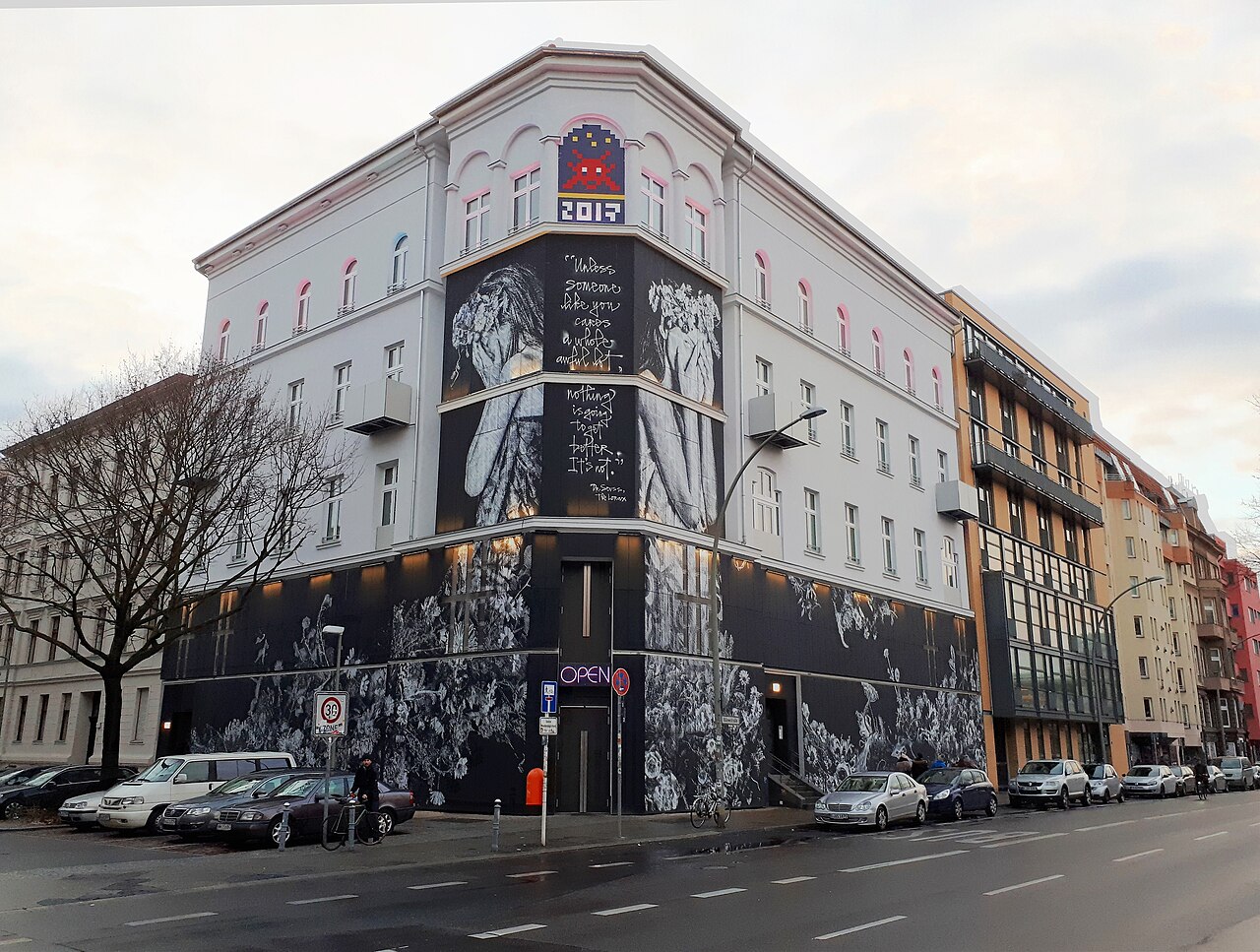
Urban Nation Museum For Urban Contempory Art
- Must see
- Museum
Language · 11 published
Place of worship · Berlin
Reviewed by Elena Voss · Roavina Travel Editor
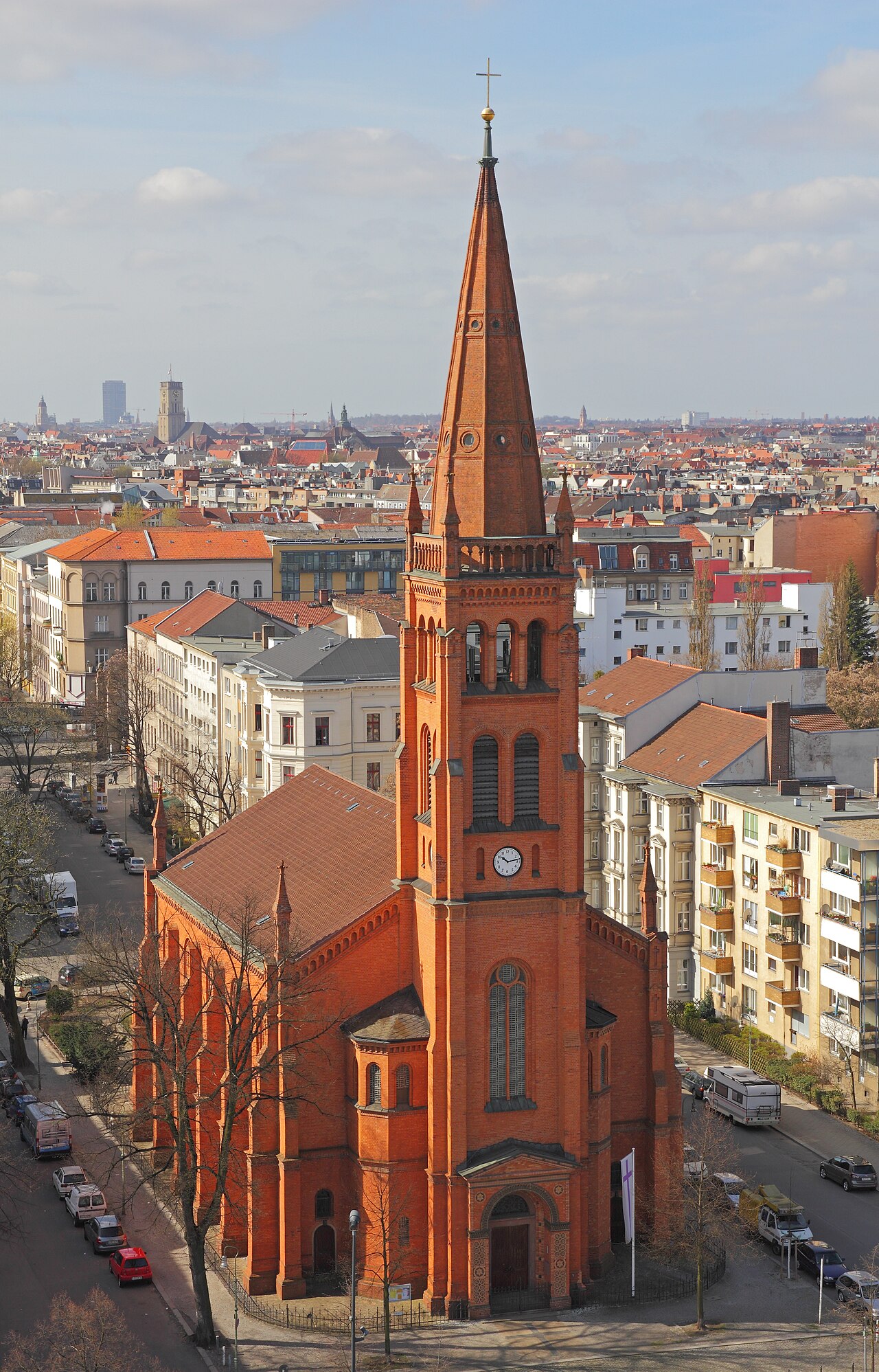
This place is a Place of worship. It was established in 1871. It was built in the Romanesque Revival architecture style. It was designed by Friedrich August Stüler. It carries the architectural heritage monument heritage designation.
Zwölf-Apostel-Kirche is a Protestant church in Berlin whose name refers to the twelve apostles of Christian tradition. It is a functioning place of worship and part of the city’s religious and architectural landscape. Travellers should approach it as a community building first, with sightseeing value coming from its setting, exterior and the possibility of a quiet interior visit. Zwölf-Apostel-Kirche is a Protestant church in Berlin, known locally by this name. The building serves as a place of worship and stands as part of the city's extensive ecclesiastical architectural heritage. Its name references the twelve apostles of Christian tradition. The church contributes to the religious and cultural fabric of its neighbourhood, offering visitors an opportunity to observe Berlin's diverse church architecture. As a functioning religious building, its primary purpose remains spiritual rather than touristic, though visitors may appreciate its exterior and, when accessible, its interior spaces. As an active church, entry may be possible during services or announced open times, but verification through official channels is essential before visiting.
Checked 2026-08-26 · Source
The interior is organised for congregational worship rather than museum display. Visitors may encounter a central worship space with seating and furnishings serving the church community. Look at the relationship between the building’s entrance, seating and focal area, while allowing worshippers to use the space without interruption. Any visit is more rewarding when approached with patience and attention to the church’s active role. Visitors should expect a space arranged for congregational worship rather than museum display. Any stained glass, sculptures, or historical fittings would require direct observation or authoritative documentation to describe accurately. The church may contain community spaces used for gatherings beyond regular services.
Checked 2026-08-26 · Source
Allow fifteen to thirty minutes for the exterior and a short interior visit when access suits the congregation. Spending longer makes sense if you attend a service, sit in reflection or take time to notice the architecture. The church can be a compact stop within a Berlin walking route, rather than a destination requiring an entire day. Keep your schedule adaptable around worship. A visit to Zwölf-Apostel-Kirche would typically require brief observation of the exterior, perhaps fifteen to thirty minutes, with additional time if interior access is possible during open hours. Those attending a service would allocate time accordingly. The duration depends entirely on individual interest in architectural examination and whether one participates in religious activities. No guided tour information is available. Visitors should plan flexibly, as access may be restricted during private ceremonies, maintenance, or unannounced closures common to active places of worship without public visitor infrastructure.
Checked 2026-08-26 · Source
Visit in daylight for the clearest exterior impression. A Sunday or religious holiday may show the church in active use, while a quieter weekday visit may be better for observing the building without a crowded schedule. When worship is taking place, participate respectfully or return later for sightseeing. Seasonal weather mainly affects the outdoor part of the experience.
Checked 2026-08-26 · Source
Zwölf-Apostel-Kirche is a place of worship, so plan for a church visit rather than a ticketed museum admission. The exterior is suitable for a free architectural stop. If a concert or special church event forms part of your plan, that event may have its own arrangements. Keep the distinction clear between ordinary access for worship and a separately organised cultural programme.
Checked 2026-08-26 · Source
The church sits within Berlin’s built-up urban fabric and is suited to a walking itinerary through its surrounding neighbourhood. Public transport connects the city’s districts, while a current map helps with the final approach. Cycling can also make the journey part of the experience. If travelling by car, consider the practical difficulty of finding parking in Berlin before setting out.
Checked 2026-08-26 · Source
The church remains a worship space, so enter quietly and make room for services, prayer and parish activity. Choose respectful clothing and follow notices at the entrance. Avoid turning the interior into a photo session, particularly when people are gathered. Historic church buildings can include steps or narrow transitions, so a short exterior visit may be the most comfortable choice for some travellers.
Checked 2026-08-26 · Source
The church exterior can be photographed during a respectful walk through Berlin. Inside, keep photography discreet, avoid flash and do not photograph worshippers without permission. During a service, put the camera away and give attention to the congregation. Tripods and professional equipment should not dominate a shared religious space. The best images often come from the building’s relationship with its surrounding streets.
Checked 2026-08-26 · Source
It is a Protestant church and an active place of worship in Berlin.
The name refers to the twelve apostles of Christian tradition.
Allow fifteen to thirty minutes for a short exterior or interior visit, with extra time for a service.
Choose respectful clothing suitable for an active church and behave quietly inside.
Exterior photography is suitable; inside, avoid flash and photographing worshippers without permission.
Keep quiet, avoid interrupting worship and give priority to the congregation using the church.
Loading the interactive map…
The interactive map could not be loaded.
Last updated:
Source: OpenStreetMap contributors, Wikidata ·