
2 min walk
Kupferstichkabinett Berlin
- High
- Museum
Language · 11 published
Museum · Berlin
Gemäldegalerie am Kulturforum
Reviewed by Elena Voss · Roavina Travel Editor
| Monday | Closed |
|---|---|
| Tuesday | 10:00 – 18:00 |
| Wednesday | 10:00 – 18:00 |
| Thursday | 10:00 – 18:00 |
| Friday | 10:00 – 18:00 |
| Saturday | 10:00 – 18:00 |
| Sunday | 10:00 – 18:00 |
Parsed from OpenStreetMap opening hours on 2026-09-09.
This place is a Museum. It opened in 1830. It was designed by Christoph Sattler.
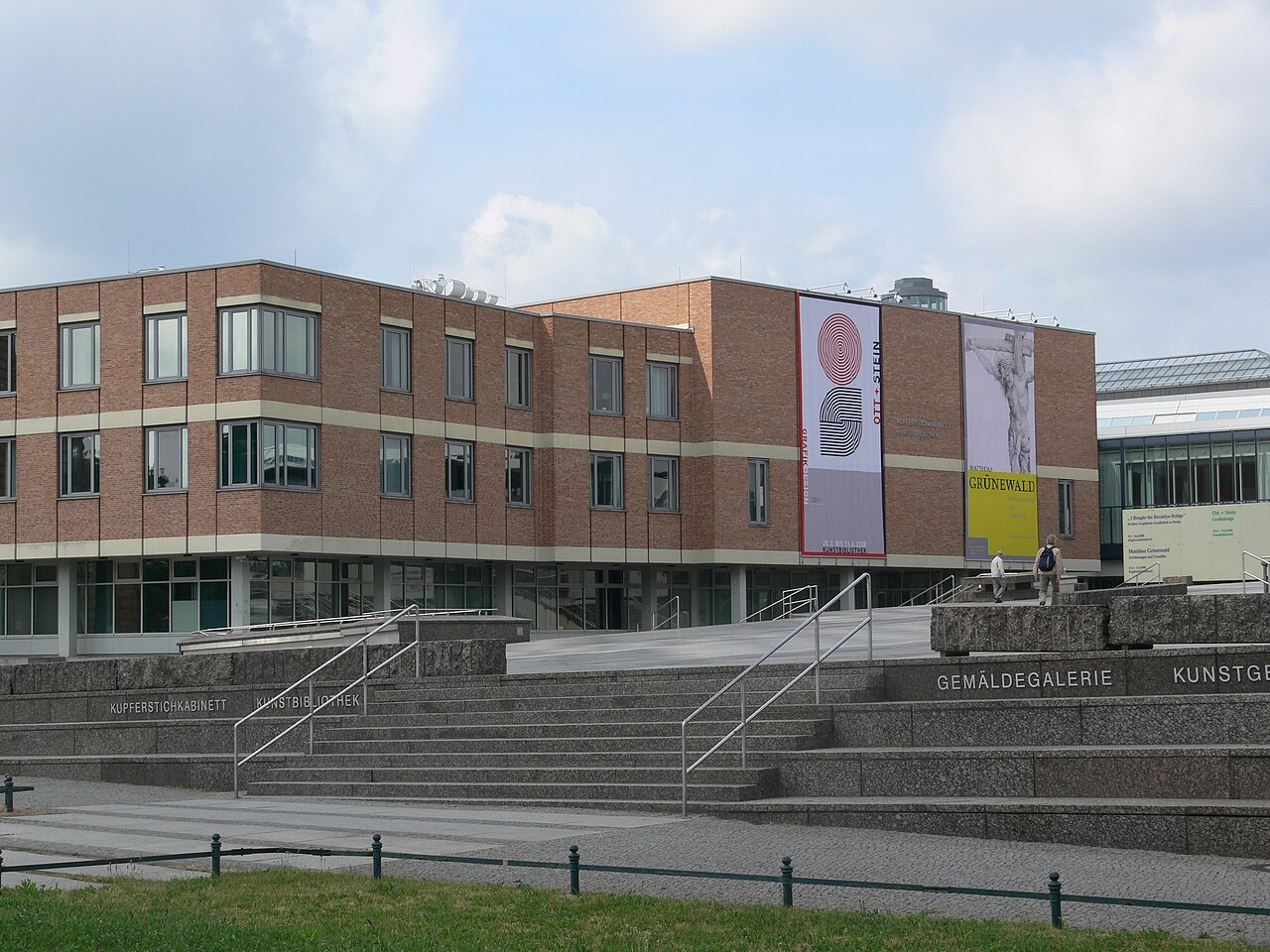
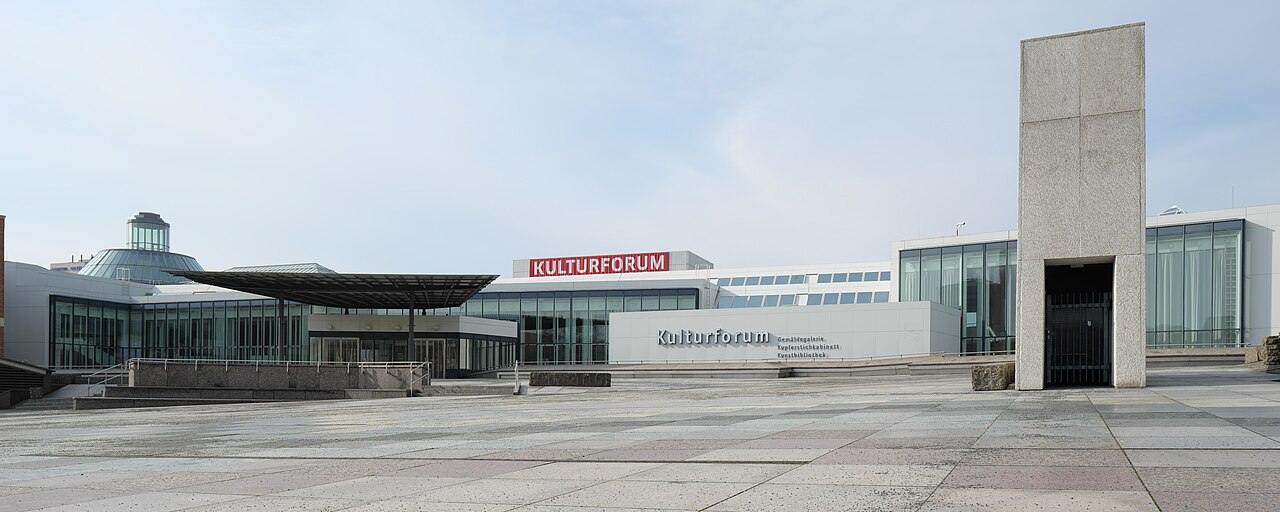
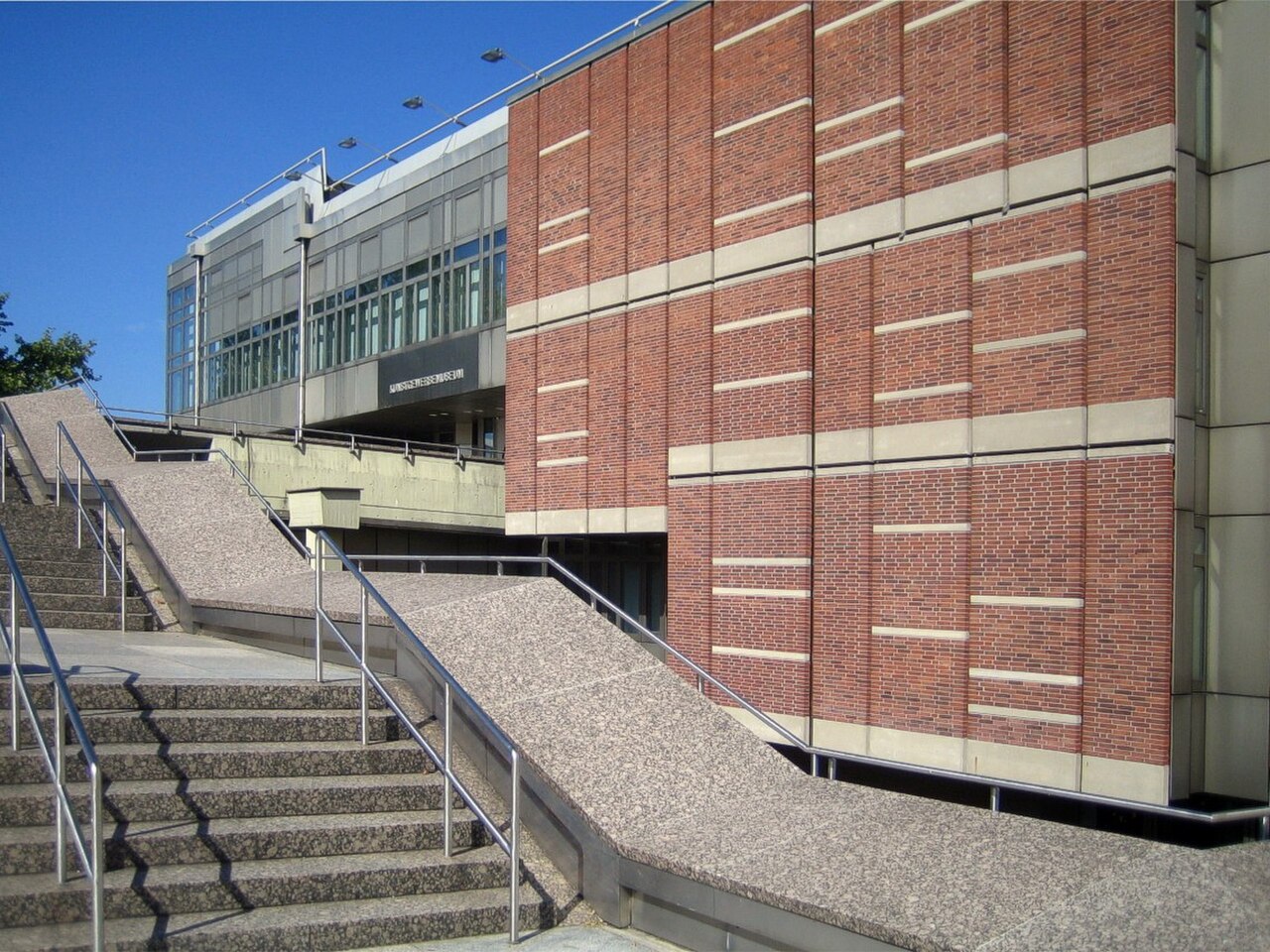
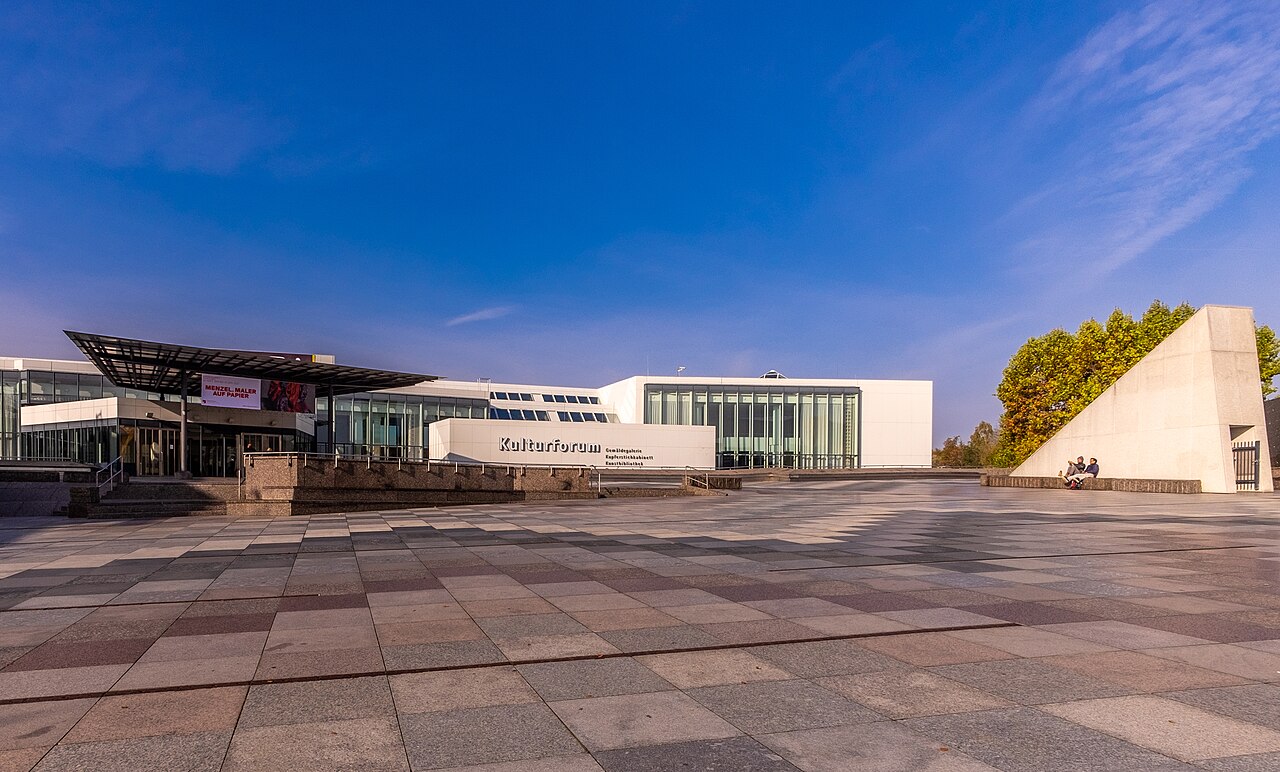
The Gemäldegalerie Berlin, locally known as Gemäldegalerie am Kulturforum, is a major art museum in Berlin, Germany. It forms part of the Kulturforum complex and houses one of the world's finest collections of European paintings from the thirteenth to eighteenth centuries. The museum was established to preserve and display masterworks spanning medieval religious panels through Renaissance and Baroque periods. Its systematic arrangement allows visitors to trace the development of Western painting across centuries. The building itself provides purpose-designed gallery spaces with controlled lighting that serves the collection's conservation needs.
Checked 2026-08-26
The collection encompasses Old Master paintings from major European schools including Italian, Dutch, Flemish, German, French, and Spanish works. Visitors encounter religious altarpieces, mythological scenes, portraits, landscapes, and genre paintings. The holdings include works by artists such as Jan van Eyck, Hieronymus Bosch, Albrecht Dürer, Raphael, Titian, Caravaggio, Peter Paul Rubens, and Rembrandt van Rijn. The museum organizes its displays chronologically and by regional school, permitting comparative study of stylistic developments. Individual gallery rooms focus on specific periods or artistic centers, creating a coherent narrative through the history of European painting.
Checked 2026-08-26
Most visitors allocate between two and three hours for a meaningful initial visit to the Gemäldegalerie. Art historians and dedicated enthusiasts may extend this to half a day or longer given the collection's depth. The chronological layout permits shorter thematic visits focusing on preferred periods. First-time visitors seeking highlights from each major school should plan generously. Return visits reward those wishing to examine individual works closely without fatigue. The museum's scale demands pacing; attempting comprehensive viewing in under ninety minutes risks superficial engagement with major masterworks that merit sustained attention.
Checked 2026-08-26
Visitors should consult official channels before planning visits. The museum typically experiences greater crowding during weekends and holiday periods when domestic and international tourism peaks. Morning hours generally offer quieter conditions for contemplative viewing. School holiday periods may increase family visitation. Special exhibitions can generate additional demand affecting queue times and gallery congestion. Seasonal variations in Berlin's tourist flow influence visitor density, with summer months and December particularly busy. Advance planning remains advisable regardless of timing, especially for visitors with specific scheduling constraints or accessibility requirements. Check the operator's own site for the travel date before relying on a schedule or fare.
Checked 2026-08-26
Visitors should verify current admission fees through official museum channels before arrival. The Gemäldegalerie participates in broader Berlin museum pass schemes that may offer combined entry to multiple institutions. Reduced rates sometimes apply for specific visitor categories, though eligibility criteria require confirmation. Online advance purchase may be available and is worth investigating during high-demand periods. Group rates and educational pricing structures, where offered, typically require advance arrangement. Free admission policies for particular days or demographics, if any, must be confirmed directly with the institution rather than assumed. Check the operator's own site for the travel date before relying on a schedule or fare.
Checked 2026-08-26
The Gemäldegalerie occupies the Kulturforum in Berlin's Tiergarten district, west of Potsdamer Platz. Public transport access utilizes nearby U-Bahn and S-Bahn stations, with walking connections required. Potsdamer Platz serves as the principal orientation point, with the Kulturforum complex situated slightly northwest. Bus routes also serve the surrounding area. Cyclists find Berlin's infrastructure accommodates bike access, with parking facilities near major cultural venues. The museum's location within a cluster of cultural institutions permits combined itinerary planning. Visitors should consult current transit maps as route configurations and station names may evolve with infrastructure developments.
Checked 2026-08-26
The collection's chronological arrangement rewards attentive observation of stylistic evolution across centuries. Visitors should note the transition from medieval gold-ground panels to naturalistic Renaissance spatial construction. Comparative viewing of Northern and Italian Renaissance approaches to similar subjects reveals distinct cultural priorities. The Dutch Golden Age rooms contain works requiring close inspection of refined technique. Climate-controlled environments maintain preservation standards; visitors should respect protective measures. Large bags may face restrictions. Audio guide availability and content should be confirmed on arrival. Temporary closures of individual galleries for conservation work occasionally occur without extensive advance publicity.
Checked 2026-08-26
Photography policies within the Gemäldegalerie require verification at entry, as regulations may restrict or permit imaging under specified conditions. Flash photography is typically prohibited across major museums to prevent cumulative light damage to sensitive pigments and varnishes. Tripod and selfie stick restrictions commonly apply for visitor flow and safety reasons. Works under copyright or loan from private collections may carry additional imaging prohibitions. Visitors should observe signage and staff guidance regarding permissible photography. Where personal photography is permitted, sharing on social media platforms may still face limitations depending on specific institutional policies and applicable intellectual property frameworks.
Checked 2026-08-26
The museum welcomes younger visitors, though the collection's focus on Old Master paintings may engage school-age children more readily than very young visitors. Parental selection of visually accessible works and manageable visit durations improves family experiences.
Tour availability and scheduling must be confirmed through official museum channels. The institution may offer public tours, private group arrangements, or educational programming subject to current operational status.
Modern purpose-built museum infrastructure typically incorporates accessibility features, though visitors with specific mobility requirements should confirm current provisions, elevator access, and accessible restroom facilities directly with the institution.
Museum shops typically offer reproductions and merchandise derived from collection highlights. Specific availability and product ranges vary and should be confirmed during visits or through official channels.
Café or restaurant facilities within or adjacent to major museums are common but not guaranteed. Visitors should verify current food service options, or plan to utilize establishments in the surrounding Potsdamer Platz and Tiergarten areas.
The Gemäldegalerie operates within Berlin's state museum system. Its Kulturforum location places it near other cultural institutions, permitting combined visits. Distinct collections at Museum Island and other sites complement rather than duplicate its Old Master specialization.
Loading the interactive map…
The interactive map could not be loaded.
Last updated:
Source: OpenStreetMap contributors, Wikidata ·