
2 min walk
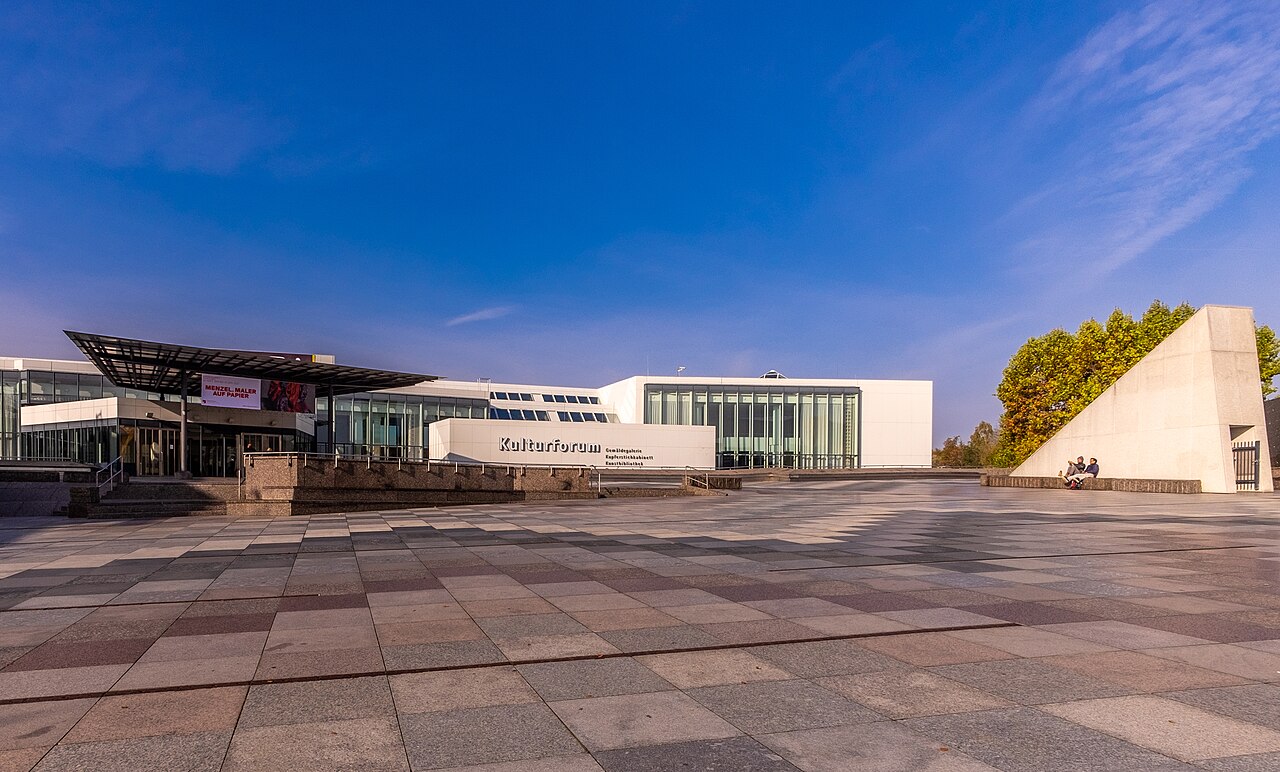
Kulturforum
- Must see · Heritage site
- Historic monument
Museum · Berlin
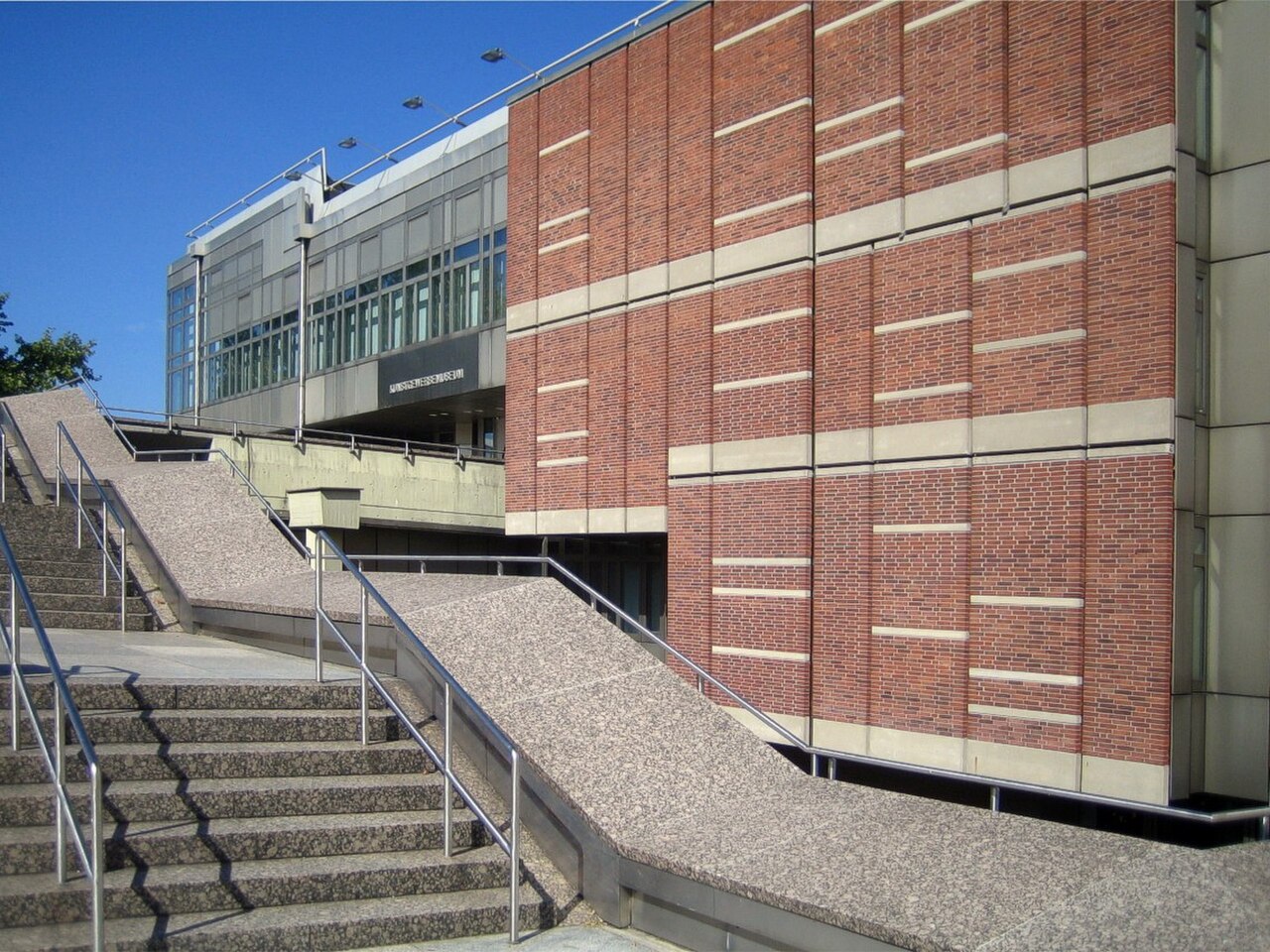
Kunstgewerbemuseum
| Monday | Closed |
|---|---|
| Tuesday | Closed |
| Wednesday | 10:00 – 17:00 |
| Thursday | 10:00 – 17:00 |
| Friday | 10:00 – 17:00 |
| Saturday | 11:00 – 18:00 |
| Sunday | 11:00 – 18:00 |
Parsed from OpenStreetMap opening hours on 2026-09-09.
Berlin’s Museum of Decorative Arts, the Kunstgewerbemuseum, explores the history of applied art and design through objects made for use, display and ceremony. It forms part of the Staatliche Museen zu Berlin and brings together craftsmanship across several centuries. Textiles, ceramics, furniture, metalwork and glass show how materials, technology, taste and social life influence one another. The museum suits visitors who enjoy close looking and the relationship between beauty, function and everyday objects. The Kunstgewerbemuseum, or Museum of Decorative Arts, is one of Berlin's significant cultural institutions dedicated to applied arts and design. It forms part of the Staatliche Museen zu Berlin, the national museum complex. The museum houses extensive collections spanning centuries of decorative craftsmanship. Its holdings include textiles, ceramics, metalwork, furniture, and glass from European and other traditions. The institution serves as a major repository for understanding material culture and the evolution of design practices through historical periods. The museum operates from two locations: Kulturforum near Potsdamer Platz and Schloss Köpenick in eastern Berlin. Collections are distributed between both sites.
Checked 2026-08-26 · Source
The collections include medieval reliquaries, Renaissance cabinets, Baroque silver, historical fashion, textiles, ecclesiastical objects, porcelain, faience, stained glass, jewellery and Art Nouveau works. Period rooms and carefully made individual objects give the visit a strong material focus. Look for the differences between objects created for worship, domestic life, courtly display and personal adornment. The museum’s strength lies in comparing techniques and uses across periods rather than moving through a single chronological art story. The museum's collections encompass diverse decorative art forms including medieval reliquaries, Renaissance cabinets, Baroque silverware, and Art Nouveau objects. Notable holdings feature historical fashion and textiles, ecclesiastical treasures, and period room installations. The institution preserves craftsmanship from porcelain and faience to stained glass and jewelry. Visitors encounter objects demonstrating technical mastery across materials.
Checked 2026-08-26 · Source
Allow about ninety minutes to two and a half hours for a substantial visit. A highlights-focused route can be shorter, while visitors interested in textiles, historical interiors, ceramics or metalwork will benefit from taking time with labels and construction details. The museum rewards slow observation: compare surfaces, joinery, decoration and intended use instead of treating each object as an isolated image. A focused visit also leaves room to continue exploring Berlin’s Kulturforum area afterwards.
Checked 2026-08-26 · Source
The indoor galleries make the museum a useful choice in any season, especially when Berlin weather discourages a long outdoor itinerary. Weekday mornings generally favour quieter looking conditions than busy periods. Give extra attention to the current exhibition arrangement when planning around a particular object or collection, because museum displays can change as works rotate, travel or undergo conservation. Combining the visit with other Kulturforum institutions creates an efficient cultural day in the city.
Checked 2026-08-26 · Source
The museum belongs to the Staatliche Museen zu Berlin network, so its visit sits within that wider museum system. Plan the Kunstgewerbemuseum as a dedicated museum stop and treat any multi-museum ticket as a separate purchasing decision. The value of the visit comes from the breadth of applied-art collections, not from rushing through several institutions under one schedule.
Checked 2026-08-26 · Source
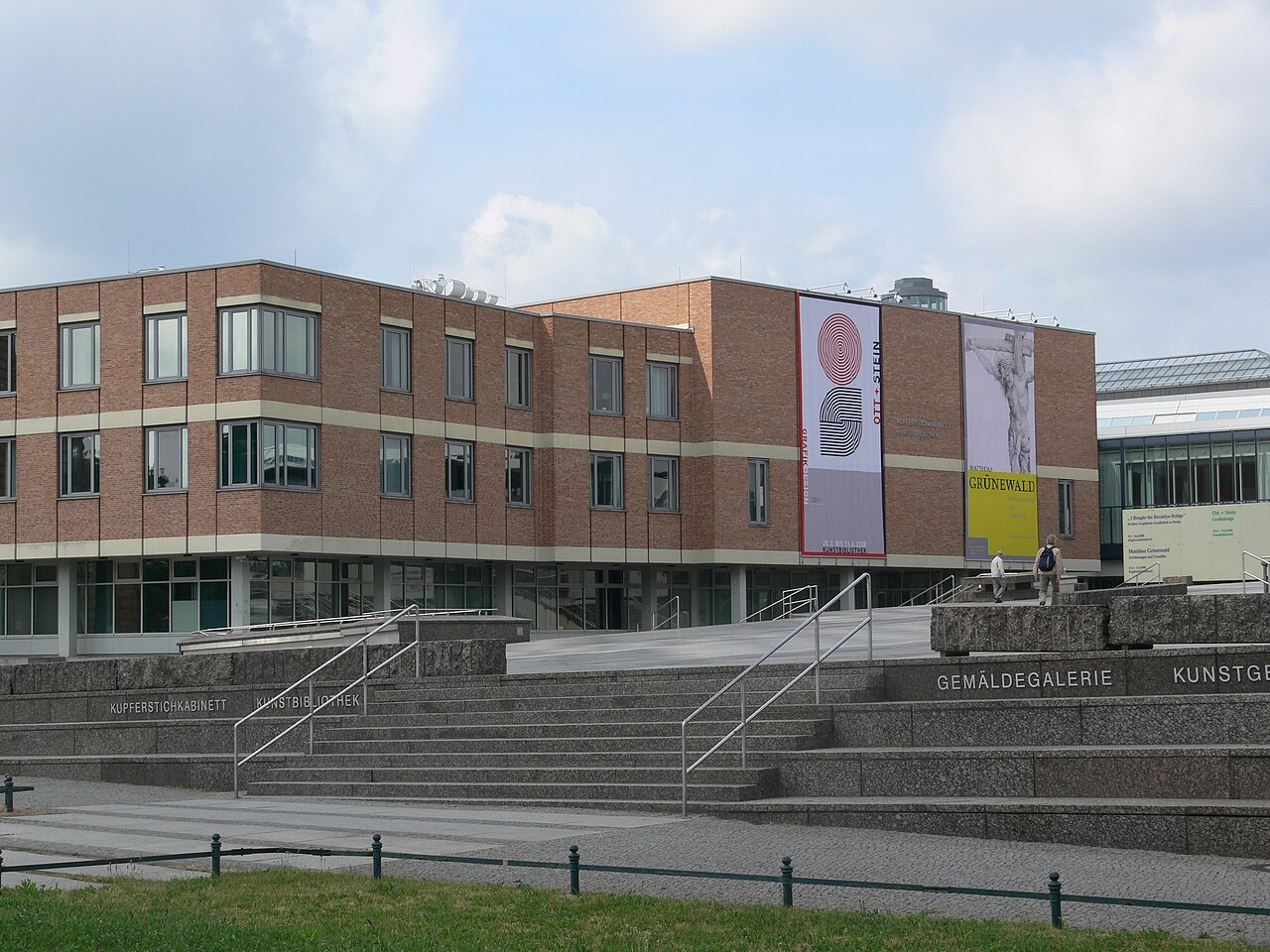
The Kunstgewerbemuseum has a principal location at Berlin’s Kulturforum near Potsdamer Platz and another location at Schloss Köpenick. These are separate destinations, so identify the site connected with your chosen collection before setting out. Kulturforum fits naturally with central Berlin’s rail and urban transport network. Schloss Köpenick requires a separate journey into the eastern district. Do not plan to move between both sites casually; the distance changes the shape of the day.
Checked 2026-08-26 · Source
The two-site arrangement is the main practical feature to keep in mind. Collections are distributed, and individual works may be rotated, conserved or lent elsewhere. Museum rules also matter: do not touch objects, follow bag and gallery instructions, and observe signs around photography. If your interest is a specific period or object type, build the visit around the relevant display rather than expecting every holding to be visible in one room or on one day.
Checked 2026-08-26 · Source
Photography should follow the signs and staff instructions in each gallery. Flash is unsuitable for sensitive museum objects and may be prohibited, while temporary exhibitions can apply rules different from the permanent displays. Keep cameras and phones from interrupting other visitors’ viewing, and avoid leaning equipment against cases or furniture. The most rewarding images often come from details of material, pattern and construction, but the objects remain the priority over personal photography.
Checked 2026-08-26 · Source
The museum has a principal site at Kulturforum near Potsdamer Platz and another location at Schloss Köpenick.
The collections include textiles, ceramics, furniture, metalwork, glass, jewellery, fashion, reliquaries and period interiors.
Allow approximately ninety minutes to two and a half hours, depending on whether you follow highlights or study particular materials and periods.
Yes. Its collections are presented indoors, making it a practical cultural stop when outdoor sightseeing is uncomfortable.
The museum focuses on applied arts and design, showing how materials, craftsmanship, function and decoration developed across historical periods.
They are separate sites, so visiting both requires deliberate transport planning rather than an easy walk between galleries.
Loading the interactive map…
The interactive map could not be loaded.
Last updated:
Source: OpenStreetMap contributors, Wikidata ·