
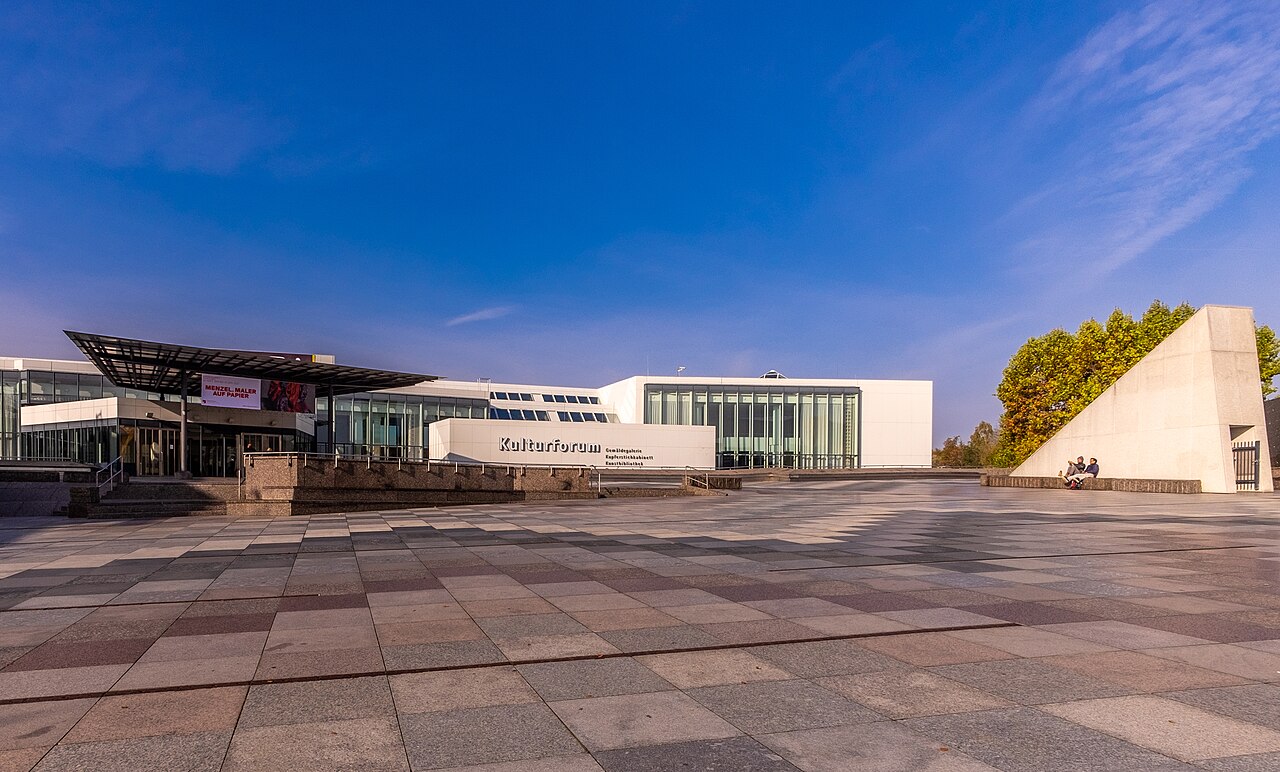
1 min walk
Kulturforum
- Must see · Heritage site
- Historic monument
Language · 11 published
Museum · Berlin
Kupferstichkabinett
Reviewed by Elena Voss · Roavina Travel Editor
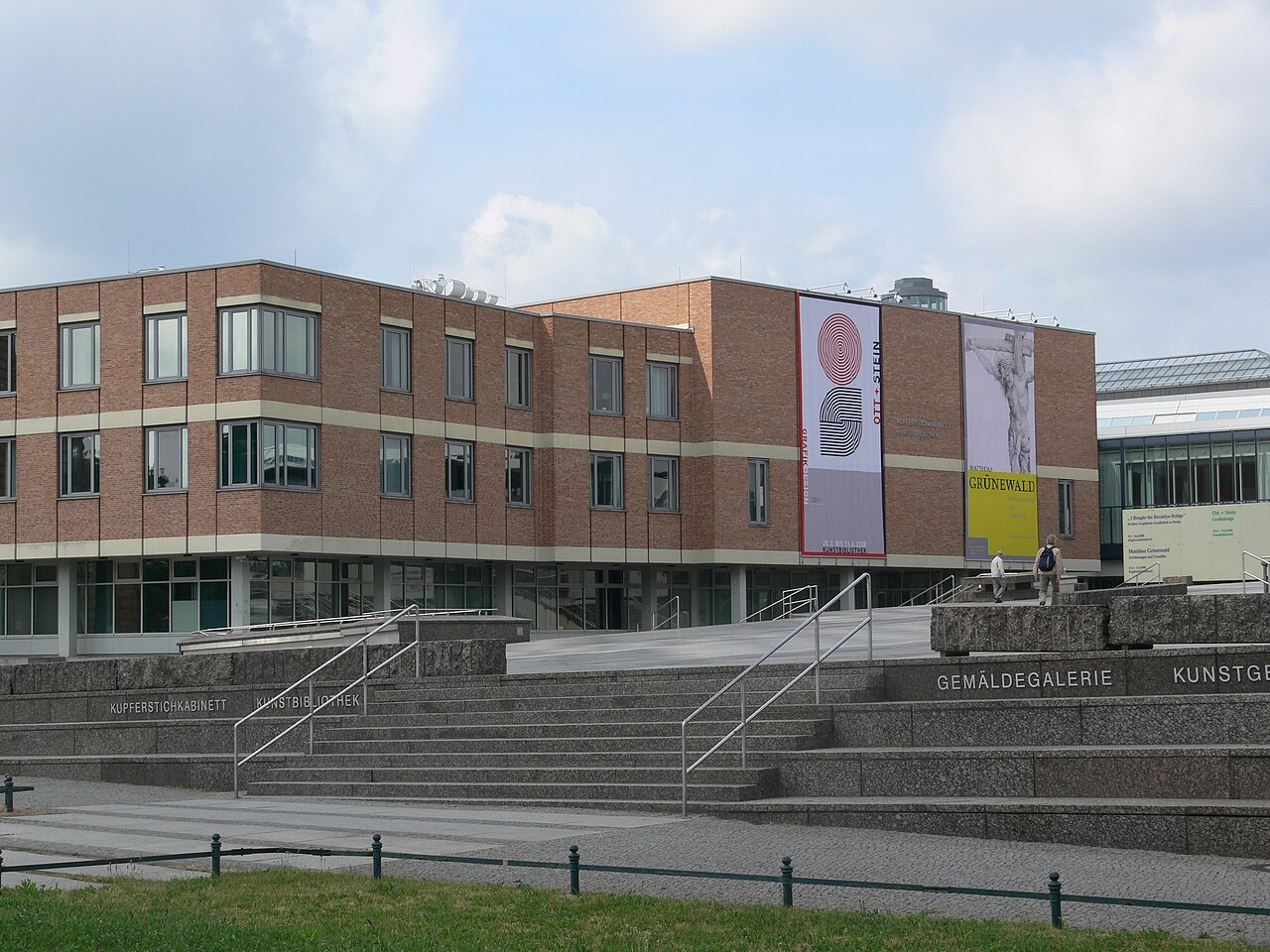
This place is a Museum. It was established in 1832.
Kupferstichkabinett Berlin is Berlin’s Museum of Prints and Drawings and part of the Staatliche Museen zu Berlin. It is a specialist collection devoted to graphic art on paper, with works spanning multiple centuries and major European artistic traditions. This is a museum for close looking: the interest lies in line, detail, technique, paper, and the choices made by artists working beyond the painted canvas. Its place within Berlin’s museum landscape makes it a natural stop for travellers interested in art history, drawing, printmaking, or the quieter side of the city’s cultural life. The Kupferstichkabinett Berlin is the Museum of Prints and Drawings, forming part of the Staatliche Museen zu Berlin. It ranks among the world's most significant collections of graphic art, housing works on paper spanning multiple centuries. The specialized focus on prints and drawings demands sustained quiet attention that may challenge younger visitors. The institution does not emphasize interactive elements typical of family-oriented museums. Parental discretion advised based on individual child temperament and prior museum experience.
Checked 2026-08-26 · Source
Inside, visitors encounter drawings, prints, and illustrated books selected from extensive holdings. The collection includes important Old Master drawings alongside graphic works from different periods and European traditions. Exhibits are presented as curated selections rather than a complete display of everything held by the institution. Rotating exhibitions are especially important because paper works require careful conservation and controlled exposure to light. Give yourself time to study individual sheets closely; the smallest marks, changes in line, and layered techniques reward patient attention more than a rapid circuit.
Checked 2026-08-26 · Source
A focused visit can take about one hour, particularly if you concentrate on one exhibition or a small group of works. Travellers who enjoy drawing, printmaking, or the history of paper-based art will benefit from allowing longer, since the collection invites close examination rather than quick visual scanning. The museum works well as one carefully chosen cultural stop within a larger Berlin day. Temporary exhibitions can alter the pace, especially when a popular show draws additional visitors or creates queues.
Checked 2026-08-26 · Source
Weekday mornings may offer a calmer setting for looking closely at detailed works on paper, while summer and holiday periods can bring greater pressure to Berlin’s museums. The museum is also a useful indoor choice when rain or cold makes outdoor sightseeing less comfortable. Include enough flexibility for a temporary exhibition, because its popularity can affect the rhythm of a visit. Plan it alongside other museums in Berlin’s cultural district when you want a day centred on art rather than a single landmark.
Checked 2026-08-26 · Source
Entry is connected with the Staatliche Museen zu Berlin museum network, so the practical ticket arrangement can depend on the exhibition and the wider museum programme. The collection itself is best approached as a cultural visit rather than a quick photo stop. Build your day around the works you most want to see and leave room for a temporary display. Because the practical details are not part of this guide’s confirmed facts, treat the ticket row separately from the artistic value of the museum.
Checked 2026-08-26 · Source
The museum sits within Berlin’s established cultural district, where several institutions can be combined in one walking-focused day. Berlin’s extensive public transport network connects the district with the rest of the city, and the surrounding museum landscape makes onward travel between cultural stops straightforward in principle. Use the museum’s mapped position as the destination when planning your route. Travellers staying nearby can also consider walking or cycling, then continue through the surrounding cultural streets after the visit.
Checked 2026-08-26 · Source
This is a specialist museum of fragile works on paper, so the experience depends on quiet, attentive viewing. Some displays may restrict flash photography or close approach in order to protect the objects. Climate-controlled galleries can feel cooler than the street, and popular works may attract visitors around a limited viewing area. The focus is graphic art rather than large-scale spectacle; travellers who prefer intimate detail will find that rewarding, while those seeking monumental paintings may want to pair the visit with another museum.
Checked 2026-08-26 · Source
Treat photography as secondary to the works themselves. Flash photography can damage sensitive paper-based art, and temporary exhibitions may impose additional restrictions. Tripods and selfie sticks are unsuitable for the close, quiet galleries typical of a prints-and-drawings museum. Follow the signs in each exhibition and keep other visitors’ sightlines clear. If you are carrying professional equipment or intend to make images for publication, speak with museum staff before photographing, since permissions can differ between displays and individual works.
Checked 2026-08-26 · Source
It presents drawings, prints, and illustrated books, including important Old Master drawings and graphic works from multiple European traditions.
Yes. It is Berlin’s Museum of Prints and Drawings and forms part of the Staatliche Museen zu Berlin.
A focused visit can take about one hour, while visitors deeply interested in drawing and printmaking may prefer a longer stay.
Its emphasis is on intimate, detailed works on paper rather than large painted canvases or immersive installations.
Yes. The museum offers a weather-independent cultural visit in Berlin’s museum district, with exhibitions suited to close, patient looking.
Photography rules can differ by display. Avoid flash, follow exhibition signage, and keep equipment and images from disturbing other visitors or harming fragile works.
Loading the interactive map…
The interactive map could not be loaded.
Last updated:
Source: OpenStreetMap contributors, Wikidata ·