
28 min walk
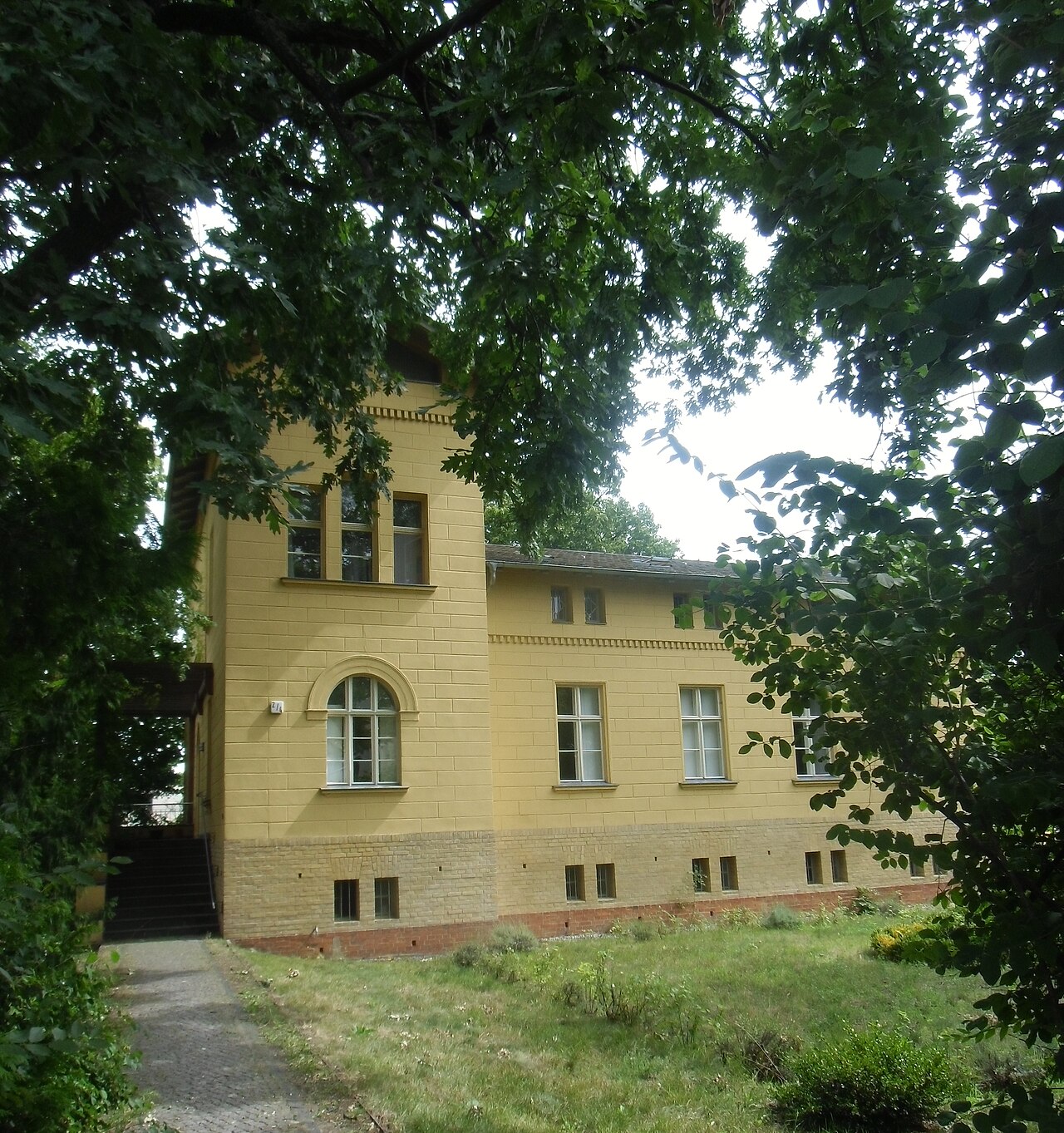
Schönhausen Palace
- Must see · Heritage site
- Museum
Language · 11 published
Historic monument · Berlin
Sowjetisches Ehrenmal Schönholzer Heide
Reviewed by Elena Voss · Roavina Travel Editor
This place is a Attraction. It was established in 1949. It carries the Gartendenkmal heritage designation.
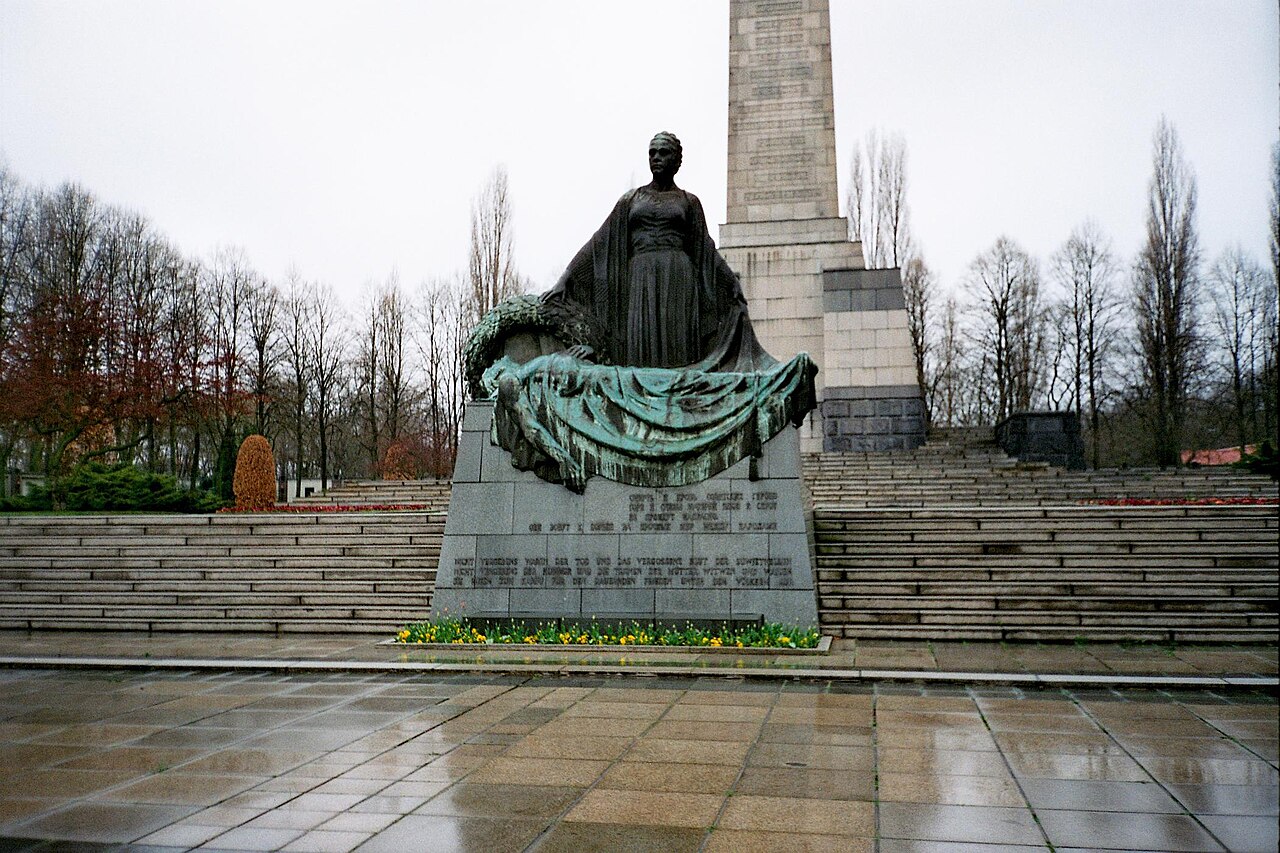
The Soviet War Memorial Schönholzer Heide is a monumental cemetery and memorial complex in Berlin’s Pankow district. It commemorates Soviet soldiers who died during the Battle of Berlin in 1945. Set within a wooded area, it ranks among the largest Soviet war memorials outside Russia. The grounds combine a military cemetery with an imposing statement of Soviet victory, giving the visit a solemn character that differs from Berlin’s more recreational parks and central monuments. The Soviet War Memorial Schönholzer Heide is a monumental cemetery and memorial complex in Berlin's Pankow district. The memorial occupies a significant wooded area and ranks among the largest Soviet war memorials outside Russia. Its imposing scale reflects the immense losses suffered by the Red Army in the final assault on the German capital. The site serves as both a military cemetery and a political statement of Soviet victory. No. Berlin contains multiple Soviet war memorials. The Tiergarten memorial stands near the Brandenburg Gate in central Berlin. Schönholzer Heide occupies a separate northern location. Each memorial has distinct design characteristics and historical contexts.
Checked 2026-08-26 · Source
A broad central avenue leads through the complex between massive stone pylons decorated with reliefs and inscriptions. A tall obelisk or stele forms the principal distant focus, while bronze Soviet soldier figures stand among the grounds. Uniform headstones mark individual and collective graves. Red stars, hammer-and-sickle motifs, and socialist-realist imagery reinforce the memorial’s period and political setting. The architecture uses scale, symmetry, stone, bronze, and woodland to create a formal commemorative route. The memorial complex features a central avenue flanked by massive stone pylons bearing relief sculptures and inscriptions. At the far end stands a towering obelisk or stele structure.
Checked 2026-08-26 · Source
Allow forty-five to ninety minutes for a meaningful walk through the memorial. The central axis can be seen more quickly, but the scale of the grounds rewards a slower pace. Travelers interested in the Battle of Berlin, Soviet military history, monumental sculpture, or cemetery design may need additional time to read inscriptions and examine the reliefs. The wooded setting encourages quiet reflection, so this is better treated as a dedicated stop than a rushed photo break.
Checked 2026-08-26 · Source
Daylight is the most suitable time to experience the central avenue, sculptures, inscriptions, and wooded setting. Spring and early summer bring dense foliage that can soften long views, while autumn places the stone architecture among changing leaves. Snow creates a stark contrast with the grey memorial surfaces in winter. Plan the visit as an outdoor walk and dress for the season. Its northern Pankow location works best when grouped with other neighborhood stops rather than inserted casually between central attractions.
Checked 2026-08-26 · Source
The memorial is a commemorative cemetery and outdoor complex rather than a conventional museum with galleries and a ticket desk. The visit centers on walking the avenue, viewing the sculptures, and observing the graves and inscriptions. Because the grounds are extensive, the practical cost is mainly the journey to northern Berlin and the time set aside for a respectful visit. Do not treat the site as a picnic park or casual recreational shortcut.
Checked 2026-08-26 · Source
The memorial lies in the Schönholzer Heide park area of northern Berlin, in Pankow. Reach the wider district through Berlin’s rail and underground network, then continue on foot through residential streets and parkland. The location takes more planning than central sights, so leave time for the final walk. Cyclists can use Berlin’s city routes to approach the park. The surrounding setting is less urban and more wooded than the city center, which is part of the experience.
Checked 2026-08-26 · Source
This is an active commemorative cemetery containing graves, so quiet and respectful behavior is essential. Woodland paths may become uneven or slippery after rain, and limited lighting makes late visits less comfortable. The Soviet military symbolism can feel politically and emotionally intense, especially when considered against the history of the Second World War and the division of Berlin. There are no described refreshment facilities within the grounds, so plan food and drink around the wider neighborhood rather than the memorial itself.
Checked 2026-08-26 · Source
The central avenue offers a strong symmetrical composition toward the main monument, with pylons and trees framing the route. Bronze figures and reliefs provide closer details, while morning or late-afternoon light can deepen shadows across the stone. Overcast weather often makes inscriptions easier to photograph without harsh contrast. Treat grave areas as places of remembrance rather than scenic props. Keep equipment and tripods from obstructing paths, and give other visitors space for quiet reflection.
Checked 2026-08-26 · Source
It is in the Schönholzer Heide park area of northern Berlin, within the Pankow district.
The complex commemorates Soviet soldiers who died during the Battle of Berlin in 1945.
The grounds contain a central avenue, stone pylons with reliefs and inscriptions, bronze soldier figures, an obelisk or stele, and graves.
Allow forty-five to ninety minutes for the main avenue, wooded grounds, sculptures, graves, and inscriptions.
No. Schönholzer Heide is a separate memorial in northern Pankow; the Tiergarten memorial is another site in central Berlin.
It is a military cemetery and place of remembrance, so visitors should walk quietly and treat the graves and memorial imagery with respect.
Loading the interactive map…
The interactive map could not be loaded.
Last updated:
Source: OpenStreetMap contributors, Wikidata ·