
61 min walk
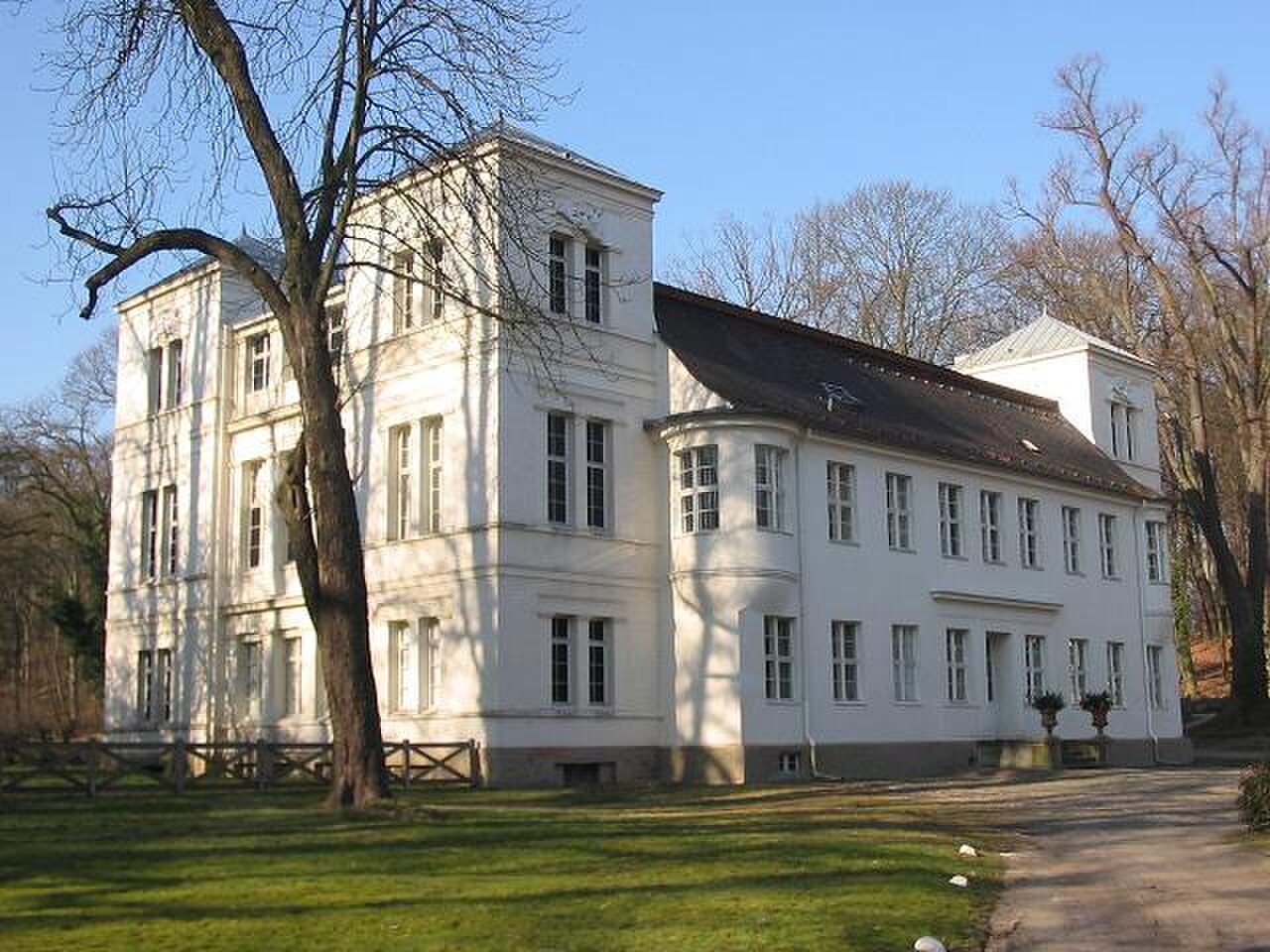
Schloss Tegel
- Must see · Heritage site
- Historic monument
Language · 11 published
Historic monument · Berlin
Reviewed by Elena Voss · Roavina Travel Editor
| Monday | 09:00 – 18:00 |
|---|---|
| Tuesday | 09:00 – 18:00 |
| Wednesday | 09:00 – 18:00 |
| Thursday | 09:00 – 18:00 |
| Friday | 09:00 – 18:00 |
| Saturday | 09:00 – 18:00 |
| Sunday | 09:00 – 18:00 |
Parsed from OpenStreetMap opening hours on 2026-09-09.
It carries the architectural heritage monument heritage designation.
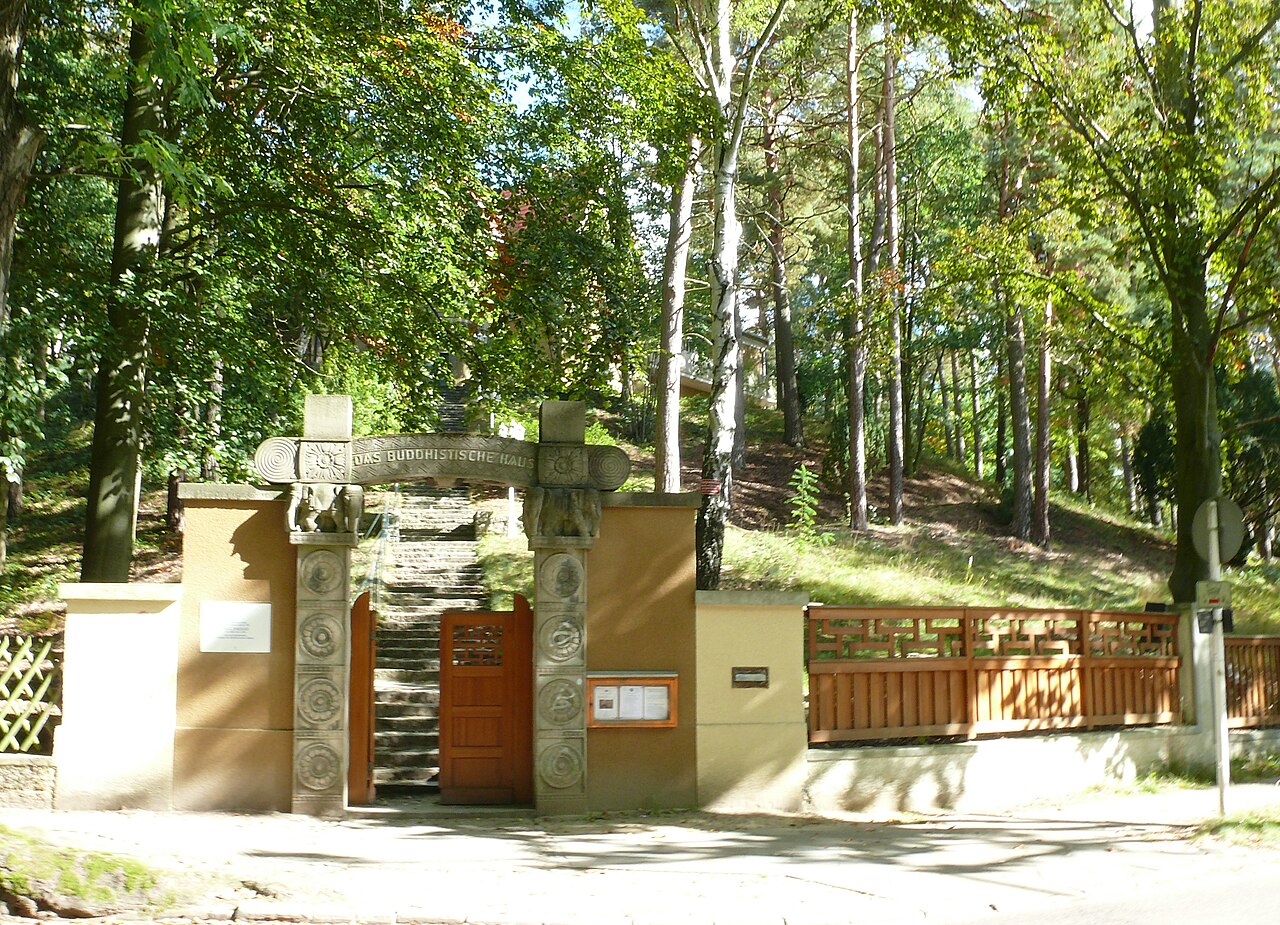
Das Buddhistische Haus is a Buddhist temple complex in Frohnau, northern Berlin. Founded in the early twentieth century, it is regarded as one of Europe’s oldest Buddhist institutions. The site combines religious practice, meditation, study, and cultural exchange within a setting shaped by traditional Buddhist design adapted to a European environment. This is an active place of worship rather than a museum arranged solely for sightseeing. Visitors interested in religious history, architecture, or quiet reflection can experience the complex as a living spiritual centre. The most rewarding approach is calm and attentive: take in the buildings and grounds without treating ceremonies or practitioners as attractions. Frohnau’s quieter surroundings also give the visit a distinct character from Berlin’s busy central districts.
Checked 2026-08-26 · Source
The complex contains temple buildings, meditation halls, associated structures, gardens, and outdoor spaces intended to support contemplation. Buddhist iconography and decorative details contribute to the atmosphere, while library and study areas support spiritual and scholarly activity. Accommodation facilities serve resident practitioners. The arrangement is simpler and quieter than a conventional visitor attraction, with the grounds and architecture working together rather than presenting a sequence of exhibition rooms. Some parts of the complex may be unavailable during religious observances, so the experience depends on the areas open at the time of a visit. Look for the relationship between the buildings, gardens, and spaces for practice. The value lies in the overall atmosphere as much as in individual objects or architectural details.
Checked 2026-08-26 · Source
Allow around one to two hours for a quiet visit to the accessible parts of Das Buddhistische Haus. That gives enough time to observe the temple architecture, walk through the contemplative surroundings, and pause in the gardens without rushing. A meditation session, teaching, or other religious activity can extend the visit, while a brief architectural stop can be shorter. The site rewards an unhurried pace: visitors who move quickly may miss the way the buildings and grounds create a retreat-like atmosphere within Berlin. Keep the schedule flexible so that a respectful pause, a quiet period, or limited access does not turn the visit into a hurried checklist. Pairing the complex with another northern Berlin stop can make the journey worthwhile.
Checked 2026-08-26 · Source
A weekday visit can provide a quieter setting for appreciating the temple complex and its gardens. Buddhist holidays, festivals, ceremonies, and meditation activities can change the character of the site and affect which areas visitors may enter. Spring and summer make the outdoor spaces especially pleasant, while autumn and winter give the grounds a more subdued atmosphere. Because this is a working religious institution, the best moment is one that allows visitors to move quietly and without interrupting practice. Plan enough time for the journey to Frohnau and avoid building a tightly timed itinerary around the site. Religious activity takes precedence over sightseeing throughout the year.
Checked 2026-08-26 · Source
Das Buddhistische Haus functions as a religious institution rather than a standard ticketed museum. Visitors may encounter a donation-based arrangement supporting the complex and its activities, while meditation sessions, retreats, teachings, or educational programmes can have their own arrangements. Treat any contribution as support for the temple’s religious and cultural work, not as payment for an entertainment experience. Groups and visitors interested in organised activities should approach the institution respectfully and make arrangements before arriving. The absence of a conventional ticket counter is consistent with the site’s spiritual purpose. Keep the visit centred on the place itself, its architecture, and its contemplative atmosphere.
Checked 2026-08-26 · Source
Das Buddhistische Haus is in Frohnau on Berlin’s northern outskirts, away from the main central sightseeing circuit. The journey from central Berlin uses the S-Bahn network toward Frohnau, followed by walking or a local bus connection. Cycling is also practical for visitors comfortable with a longer ride through Berlin’s northern districts. The semi-rural setting is part of the appeal, but it means allowing more travel time than a central museum visit. Public-transport tickets must cover the relevant Berlin zones. The final approach should be made quietly and attentively, with consideration for the residential surroundings. Drivers should not rely on the availability of extensive visitor parking.
Checked 2026-08-26 · Source
Remember that Das Buddhistische Haus is an active religious site. Wear modest clothing, keep voices low, and give practitioners privacy during worship, meditation, or teaching. Temple interiors may require shoes to be removed, and children should remain close enough to avoid disturbing religious activity. Food and drink belong outside sacred spaces unless the institution indicates otherwise. Access can be limited during ceremonies, and staff or resident monastics may ask visitors to change their behaviour or leave a particular area. The complex should be treated as a place of practice rather than a backdrop for casual entertainment. A considerate visit is measured by how little disruption it creates.
Checked 2026-08-26 · Source
The architecture, gardens, and contemplative setting provide quiet subjects for photography, especially from exterior viewpoints. Photograph buildings and decorative details discreetly, without blocking paths or drawing attention away from religious activity. Inside temple spaces and during ceremonies, put privacy and reverence before photography. Do not photograph practitioners as though they were part of an exhibit. Flash, commercial equipment, and publication use require particular restraint because they can disturb practice or require permission. A camera phone is best kept secondary to the visit itself. If a staff member or resident practitioner gives an instruction about photography, follow it immediately and continue only where it remains respectful.
Checked 2026-08-26 · Source
It is an active Buddhist temple complex in Frohnau used for worship, meditation, study, and cultural exchange.
The complex is in Frohnau, in northern Berlin, away from the city’s central sightseeing districts.
Visitors can experience temple buildings, meditation halls, Buddhist decorative elements, gardens, outdoor spaces, and study-related areas.
Allow roughly one to two hours for a calm visit to accessible areas, with additional time for meditation or teachings.
Dress modestly, speak quietly, protect practitioners’ privacy, follow instructions, and treat ceremonies and meditation as religious activities rather than performances.
Frohnau provides a quieter, semi-rural setting that feels markedly different from Berlin’s dense central districts.
Loading the interactive map…
The interactive map could not be loaded.
Last updated:
Source: OpenStreetMap contributors, Wikidata ·