
61 min walk
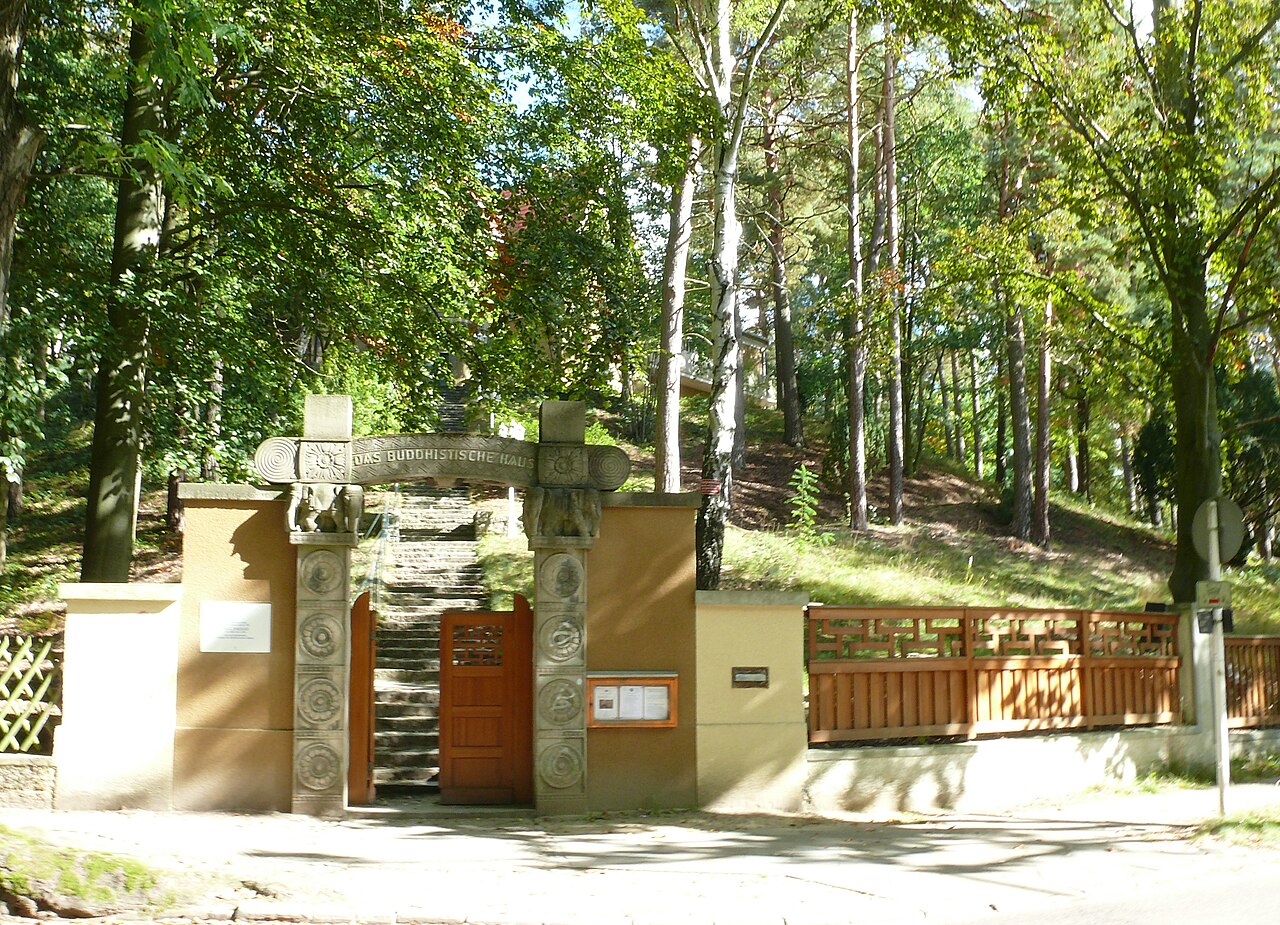
Das Buddhistische Haus
- High · Heritage site
- Historic monument
Language · 11 published
Historic monument · Berlin
Humboldt-Schloss
Reviewed by Elena Voss · Roavina Travel Editor
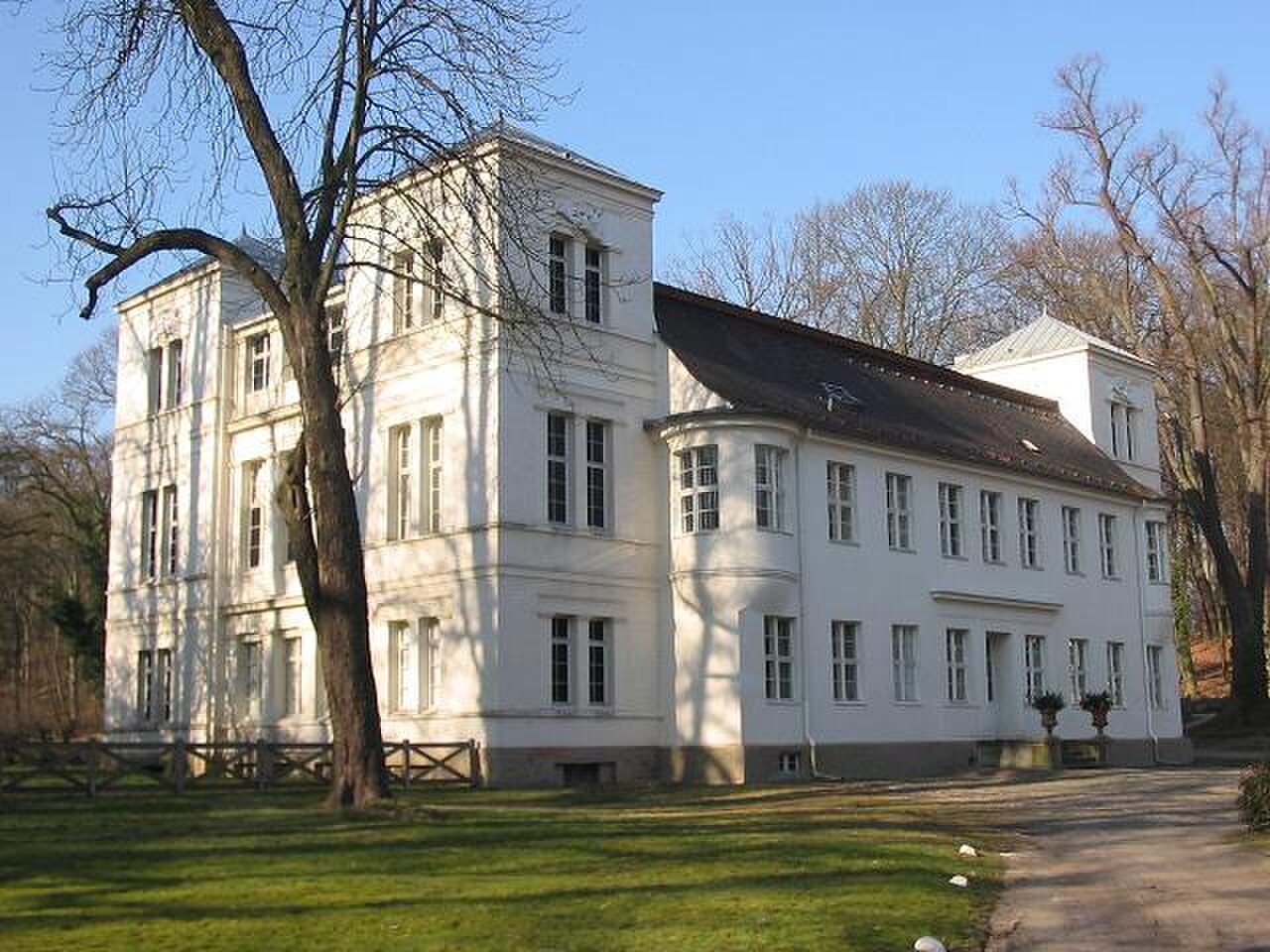
It opened in 1824. It was designed by Karl Friedrich Schinkel. It carries the architectural heritage monument heritage designation.
Schloss Tegel, locally known as Humboldt-Schloss, is a historic manor house in Berlin's Tegel district. The estate is intimately connected to the Humboldt family, most notably Wilhelm and Alexander von Humboldt, who spent portions of their childhood here. The building represents an important cultural landmark reflecting Prussian aristocratic heritage. Its association with the Humboldt brothers, seminal figures in German philosophy, linguistics, and natural science, elevates its significance beyond mere architectural interest. The property sits within landscaped grounds that have evolved over centuries of family stewardship.
Checked 2026-08-28
Specific interior contents and room configurations are Not recorded in available sources. The building's historical character suggests preserved period features typical of Prussian manor houses, though visitors should verify current accessibility and displayed collections independently. The Humboldt family connection implies potential documentary holdings or commemorative installations, yet concrete exhibition details remain unconfirmed. Architectural elements likely reflect successive construction phases from the original structure through later modifications. Grounds and exterior approaches may offer interpretive value even if interior access proves restricted. Prospective visitors are advised to seek current operational information before planning dedicated visits.
Checked 2026-08-28
Duration of visit cannot be reliably estimated without confirmed access arrangements. Exterior appreciation of the building and grounds might reasonably occupy thirty to sixty minutes for those with historical interest. Should interior tours become available, additional time would be warranted for meaningful engagement with any displayed materials. The site's integration into broader Tegel district exploration suggests combining with nearby attractions rather than treating as isolated destination. Travelers should calibrate expectations toward brief exterior observation unless advance confirmation of extended access is obtained. Flexible scheduling accommodates uncertainty surrounding current operational status.
Checked 2026-08-28
Seasonal considerations for Berlin outdoor exploration favor late spring through early autumn for comfortable ground conditions and foliage presentation. Winter visits remain feasible though potentially less rewarding given reduced daylight and dormant vegetation. The absence of published scheduling information necessitates direct contact with managing authorities before travel. Local weather patterns should inform clothing preparation regardless of season. Visitors prioritizing this destination should build contingency time into itineraries given operational uncertainty. Weekend versus weekday distinctions are likewise unverified in accessible documentation. Check the operator's own site for the travel date before relying on a schedule or fare.
Checked 2026-08-28
Whether admission is charged at all remains undetermined from available sources. Some heritage properties maintain private ownership with restricted or appointment-only access, while others operate under public or trust management with established fee structures. Potential visitors must independently establish cost implications, acceptable payment methods, and any concession eligibility. Group arrangements may differ from individual protocols. Free exterior viewing from public thoroughfares might partially satisfy interest if formal access proves impractical. Budget planning should accommodate uncertainty until direct operator communication resolves ambiguity surrounding financial requirements. Check the operator's own site for the travel date before relying on a schedule or fare.
Checked 2026-08-28
Schloss Tegel occupies the Tegel district in northwestern Berlin. The broader Tegel area is served by Berlin's integrated public transport network including U-Bahn, S-Bahn, and bus connections, though specific final approach details require local verification. Tegel's historical airport closure has altered regional transport dynamics. Cyclists might exploit Berlin's expanding bike infrastructure toward peripheral districts. Private vehicle access involves navigating residential streets with potential parking constraints. Walking from nearby transit nodes seems plausible given urban density patterns. Exact routing from recognized landmarks is Not recorded and should be established through current mapping services or local inquiry.
Checked 2026-08-28
Respect for apparent private or semi-private property character is essential given uncertain public access status. Boundary demarcations between accessible and restricted zones may be subtle or unmarked. Photography restrictions, if any, are unverified. Ground conditions in historic parkland may present trip hazards or uneven surfaces requiring appropriate footwear. Seasonal insect activity and plant sensitivities warrant basic precautions. Limited visitor amenities in immediate vicinity suggest self-sufficiency regarding refreshments and facilities. Language barriers may complicate on-site communication without German proficiency. Neighboring residential sensitivity demands quiet, unobtrusive conduct throughout any approach or visit.
Checked 2026-08-28
Photography policies are Not recorded in available sources. Exterior photography from public vantage points generally encounters fewer restrictions than interior or close-grounds capture, though German privacy and property laws merit awareness. Drone operation would require specific regulatory compliance beyond casual visitor preparation. Lighting conditions vary substantially by season and time of day, with morning and evening potentially offering atmospheric qualities for architectural subjects. Overcast skies may reduce contrast challenges presented by light-colored facades. Tripod use, if contemplated, likely requires explicit permission. Visitors should observe any posted guidance and desist if challenged rather than asserting uncertain entitlements.
Checked 2026-08-28
Current public access status is Not recorded. The property appears to maintain some private or institutional character. Direct inquiry with managing authorities is essential before visiting.
Interior tour availability is Not recorded. Whether regular guided visits, appointment access, or any interior admission occurs remains unverified in accessible sources.
Specific routing from Berlin transit network to the immediate site is Not recorded. Tegel district is served by multiple transport modes; final approach requires local verification through current journey planners.
Whether any admission charge applies, or whether exterior viewing is freely accessible, remains undetermined. Check the operator's own site for the travel date before relying on a schedule or fare.
The Humboldt family, including Wilhelm and Alexander von Humboldt, resided at this estate during their childhood. This association provides the property's alternative designation as Humboldt-Schloss and its primary historical significance.
For exterior appreciation, late spring through early autumn offers favorable Berlin weather and daylight conditions, though winter visits remain possible.
Loading the interactive map…
The interactive map could not be loaded.
Last updated:
Source: OpenStreetMap contributors, Wikidata ·