
4 min walk
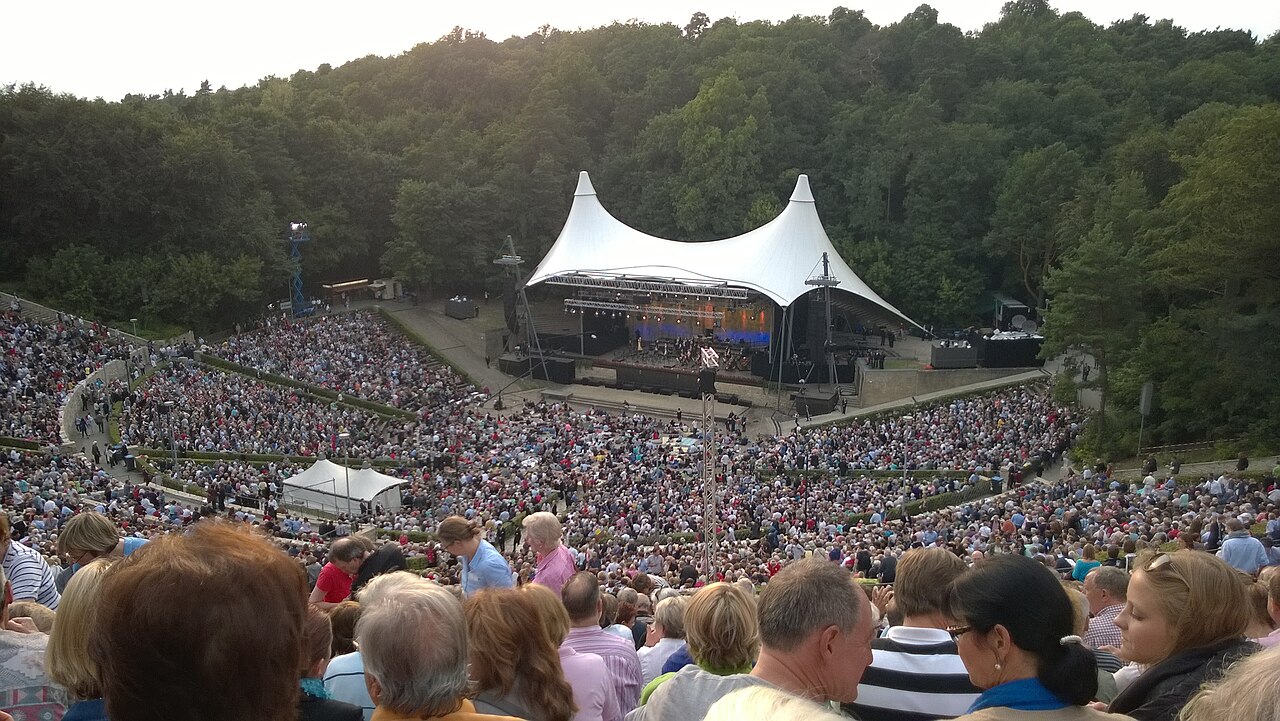
Waldbühne
- Must see
- Art and culture venue
Viewpoint · Berlin
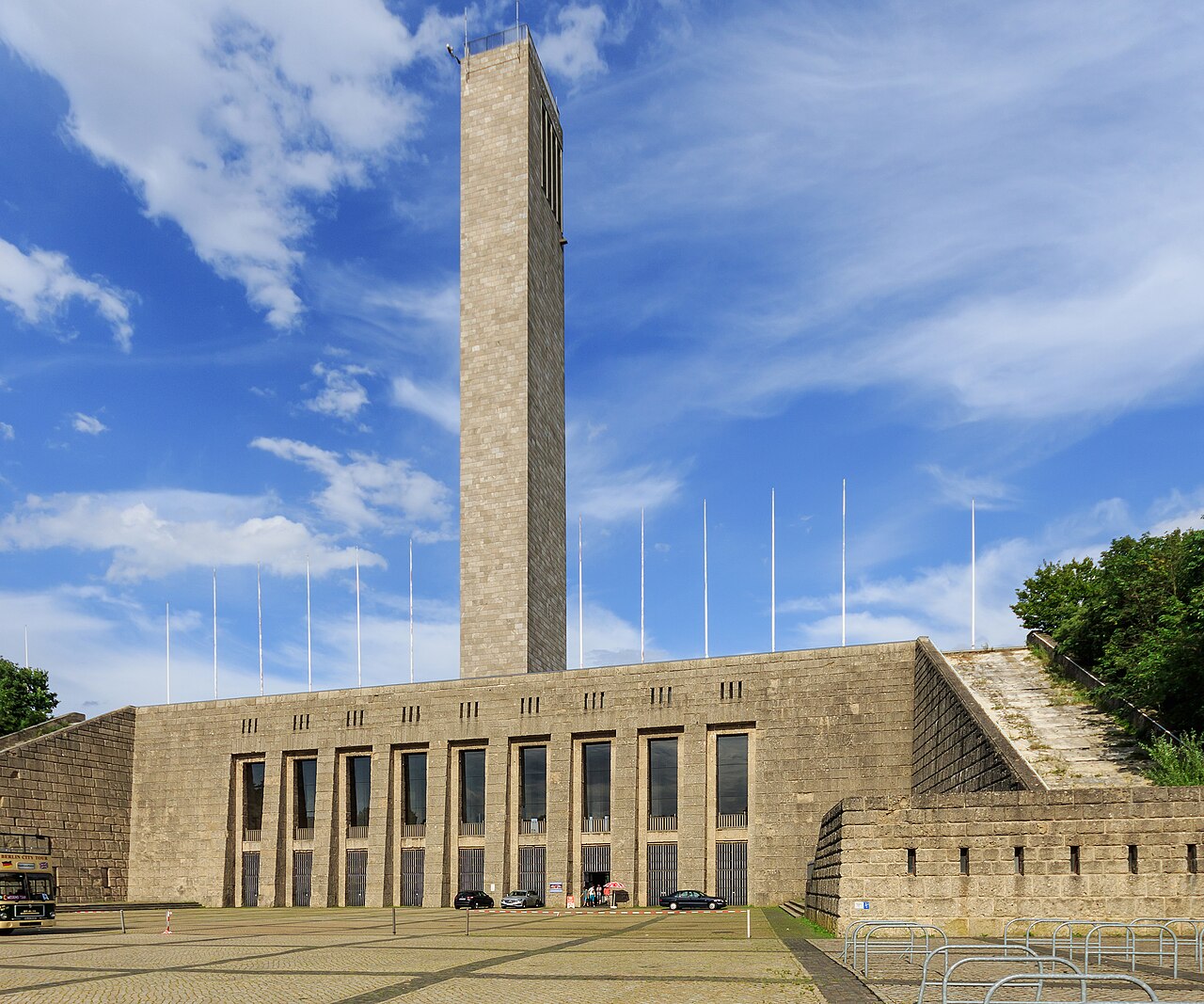
Olympia-Glockenturm
The Bell Tower of Berlin Olympic Stadium, known locally as Olympia-Glockenturm, is a landmark within the Olympic grounds in western Berlin. It stands beside the Olympiastadion and is connected with the architectural and sporting history of the 1936 Summer Olympics. The tower contains a carillon and offers elevated views across the stadium precinct and surrounding sports facilities. Its significance is therefore both visual and historical: the climb leads to a viewpoint, while the site also asks visitors to think about the political use of architecture and international sport during the 1936 Games. The tower belongs to a larger complex rather than functioning as an isolated city-centre monument. A visit works best when the structure, the stadium, and the grounds are considered together. The observation experience is shaped by stairs, height, weather, and visibility. Travellers interested in Berlin’s architecture, sporting heritage, urban views, or difficult twentieth-century history will find several overlapping reasons to include the tower in a western Berlin itinerary.
Checked 2026-08-26 · Source
The tower’s defining interior feature is the carillon, supported by stair access to observation levels. From above, visitors can look across the Olympic Stadium, nearby sports facilities, and the wider grounds. Commemorative and interpretive elements connected with Olympic history form part of the site’s meaning, even when the main attraction is the view. The experience is architectural rather than gallery-heavy: the physical act of ascending, the changing perspective through the structure, and the final outlook create the route. The bells provide a distinctive subject for visitors interested in sound, engineering, or design, while the observation level gives the tower its strongest visual reward. The surrounding Olympic complex adds context through its monumental scale and planned spaces. Expect a visit centred on vertical movement, open views, and historical atmosphere rather than a large sequence of rooms. The tower can be appreciated both as a viewpoint and as one component of Berlin’s Olympic grounds, where sporting infrastructure and twentieth-century political history remain closely connected.
Checked 2026-08-26 · Source
Allow enough time for the ascent, a pause at the observation level, photography, and the descent. The tower itself can be a focused stop, while adding the Olympic Stadium and surrounding grounds turns it into a broader half-day-style outing. Fitness, comfort with stairs, weather, and interest in the view all influence the pace. Visitors who want to study the carillon, architectural details, or Olympic history should stay longer than those visiting only for a quick panorama. The ascent is part of the experience rather than an inconvenience to rush through: changing sightlines reveal the relationship between the tower, stadium, and wider complex. Wear comfortable shoes and leave room for pauses on the way. If a stadium event is taking place, movement around the grounds may take longer and the area may feel much busier. A measured visit gives the tower its proper context and prevents the observation level from becoming the only thing remembered.
Checked 2026-08-26 · Source
Clear weather gives the best chance of wide views from the observation level, while wind, rain, and low cloud can reduce comfort and visibility. The tower’s elevated position makes weather more noticeable than it would be at ground level. The surrounding Olympic Stadium may host events that increase crowds and affect movement through the complex, so quiet sightseeing and event-day energy are different experiences. A bright day is useful for seeing the stadium geometry and western Berlin landscape, while changing light can create strong views across the sports grounds. Plan the tower alongside the wider Olympic site rather than treating it as an isolated central attraction; travel from central Berlin takes dedicated time. The historical context also makes a thoughtful visit worthwhile. The 1936 Games were held under the Nazi regime, and the monumental setting carries that difficult history alongside its sporting and architectural interest. Give yourself time to observe both the view and the place’s meaning.
Checked 2026-08-26 · Source
The Bell Tower may have admission arrangements separate from an Olympiastadion tour, making it useful to think of the tower and stadium as related but distinct parts of the Olympic grounds. A combined outing can provide more context than visiting the viewpoint alone: the stadium explains the scale of the complex, while the tower supplies an elevated perspective over it. The main decision is therefore how much of the Olympic site you want to experience, not simply how quickly to reach the top. Allow for the physical ascent and for time at the observation level when planning the day. Travellers interested in architecture can connect the tower with the stadium’s monumental forms; visitors focused on history can use both sites to consider the 1936 Olympics and their political setting. The tower’s value is strongest when the visit includes time to look outward and then return attention to the structure, bells, and surrounding grounds rather than treating the stop as a single photograph.
Checked 2026-08-26 · Source
The tower is within the Olympic Stadium complex in western Berlin, outside the historic central core. Berlin’s U-Bahn and S-Bahn networks serve the Olympiastadion area, with buses providing additional connections nearby. From central accommodation, the journey needs deliberate planning and is best combined with the stadium and wider Olympic grounds. Cycling and road access are also possible, although the complex is large enough that the final walk still matters. Use the stadium precinct as your main geographical reference after leaving public transport. The Olympic grounds are planned on a broad scale, so follow signs and allow time to reach the tower entrance from the surrounding streets or station area. A visit can form a western Berlin day alongside other destinations in the district, but it is less convenient as a spontaneous addition after several central museums. The route itself introduces the contrast between ordinary city streets and the monumental sporting landscape built around the stadium.
Checked 2026-08-26 · Source
The tower requires stair climbing, so the ascent can be demanding for visitors with limited mobility, cardiovascular concerns, or discomfort at height. Observation levels expose visitors to weather and elevated edges, while rain can make surfaces less comfortable underfoot. Stadium events may bring crowds and change the atmosphere of the surrounding grounds. The 1936 Olympic connection is historically sensitive: the Games were used by the Nazi regime for propaganda, so the site should be approached with awareness rather than uncomplicated nostalgia. Keep personal belongings secure in busy areas and follow the tower’s posted safety guidance. Visitors who tire easily should pace the climb and use pauses to enjoy the changing views. The tower is not simply a tall photo platform; its architecture, bells, stadium relationship, and political history all contribute to the experience. A calm, attentive visit allows the sporting heritage and the difficult historical context to remain visible at the same time.
Checked 2026-08-26 · Source
The observation level provides the tower’s strongest photographic opportunity, with views over the Olympiastadion, sports facilities, Olympic grounds, and the wider western Berlin landscape. Start with broad compositions that show the stadium’s geometry, then look for details in the tower’s masonry, carillon, stair structure, and surrounding architectural lines. Clear weather supports distant views, while softer or changing light can emphasise the shapes of the sports complex. Height and narrow viewpoints mean that patience matters when other visitors are also photographing. Keep equipment secure, leave room for people to pass, and avoid obstructing the observation area. The bells make a distinctive subject even when the view is the main draw. Ground-level photographs can add context by showing the tower beside the stadium and within the planned Olympic grounds. A thoughtful photographic visit records both the dramatic panorama and the historical weight of the site rather than reducing the tower to a generic city view.
Checked 2026-08-26 · Source
The tower’s visitor route involves ascending stairs to observation levels and descending afterward.
The observation level looks across the Olympic Stadium, adjacent sports facilities, the Olympic grounds, and parts of western Berlin.
The tower contains a carillon and stair access to observation levels, with Olympic-related commemorative and interpretive elements connected to the site.
It stands within the Olympic Stadium complex in western Berlin, beside the Olympiastadion and near U-Bahn, S-Bahn, and bus connections serving the area.
The tower belongs to the Olympic complex associated with the 1936 Games, which were used by the Nazi regime for propaganda.
Clear weather offers the best visibility across the stadium precinct and western Berlin, while wind, rain, and low cloud can reduce comfort and distance.
Loading the interactive map…
The interactive map could not be loaded.
Last updated:
Source: OpenStreetMap contributors, Wikidata ·