
2 min walk
Spandau Citadel
- Must see · Heritage site
- Historic monument
Language · 11 published
Viewpoint · Berlin
Reviewed by Elena Voss · Roavina Travel Editor
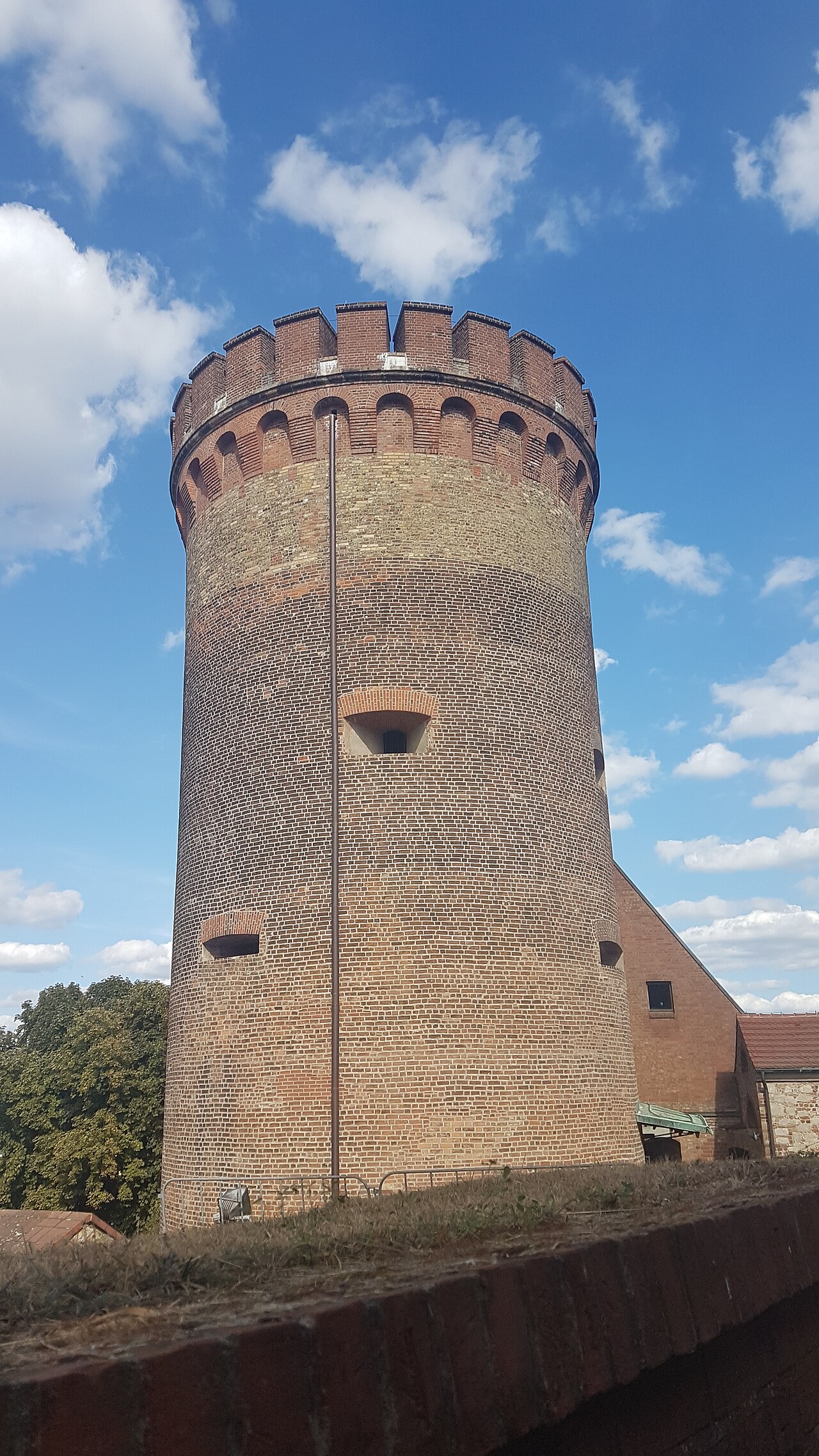
This place is a Viewpoint. It was established in 1201. It was designed by Karl Friedrich Schinkel. It carries the partial heritage site heritage designation.
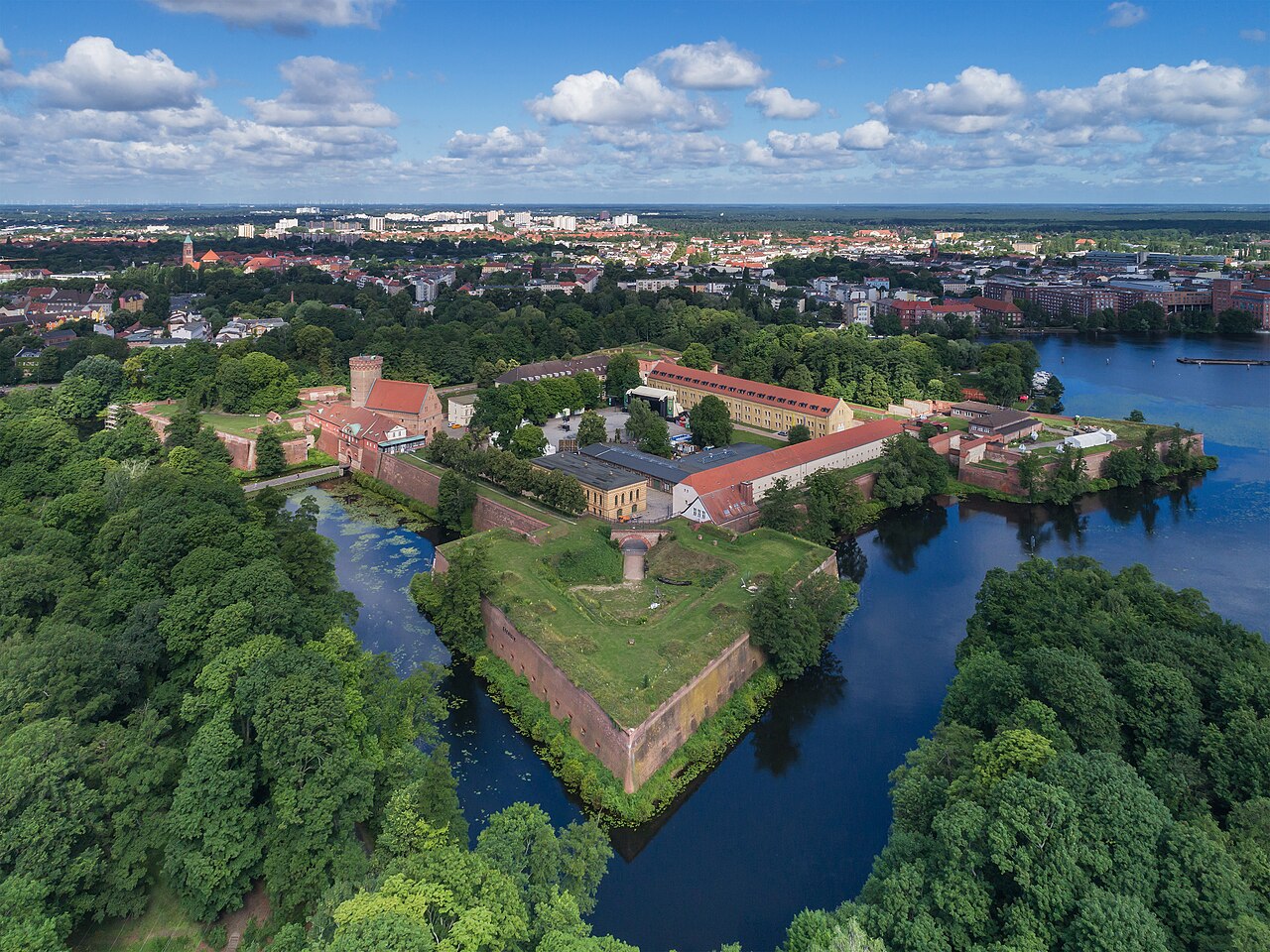
Juliusturm is a historic tower within the Zitadelle Spandau, Berlin’s major fortress complex in the Spandau district. The citadel is one of Europe’s best-preserved Renaissance fortresses, while the tower represents an older medieval element incorporated into the later defensive works. The result is a layered site where several centuries of Berlin history can be read through one group of buildings. Juliusturm is both a landmark and a viewpoint within the fortress setting. Its position near the Havel River landscape adds a broader sense of place to the masonry, bastions, courtyards, and defensive walls. Visit it as part of the citadel, not as an isolated tower detached from its military surroundings.
Checked 2026-08-26 · Source
Juliusturm belongs to the wider Zitadelle Spandau complex, whose grounds include courtyards, exhibition spaces, historical buildings, ramparts, bastions, and other defensive structures. The tower’s medieval stone character is best understood alongside the Renaissance fortress architecture around it. Exploring the citadel reveals how an older tower became part of a later military system. Visitors can move between exterior masonry, open fortress spaces, and museum areas across the site. The tower’s interior and climbing route are separate questions from seeing its exterior, so build the visit around the whole citadel. Look for changes in wall thickness, defensive geometry, and the way the fortress controls views across the surrounding water and landscape.
Checked 2026-08-26 · Source
Allow roughly two to three hours for a broad visit to Zitadelle Spandau, including Juliusturm, the courtyards, ramparts, exhibitions, and other historical buildings. A shorter stop works for exterior views and architectural photography, but it will show only one part of the fortress. Visitors interested in military architecture should leave time for underground passages, defensive details, and the relationship between the medieval tower and Renaissance walls. Outdoor walking can slow the pace in rain, heat, or cold. The site rewards a steady route through its layers rather than a quick photograph at the entrance. Plan a break if exploring several exhibition spaces and elevated paths.
Checked 2026-08-26 · Source
Spring and autumn offer comfortable temperatures for walking the extensive fortress grounds, while summer provides longer daylight for the outdoor walls and river-facing views. Winter can create a stark and atmospheric setting, but cold weather and limited daylight make the exterior route less comfortable. Rain protection is useful in every season because much of the experience takes place outdoors. The citadel can feel busier during special events and popular periods. Visit with enough time to explore rather than arriving at the end of a tightly timed day. Conservation work or event arrangements can change access within the historic complex, so allow flexibility in the route.
Checked 2026-08-26 · Source
Entry to the Zitadelle Spandau is associated with admission fees, and the final cost can depend on exhibitions, events, or particular access arrangements. The fortress should be budgeted as a paid heritage attraction rather than as a free public square. Reduced rates may exist for eligible visitors, and combined or special-event tickets may differ from ordinary site entry. The practical value of a ticket comes from the scale of the complex: it supports access to several historical spaces instead of only the tower exterior. Groups and visitors planning a guided activity may encounter a separate arrangement. Set aside enough time to make the admission worthwhile.
Checked 2026-08-26 · Source
The U7 reaches Zitadelle station, near the fortress entrance. Regional rail services arrive at Spandau station, from where a further bus or walking connection leads toward the citadel. Bus routes also serve the surrounding district. Cycling is a pleasant option along Berlin’s river and park routes, and walking from Spandau old town is feasible for visitors who want to combine the fortress with the historic centre. The citadel occupies an island between channels of the Havel, giving the approach a distinctive geography. Once near the entrance, signs direct visitors toward the fortress complex. Allow extra time for the journey from central Berlin.
Checked 2026-08-26 · Source
Historic fortress surfaces demand attention. Wet stone and paving can become slippery, while uneven ground, steps, ramparts, and elevated defensive paths call for firm footwear. Water surrounds parts of the citadel, so supervise children near edges and channels. Interior spaces can feel cooler than the outdoor areas, especially when weather changes. Some medieval and Renaissance structures are difficult to navigate for visitors with limited mobility. Crowds may gather during events, and conservation work can alter the usual route. Take care at elevated viewpoints and do not climb barriers. The fortress is an absorbing place, but its defensive architecture was not designed around modern visitor comfort.
Checked 2026-08-26 · Source
Juliusturm offers strong architectural subjects, from medieval stonework to the later Renaissance bastions and ramparts. Elevated points can frame the tower with the Havel landscape and Berlin skyline, while courtyards provide closer views of masonry and defensive geometry. Morning and evening light can bring out texture and long shadows; overcast weather is useful for even detail across the stone. Photograph from public paths and keep routes clear. Interior photography, tripod use, and commercial work may require permission. Avoid climbing or leaning beyond protected viewpoints for a better composition. The most informative images show Juliusturm in relation to the fortress rather than presenting it as a standalone object.
Checked 2026-08-26 · Source
It stands inside Zitadelle Spandau, the historic fortress complex in Berlin’s Spandau district.
The tower is a medieval element incorporated into the sixteenth-century Renaissance fortress of Zitadelle Spandau.
Allow about two to three hours for the fortress, including Juliusturm, exhibitions, courtyards, ramparts, and other historic buildings.
Take the U7 to Zitadelle station, or reach Spandau by regional train and continue by bus or on foot.
The complex includes courtyards, ramparts, bastions, exhibition spaces, underground passages, and other historical fortress buildings.
Wear firm, comfortable footwear and clothing suited to outdoor weather, since the fortress includes uneven stone surfaces and open rampart paths.
Loading the interactive map…
The interactive map could not be loaded.
Last updated:
Source: OpenStreetMap contributors, Wikidata ·