_Befreiung_Berlins.jpg)
31 min walk
Gardens of the World
- Must see
- Entertainment venue
Language · 11 published
Historic monument · Berlin
Gedenkstätte Zwangslager Berlin-Marzahn
Reviewed by Elena Voss · Roavina Travel Editor
This place is a Memorial.
The Gedenkstätte Zwangslager Berlin-Marzahn is a memorial in Berlin’s Marzahn district commemorating a Nazi-era forced-labor camp. It belongs to the city’s wider landscape of remembrance and addresses the persecution and exploitation carried out under National Socialist rule. This is a place for historical education and reflection within the modern city, not a recreational attraction. A visit brings attention to people who were interned and subjected to forced labour, making a respectful approach essential from the moment you arrive. The Gedenkstätte Zwangslager Berlin-Marzahn is a memorial site in Berlin's Marzahn district commemorating a Nazi-era forced-labor camp. This historical site preserves memory of the persecution and exploitation that occurred during the Third Reich. The memorial serves educational purposes, documenting the experiences of those interned at this location. It forms part of Berlin's broader landscape of remembrance addressing National Socialist crimes. Visitors encounter a site dedicated to historical documentation rather than recreation. The memorial addresses serious historical themes including persecution and forced labor. Parental discretion is advised based on children's maturity and prior historical education. Some families use such sites for educational purposes; others may find content unsuitable for younger visitors.
Checked 2026-08-26 · Source
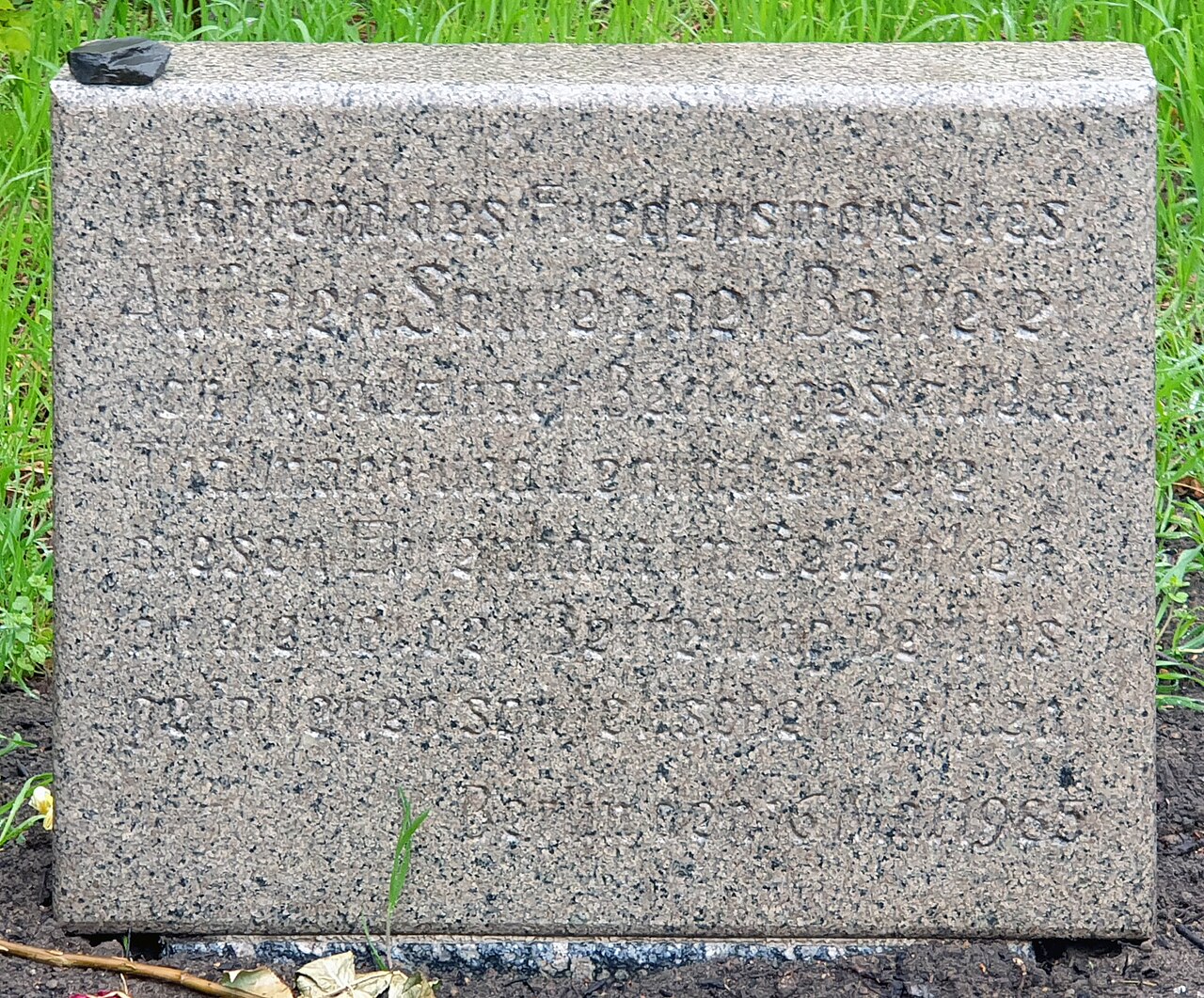
The memorial grounds contain commemorative installations and information elements connected with the camp’s history. The experience is centred on remembrance and historical documentation rather than a large museum route. Read the information at a deliberate pace and give the memorial elements space. Outdoor conditions form part of the visit, so the atmosphere differs from Berlin’s indoor museums. The site’s significance lies in connecting the history of persecution and forced labour with the ordinary urban district that surrounds the memorial today.
Checked 2026-08-26 · Source
Allow at least 30 minutes to one hour for a basic visit, including reading, walking through the memorial grounds and taking time to reflect. Visitors who engage closely with the historical material may need longer. Educational groups should leave room for discussion rather than treating the site as a quick landmark. Because the memorial is in Berlin’s eastern outskirts, include travel time in your day plan. The visit is better suited to a dedicated excursion than a rushed stop between central attractions.
Checked 2026-08-26 · Source
Late spring through early autumn is comfortable for spending time outdoors around the memorial, with longer daylight and milder temperatures. Winter visits require warm clothing and attention to shorter daylight. Weather can affect how long you remain among the commemorative elements, so shoes and clothing should suit an outdoor historical site. Set aside enough time for a calm visit rather than arriving immediately before another appointment. Ceremonies and remembrance events can change the mood and movement around the grounds.
Checked 2026-08-26 · Source
Plan the memorial as an educational public-history visit rather than a commercial attraction. Its importance comes from the commemorative grounds and the history they present, not from entertainment or a long sequence of paid galleries. Leave space in the day for reading and reflection, and bring only what you need for the journey to Marzahn. Groups should organise themselves so that entrances, paths and information points remain clear for other visitors and for people attending remembrance activities.
Checked 2026-08-26 · Source
The memorial is in Marzahn, in eastern Berlin, away from the central sightseeing area. S-Bahn, U-Bahn, tram and bus services connect the district with the rest of the city, followed by a local walk to the memorial. Use a journey planner for the route from your accommodation and allow extra time for the outer-district journey. Cycling can also work for visitors comfortable with longer urban distances. Build this as a dedicated excursion rather than trying to compress it into a central-Mitte walking loop.
Checked 2026-08-26 · Source
The memorial addresses persecution, internment and forced labour, and the subject matter can be emotionally difficult. Visit with appropriate seriousness and do not treat the grounds as a casual photo backdrop. Outdoor paths may be exposed to rain, cold or strong sun, so prepare for the weather. The eastern location feels different from central Berlin’s tourism districts, and the journey takes time. Give ceremonies and other visitors priority, keep voices low and follow every sign around commemorative areas.
Checked 2026-08-26 · Source
Photographs should serve documentation rather than spectacle. Frame commemorative elements carefully, avoid trivial poses and keep a respectful distance from ceremonies or other visitors. Outdoor light can change quickly, especially in Berlin’s colder or wetter months. Keep equipment unobtrusive and do not use a drone around the memorial. If a section of the grounds is being used for remembrance, put the camera away and allow the event to continue without interruption. The historical subject should remain more important than the image.
Checked 2026-08-26 · Source
It commemorates a Nazi-era forced-labor camp and the persecution and exploitation of people under National Socialist rule. The site is dedicated to remembrance and historical education.
Allow at least 30 minutes to one hour for reading the information, walking through the memorial grounds and reflecting on the history. Educational visits may require longer.
It is in Berlin’s Marzahn district in the eastern part of the city. Reaching it from central Berlin takes additional public-transport and walking time.
It is a commemorative historical site with installations and information elements connected with the forced-labor camp. The visit focuses on remembrance rather than recreation or entertainment.
Wear weather-appropriate clothing and comfortable shoes because the memorial experience takes place in an outdoor or semi-outdoor setting. Warm layers are particularly useful in winter and on short-daylight visits.
The memorial deals with persecution, internment and forced labour. Families should introduce the subject in an age-appropriate way and give children space to respond to the serious historical material.
Loading the interactive map…
The interactive map could not be loaded.
Last updated:
Source: OpenStreetMap contributors, Wikidata ·