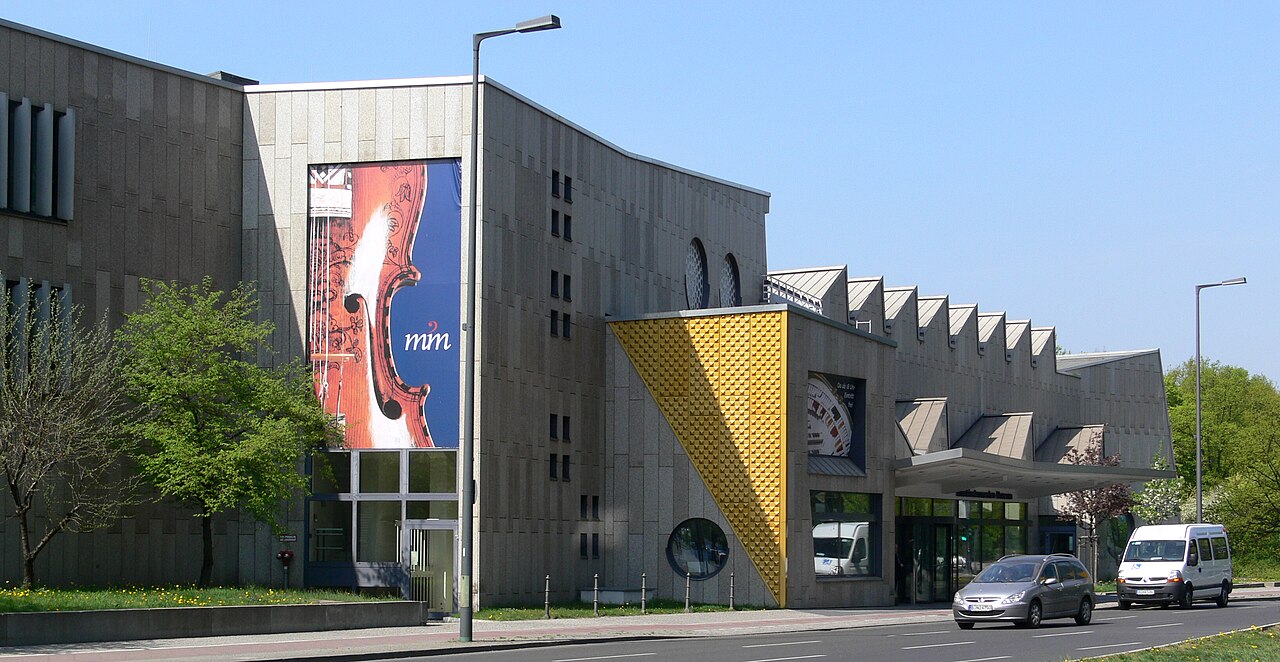
Berlin Musical Instrument Museum, known locally as Musikinstrumenten-Museum, is a specialist Berlin museum devoted to musical instruments. It belongs to the city’s diverse cultural landscape and offers a subject-led visit for travellers interested in music, craftsmanship, design, and the material history of performance. Rather than presenting a general overview of Berlin, the museum concentrates attention on instruments as objects shaped by technology, artistic practice, and changing musical traditions. It suits visitors who enjoy a focused collection with a clear theme. The Berlin Musical Instrument Museum, known locally as Musikinstrumenten-Museum, is a cultural institution in Berlin dedicated to the collection, preservation, and display of musical instruments. It holds significance as a specialized museum within Germany's capital, contributing to Berlin's reputation as a city with diverse cultural offerings. The museum is referenced among Berlin's attractions by official tourism sources, indicating its standing as a point of interest for visitors exploring the city's heritage and arts landscape.
The museum’s holdings cover historical musical instruments from different periods and geographical origins. The collection includes the broad instrument families associated with string, wind, keyboard, and percussion traditions, allowing visitors to consider how musicians produce sound and how makers solve practical design problems. The main pleasure is comparative: notice the differences in materials, shapes, mechanisms, and decoration. Even visitors without specialist musical knowledge can follow the story through the objects themselves, while music historians and players may find reasons to pause at technical details.
Set aside enough time to look beyond the most immediately recognisable instruments. A shorter visit works for travellers making a brief cultural stop, while visitors interested in musicology, craftsmanship, or historical design will gain more from a slower circuit. The museum’s specialised subject makes it easy to choose your own depth: follow one instrument family, compare objects across periods, or concentrate on construction and decoration. Leave flexibility in the day for discoveries that make you want to linger.
The museum works well as an indoor Berlin activity and can be paired with other cultural interests during unsettled weather. Choose a quieter part of your day when you want to examine instruments carefully, since detailed displays benefit from time and space. It also fits travellers who are building an arts-focused itinerary rather than following only Berlin’s most famous landmarks. The museum’s specialist character makes it a useful change of pace after larger, busier attractions and a rewarding choice for music lovers.
The museum is a cultural institution with a specialist collection, so plan the visit around the instruments and the subject rather than around a commercial entertainment format. Ticket arrangements belong to the museum’s practical information and can be kept separate from the reasons to visit. Once inside, the strongest experience comes from comparing instrument families, construction methods, and historical forms. Leave room in your Berlin day for a careful look at objects that may be easy to pass quickly but become more interesting when their design is studied.
Berlin Musical Instrument Museum is situated within Berlin’s connected urban cultural landscape. The city’s U-Bahn, S-Bahn, bus, and tram services link districts and make museum visits practical from many starting points. Route to the mapped museum location, then combine the stop with nearby cultural activities if that suits your day. Walking works for travellers staying in the surrounding area, and cycling is another natural Berlin option. Keep the journey flexible when you are pairing several museums or galleries.
Historical instruments are cultural objects, so keep a respectful distance and follow all gallery signs. Displays may be sensitive to handling, crowding, and environmental conditions. Do not touch instruments unless a clearly marked interactive element permits it. Give yourself time to read labels and compare related objects instead of treating the collection as a quick visual checklist. Museum visits also call for ordinary care with personal belongings. The specialist focus is a strength, but travellers seeking paintings or large installations should choose an additional attraction.
Photography should follow the museum’s signs and staff directions. Flash, tripods, and commercial equipment can be restricted in cultural collections, and individual displays may have different rules. Keep cameras away from glass and fragile objects, and avoid blocking other visitors who are studying the instruments. A thoughtful photograph can preserve the shape, material, and craftsmanship of an instrument, but the collection is best experienced directly through comparison and close observation rather than through a hurried camera tour.
What is the local name of Berlin Musical Instrument Museum?
It is known locally as Musikinstrumenten-Museum.
What does the museum collect?
It collects and presents historical musical instruments from different periods and geographical origins.
Which instrument families are represented?
The collection covers string, wind, keyboard, and percussion traditions.
Who will enjoy this museum most?
It is particularly rewarding for visitors interested in music, musicology, craftsmanship, historical design, and the material development of instruments.
Is it suitable for an indoor Berlin itinerary?
Yes. Its specialist collection provides a weather-independent cultural stop and a change of pace from larger Berlin attractions.
Can I photograph the instruments?
Follow the museum’s signs and staff directions. Flash, tripods, and commercial equipment may be restricted, and displays should never be touched.
Nothing non-essential is set before you choose, in regions where consent is required. If you decline, ads still appear and analytics is switched off entirely.