4 min walk
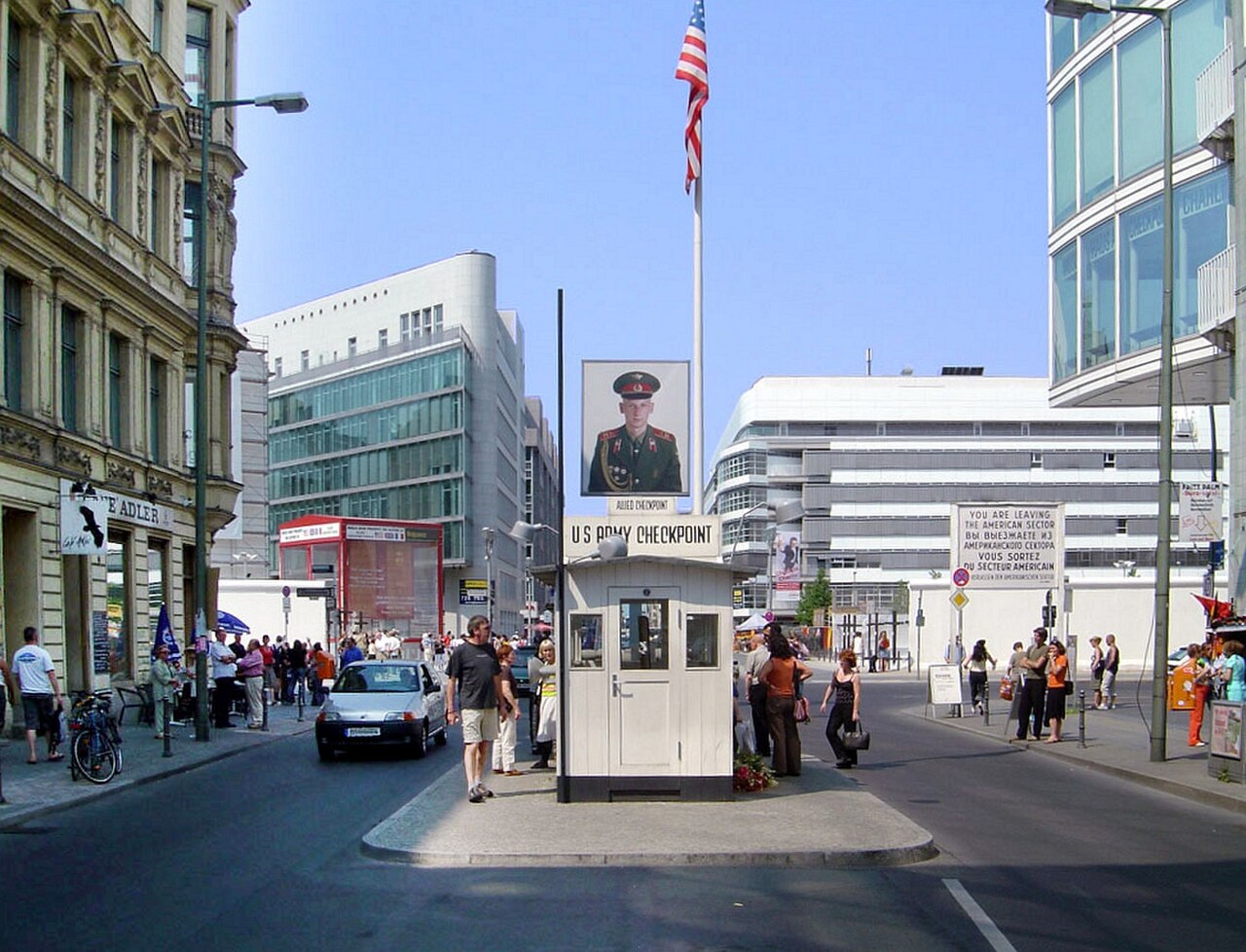
Checkpoint Charlie
- Must see
- Historic monument
Entertainment venue · Berlin
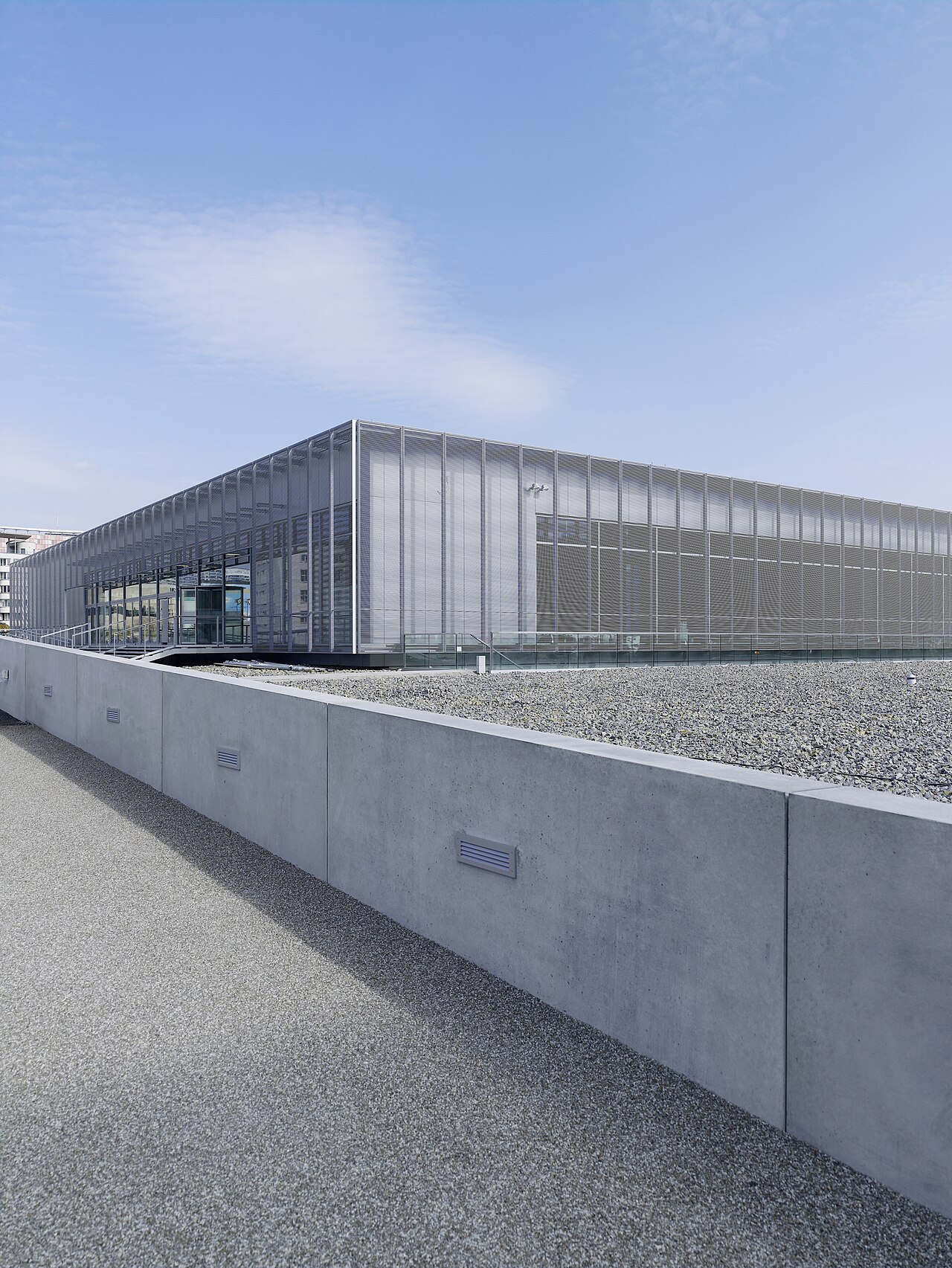
Deutsche Kinemathek – Museum für Film und Fernsehen is a Berlin museum devoted to the history of cinema and television. It combines public exhibitions with an archive that preserves Germany’s moving-image heritage. The displays place film culture in a material setting, using objects and documents to show how productions were designed, made, and remembered. For travelers, it offers a different kind of museum experience from Berlin’s painting collections: the focus is on screens, storytelling, performance, technology, and the people who shaped film and television history.
Checked 2026-08-26 · Source
The exhibitions bring together original props, costumes, set designs, technical equipment, photographs, documents, and other objects from film and television history. German cinema receives particular attention, while international material broadens the story beyond one national tradition. The displays can be read through themes such as genres, directors, production methods, and changing media technology. Audio-visual material adds movement and sound to the physical collection, while temporary exhibitions introduce a more specific filmmaker, period, or subject. The archive contains material beyond the public galleries, so the museum serves both general visitors and film researchers.
Checked 2026-08-26 · Source
Set aside several hours if cinema and television are central interests for you. The museum can also work as a shorter cultural visit when you focus on the main exhibition route and the objects that catch your attention. Screen-based displays naturally slow the pace, especially for visitors who want to watch rather than skim. A flexible schedule is useful because the experience is not only a sequence of rooms: costumes, props, technical equipment, and moving images invite different kinds of attention. Leave space afterward for a nearby Potsdamer Platz walk or another central Berlin stop.
Checked 2026-08-26 · Source
The museum is an indoor destination suited to year-round travel. Weekday mornings can provide a calmer setting for watching audio-visual material and reading the explanatory displays, while weekends and holiday periods may bring more visitors. Exhibition openings, screenings, and cultural events can change the atmosphere and make the museum especially attractive to travelers following a particular film interest. Consider the balance of your day: a longer visit suits a dedicated cinema itinerary, while a shorter stop can complement central Berlin sightseeing. The museum’s screen-based content makes it a useful rainy-day choice as well as a planned cultural highlight.
Checked 2026-08-26 · Source
Plan this as a ticketed museum visit within Berlin’s central cultural area, but no current admission amount is stated here. Exhibition content can change, and temporary presentations may be organized differently from the permanent displays. The museum’s value lies in the depth of its cinema and television material: props, costumes, documents, equipment, and moving images turn media history into something tangible. If your day includes a screening or special event, allow additional time around the gallery visit so the schedule does not force you to leave before reaching the sections most relevant to your interests.
Checked 2026-08-26 · Source
Deutsche Kinemathek is in central Berlin, in an area connected by the city’s U-Bahn, S-Bahn, bus, and tram networks. Its central position makes it practical to combine with nearby landmarks on foot, especially around Potsdamer Platz and the surrounding cultural district. Public transport is generally the simplest approach for a planned museum visit. Walking from a nearby central hotel or attraction can also work well within the urban grid. If you cycle, Berlin’s extensive street network offers another way to link the museum with other central stops, though the final approach remains a city-street journey.
Checked 2026-08-26 · Source
Much of the museum’s appeal comes from audio-visual material, so plan for periods of screen viewing, sound, and changing images. Some historical material may be presented in German, which can affect how easily international visitors follow every label. Temporary exhibitions can alter the route and the balance between film, television, objects, and documents. Compact displays may feel busy during events or popular exhibitions. Treat photography as a room-by-room matter because rights and conservation conditions can differ. Visitors with mobility, hearing, or visual needs should pay attention to the building’s available route and the character of individual installations during the visit.
Checked 2026-08-26 · Source
The museum offers many visual subjects, from costumes and props to cameras, set designs, documents, and exhibition architecture. Photograph only where the room permits it, since rights restrictions can apply to film stills, moving images, and temporary displays. Avoid flash in galleries and keep equipment compact around other visitors. Screen content can be difficult to capture clearly because reflections and changing brightness compete with the image. The most rewarding photographs often show the relationship between a physical object and the story around it, rather than trying to reproduce a film sequence from a display.
Checked 2026-08-26 · Source
The museum displays props, costumes, set designs, technical equipment, photographs, documents, and audio-visual material from German and international film and television history.
Cinema enthusiasts can spend several hours exploring the exhibitions. A shorter visit is possible when you concentrate on the main route and selected objects or displays.
Yes. The museum is an indoor cultural attraction, and its exhibitions provide a substantial central Berlin activity when outdoor sightseeing is uncomfortable.
Yes. German cinema history is a major part of the museum’s exhibitions, alongside international film and television material.
Visitors can encounter original props, costumes, set designs, technical equipment, photographs, documents, and other material connected with film and television production.
It is in central Berlin, within a cultural area connected by U-Bahn, S-Bahn, bus, and tram services and convenient for combining with nearby Potsdamer Platz sightseeing.
Loading the interactive map…
The interactive map could not be loaded.
Last updated:
Source: OpenStreetMap contributors ·