
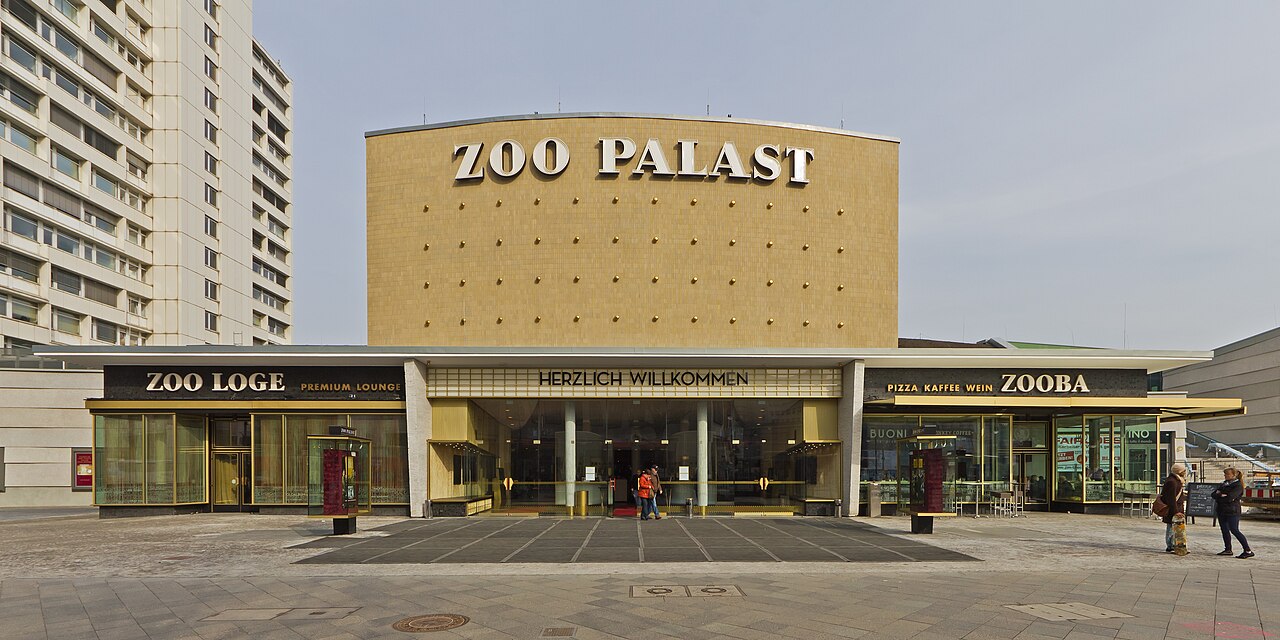
4 min walk
Zoo Palast
- Must see · Heritage site
- Entertainment venue
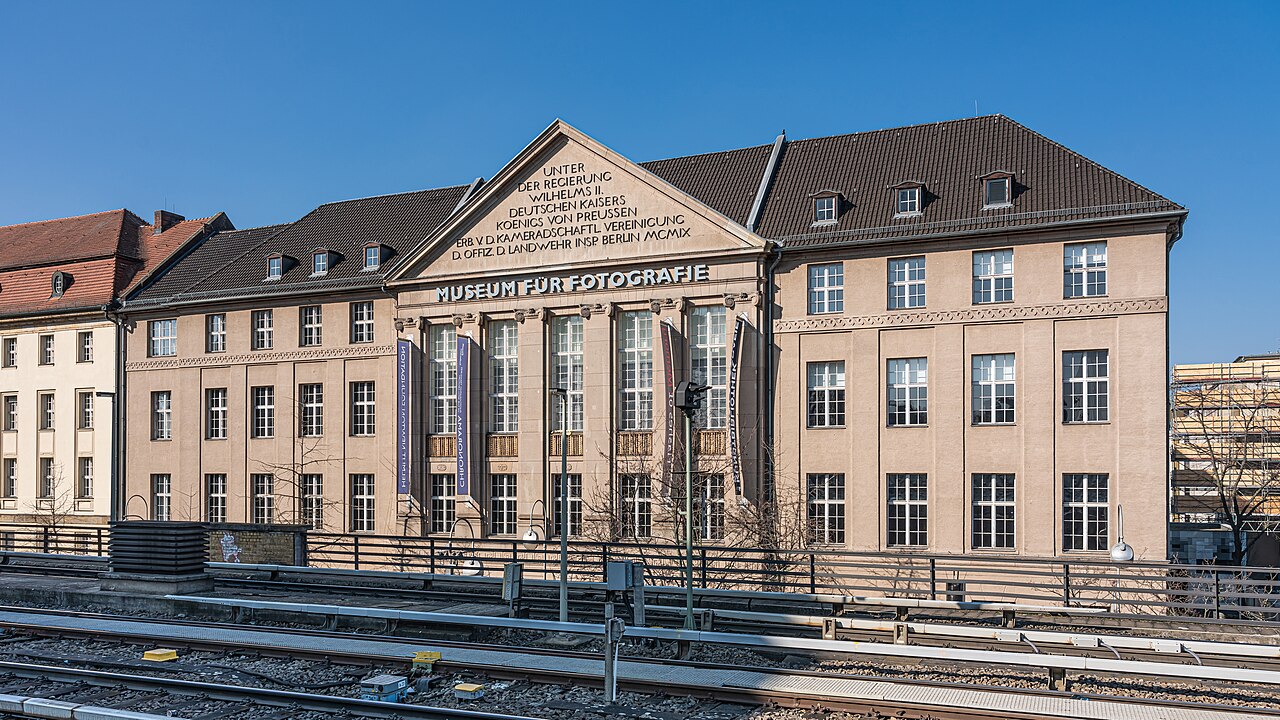
Museum · Berlin
Museum für Fotografie
| Monday | Closed |
|---|---|
| Tuesday | 11:00 – 19:00 |
| Wednesday | 11:00 – 19:00 |
| Thursday | 11:00 – 20:00 |
| Friday | 11:00 – 19:00 |
| Saturday | 11:00 – 19:00 |
| Sunday | 11:00 – 19:00 |
Parsed from OpenStreetMap opening hours on 2026-09-09.
Museum of Photography, or Museum für Fotografie, is a Berlin museum devoted to photographic art, history, and preservation. It belongs among the city’s visual-arts destinations because photography is treated as both an artistic medium and a record of changing societies. The museum suits visitors who enjoy close looking, historical images, documentary work, and exhibitions that reward attention to detail. It offers a different rhythm from Berlin’s large history museums: the subject is often a single image, a photographic series, a camera-based practice, or the story behind an archive. Plan it as a concentrated cultural stop in a museum-focused day.
Checked 2026-08-26 · Source
Inside, visitors encounter photographic works presented across different periods, styles, and uses of the medium. Exhibitions can connect artistic photography with documentary practice, photographic history, and the preservation of images as cultural objects. The experience depends on the galleries on display, but the central pleasure is consistent: compare how photographers frame people, places, events, and ordinary details. Spend time with captions and look for changes in scale, lighting, sequence, and viewpoint. A photography museum rewards repeated looking, so do not judge the visit by the number of rooms crossed. One carefully considered series may stay with you longer than a crowded collection.
Checked 2026-08-26 · Source
Allow around ninety minutes for a focused visit and up to three hours if a particular exhibition or photographer captures your attention. Photography is easy to underestimate because individual images can look quick to view, yet the relationships between images, captions, and historical context take time. A casual visitor can make a shorter circuit, while enthusiasts may linger over technique, sequencing, and archival detail. Build in a little flexibility if you are pairing the museum with another cultural venue. The most satisfying pace is deliberate: pause often, compare images, and let the exhibition’s rhythm guide your movement.
Checked 2026-08-26 · Source
An indoor photography museum is a dependable choice in Berlin’s colder or rainy months as well as during summer. Weekday mornings usually provide a calmer setting for close looking than busy weekend periods. Allow extra time when a major exhibition or opening event is part of your plan, since temporary shows can change the museum’s appeal and the pace of the galleries. Photography works well in a day built around other indoor cultural stops, while clear weather gives you more freedom to add outdoor Berlin afterward. Choose the timing that leaves enough mental space for reading and observation.
Checked 2026-08-26 · Source
Keep the museum in your cultural itinerary without attaching an unsupported figure to the visit. Photography museums can contain both collection displays and temporary exhibitions, and the cost of entry may relate to the particular program being shown. The practical value of this stop is the opportunity to spend sustained time with photographic works and their context. Travelers planning a tightly budgeted museum day should leave room for the ticket arrangements attached to the visit they choose.
Checked 2026-08-26 · Source
Museum of Photography sits within Berlin’s well-connected urban museum landscape. U-Bahn, S-Bahn, buses, trams, cycling, and walking can all form part of the journey, depending on your starting point and the other museums in your day. Use the museum’s name with a current Berlin map to plan the final approach and allow time for transfers. The venue is especially easy to combine with a wider cultural route rather than treating it as an isolated destination. A planned sequence of indoor stops also makes the day comfortable when rain, cold, or heat makes long outdoor walks less appealing.
Checked 2026-08-26 · Source
Museum galleries can feel cool because photographic works and historic materials require controlled conditions, so a light extra layer is useful. Temporary exhibitions may include difficult documentary imagery or subjects that need emotional preparation. Bags, large belongings, and security procedures can affect the first few minutes of the visit, especially at busy times. Give each gallery enough breathing room and avoid blocking other visitors who are studying an image. The museum’s subject makes copyright and exhibition-specific rules important, particularly where works come from loans or contemporary artists. Quiet concentration improves the experience for everyone.
Checked 2026-08-26 · Source
Bring a camera only as a secondary part of the visit: the museum itself should remain the focus. Follow gallery signs and staff directions for each exhibition, since rules can differ between permanent material and borrowed works. Avoid flash, tripods, or equipment that obstructs circulation unless explicitly permitted. Do not copy or publish images in ways that disregard copyright or the artist’s terms. A considerate visitor photographs only where allowed, keeps the device quiet, and leaves room for others to look. When no image is needed, simply studying the work often provides the clearest memory of the exhibition.
Checked 2026-08-26 · Source
Its German name is Museum für Fotografie.
It presents photographic works connected with art, history, documentary practice, and the preservation of photographic collections.
A focused visit takes about ninety minutes, while visitors with strong interest may spend up to three hours.
Yes. Its indoor galleries make it a natural choice for a rainy, cold, or very hot day in Berlin.
Compare framing, lighting, sequence, viewpoint, captions, and the relationship between individual photographs and the wider exhibition.
Follow the rules posted for each exhibition, avoid flash and obstructive equipment, and photograph only where the museum permits it.
Loading the interactive map…
The interactive map could not be loaded.
Last updated:
Source: OpenStreetMap contributors, Wikidata ·