
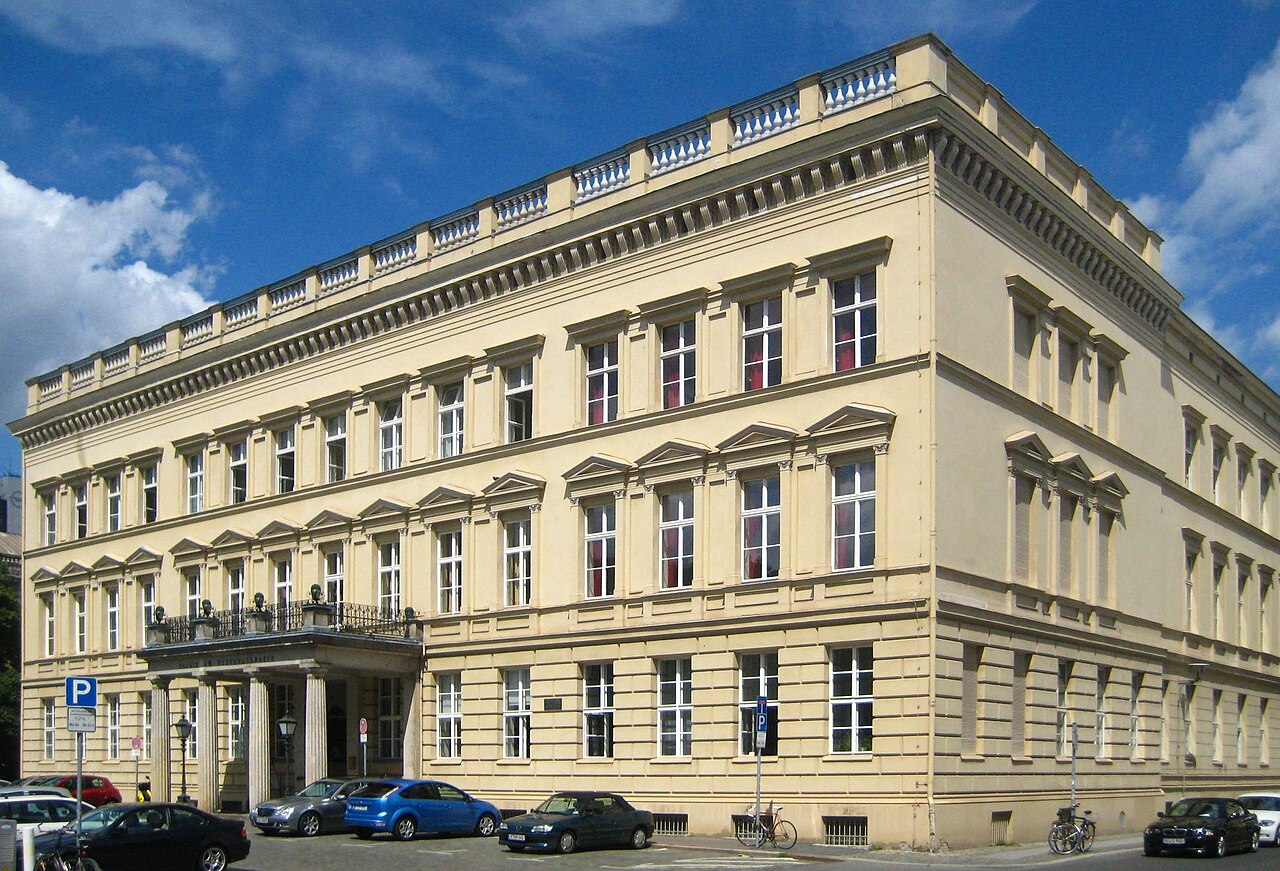
2 min walk
Palais am Festungsgraben
- High · Heritage site
- Historic monument
Language · 11 published
Historic monument · Berlin
Reviewed by Elena Voss · Roavina Travel Editor
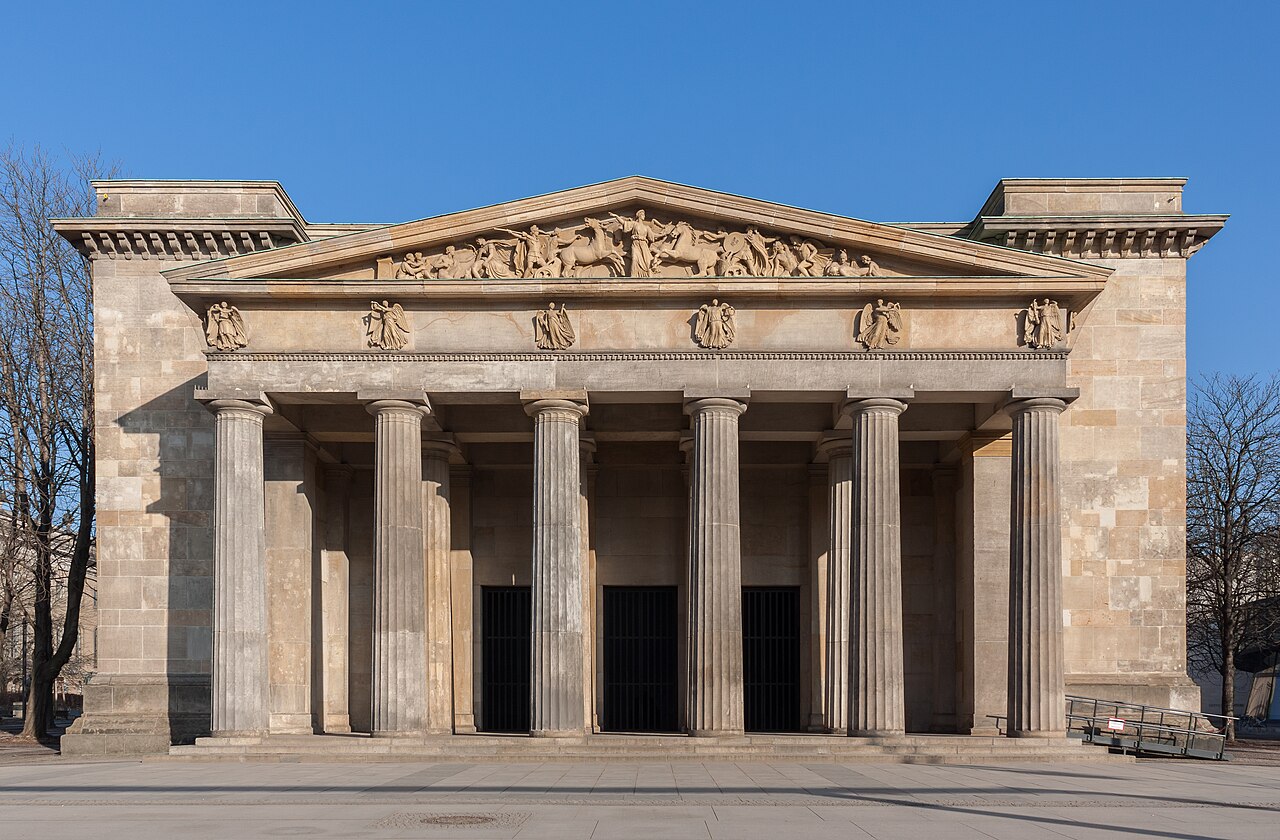
This place is a Attraction. It was established in 1818. It was built in the Neoclassical architecture style. It was designed by Karl Friedrich Schinkel. It carries the cultural heritage monument in Berlin heritage designation.
Neue Wache is a neoclassical memorial on Berlin’s Unter den Linden boulevard in the Mitte district. Karl Friedrich Schinkel designed the building, completed in 1818 as a guardhouse for Prussian troops. Its later history transformed the former military building into a place of remembrance. Today it serves as the Central Memorial of the Federal Republic of Germany for the Victims of War and Tyranny. Its plain, powerful architecture makes it a brief but important stop in central Berlin. Neue Wache is a former royal guardhouse in Berlin, Germany. Located on Unter den Linden boulevard, it was originally built as a guardhouse for the troops of the Crown Prince of Prussia. The building has served various memorial purposes throughout German history. Today it functions as the Central Memorial of the Federal Republic of Germany for the Victims of War and Tyranny. The neoclassical structure was designed by architect Karl Friedrich Schinkel and completed in 1818, representing an important example of Prussian architectural heritage. No. Neue Wache functions as a memorial rather than a museum. It contains no exhibitions, historical displays, or interpretive materials. The interior presents only Käthe Kollwitz's sculptural work within an empty chamber.
Checked 2026-08-26 · Source
The interior is deliberately spare. At its centre stands Käthe Kollwitz’s sculpture Mother with her Dead Son, an enlarged bronze work showing a mother holding her deceased child. An oculus in the roof leaves the chamber open to natural light and weather, including rain and snow. There are no galleries or extended exhibition route: the bare stone room, the sculpture and the skylight create the entire memorial experience. The simplicity directs attention to grief, loss and remembrance.
Checked 2026-08-26 · Source
Most visitors need around 10 to 15 minutes inside. The memorial consists of a single compact chamber, so there are no separate galleries or long pathways. Spend the time looking at the sculpture, the relationship between the figure and the oculus, and the effect of the unadorned walls. Visitors seeking a quieter moment may remain longer. Its short duration makes Neue Wache easy to combine with Unter den Linden, Museum Island, the Brandenburg Gate or the Reichstag area.
Checked 2026-08-26 · Source
The neoclassical exterior can be viewed while walking along Unter den Linden, while the interior visit depends on access to the memorial chamber. The open oculus means weather and season are part of the atmosphere: rain, snow and changing daylight are visible from inside. Summer brings heavier visitor traffic around central Berlin, whereas a quieter period can make the small chamber easier to contemplate. Include the memorial during a daytime route through Mitte and allow a few minutes for stillness.
Checked 2026-08-26 · Source
Neue Wache is designed as a public memorial rather than a conventional ticketed attraction. Its compact, single-room format means the stop requires little time or itinerary space. Combine it with the surrounding central sights and treat the visit as an opportunity for remembrance, not as an exhibition requiring a long stay. The nearby museums and landmarks create the paid and extended parts of a Mitte itinerary, while Neue Wache contributes a short, meaningful pause along the boulevard.
Checked 2026-08-26 · Source
The memorial stands prominently on Unter den Linden in central Mitte. Friedrichstraße and Brandenburger Tor are useful nearby public-transport points, with U-Bahn, S-Bahn and regional connections in the surrounding centre. Buses run along the boulevard. From Neue Wache, you can walk to Museum Island, the Brandenburg Gate and the Reichstag area, making it a natural link between major sights. Berlin’s central cycle network also makes the boulevard accessible by bicycle, though the memorial itself is best approached quietly on foot.
Checked 2026-08-26 · Source
Neue Wache commemorates victims of war and tyranny, so conduct should be quiet and restrained. The open roof can expose the interior to cold or wet conditions; dress accordingly in unsettled weather. The chamber is small and can feel crowded quickly. The memorial is not a museum with extensive displays, labels or multiple rooms, so travellers seeking detailed historical interpretation should plan a separate museum visit elsewhere in Berlin. Watch your footing at the historic entrance and leave space for other visitors to reflect.
Checked 2026-08-26 · Source
The sculpture and oculus create a strong central composition, but photography should never dominate the memorial visit. Natural light changes with weather and time of day, while the compact chamber leaves little room for equipment. Avoid flash and extensive staging, and do not use a tripod in the confined space. Exterior photographs of Schinkel’s neoclassical facade can be taken from the public boulevard. Inside, keep movements quiet, avoid blocking the entrance and give other visitors room for contemplation.
Checked 2026-08-26 · Source
No. Neue Wache is a memorial. Its interior contains Käthe Kollwitz’s Mother with her Dead Son beneath an oculus, rather than galleries or a conventional exhibition.
The memorial contains Mother with her Dead Son by Käthe Kollwitz. The bronze sculpture depicts maternal grief and loss and forms the central focus of the chamber.
No. The sculpture is inside the memorial chamber. From Unter den Linden, visitors can see the neoclassical exterior but must enter to view the artwork.
Most visitors spend approximately 10 to 15 minutes inside. The single-room design makes it easy to include in a walking route through Mitte and Unter den Linden.
It is on Unter den Linden in Berlin’s Mitte district, within walking distance of Museum Island, the Brandenburg Gate and the Reichstag area.
An oculus opens the roof above the sculpture, allowing natural light and weather such as rain or snow into the chamber. This element reinforces the memorial’s stark atmosphere.
Loading the interactive map…
The interactive map could not be loaded.
Last updated:
Source: OpenStreetMap contributors, Wikidata ·