
2 min walk
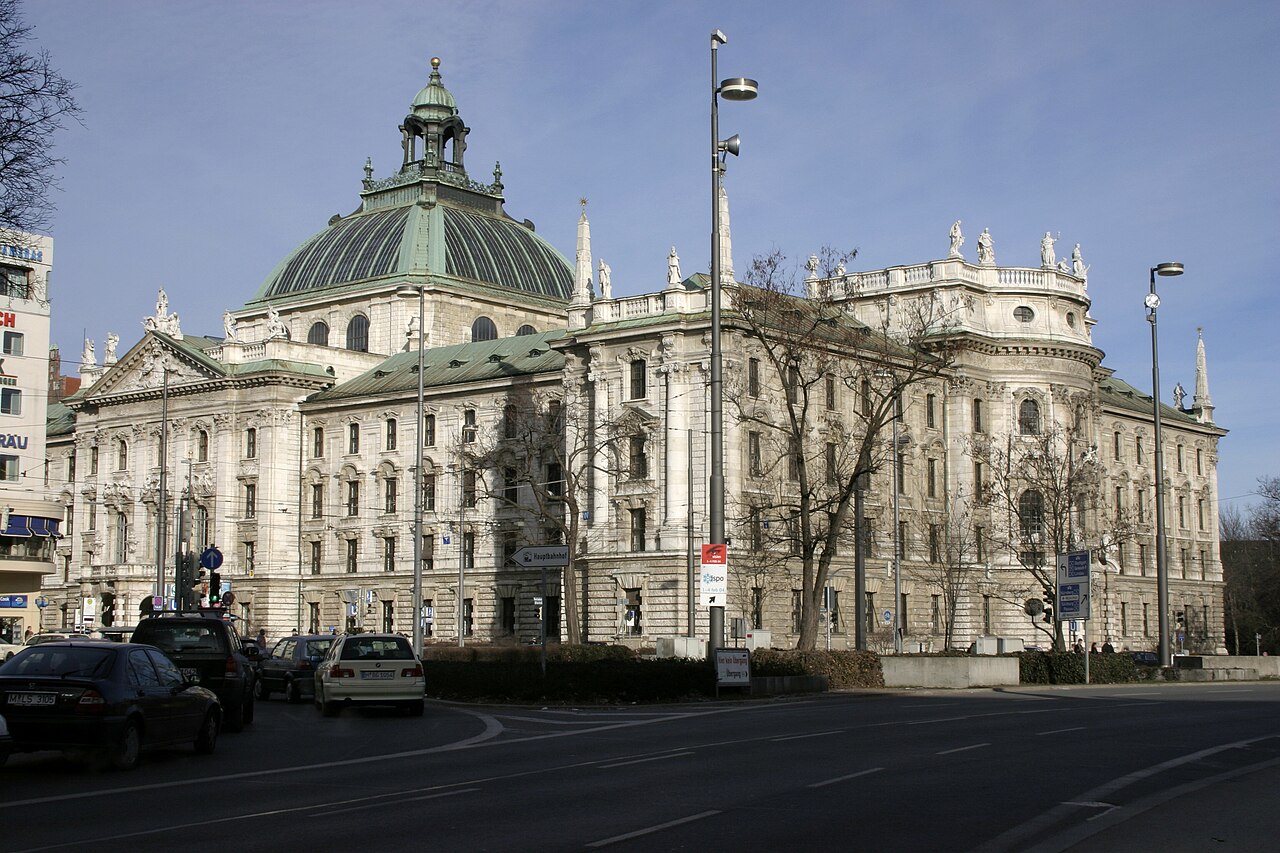
Justizpalast
- Must see · Heritage site
- Historic monument
Language · 11 published
Nature site · Munich
Reviewed by Elena Voss · Roavina Travel Editor
| Monday | 00:00 – 23:59 |
|---|---|
| Tuesday | 00:00 – 23:59 |
| Wednesday | 00:00 – 23:59 |
| Thursday | 00:00 – 23:59 |
| Friday | 00:00 – 23:59 |
| Saturday | 00:00 – 23:59 |
| Sunday | 00:00 – 23:59 |
Checked 2026-08-31 · Source
Read from the OpenStreetMap access tags; anything not listed has no tag recorded.
Set the group type to family in the planner and the day window contracts to about three quarters of a solo day.
This place is a Park. It opened in 1804. It was designed by Friedrich Ludwig von Sckell. It carries the architectural heritage monument in Bavaria heritage designation.
Alter Botanischer Garten is a historic public park in central Munich near Karlsplatz-Stachus. The site housed Munich’s original botanical garden from 1812 until the gardens moved to Nymphenburg in 1914. Today the former garden provides an urban green space where visitors can pause among mature trees, lawns, paths, and historic garden features. Its location beside one of Munich’s main transport and shopping areas makes it useful as a short break between central sights. The park combines botanical heritage with the everyday rhythm of a city centre. Alter Botanischer Garten is a historic park in central Munich, Germany. It occupies the site of Munich's original botanical garden, which operated from 1812 until the gardens relocated to Nymphenburg in 1914. Today it functions as a public green space near Karlsplatz-Stachus, offering visitors a peaceful retreat amid the city bustle. No. Alter Botanischer Garten is the former site; the current botanical garden is Botanischer Garten München-Nymphenburg, which opened in 1914.
Checked 2026-08-26 · Source
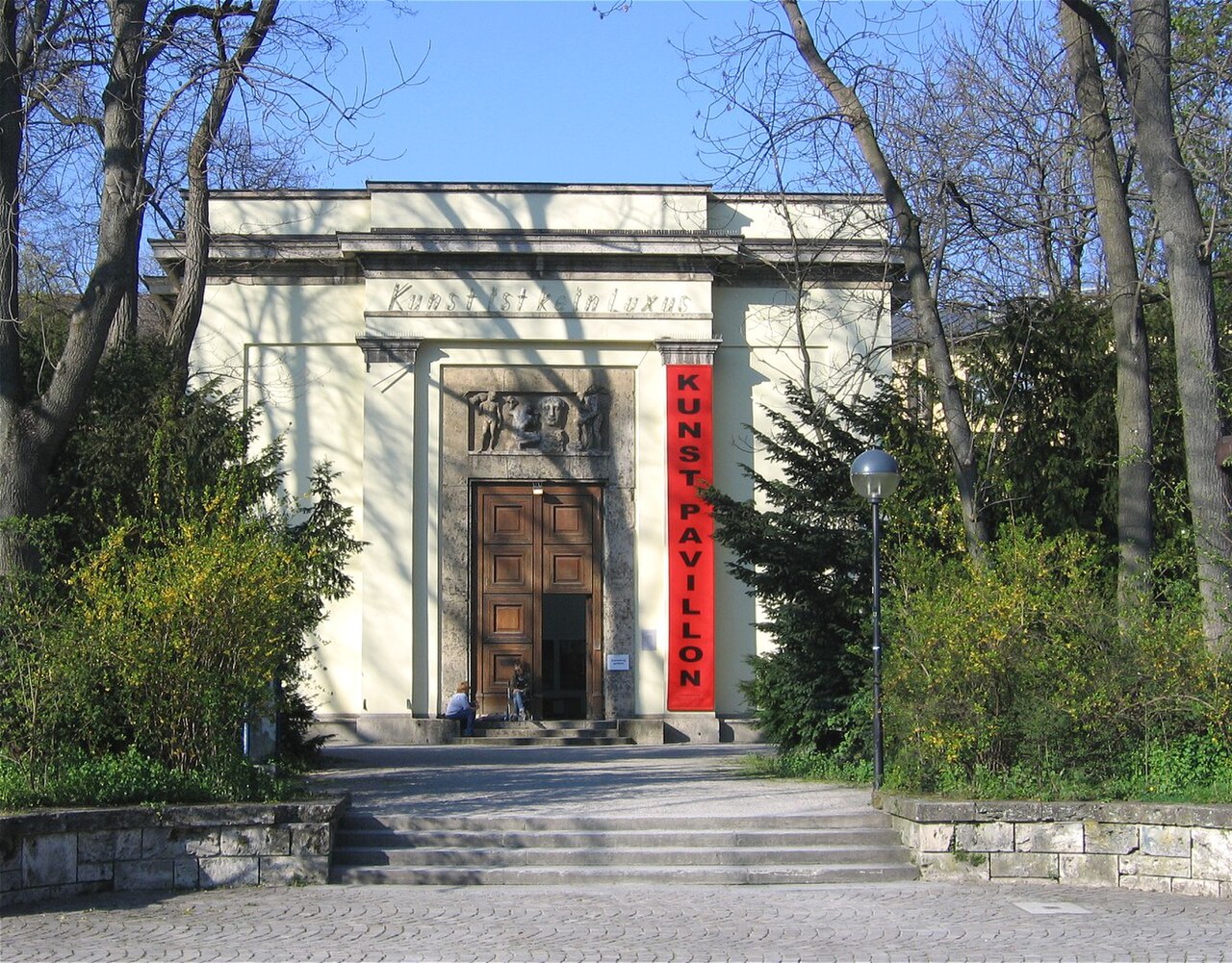
The grounds contain mature trees, lawns, paths, seating areas, and a notable neoclassical glass-and-iron pavilion connected with the garden’s botanical history. Seasonal plantings and maintained horticultural areas add colour and texture, while the park’s layout offers a contrast with the busy streets around Karlsplatz-Stachus. Alter Botanischer Garten is a place for walking, sitting, and observing the relationship between historic garden architecture and central Munich. The pavilion provides the clearest architectural focal point, while the trees and lawns create the park’s quieter character.
Checked 2026-08-26 · Source
Allow thirty minutes to one hour for a relaxed visit to Alter Botanischer Garten. A brief pause on a bench can take fifteen to twenty minutes, while a complete walk through the paths and a closer look at the pavilion suits a longer stop. The park is compact enough to fit between central Munich attractions rather than requiring a dedicated half-day. Reading, resting, or sitting among the trees can extend the visit when the weather is comfortable.
Checked 2026-08-26 · Source
Daylight is the most useful time for seeing the pavilion, plantings, paths, and mature trees. Spring through autumn generally gives the park its strongest combination of greenery and comfortable outdoor conditions, while winter offers a quieter atmosphere and a clearer view of the garden structure. Morning can feel calmer before the surrounding transport and shopping areas become busier. Rain affects the paths and lawns, and the pavilion provides only partial cover, so outdoor conditions shape the experience more than they would in an indoor attraction.
Checked 2026-08-26 · Source
Alter Botanischer Garten is experienced as a public urban park, so the garden itself is a straightforward stop within a central Munich walk. There is no museum-style exhibition route or ticketed interior described for the park. Visitors can combine the grounds with Karlsplatz-Stachus, Karlstor, Sendlinger Tor, and the surrounding pedestrian shopping streets. The open layout makes the garden particularly useful for travellers who want a free pause between major sights, with the pavilion and plantings providing more interest than an ordinary city square.
Checked 2026-08-26 · Source
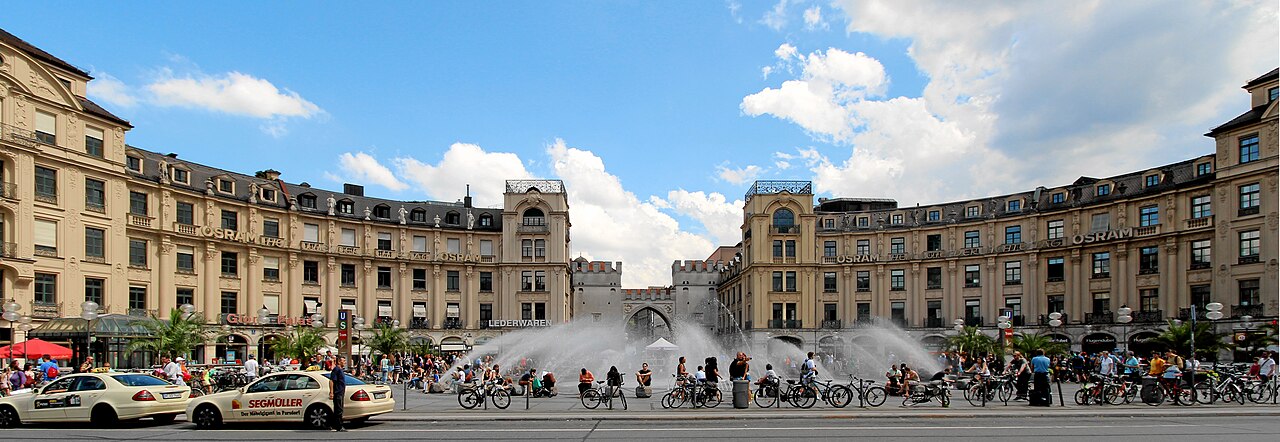
Alter Botanischer Garten is beside Karlsplatz-Stachus, one of Munich’s largest transport interchanges. U-Bahn lines U1, U2, U4, U5, U7, and U8 serve Karlsplatz, as do S-Bahn services S1 through S8. Tram and bus routes also converge nearby. Munich Hauptbahnhof is about a ten-minute walk away, making the park easy to reach before or after a train journey. The central location also supports walking and cycling connections to Karlstor, Sendlinger Tor, and the pedestrian shopping district.
Checked 2026-08-26 · Source
The park sits beside busy streets and a major transport node, so take care when entering, leaving, and crossing nearby roads. The central setting brings steady pedestrian movement and calls for ordinary urban awareness around personal belongings. Paths and lawns can be damp after rain. The pavilion offers only partial weather cover, not a place for prolonged shelter. Alter Botanischer Garten is primarily a place for passive recreation, with trees, lawns, paths, seating, plantings, and historic garden architecture forming the main experience.
Checked 2026-08-26 · Source
The glass-and-iron pavilion is the park’s strongest architectural subject. Photograph it against the surrounding trees, or use the contrast between the garden’s greenery and the stone buildings around Karlsplatz-Stachus to show the site’s central setting. Seasonal foliage changes the framing, while morning and late-afternoon light can bring out the pavilion’s structure and translucency. Paths and mature trees offer quieter compositions beyond the main streets. Keep equipment unobtrusive around seated visitors, and use the public paths rather than lawns when positioning yourself.
Checked 2026-08-26 · Source
No. Alter Botanischer Garten occupies the former central site. Munich’s botanical garden moved to Nymphenburg in 1914.
The park’s main architectural feature is a neoclassical glass-and-iron pavilion, set among mature trees, lawns, paths, seating, and seasonal plantings.
Allow thirty minutes to one hour for a walk and a look at the pavilion. A shorter visit works well as a rest stop between central Munich sights.
The park is near Karlsplatz-Stachus in central Munich, about a ten-minute walk from Munich Hauptbahnhof and close to major U-Bahn, S-Bahn, tram, and bus connections.
Visitors can walk the paths, sit among the trees and lawns, look at seasonal plantings, and study the historic pavilion and the park’s former botanical-garden character.
Yes. Its central position makes it easy to combine with Karlsplatz-Stachus, Karlstor, Sendlinger Tor, and the surrounding pedestrian shopping streets.
Loading the interactive map…
The interactive map could not be loaded.
Last updated:
Source: OpenStreetMap contributors, Wikidata ·