.JPG)
2 min walk
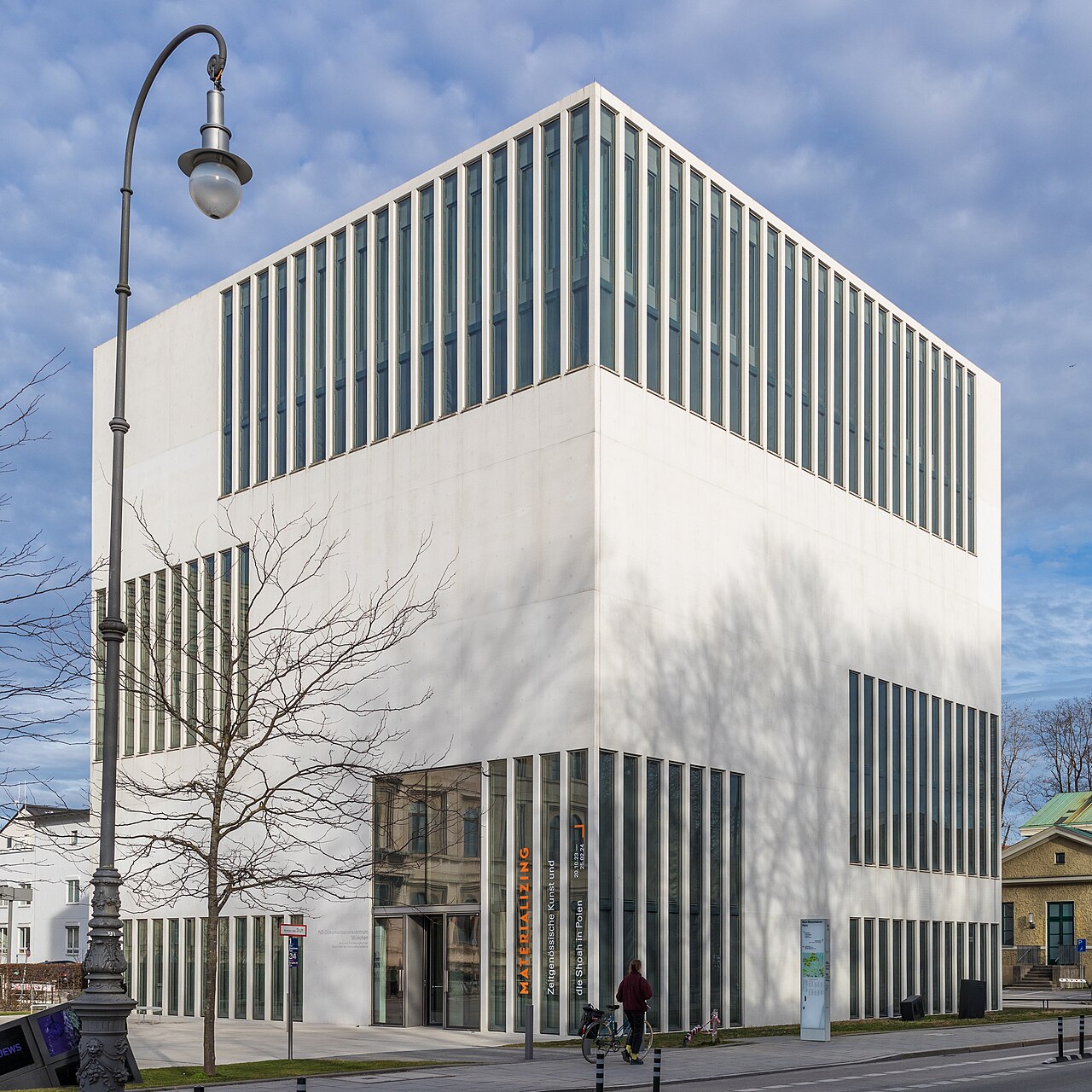
NS-Dokumentationszentrum
- High
- Museum
Language · 11 published
Museum · Munich
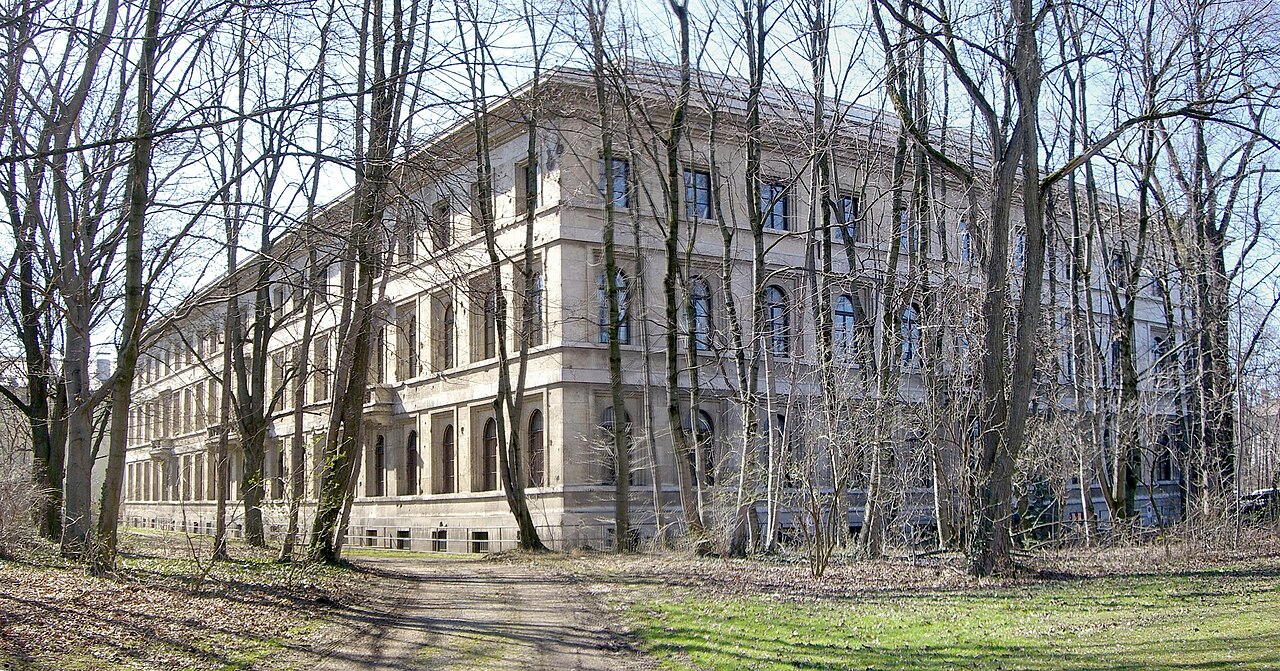
Staatliche Graphische Sammlung
Reviewed by Elena Voss · Roavina Travel Editor
| Monday | Closed |
|---|---|
| Tuesday | 10:00 – 18:00 |
| Wednesday | 10:00 – 18:00 |
| Thursday | 10:00 – 20:00 |
| Friday | 10:00 – 18:00 |
| Saturday | 10:00 – 18:00 |
| Sunday | 10:00 – 18:00 |
Checked 2026-08-31 · Source
Read from the OpenStreetMap access tags; anything not listed has no tag recorded.
Set the group type to family in the planner and the day window contracts to about three quarters of a solo day.
This place is a Museum. It was established in 1874.
Staatliche Graphische Sammlung is Munich’s specialist museum for graphic art: a focused place for studying drawings, prints, and other works on paper rather than a broad survey of painting and sculpture. Its character comes from close looking at line, impression, paper, and printmaking techniques. The collection gives this central Munich stop a distinct purpose within the city’s museum landscape. Visitors interested in how artists construct images through marks, plates, stones, blocks, and paper will find a more specialised experience here than in a general art museum. It is best understood as a destination for attentive viewing, not as a quick substitute for every kind of art collection in Munich.
Checked 2026-09-02 · Source
The collection includes drawings, prints, and illustrated books from several historical periods. Visitors may encounter Old Master drawings, nineteenth-century works, and modern graphic art, with techniques such as etching, engraving, lithography, and woodcut represented in its scope. Displays change because works on paper are light-sensitive and cannot remain on view indefinitely. A temporary exhibition may therefore present a noticeably different selection from an earlier visit, while still revealing the collection’s breadth through carefully chosen works and themes. The changing displays are part of the practical character of this institution: seeing one exhibition does not mean seeing the complete holdings.
Checked 2026-09-02 · Source
Allow about one to two hours for a normal visit. The museum’s specialised subject rewards slow attention: a visitor interested in technique, attribution, or the physical qualities of a print may spend much longer with a small number of works. A general sightseeing itinerary can gain a worthwhile introduction in less time. Add extra time when a temporary exhibition is running, or when you are pairing this focused collection with nearby museums in central Munich. Visitors who read labels carefully or compare related techniques should resist treating the compact visit estimate as a strict limit.
Checked 2026-09-02 · Source
The recorded operator schedule is Monday 10:00–18:00, Tuesday closed, Wednesday 10:00–18:00, Thursday 10:00–20:00, Friday 10:00–18:00, Saturday 10:00–18:00, and Sunday 10:00–18:00. Thursday’s late closing is the most useful planning detail for visitors who spend the daytime elsewhere. Because exhibitions can change, repeat visitors may also choose their date according to the displayed theme or featured group of works, not only the weekly timetable. The Tuesday closure matters when building a museum itinerary, since nearby institutions may follow different weekly schedules.
Checked 2026-09-02 · Source
The recorded admission is €10 per person. Treat this as the documented standard entry amount for the visit, while recognising that a special exhibition or visitor category may use a different tariff if the operator publishes one. The operator’s visitor page is the authoritative source for the amount and any concessions. A paid entry makes this a deliberate specialist stop, especially for travellers choosing between several central Munich museums and deciding whether graphic art is a priority. Include the admission in the day’s museum budget rather than assuming that entry is covered by a general city sightseeing pass.
Checked 2026-09-02 · Source
The collection is in central Munich, where U-Bahn and S-Bahn services connect the surrounding district with the rest of the city. Trams and buses provide additional approaches, and walking from Marienplatz or Munich Hauptbahnhof is feasible for visitors comfortable with a central-city route. Cycling can work well in Munich, while car parking is subject to city-centre limits and costs. Its location among other museums makes it practical to combine this specialist collection with a nearby institution on foot. Public transport is therefore the most straightforward choice for visitors carrying a full day of central Munich stops.
Checked 2026-09-02 · Source
This is a focused graphic-art collection, so visitors should expect works on paper and close observation rather than interactive displays or rooms dominated by large paintings and sculpture. Light-sensitive material means exhibitions rotate, and the selection on a particular date may not represent the full holdings. Keep bags and visitor conduct within staff instructions, and confirm access arrangements if you have specific mobility requirements. The quiet, concentrated atmosphere suits attentive viewing but may feel restrained to visitors seeking a highly participatory museum. Exhibition changes also mean that a remembered favourite work may not be visible on a later visit.
Checked 2026-09-02 · Source
Graphic collections must balance visitor documentation with conservation and reproduction rights, and the applicable rule may depend on the exhibition. Follow the signs and staff instructions on arrival; flash should never be used around light-sensitive works. If recording the visit matters to you, ask before taking a picture rather than assuming that a restriction is universal. Sketching or personal notes may be treated differently from photography, so staff guidance is the reliable reference during your visit. This is especially important for works on paper, where conservation needs and image rights can shape the rules in each display.
Checked 2026-09-02 · Source
It specialises in graphic art, including drawings, prints, and illustrated books, with holdings spanning Old Master, nineteenth-century, and modern works and techniques such as etching, engraving, lithography, and woodcut.
Plan for about one to two hours. Visitors with a specialist interest in particular works or techniques may want longer, especially when a temporary exhibition is on view.
The recorded schedule is Monday 10:00–18:00, Tuesday closed, Wednesday 10:00–18:00, Thursday 10:00–20:00, Friday 10:00–18:00, Saturday 10:00–18:00, and Sunday 10:00–18:00.
The recorded admission is €10 per person. The operator’s visitor page is the source for the documented tariff and any visitor-category or exhibition-specific variation.
Yes. The central Munich location is served by U-Bahn and S-Bahn connections, with tram and bus routes offering additional access. Walking from Marienplatz or Munich Hauptbahnhof is also feasible for visitors comfortable with a city-centre route.
Photography rules should be confirmed on arrival because they can depend on the exhibition. Follow posted signs and staff instructions, and never use flash around light-sensitive works.
Loading the interactive map…
The interactive map could not be loaded.

Last updated:
Source: OpenStreetMap contributors, Wikidata ·