
2 min walk
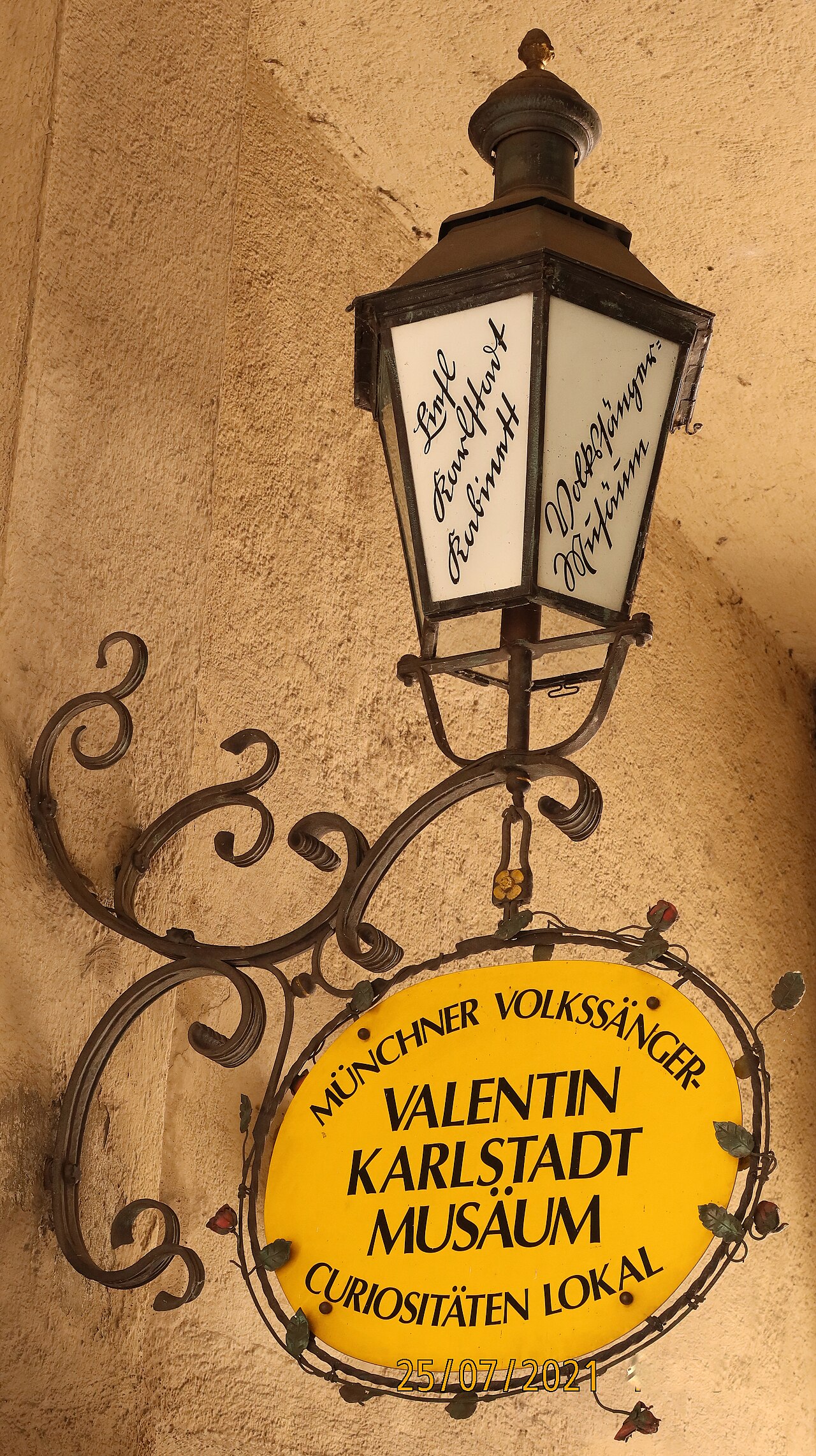
Valentin-Volkssänger-Musäum
- Notable
- Museum
Language · 11 published
Museum · Munich
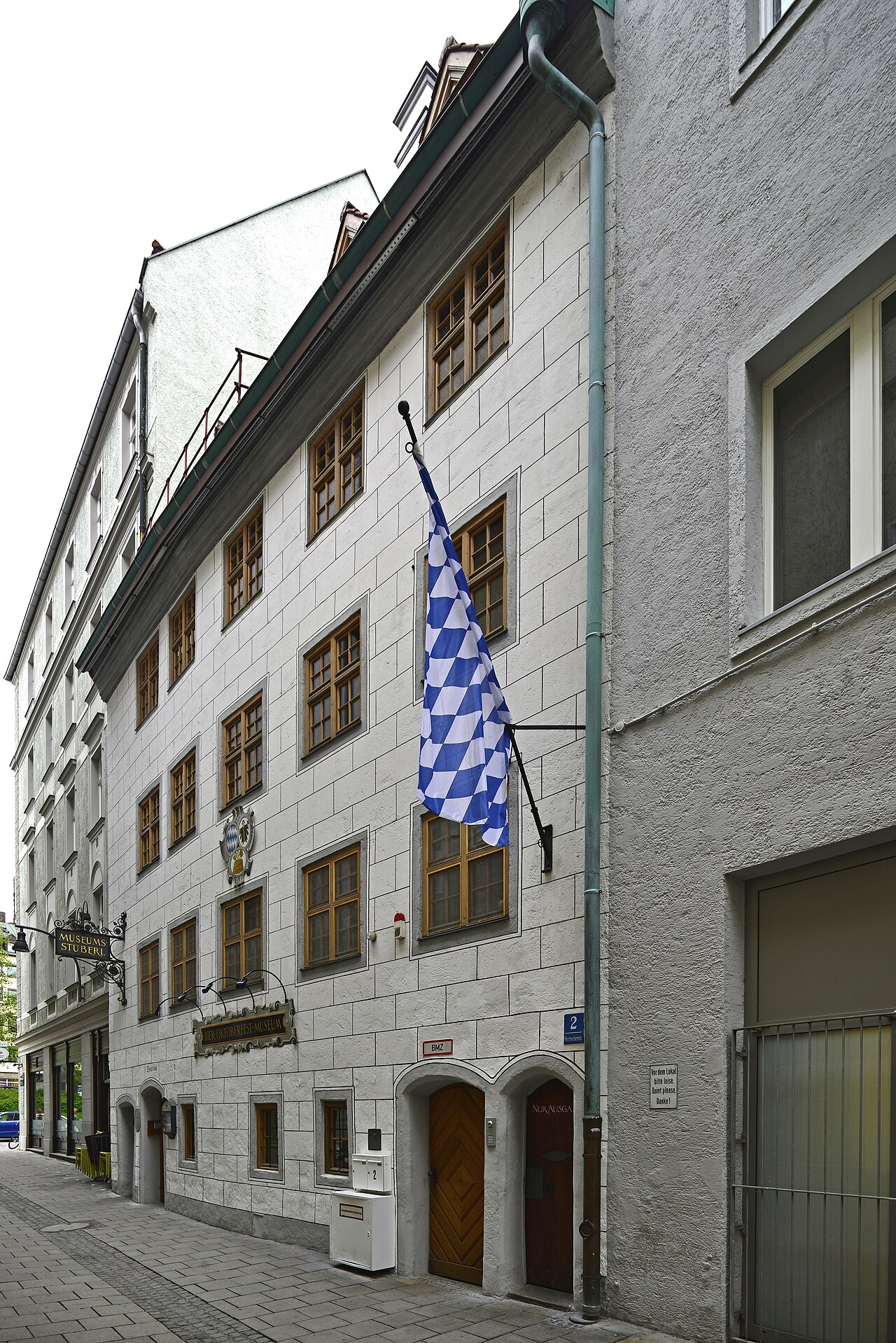
Bier- und Oktoberfestmuseum
Reviewed by Elena Voss · Roavina Travel Editor
| Monday | 11:00 – 19:00 |
|---|---|
| Tuesday | 11:00 – 19:00 |
| Wednesday | 11:00 – 19:00 |
| Thursday | 11:00 – 19:00 |
| Friday | 11:00 – 19:00 |
| Saturday | 11:00 – 19:00 |
| Sunday | Closed |
Checked 2026-08-31 · Source
Read from the OpenStreetMap access tags; anything not listed has no tag recorded.
Set the group type to family in the planner and the day window contracts to about three quarters of a solo day.
This place is a Museum. It opened in 2005.
The Beer and Oktoberfest Museum occupies a historic townhouse in Munich's old town, housed in one of the city's oldest preserved residential buildings dating from the 14th century. The museum documents Bavarian brewing traditions and the history of the Oktoberfest, the world's largest folk festival. Its location in the Haidhausen district places it near the Isar River. The building's medieval architecture provides an atmospheric setting for exhibitions on beer culture, which has shaped Munich's identity for centuries.
Checked 2026-08-26
Exhibits trace the history of the Oktoberfest from its 1810 origins as a royal wedding celebration to its modern incarnation. Displays cover Bavarian brewing techniques, beer purity laws, and the social significance of beer gardens. Historical photographs, documents, and memorabilia illustrate festival evolution. The museum includes traditional brewing equipment and explores the role of Munich's major breweries. A tavern area offers visitors the opportunity to sample beers in a historic setting, connecting the exhibition content with contemporary Bavarian drinking culture.
Checked 2026-08-26
Visitors typically spend between one and two hours exploring the museum's multi-level exhibition spaces. The compact historic building requires navigating narrow staircases between floors, which may extend visit duration for those with mobility considerations. Beer tasting in the tavern adds approximately thirty to sixty minutes. The self-guided format allows flexible pacing. Those with deep interest in brewing history or Oktoberfest memorabilia may linger longer examining detailed displays and reading documentary materials throughout the exhibition. Beer and Oktoberfest Museum also earns time in a munich itinerary because A ranked visitor place retained from the city fact pack and matched exactly to the production city pool. Its value becomes clearer when the stop is compared with the surrounding streets and the other ranked places nearby.
Checked 2026-08-26
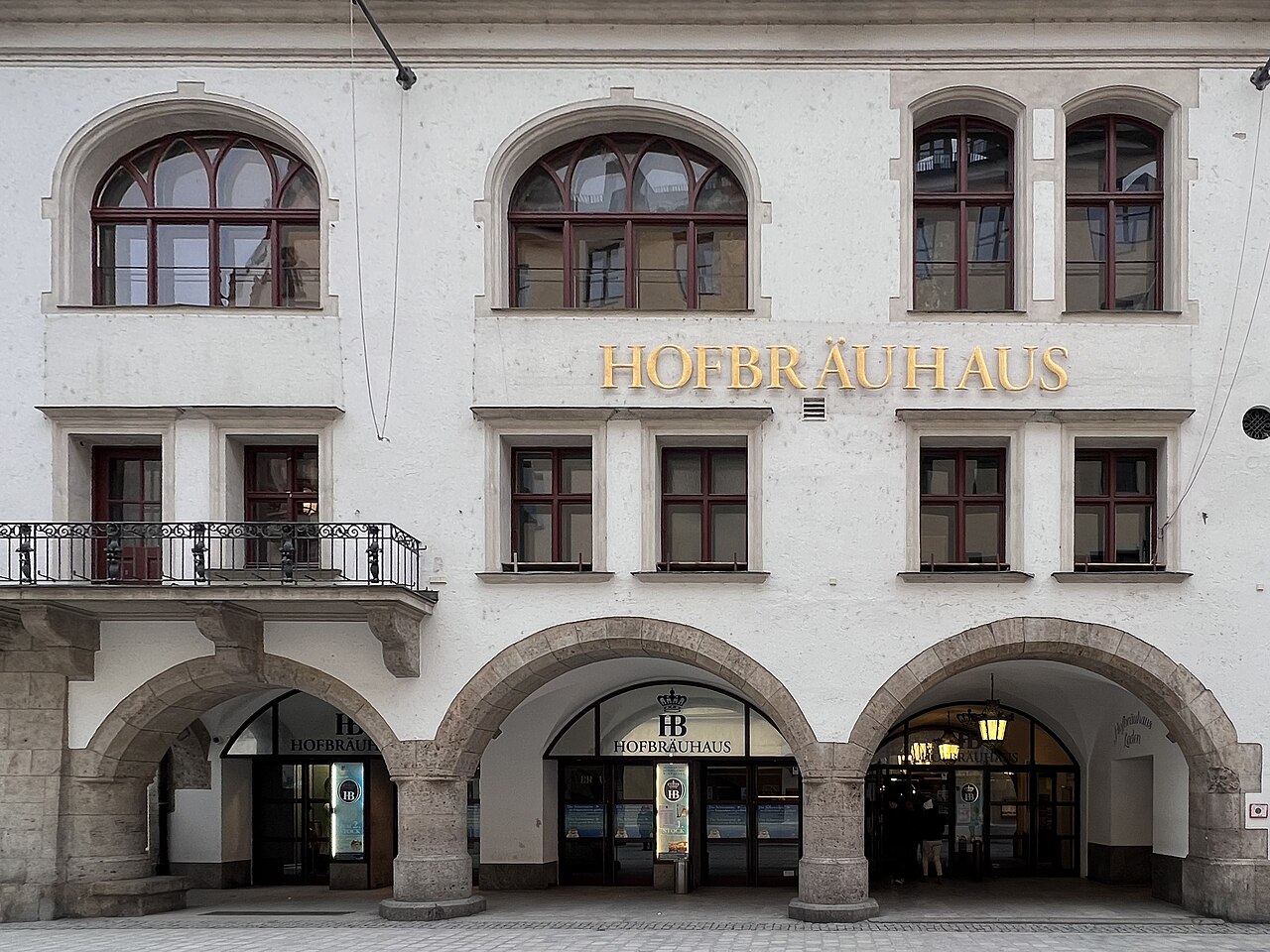
Visitors should verify current opening times directly with the museum before planning their visit. Munich's beer gardens and festival-related attractions experience peak interest during late September and early October when the Oktoberfest occurs, though the museum operates year-round. Winter months may offer quieter visiting conditions. Summer evenings provide pleasant conditions for combining museum visits with nearby beer garden exploration along the Isar River. Advance planning remains advisable during major festival periods. Check the operator's own site for the travel date before relying on a schedule or fare.
Checked 2026-08-26
Visitors should confirm current admission fees directly with the museum. Combination tickets including beer tastings may be available. Group rates and guided tour options should be verified in advance. The museum's historic building constraints may limit capacity, suggesting potential benefits from advance booking during peak periods. Payment methods accepted should be confirmed before visiting. Any special event pricing or festival-period adjustments require direct verification with museum staff. A flexible visit lets travellers connect Beer and Oktoberfest Museum with the rest of the day without treating one room, viewpoint or photograph as the whole experience. The useful pace depends on personal interest and conditions on arrival. Check the operator's own site for the travel date before relying on a schedule or fare.
Checked 2026-08-26
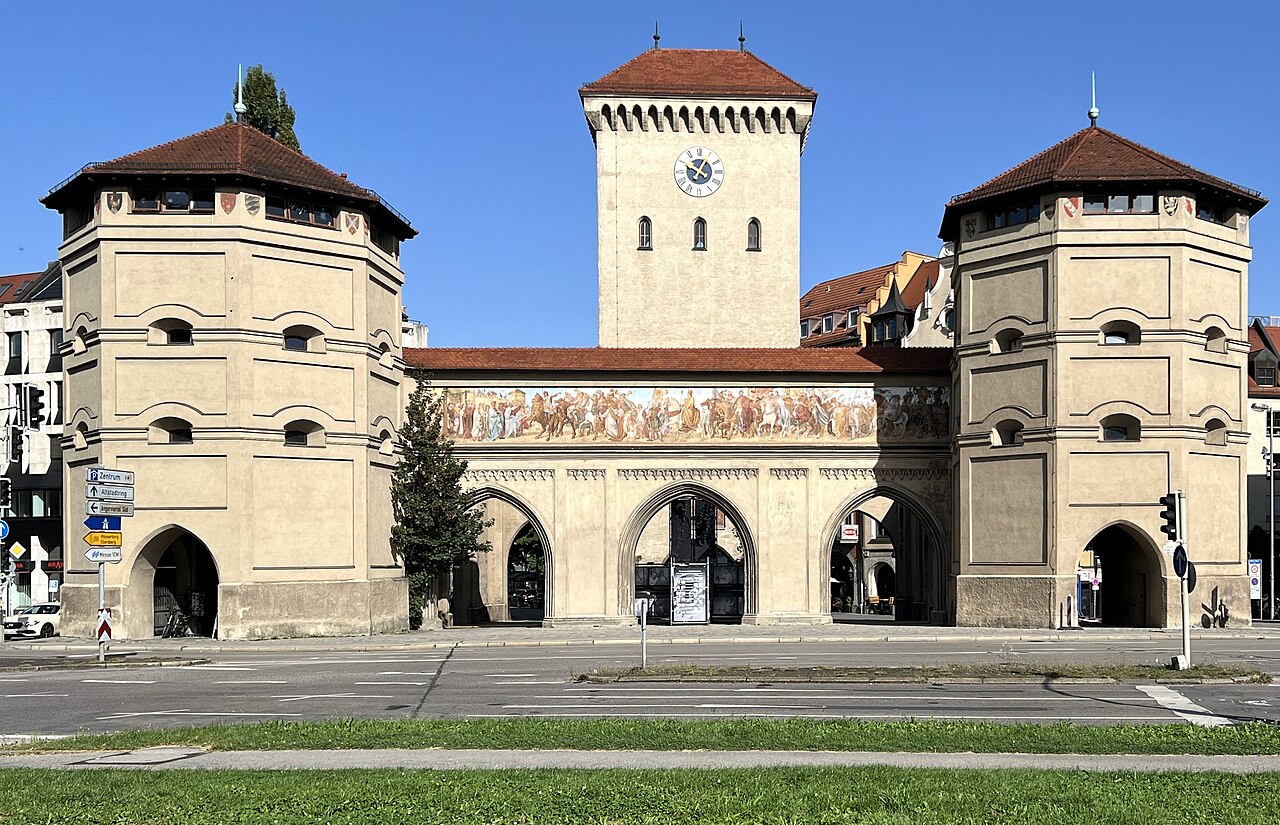
The museum sits in Munich's Haidhausen district, accessible via public transportation. Rosenheimer Platz S-Bahn station provides nearby rail connection. Tram lines serve the surrounding area. The location permits walking access from the city center for those exploring Munich's old town on foot. Cyclists find connections along the Isar River paths. Limited on-street parking exists in this historic district. Visitors arriving during Oktoberfest should anticipate significant transportation congestion throughout the city and plan extended journey times accordingly.
Checked 2026-08-26
The medieval building features steep, narrow staircases between exhibition levels, presenting challenges for visitors with mobility limitations. Low ceilings and confined spaces reflect authentic historical architecture rather than modern museum standards. The tavern area serves alcohol, requiring appropriate visitor conduct and age verification. Historic building conditions may create temperature variations. Visitors should wear suitable footwear for uneven surfaces. The museum's intimate scale means crowding during peak periods. Those sensitive to alcohol environments should note the integrated tasting component.
Checked 2026-08-26
Photography policies within the museum should be verified upon entry, as historic exhibits and commercial tasting areas may have restrictions. The building's atmospheric medieval interior offers distinctive architectural photography opportunities where permitted. Low natural lighting conditions in the historic structure may challenge casual photography without flash, which may be prohibited to protect exhibits. The tavern area likely restricts photography respecting other patrons. Visitors should respect any signage and staff guidance regarding image capture throughout the multi-level exhibition spaces.
Checked 2026-08-26
The museum documents alcohol-related cultural history and includes a tavern with beer service. Parental discretion advised regarding appropriateness for younger visitors.
The museum maintains year-round operations, though visitor volumes increase dramatically during late September and early October. Transportation and accommodation require advance planning during this period.
English-language offerings should be verified directly with the museum. Self-guided materials may supplement any scheduled tours.
The 14th-century structure features narrow staircases between levels, presenting significant accessibility challenges. Visitors requiring level access should contact the museum directly before visiting.
Tasting inclusion depends on ticket type purchased. Visitors should confirm whether standard admission or upgraded options include tavern sampling.
This institution focuses on historical and cultural documentation across multiple breweries and festival history, rather than operational brewing processes at a single production facility.
Loading the interactive map…
The interactive map could not be loaded.
Last updated:
Source: OpenStreetMap contributors, Wikidata ·