.jpg)
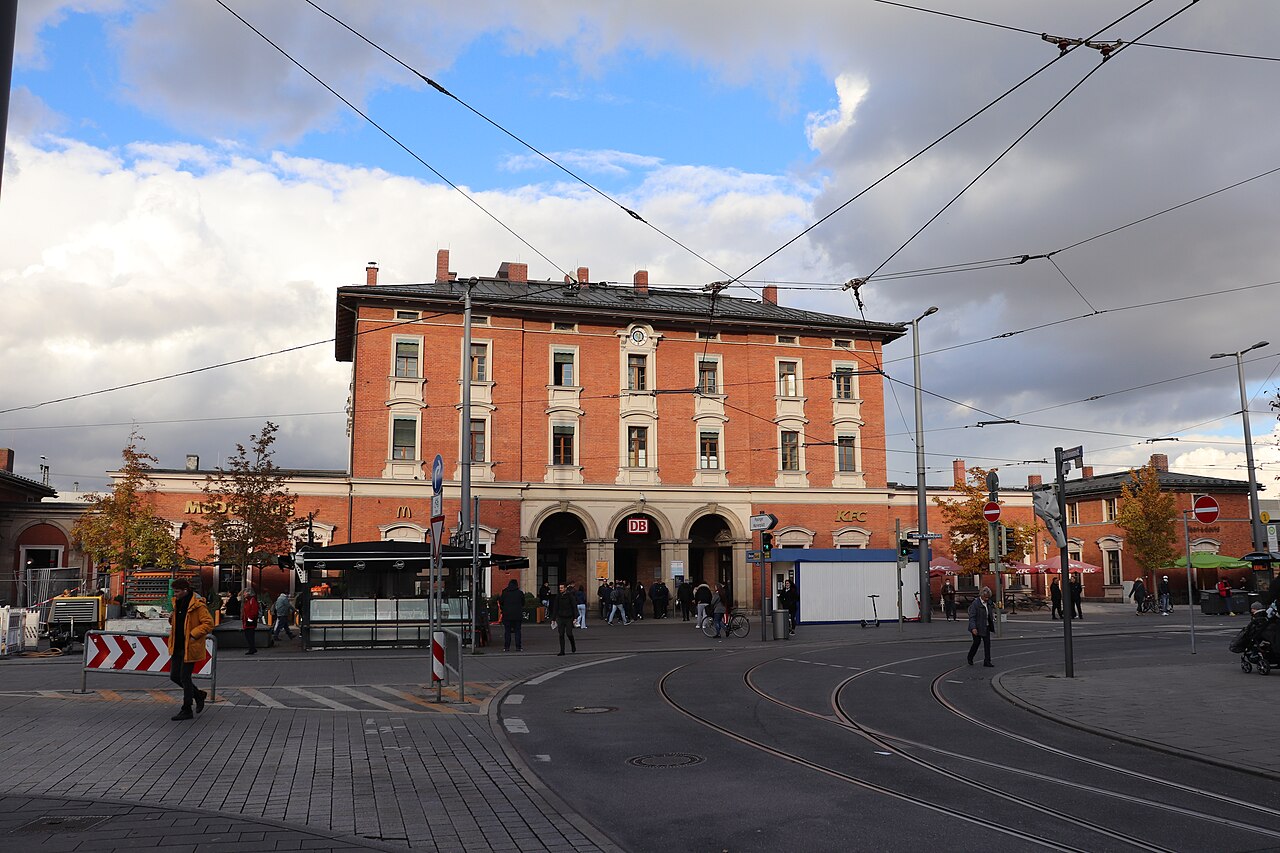
8 min walk
Munich Pasing
- Must see · Heritage site
- Historic monument
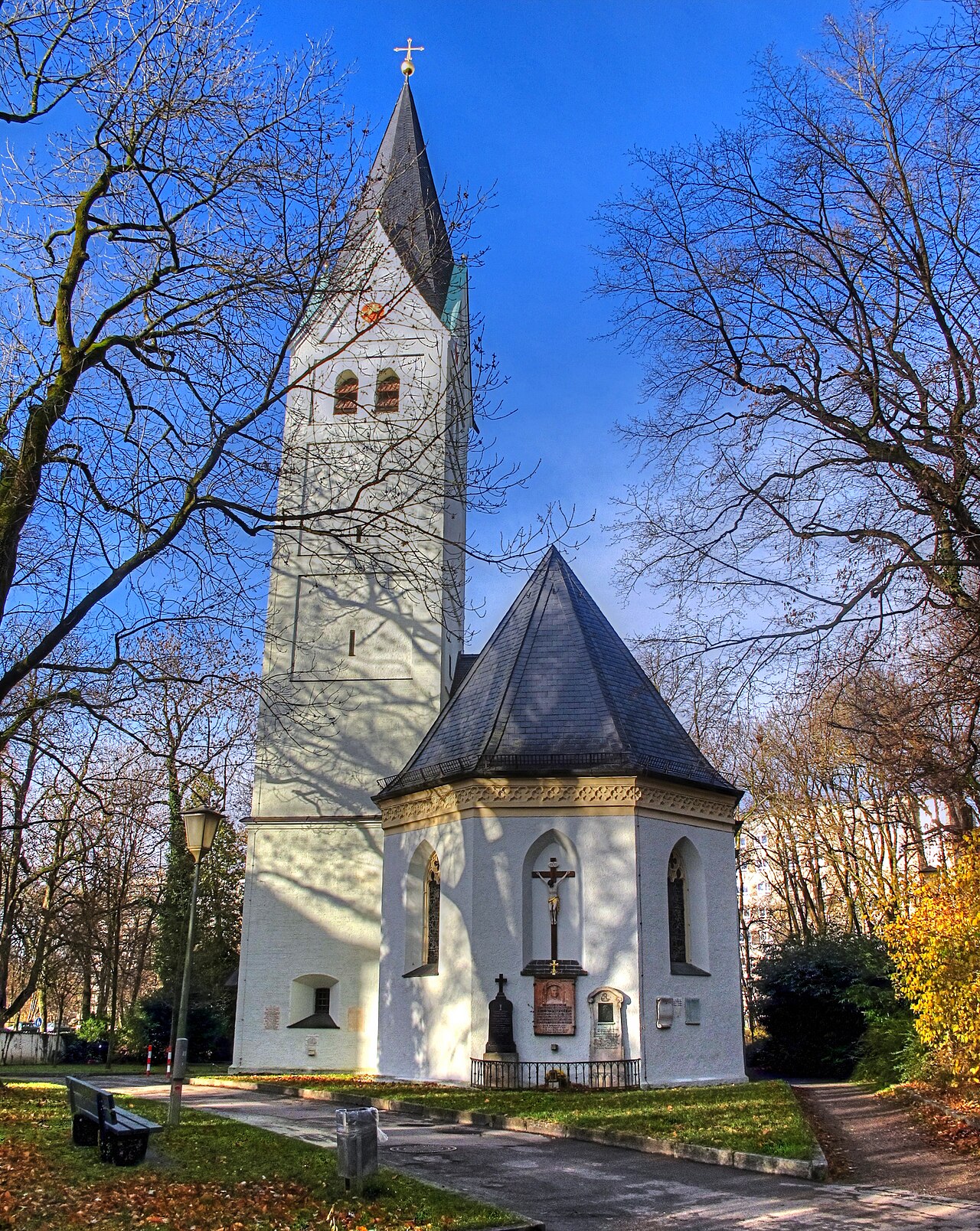
Historic monument · Munich
Mariä Geburt
| Per person | Free entry |
|---|
Checked 2026-08-31 · Source
Read from the OpenStreetMap access tags; anything not listed has no tag recorded.
Set the group type to family in the planner and the day window contracts to about three quarters of a solo day.
The Church of the Nativity of the Virgin Mary, known locally as Mariä Geburt, is a Catholic church in Munich. It is both a place of worship and part of the city’s religious architectural heritage. The dedication places the church within the tradition of Marian devotion, while its continuing parish role gives the building a neighborhood character. Visit it for a quieter encounter with Munich’s sacred spaces, especially if you enjoy seeing how religious architecture remains woven into everyday city life. The Church of the Nativity of the Virgin Mary, locally known as Mariä Geburt, is a Catholic church in Munich. It serves as a place of worship and stands within the city's religious architectural heritage. The church belongs to Munich's broader landscape of ecclesiastical buildings that characterize the urban districts. Its dedication to the Nativity of the Virgin Mary places it within traditional Marian devotion common to Bavarian Catholic culture. The structure contributes to the neighborhood's identity and offers visitors an example of local sacred architecture. It is ranked as a visitor place in Munich's city fact pack, though it functions primarily as an active parish church rather than a major monument.
Checked 2026-08-26 · Source
Inside Mariä Geburt, the principal experience is a Catholic worship space organized around the altar and sanctuary. Religious imagery and devotional furnishings connect the interior with the church’s dedication to the Nativity of the Virgin Mary. The building is better approached as a place of prayer than as a gallery with a numbered collection. Look at the proportions of the nave, the relationship between worship areas and decoration, and the way the interior supports both communal liturgy and private devotion.
Checked 2026-08-26 · Source
Allow roughly fifteen to thirty minutes for a respectful sightseeing visit. That gives enough time to enter quietly, take in the interior, observe the altar area and pause without turning the church into a rushed doorway stop. Visitors who are praying or attending worship may remain longer. Keep the schedule adaptable: a ceremony, quiet devotion or parish activity changes the appropriate length of a tourist visit. The church fits well as a brief architectural pause within a wider Munich route.
Checked 2026-08-26 · Source
Choose a moment that allows quiet observation and gives priority to parish life. A short daytime visit can fit naturally into a Munich walking itinerary, while worship and ceremonies take precedence whenever they are taking place. The indoor setting makes Mariä Geburt suitable in every season, including cold or wet days. Avoid planning the church as a rigid timed attraction; the most satisfying visit is calm, brief and sensitive to the rhythm of an active Catholic parish.
Checked 2026-08-26 · Source
Mariä Geburt is described as an active Catholic church rather than a conventional ticketed attraction. Plan for a self-directed visit focused on the interior, worship space and devotional atmosphere. If a contribution box is present, it belongs to the church’s religious setting. Do not expect museum-style ticketing, exhibition labels or a commercial visitor sequence when adding this parish church to your Munich day.
Checked 2026-08-26 · Source
The church is part of Munich’s urban fabric and can be incorporated into a route using the city’s U-Bahn, S-Bahn, tram and bus network. Walking or cycling may be practical if you are already exploring nearby neighborhoods. Use Mariä Geburt or the OpenStreetMap location to identify the destination and final approach. Treat the journey as part of a local-city walk: the church’s value comes from encountering a neighborhood sacred building rather than from arriving at a large isolated monument.
Checked 2026-08-26 · Source
Mariä Geburt remains an active place of worship. Keep voices low, avoid interrupting Mass, prayer or ceremonies, and follow any signs or instructions inside. Modest clothing is appropriate, and visitors should move carefully through the interior. Do not enter areas reserved for parish or liturgical use. A church visit is successful when it leaves the community’s religious life undisturbed. If the building is being used for worship, shorten the sightseeing portion or return at a quieter moment.
Checked 2026-08-26 · Source
Keep photography discreet and subordinate to prayer. If you take a personal photograph, avoid flash, staged poses and any action that distracts worshippers. During Mass, ceremonies or private devotion, put the camera away. Frame the interior as a sacred space rather than as a backdrop. A few quiet images of the architecture may complement the visit, but observation and respect matter more than collecting photographs. Professional equipment or publication work would change the character of the visit and needs separate permission.
Checked 2026-08-26 · Source
Mariä Geburt is the local name for the Church of the Nativity of the Virgin Mary, a Catholic church in Munich.
Allow roughly fifteen to thirty minutes for quiet observation of the worship space and interior architecture.
You can see a Catholic worship interior organized around the altar and sanctuary, with devotional furnishings and religious imagery associated with Marian dedication.
Worship takes priority. If Mass or another ceremony is underway, remain unobtrusive or choose another time for sightseeing.
Speak quietly, dress modestly, respect prayer and ceremonies, and stay within areas available to visitors.
Mariä Geburt offers a neighborhood parish experience and an active worship setting rather than the monumental scale associated with Munich’s most famous churches.
Loading the interactive map…
The interactive map could not be loaded.

Last updated:
Source: OpenStreetMap contributors, Wikidata ·