
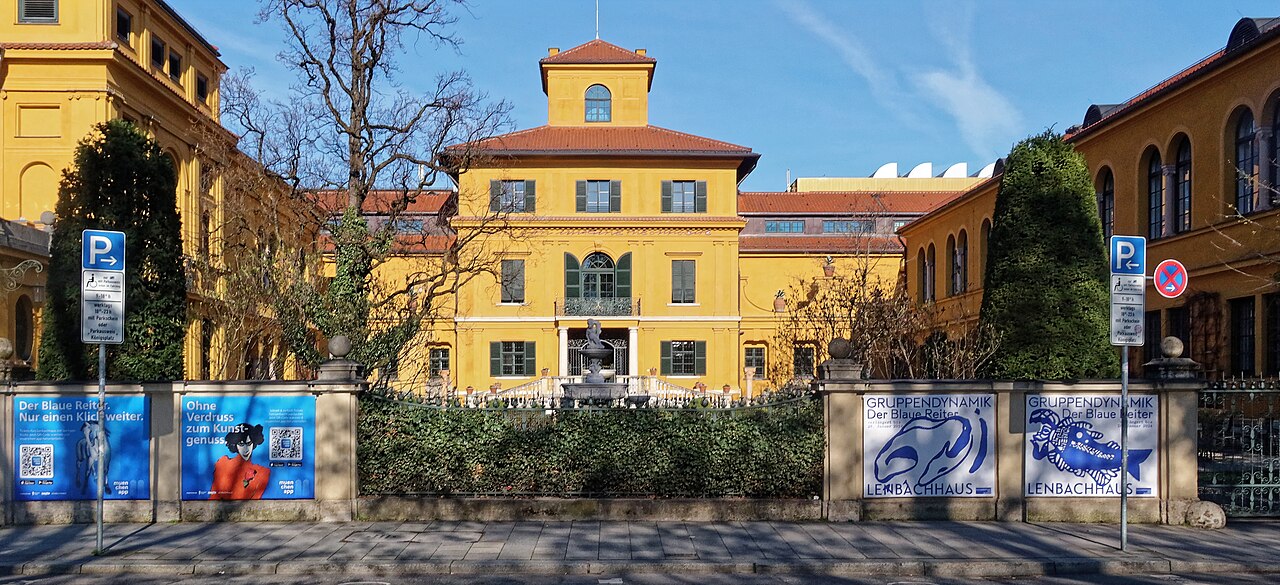
1 min walk
Lenbachhaus
- Must see · Heritage site
- Museum
Language · 11 published
Museum · Munich
Geologisches Museum
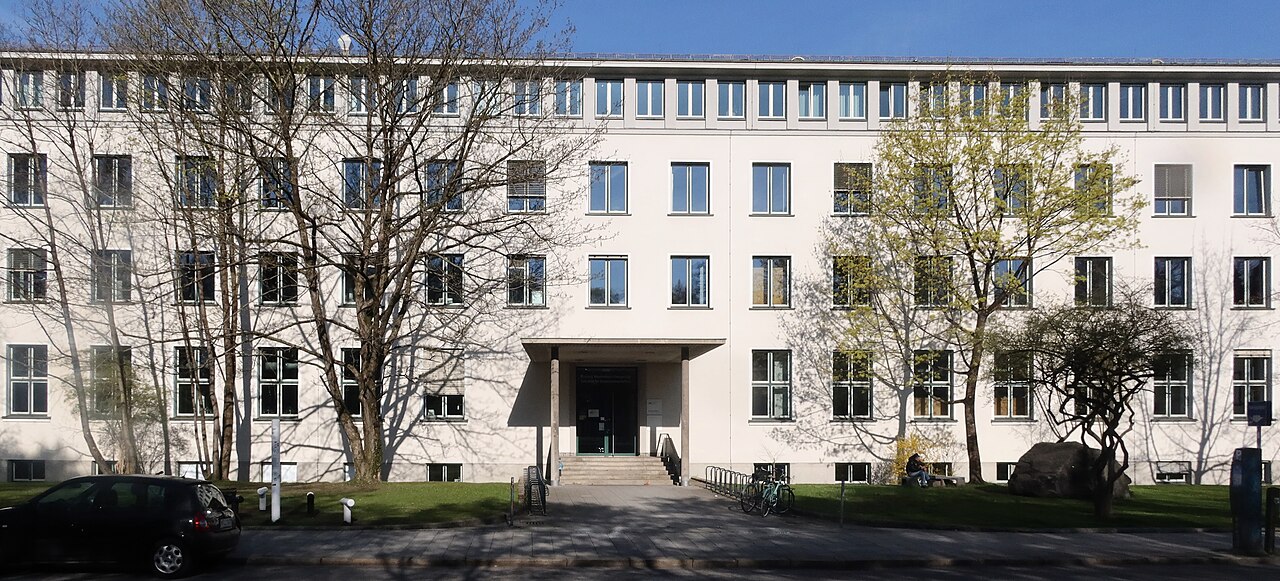
Closed today, Saturday. Next open Sunday at 10:00 — the planner will not place a stop here on a Saturday.
Plan around itReviewed by Elena Voss · Roavina Travel Editor
| Monday | 08:00 – 16:00 |
|---|---|
| Tuesday | 08:00 – 16:00 |
| Wednesday | 08:00 – 16:00 |
| Thursday | 08:00 – 16:00 |
| Friday | 08:00 – 14:00 |
| Saturday | Closed |
| Sunday | 10:00 – 16:00 |
Checked 2026-08-31 · Source
Read from the OpenStreetMap access tags; anything not listed has no tag recorded.
Set the group type to family in the planner and the day window contracts to about three quarters of a solo day.
This place is a Museum.
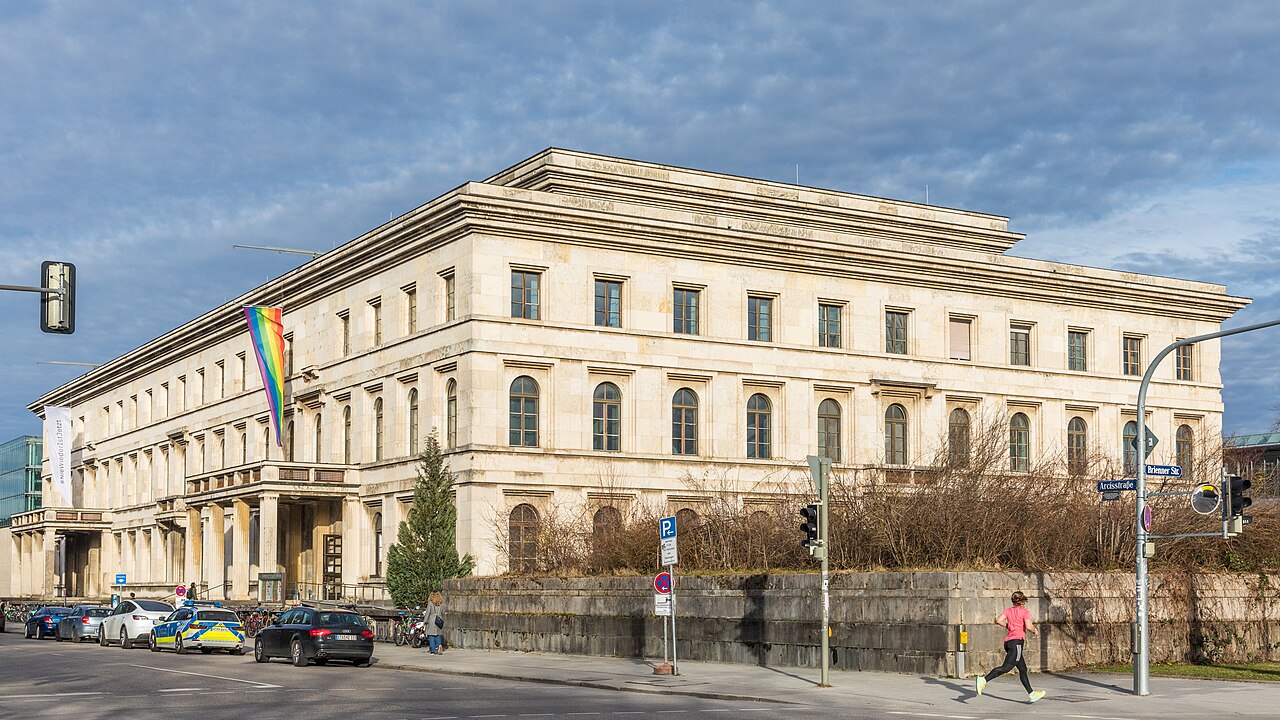
The Geologisches Museum München is a geological museum in Munich devoted to earth sciences and natural history. Its subject matter includes minerals, rocks and fossils, giving visitors a compact way to explore the materials and evidence that reveal how the Earth formed and changed. The museum suits travellers who enjoy scientific collections and close observation. It also provides a useful indoor counterpoint to Munich’s churches, palaces and outdoor historic streets. The Geologisches Museum München is a geological museum located in Munich, Germany. It is dedicated to the study and display of geological specimens, including minerals, rocks, and fossils. The museum serves as an educational institution for visitors interested in earth sciences and natural history. As part of Munich's cultural landscape, it contributes to the city's reputation for scientific and educational attractions. The museum's collections represent significant geological findings and research relevant to the region and beyond. It is a geological museum in Munich displaying minerals, rocks, and fossils for educational purposes.
Checked 2026-08-26 · Source
The collections bring together mineral formations, rock types and fossil specimens. Together, these displays introduce mineralogy, petrology and paleontology through objects that can be examined directly rather than only described in text. Fossils connect the museum with the history of ancient life, while minerals and rocks illustrate the variety of geological materials and processes found in Bavaria and beyond. Take time to compare texture, colour, structure and preservation as you move through the exhibits. The museum houses geological collections featuring minerals, rocks, and fossil specimens. These exhibits demonstrate geological processes and the history of the earth. Visitors can examine various mineral formations, rock types, and preserved remains of ancient organisms.
Checked 2026-08-26 · Source
A general visit takes approximately one to two hours, allowing time to examine mineral, rock and fossil displays at a relaxed pace. Visitors with a strong interest in earth sciences can spend several hours reading labels and comparing specimens. The collection works well for a focused museum stop rather than a quick photograph, since much of its value lies in looking closely at geological forms. Build extra time into a rainy-day cultural route through Munich.
Checked 2026-08-26 · Source
The indoor setting makes the Geologisches Museum München suitable in every season. It is especially useful on cold, wet or very hot days when an outdoor itinerary becomes less comfortable. In warmer months, combine the museum with a walk through Munich after the visit; in winter, it offers a naturally sheltered cultural stop. The timing of your visit is best shaped around the one-to-two-hour museum experience and the other earth-science or city attractions on your route.
Checked 2026-08-26 · Source
The museum is a collection-based educational attraction focused on minerals, rocks and fossils. The supplied guide does not establish a current entrance amount, so the visit should be planned around its scientific value rather than a fixed ticket expectation. Its displays provide an accessible introduction to geological subjects, whether you are travelling for natural history or adding an indoor stop to a broader Munich itinerary. Any museum visit can be paired with time for careful reading and observation.
Checked 2026-08-26 · Source
The Geologisches Museum München is located within Munich’s urban area and belongs naturally in a city itinerary built around public transport, walking or cycling. Munich’s U-Bahn, S-Bahn, tram and bus network connects the city’s cultural districts. Choose a route that leaves enough time for the one-to-two-hour museum visit, then continue to nearby museums or outdoor sights. The museum is best treated as an urban cultural stop rather than a destination requiring a separate day trip.
Checked 2026-08-26 · Source
Geological specimens are presented for close study, so keep behind barriers and handle nothing unless explicitly invited. The exhibits may require patient reading, especially when comparing minerals, rocks and fossils. Children can enjoy the strong visual variety, while adults may want more time for scientific context. The museum’s indoor format makes it a calm alternative to busier outdoor attractions. Move at a measured pace so smaller specimens and explanatory details are not overlooked.
Checked 2026-08-26 · Source
Minerals, rocks and fossils reward close compositions that show colour, texture, crystal structure and fossil detail. Use available light carefully and avoid flash when it could distract other visitors or interfere with the display environment. Keep cameras clear of cases and barriers, and photograph at a pace that leaves room for others to view the specimens. The most effective record of the visit combines individual geological details with wider images that show the collection’s educational character.
Checked 2026-08-26 · Source
The museum displays minerals, rocks and fossils, introducing geological processes, earth history and ancient life.
Allow approximately one to two hours for a general visit, or several hours if you want to study the specimens in depth.
Children interested in natural history can engage with the visible variety of minerals, rocks and fossils in the collections.
The displays introduce mineralogy, petrology and paleontology through minerals, rocks and fossil evidence.
Yes. It is an indoor museum, making it a practical cultural stop during cold, wet or very hot weather in Munich.
Compare the colour, texture and structure of minerals and rocks, then examine fossils for evidence of ancient life and geological change.
Loading the interactive map…
The interactive map could not be loaded.
Last updated:
Source: OpenStreetMap contributors, Wikidata ·