
1 min walk
Palaeontological Museum
- High · Heritage site
- Museum
Language · 11 published
Museum · Munich
Reviewed by Elena Voss · Roavina Travel Editor
| Monday | Closed |
|---|---|
| Tuesday | 10:00 – 18:00 |
| Wednesday | 10:00 – 18:00 |
| Thursday | 10:00 – 20:00 |
| Friday | 10:00 – 18:00 |
| Saturday | 10:00 – 18:00 |
| Sunday | 10:00 – 18:00 |
Checked 2026-08-31 · Source
Read from the OpenStreetMap access tags; anything not listed has no tag recorded.
Set the group type to family in the planner and the day window contracts to about three quarters of a solo day.
This place is a Museum. It opened in 1929. It was designed by Gabriel von Seidl. It carries the architectural heritage monument in Bavaria heritage designation. It is run by Landeshauptstadt München.
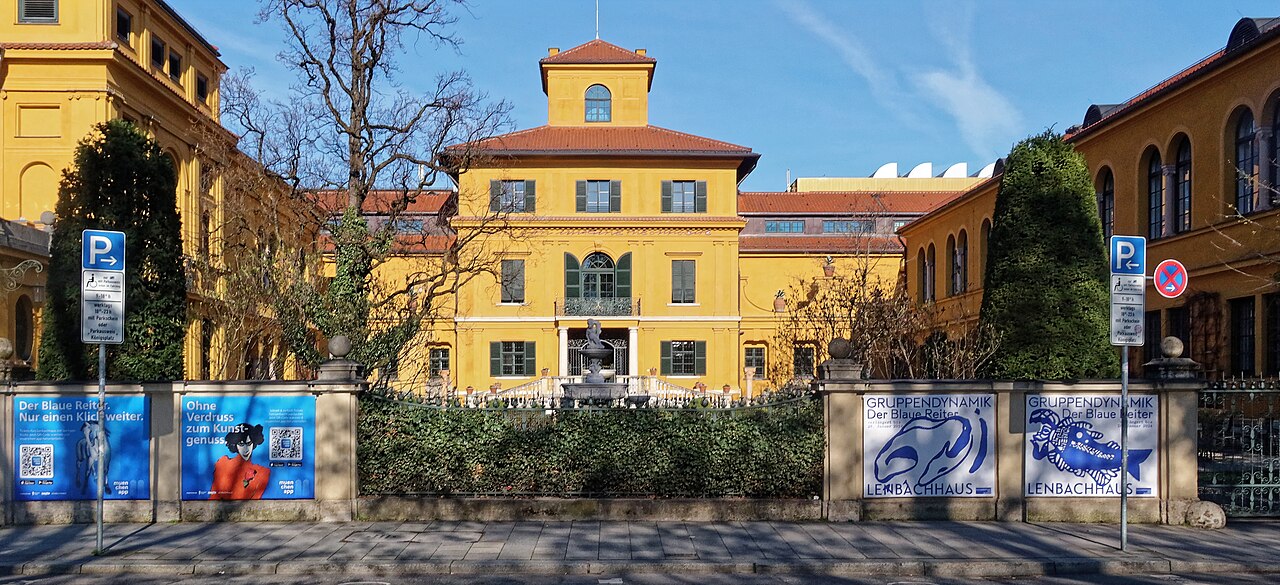
Lenbachhaus is a Munich art museum housed partly in the former Italianate villa of painter Franz von Lenbach. Historic rooms connect with a modern extension whose golden-bronze aluminium facade gives the building a distinctive appearance. The museum is especially important for visitors interested in Munich’s artistic heritage, German modernism, and the city’s connection with the Blaue Reiter movement. It works well as a focused cultural stop in Maxvorstadt, where museums, universities, and broad city streets create a walkable urban setting. Lenbachhaus is an art museum in Munich, Germany. It occupies the former Italianate villa of the painter Franz von Lenbach, which was expanded with modern additions. The building serves as a major venue for art display in the city. Its distinctive golden-bronze aluminum facade on the newer wing makes it visually prominent. The museum holds significance within Munich's cultural landscape and draws visitors interested in artistic heritage. It represents a blend of historic architecture and contemporary museum design.
Checked 2026-08-26 · Source
The collection is best known for its major holdings connected with Der Blaue Reiter, including works by Wassily Kandinsky, Gabriele Münter, Franz Marc, and other artists. Displays also cover Munich Secession, New Objectivity, nineteenth-century art, and works by Franz von Lenbach. You move between paintings, drawings, and supporting material arranged through changing curatorial groupings. Give the modernist galleries particular attention if you want to understand why Lenbachhaus is central to Munich’s cultural identity. The villa rooms provide a contrasting architectural setting. The museum is renowned for its extensive collection of works by Der Blaue Reiter, the early twentieth-century expressionist group including Wassily Kandinsky, Gabriele Münter, Franz Marc, and others.
Checked 2026-08-26 · Source
Allow around two to three hours for a balanced visit through the main collection and the historic and modern parts of the building. Art lovers can spend longer with the Blaue Reiter rooms or any temporary displays. A shorter visit can still work if you concentrate on the best-known modernist works and move through the villa efficiently. The museum fits comfortably into a half-day in Maxvorstadt, especially when paired with nearby museums or a walk toward Königsplatz.
Checked 2026-08-26 · Source
The indoor galleries make Lenbachhaus a useful destination in any season and a dependable choice during unsettled weather. Morning can provide a calmer rhythm for looking closely at the collection, while busy periods may make the most popular Blaue Reiter rooms feel slower. Set aside enough time for the transition between the villa and the newer galleries rather than treating the building as a single compact room. The museum also pairs naturally with an afternoon exploring Maxvorstadt.
Checked 2026-08-26 · Source
Lenbachhaus is a ticketed museum destination, and the practical cost depends on the admission arrangement in force for your visit. Munich’s museum landscape includes passes and reduced categories, so the museum can be considered alongside other cultural stops when planning a day. Treat the visit as a substantial indoor attraction rather than a free architectural viewpoint. If you are building a museum-heavy itinerary, compare the available admission options before choosing which galleries to visit.
Checked 2026-08-26 · Source
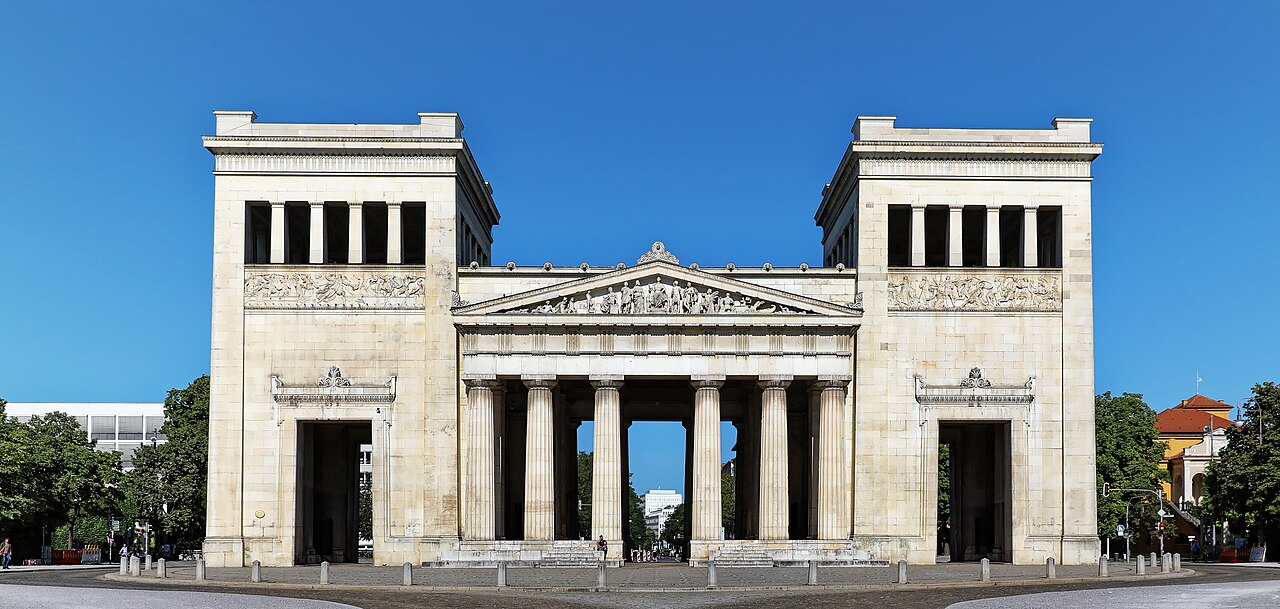
Lenbachhaus stands near Königsplatz in Maxvorstadt, within easy reach of Munich’s central museum quarter. Königsplatz is the useful landmark for approaching the building, and the surrounding streets are well suited to combining several museums on foot. Public transport serves the area through the city’s rail, tram, and bus network. From the historic centre, walking is practical for visitors who want to connect the museum with other central sights rather than making it an isolated journey.
Checked 2026-08-26 · Source
The museum combines a historic villa with contemporary gallery spaces, so the atmosphere and movement through the visit change from room to room. The most celebrated modernist works may draw concentrated attention, particularly when visitor numbers rise. Gallery conditions are kept suitable for artworks and may feel cool compared with the city outside. Move at a deliberate pace, leave room for other visitors, and remember that a museum visit rewards close looking more than rapid coverage.
Checked 2026-08-26 · Source
The golden-bronze exterior is the strongest photographic feature of Lenbachhaus and can be included in a Maxvorstadt walking route. Inside, photography can depend on the gallery or exhibition, so follow the signs that accompany each display and keep equipment unobtrusive. Avoid flash where restrictions apply and give people viewing the artworks clear space. The building’s contrast between the former villa and the modern extension also offers a useful visual theme for photographs taken outside.
Checked 2026-08-26 · Source
Lenbachhaus is best known for its important collection associated with Der Blaue Reiter, including works by Wassily Kandinsky, Gabriele Münter, Franz Marc, and other modernist artists.
The museum occupies Franz von Lenbach’s former Italianate villa together with a modern extension distinguished by its golden-bronze aluminium facade.
Allow roughly two to three hours for the main collection, the Blaue Reiter rooms, and the contrasting villa and modern gallery spaces.
Lenbachhaus is near Königsplatz in Maxvorstadt, Munich’s museum quarter, with the historic centre and several other museums within practical walking distance.
Yes. Its position near Königsplatz makes it easy to combine with other Maxvorstadt museums and a walk through Munich’s central districts.
The visit moves between the historic Italianate villa and a contemporary extension, creating a clear contrast between domestic historic rooms and modern museum design.
Loading the interactive map…
The interactive map could not be loaded.
Last updated:
Source: OpenStreetMap contributors, Wikidata ·