
3 min walk
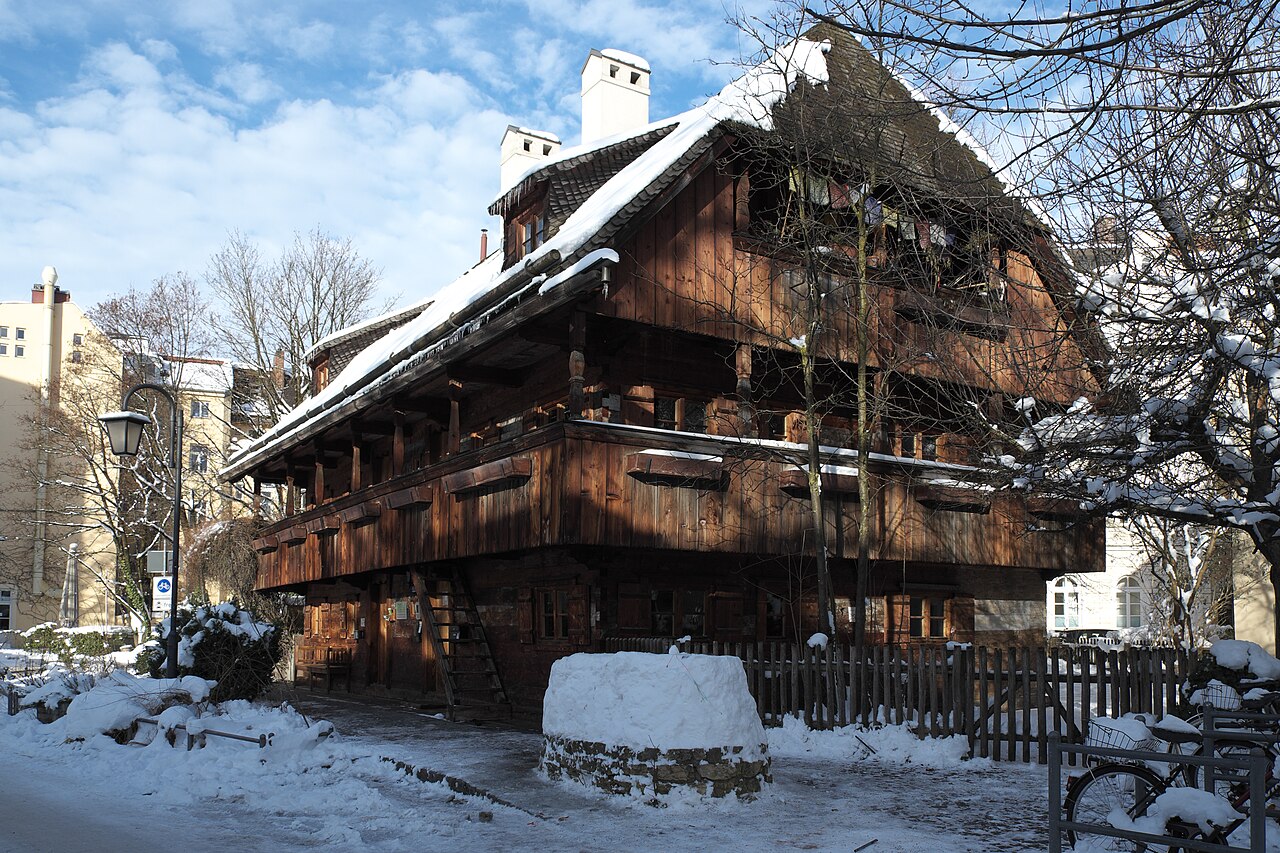
Kriechbaumhof
- High · Heritage site
- Historic monument
Language · 11 published
Museum · Munich
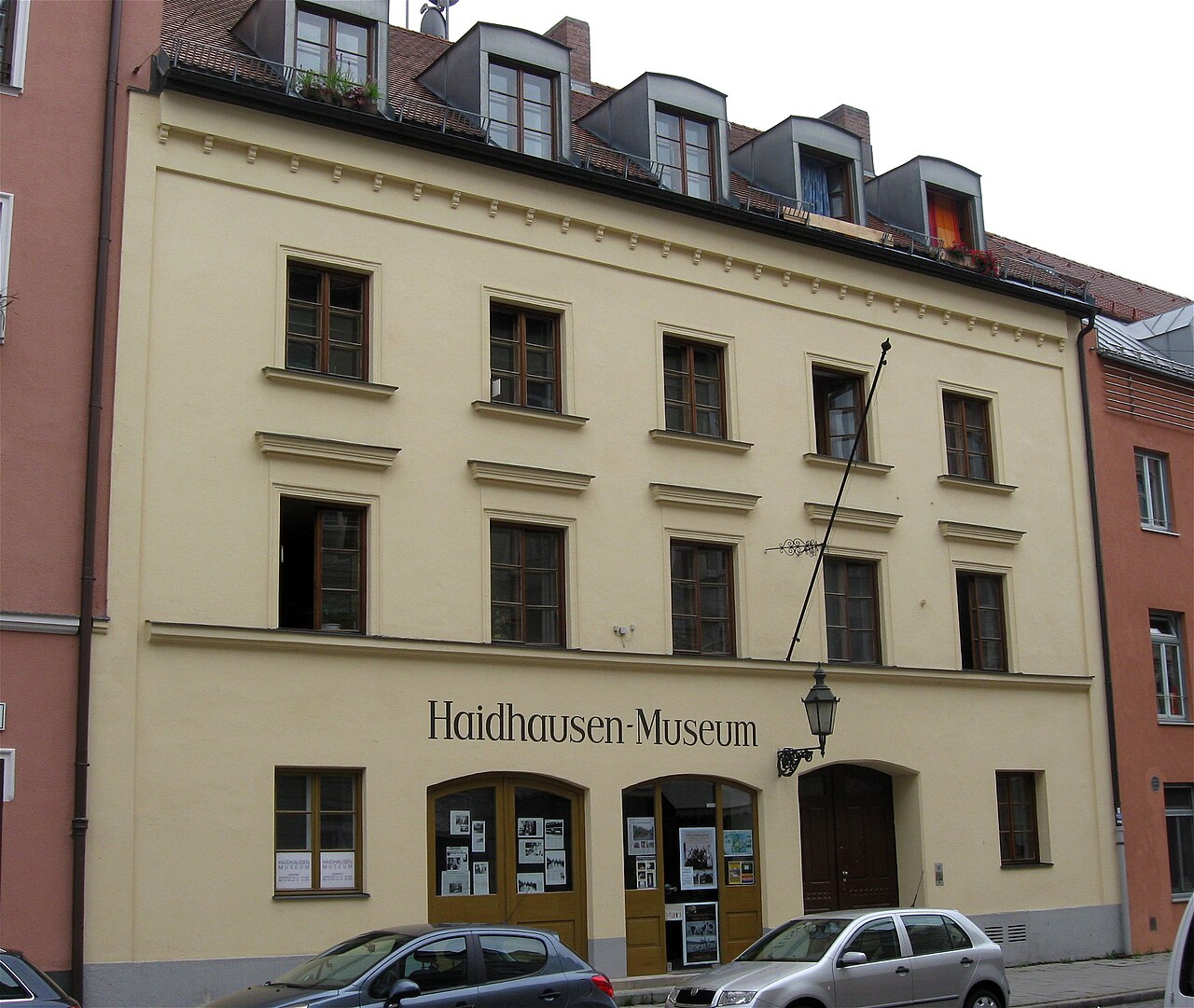
Haidhausen Museum
Closed today, Saturday. The next opening is not recorded — the planner will not place a stop here on a Saturday.
Plan around itReviewed by Elena Voss · Roavina Travel Editor
| Monday | Closed |
|---|---|
| Tuesday | Closed |
| Wednesday | Closed |
| Thursday | Closed |
| Friday | Closed |
| Saturday | Closed |
| Sunday | Closed |
Checked 2026-08-31 · Source
Read from the OpenStreetMap access tags; anything not listed has no tag recorded.
Set the group type to family in the planner and the day window contracts to about three quarters of a solo day.
This place is a Museum. It opened in 1977. It was built in the Neoclassical architecture style. It carries the architectural heritage monument in Bavaria heritage designation.
Haidhausen-Museum introduces Munich’s Haidhausen district through local history. The museum’s focus is the neighbourhood’s social and urban development, making it a useful stop for travellers who want to understand how an area changes over time. Its subject is everyday life rather than grand royal collections or internationally famous masterpieces. The museum is especially valuable when paired with a walk through Haidhausen, where streets, housing and changing urban character give context to the displays. Treat it as a focused district visit within a wider Munich day, not as a substitute for the city’s largest museums. The Haidhausen Museum is a local history museum situated in Munich's Haidhausen district. It occupies a building in this former working-class neighbourhood that underwent significant transformation from industrial quarters to a desirable residential area.
Checked 2026-08-26 · Source
Inside, the displays explain Haidhausen’s historical character and transformation. Photographs, documents and artefacts help connect the district’s past with the homes, streets and workplaces that shaped local life. Themes include industry, housing conditions, social structures and architectural change. The emphasis is documentary and community-based, so visitors should look for small details about ordinary residents and neighbourhood development rather than a large collection of decorative art. The museum works best for travellers who enjoy reading, comparing old images with present-day surroundings and building a more grounded picture of Munich beyond its central landmarks.
Checked 2026-08-26 · Source
Allow about forty-five to ninety minutes for the museum. A shorter visit suits travellers who want an introduction before exploring Haidhausen on foot, while a longer stay gives more time for photographs, documents and detailed social-history material. The museum’s compact local focus makes it easy to combine with nearby streets, cafés and other district sights. Build the visit around your interest in urban history: readers who enjoy archival material may want the full ninety minutes, while a quick overview can fit comfortably into a broader afternoon route.
Checked 2026-08-26 · Source
This is an indoor stop that can anchor a Haidhausen visit in any season. It pairs naturally with a neighbourhood walk when the weather is comfortable, because the surrounding streets add a visible present-day layer to the museum’s historical themes. Set aside enough time for the displays rather than treating the museum as a brief photo stop. Since small local institutions can have limited visiting windows, place it early in your district route and leave room for the rest of Haidhausen afterwards.
Checked 2026-08-26 · Source
Plan this as a modest local-history museum visit rather than a major ticketed attraction. The museum’s community focus makes the displays approachable for travellers interested in Haidhausen’s people and buildings. Keep the visit flexible within your day, especially if you are combining it with independent exploration of the district. The most important value comes from the interpretation and the connection with the surrounding neighbourhood, so the museum can still be worthwhile for visitors who are primarily seeking historical context rather than a large-scale collection.
Checked 2026-08-26 · Source
Haidhausen lies east of Munich’s historic centre and is connected to the city’s public-transport network. Rosenheimer Platz, Ostbahnhof and Max-Weber-Platz serve different parts of the district, while tram routes cross the neighbourhood. Walking from central Munich is practical for travellers who want to see the city change between the centre and Haidhausen. A bicycle can also suit the district. Use the museum’s mapped position to choose the closest approach, then continue on foot through nearby streets to connect the visit with the wider character of Haidhausen.
Checked 2026-08-26 · Source
Expect a local-history setting rather than the scale, signage and international orientation of Munich’s major museums. Much of the interpretation may require careful reading, and the subject rewards attention to names, images and changes in the built environment. Keep the surrounding walk in your plan, because the museum’s meaning becomes stronger when you see Haidhausen beyond the exhibition rooms. Move respectfully through the displays and give other visitors space. The visit is best suited to travellers who enjoy a quieter, neighbourhood-based cultural experience.
Checked 2026-08-26 · Source
Use the museum as a place for looking closely at local documents, historic images and material connected with Haidhausen. Inside, follow any notices governing photography and avoid using flash around sensitive displays. Keep cameras and phones from blocking narrow viewing areas or distracting other visitors. Outside, the building and surrounding streets can provide a useful visual comparison with the neighbourhood’s past. Photograph the public streets thoughtfully, especially where residential entrances and private spaces are close to the route.
Checked 2026-08-26 · Source
It focuses on Haidhausen’s social and urban development, including local everyday life, housing, industry and neighbourhood change.
The displays include historical photographs, documents and artefacts connected with Haidhausen’s people, buildings and changing social character.
Plan approximately forty-five to ninety minutes, depending on how closely you read the documentary displays.
It is in Haidhausen, east of Munich’s historic centre, an area served by routes near Rosenheimer Platz, Ostbahnhof and Max-Weber-Platz.
Combine it with a walk through Haidhausen so the museum’s history can be compared with the district’s present-day streets and buildings.
It suits travellers interested in local history, urban change, architecture and the everyday life of Munich neighbourhoods.
Loading the interactive map…
The interactive map could not be loaded.
Last updated:
Source: OpenStreetMap contributors, Wikidata ·