.JPG)
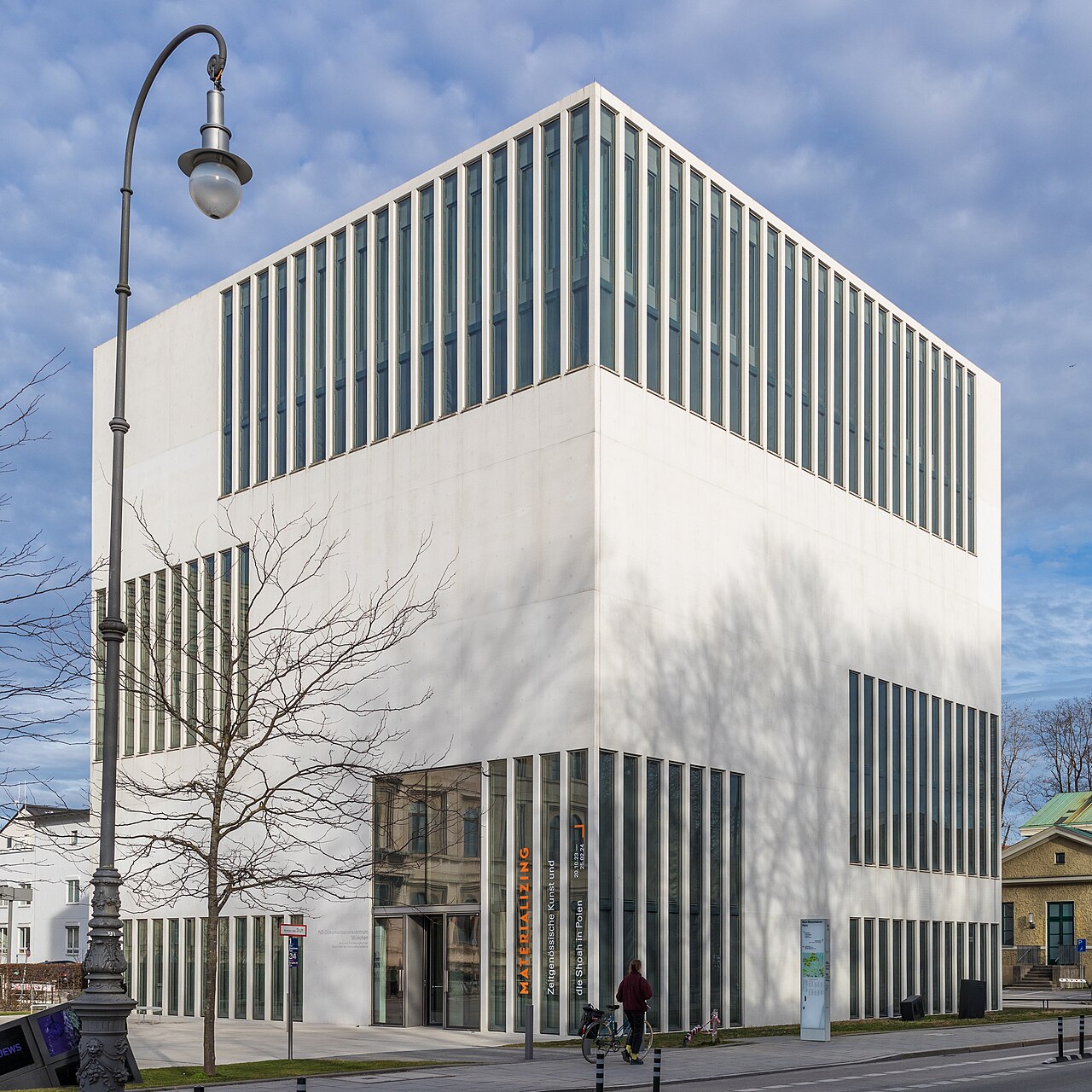
2 min walk
NS-Dokumentationszentrum
- High
- Museum
Language · 11 published
Museum · Munich
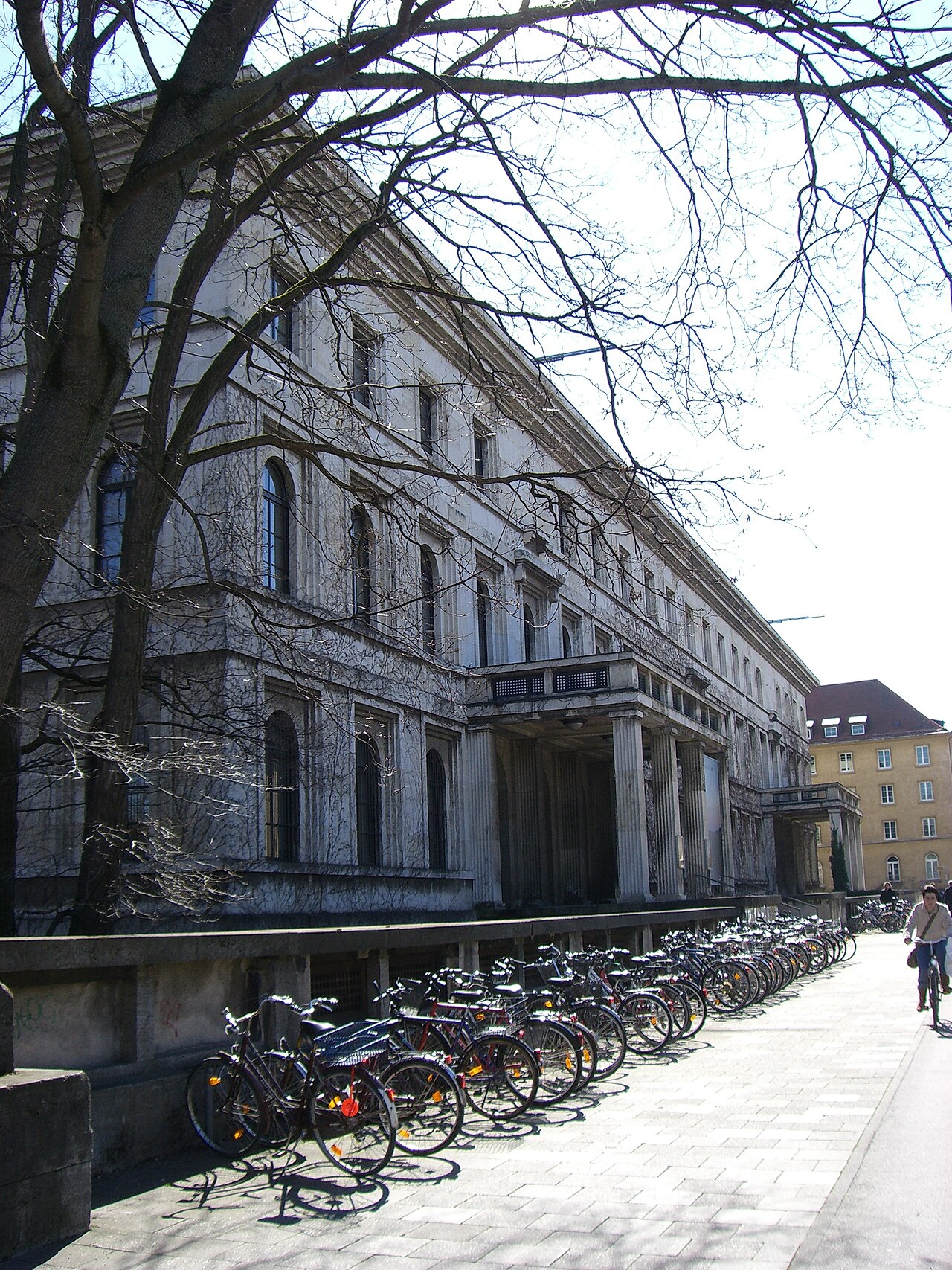
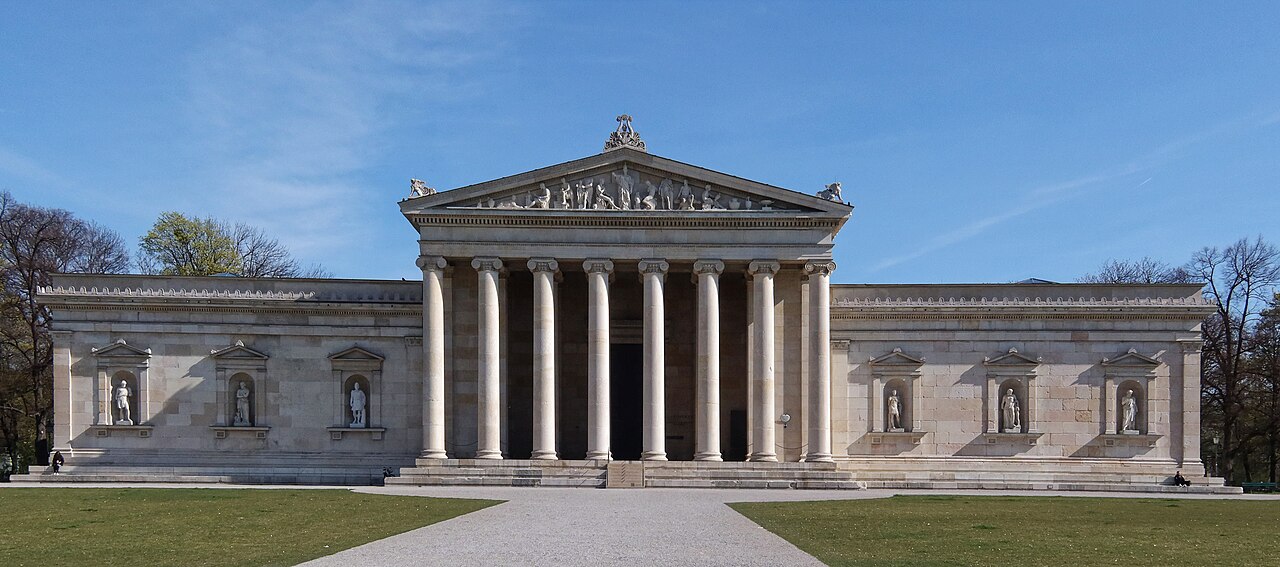
Museum für Abgüsse klassischer Bildwerke
Closed today, Sunday. Next open Monday at 10:00 — the planner will not place a stop here on a Sunday.
Plan around itReviewed by Elena Voss · Roavina Travel Editor
| Monday | 10:00 – 20:00 |
|---|---|
| Tuesday | 10:00 – 20:00 |
| Wednesday | 10:00 – 20:00 |
| Thursday | 10:00 – 20:00 |
| Friday | 10:00 – 20:00 |
| Saturday | Closed |
| Sunday | Closed |
Checked 2026-08-31 · Source
Read from the OpenStreetMap access tags; anything not listed has no tag recorded.
Set the group type to family in the planner and the day window contracts to about three quarters of a solo day.
This place is a Museum. It was established in 1869.
Museum für Abgüsse Klassischer Bildwerke is a Munich museum devoted to plaster casts of classical sculpture. It brings reproductions of ancient Greek and Roman works together in one place, giving visitors a chance to study forms that are otherwise dispersed among collections around the world. The museum is especially valuable for travelers interested in art history, archaeology, and the way sculpture is taught and compared. Its academic atmosphere makes it a distinctive stop in Munich’s university district. The Museum für Abgüsse Klassischer Bildwerke is a Munich museum dedicated to plaster casts of classical sculptures. It houses reproductions of ancient Greek and Roman masterpieces, allowing visitors to study iconic works without travelling to multiple countries. The collection serves educational and artistic purposes, preserving the tradition of cast-making that flourished in the 19th century. Located in the university district, it reflects Munich's longstanding commitment to classical studies and accessible art education for students and the general public alike. The academic focus and specialized subject matter may engage older children with prior interest in ancient history or art. Younger children might find the quiet atmosphere and lack of interactive elements less stimulating than other Munich attractions.
Checked 2026-08-26 · Source
The galleries contain plaster casts of celebrated classical sculptures, including statues, reliefs, portrait busts, and architectural fragments. The subjects range from mythological figures to portraits of emperors and philosophers, allowing visitors to compare styles and themes across ancient Greece and Rome. Because the casts reproduce works held in different museums, the collection creates a concentrated study setting. Look closely at pose, drapery, proportion, and surface detail; these features are central to appreciating what the museum makes accessible. The museum displays plaster casts of celebrated classical sculptures from antiquity. Visitors encounter reproductions of famous statues, reliefs, and architectural fragments originally created in ancient Greece and Rome.
Checked 2026-08-26 · Source
Most visitors can allow one to two hours. That is enough for a focused walk through the galleries and for comparing several casts without turning the visit into a full academic study. Art historians, students, and travelers with a strong interest in antiquity may spend longer examining individual works and stylistic relationships. The museum’s manageable scale also makes it practical to combine with other cultural attractions in Maxvorstadt. Read the labels and give the three-dimensional forms time to register.
Checked 2026-08-26 · Source
Choose this museum when you want a concentrated art-historical visit in Munich’s university quarter. Weekday mornings can suit travelers who prefer a contemplative atmosphere, while the museum’s indoor galleries remain useful in cold or rainy weather. It fits naturally into a Maxvorstadt museum route, especially for visitors already exploring collections of classical or European art. Allow enough time to compare casts rather than treating the stop as a quick glance at a single famous sculpture.
Checked 2026-08-26 · Source
The museum’s main experience is the study of plaster casts representing ancient Greek and Roman sculpture. Travelers planning a cultural afternoon can combine the museum with other Maxvorstadt institutions and use the visit to compare reproductions with original works seen elsewhere in Munich. Its educational purpose makes it a strong choice for visitors who value context, form, and close looking over spectacle.
Checked 2026-08-26 · Source
The museum is in Munich’s Maxvorstadt district, near Ludwig-Maximilians-Universität and the city’s university-area museums. U-Bahn and tram services connect the district with the rest of Munich, while the central location also supports walking between cultural sites. Cycling can suit travelers moving through the neighborhood. Public transport is practical in this dense area, and the museum is easiest to understand as part of a pedestrian museum route that links several nearby attractions.
Checked 2026-08-26 · Source
The museum displays reproductions, not the original marble and bronze works. That distinction is central to the experience: the casts provide visual access and support comparison, while the originals remain elsewhere. The atmosphere is academic and contemplative, with the collection rewarding attention to shape, pose, and detail rather than interactive entertainment. Do not touch the plaster surfaces. Approach the museum as a place for studying classical sculpture and its transmission, not as a conventional treasure museum.
Checked 2026-08-26 · Source
The pale plaster surfaces create strong visual contrasts and make details of pose, drapery, and anatomy easy to study through photographs. Move slowly enough to leave sightlines clear for other visitors, and avoid touching casts or display structures. A useful photographic approach is to capture details that support later comparison between figures, reliefs, and architectural fragments. The museum’s real reward is three-dimensional looking, so photographs work best as reminders of the forms you examined in person.
Checked 2026-08-26 · Source
It displays plaster casts of classical sculptures, including statues, reliefs, portrait busts, and architectural fragments from ancient Greek and Roman art.
No. The museum displays plaster reproductions of original classical sculptures held in collections around the world.
A focused visit generally takes one to two hours, while art-history students and specialists may spend longer studying individual casts.
The collection presents classical sculpture from ancient Greece and Rome, including mythological, portrait, relief, and architectural subjects.
Its casts allow visitors to compare reproductions of dispersed Greek and Roman works in one place, with an emphasis on study and teaching.
It is in Munich’s Maxvorstadt district, near Ludwig-Maximilians-Universität and the university-area museums.
Loading the interactive map…
The interactive map could not be loaded.

Last updated:
Source: OpenStreetMap contributors, Wikidata ·