
1 min walk
Staatliche Münzsammlung München
- Notable
- Museum
Language · 11 published
Museum · Munich
Residenzmuseum und Schatzkammer
Reviewed by Elena Voss · Roavina Travel Editor
| Monday | 09:00 – 18:00 |
|---|---|
| Tuesday | 09:00 – 18:00 |
| Wednesday | 09:00 – 18:00 |
| Thursday | 09:00 – 18:00 |
| Friday | 09:00 – 18:00 |
| Saturday | 09:00 – 18:00 |
| Sunday | 09:00 – 18:00 |
Also recorded: 10:00 – 17:00
Checked 2026-08-31 · Source
Read from the OpenStreetMap access tags; anything not listed has no tag recorded.
Set the group type to family in the planner and the day window contracts to about three quarters of a solo day.
This place is a Museum. It was established in 1920.
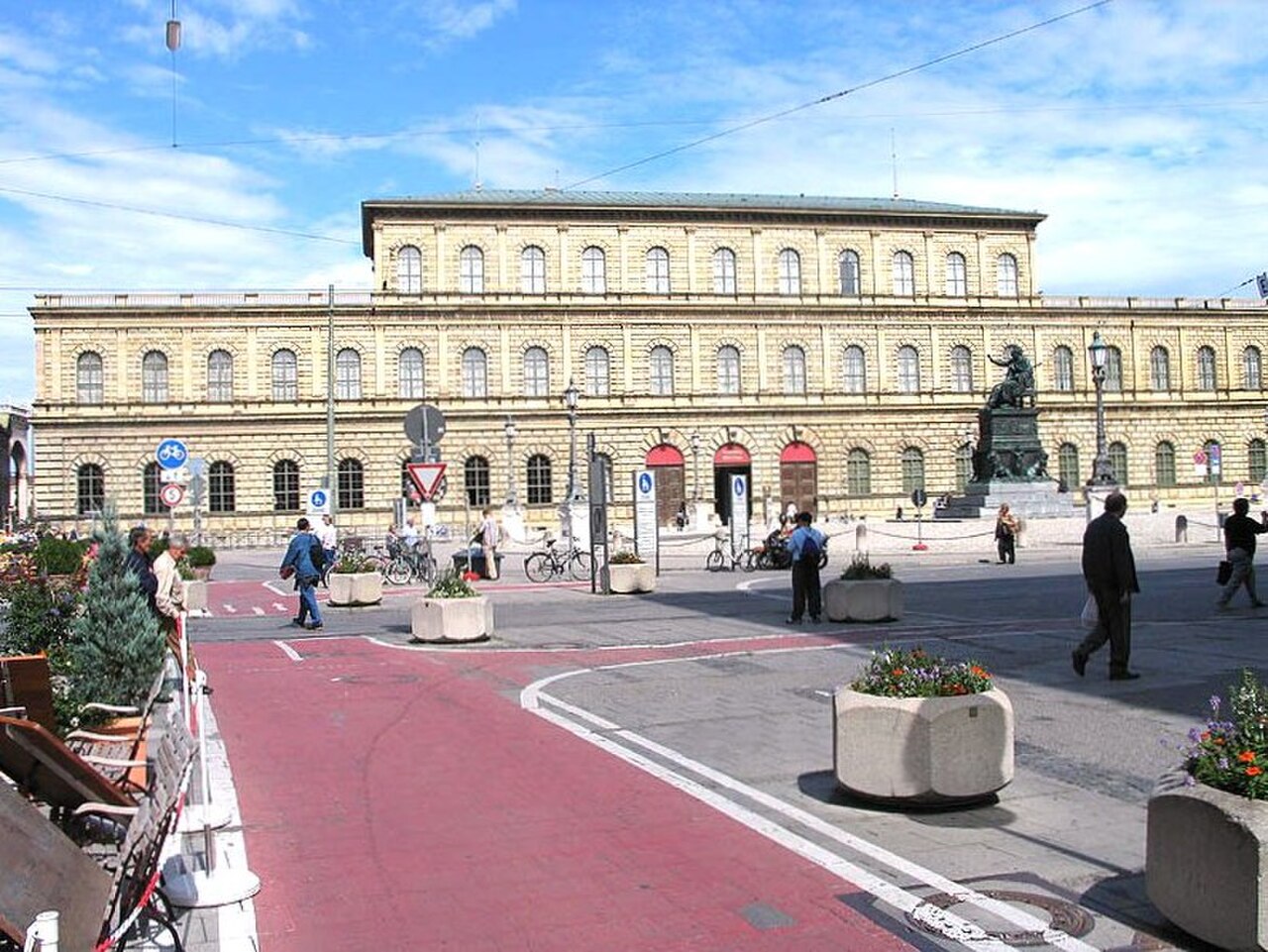
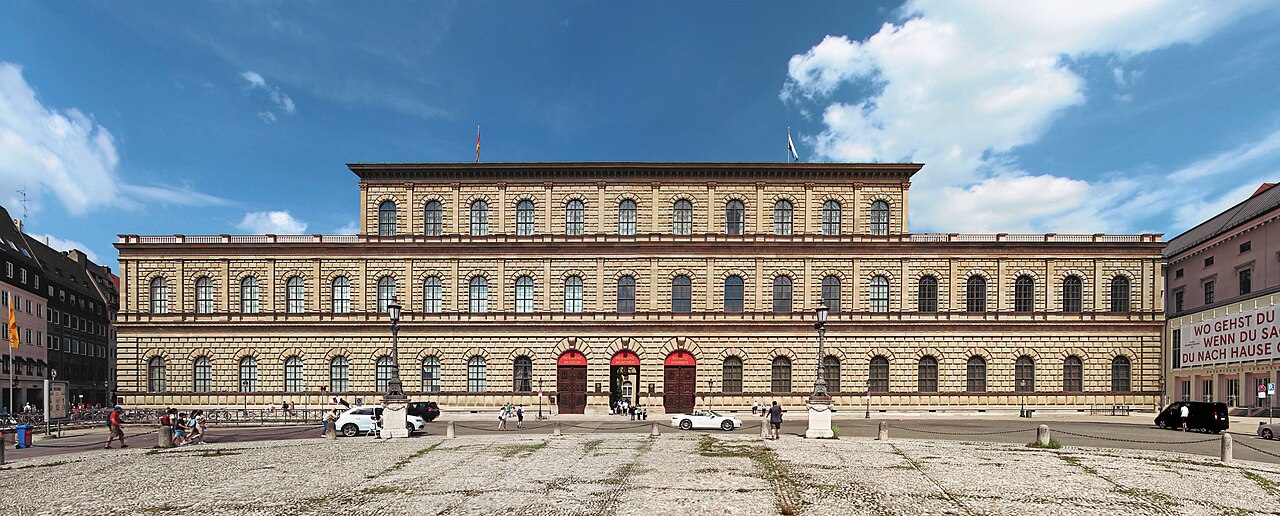
The Residence Museum and Treasury is a palace museum complex in central Munich. It occupies part of the former royal palace of the Wittelsbach dynasty, who ruled Bavaria for centuries. The building served as the primary urban residence of Bavarian dukes, electors, and kings from the late fourteenth century until the monarchy ended in 1918. Today it functions as a public museum under state administration, preserving and displaying the palace interiors and accumulated collections of the former ruling family.
Checked 2026-08-26
The museum presents historical state apartments, ceremonial halls, and private chambers spanning multiple architectural periods from Renaissance through Neoclassical. The Treasury contains goldsmith work, jewelry, insignia of rank, and devotional objects collected by the Wittelsbachs. Notable spaces include the Antiquarium, the oldest surviving Renaissance hall north of the Alps. The collections encompass decorative arts, furniture, tapestries, and porcelain accumulated across centuries of princely collecting. The complex connects to the Cuvilliés Theatre, a separate but related historic performance venue. Residence Museum also earns time in a munich itinerary because A ranked visitor place retained from the city fact pack and matched exactly to the production city pool. Its value becomes clearer when the stop is compared with the surrounding streets and the other ranked places nearby.
Checked 2026-08-26
Visitors typically allocate between ninety minutes and half a day depending on depth of interest. The full circuit through state apartments and treasury demands substantial walking on staircases and polished floors. Those with limited mobility or time may prioritize the treasury and select apartment highlights. Audio guides and printed materials assist self-directed pacing. Large crowds during peak tourism periods extend actual visit duration. Repeat visits reward those studying decorative arts or Bavarian history in detail. Combination with nearby palace sites requires additional scheduling.
Checked 2026-08-26
Seasonal demand patterns follow general Munich tourism trends, with elevated visitation during summer months, Oktoberfest, and December Christmas markets. Morning arrival typically offers reduced congestion compared to midday. Weather matters little given fully indoor experience, though adjacent Hofgarten provides outdoor extension. School holiday periods increase family attendance. Visitors should verify current opening schedules through official channels before travel planning, as museum operations may adjust for restoration work, state occasions, or unanticipated circumstances without wide publicity. Check the operator's own site for the travel date before relying on a schedule or fare.
Checked 2026-08-26
The museum participates in combination ticketing with related Bavarian palace properties, potentially offering value for visitors touring multiple sites. Separate admission structures may apply for the Treasury, Cuvilliés Theatre, and main apartment circuit. Group rates, educational discounts, and annual pass options exist within the state palace administration system. Visitors should consult official museum websites or contact visitor services directly for current fee structures, reservation requirements, and any mandatory timed-entry protocols that may be in effect during their intended visit period. Check the operator's own site for the travel date before relying on a schedule or fare.
Checked 2026-08-26
The complex sits at the edge of Munich's historic center near Odeonsplatz and Max-Joseph-Platz. Underground rail stations at Odeonsplatz and Marienplatz provide nearest public transport access. Multiple tram and bus lines serve the surrounding district. The central location permits walking approach from principal Old Town accommodations and attractions. Limited vehicle access characterizes the immediate historic core; parking structures exist at greater distance. Bicycle infrastructure serves the area. Signage directs pedestrians from major squares. The Hofgarten entrance and Max-Joseph-Platz entrance offer alternative access points to different museum sections.
Checked 2026-08-26
Flooring surfaces vary between historic materials and modern protections, creating potential slip hazards. Low lighting in treasury areas challenges visibility. Bag size restrictions may apply for security. The sprawling layout risks disorientation without adequate attention to directional signage. Crowded conditions in narrow historic corridors impede movement and escape routes during emergencies. Valuable objects sit without barriers in some rooms, demanding visitor self-discipline. Photography regulations vary by space. Restoration closures affect rotating sections. Climate control prioritizes artifact preservation over human comfort. Seating is limited throughout the circuit.
Checked 2026-08-26
Photography policies differ between the state apartments and treasury sections, with the latter typically imposing stricter limitations. Flash photography is generally prohibited throughout due to conservation concerns for light-sensitive materials including textiles, watercolors, and organic artifacts. Tripods and selfie sticks are normally banned for visitor flow and object protection reasons. Commercial or publication-quality photography requires advance arrangement and licensing. Visitors should observe posted notices and staff instructions in each room rather than assuming uniform rules. Mobile telephone photography may be tolerated where dedicated cameras face restriction.
Checked 2026-08-26
Historic palace architecture presents inherent accessibility challenges including staircases, threshold changes, and narrow corridors. Visitors with mobility limitations should contact the museum directly regarding current accessibility provisions, alternative routes, and available assistance services.
Walk-up purchase may be possible but is not guaranteed during high-demand periods. Visitors should verify current ticketing procedures, including any mandatory reservations or timed entry requirements, through official museum channels before visiting.
The museum offers audio guide materials and may provide scheduled guided tours. Specific language availability, schedules, and supplementary fees should be confirmed directly with the museum as offerings vary seasonally and according to staffing.
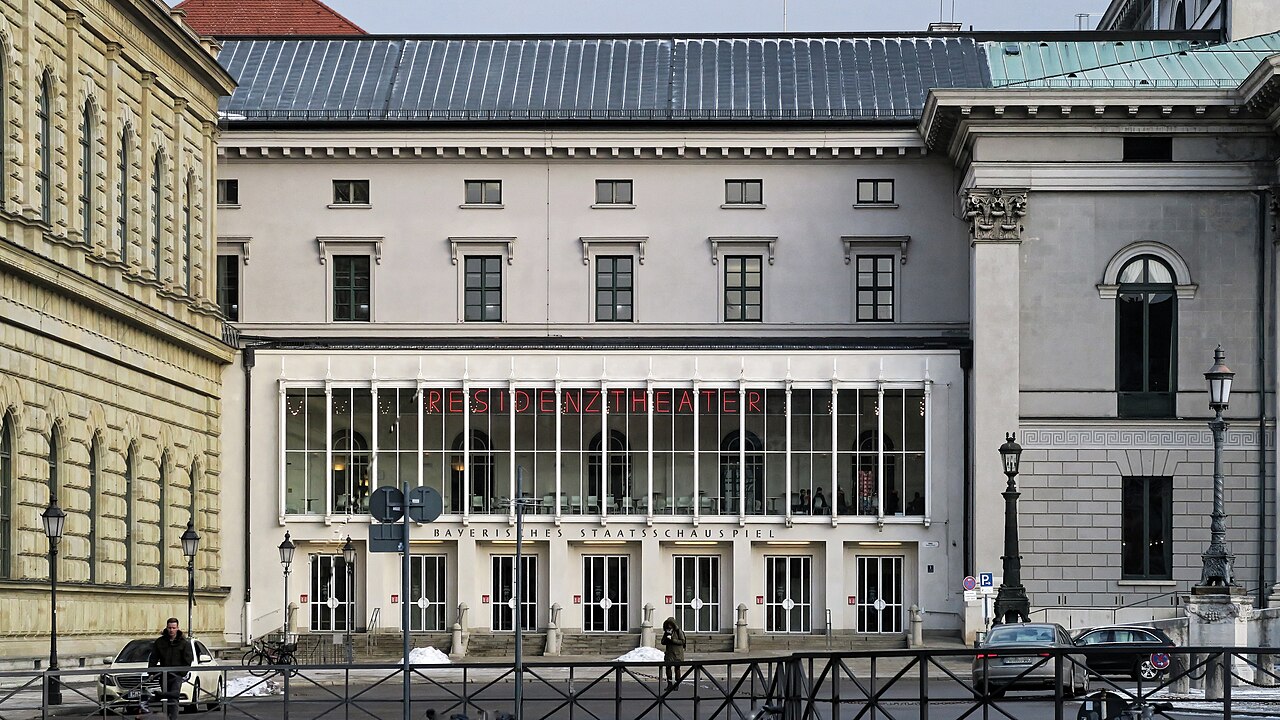
The Cuvilliés Theatre maintains separate operational status despite physical connection to the palace complex. Ticketing arrangements differ and visitors should verify whether combination access or separate purchase applies for their intended visit.
Palace museums typically restrict large bags for security and artifact protection. Visitors should anticipate possible mandatory cloakroom use and associated queuing. Specific size thresholds and whether storage incurs fees should be confirmed on site or in advance.
Children are admitted though the museum's primary presentation targets adult audiences interested in decorative arts and political history. Families should assess whether content engagement matches children's attention spans and whether any specific family materials or activity programs are currently offered.
Loading the interactive map…
The interactive map could not be loaded.
Last updated:
Source: OpenStreetMap contributors, Wikidata ·