.JPG)
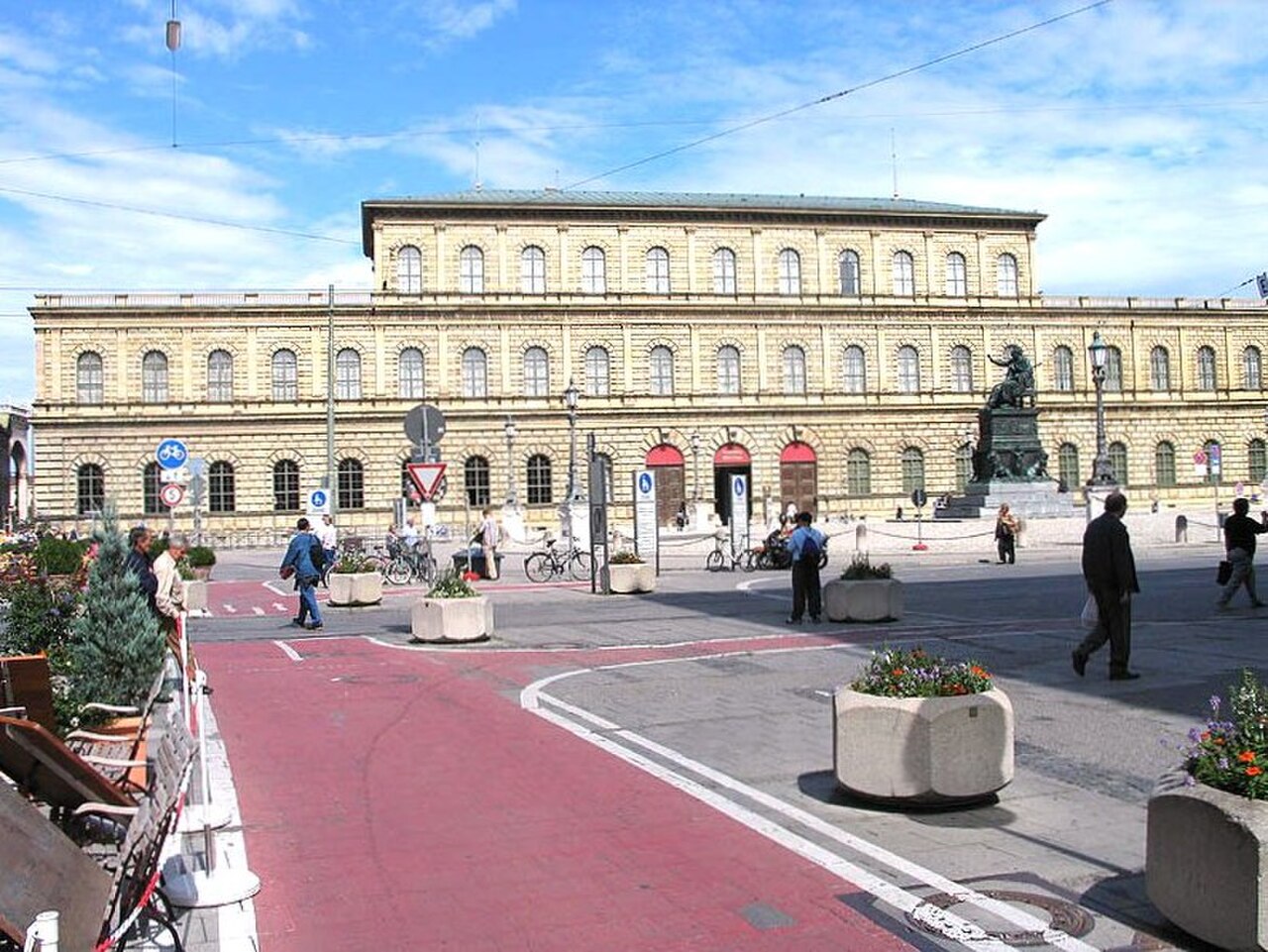
1 min walk
Residence Museum
- High
- Museum
Language · 11 published
Museum · Munich
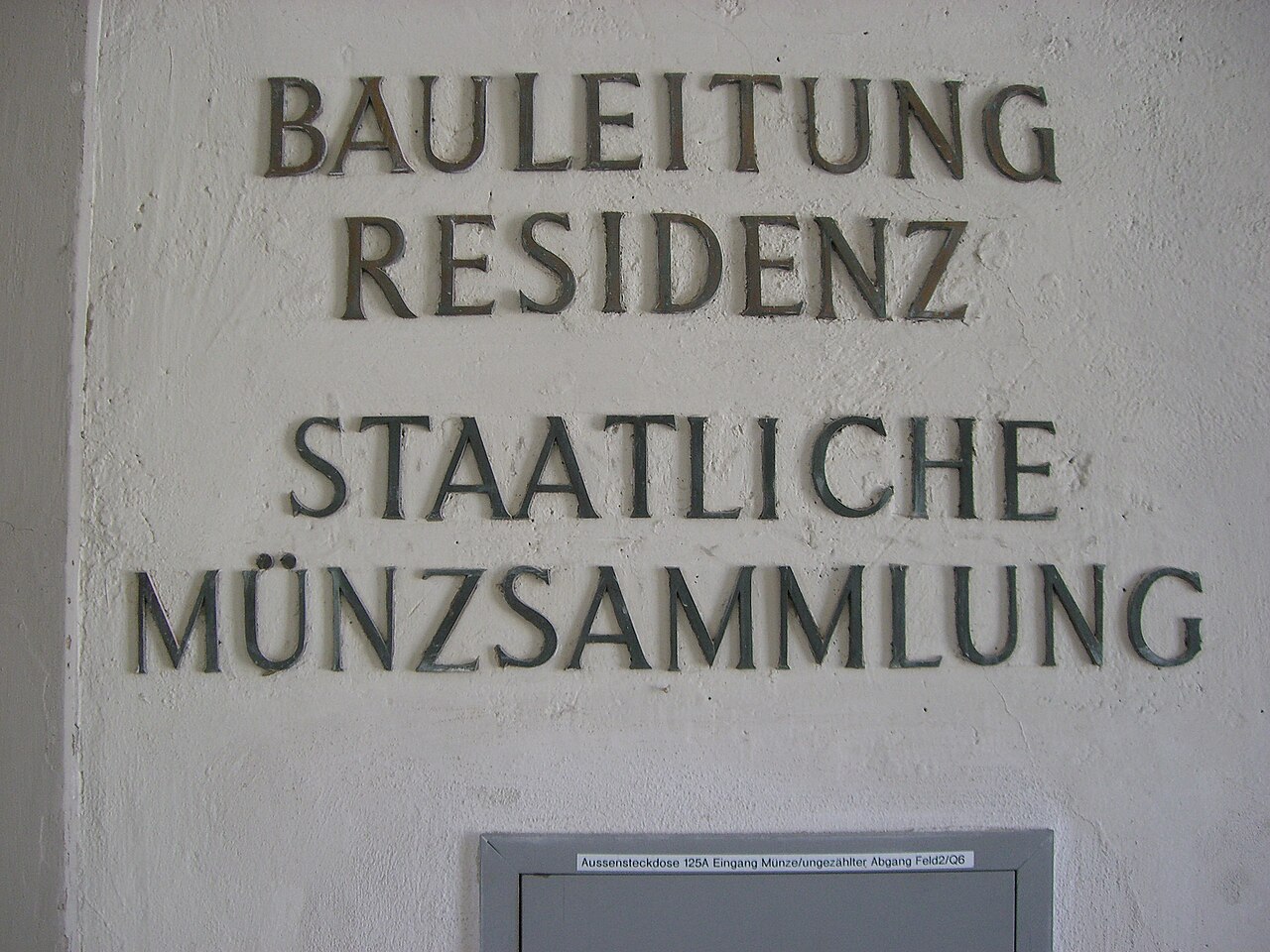
Staatliche Münzsammlung
Reviewed by Elena Voss · Roavina Travel Editor
| Monday | Closed |
|---|---|
| Tuesday | 10:00 – 17:00 |
| Wednesday | 10:00 – 17:00 |
| Thursday | 10:00 – 17:00 |
| Friday | 10:00 – 17:00 |
| Saturday | 10:00 – 17:00 |
| Sunday | 10:00 – 17:00 |
Checked 2026-08-31 · Source
Read from the OpenStreetMap access tags; anything not listed has no tag recorded.
Set the group type to family in the planner and the day window contracts to about three quarters of a solo day.
This place is a Museum.
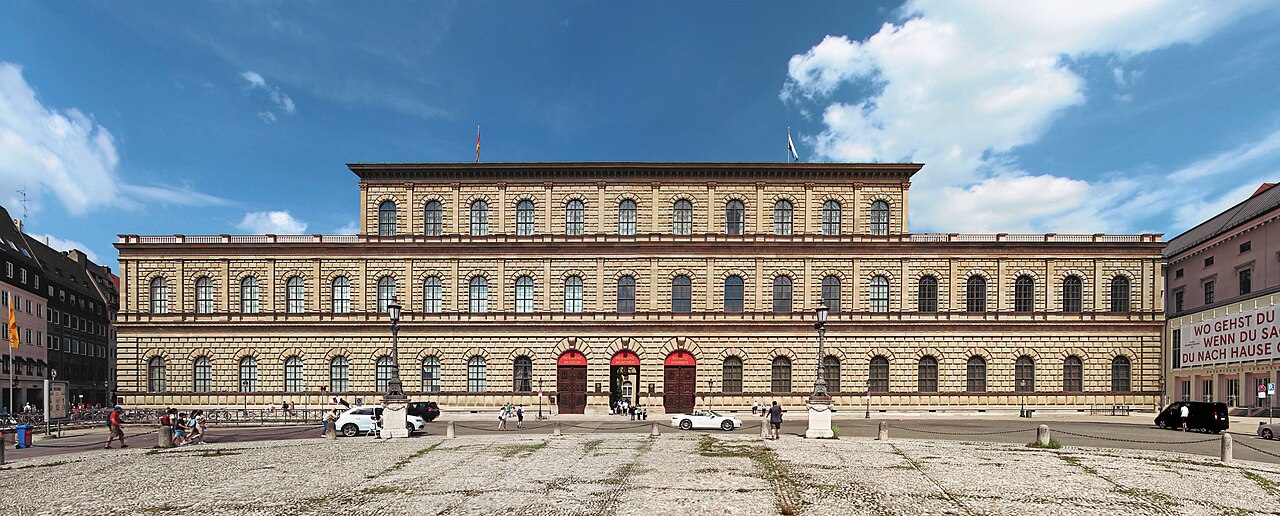
The Staatliche Münzsammlung München is a state-administered numismatic collection in Munich. It presents the material history of money through coins, medals, banknotes, and related objects from different periods and regions. The collection suits travellers who enjoy close looking, historical context, craftsmanship, and the links between political power and monetary design. It is a specialised museum experience, rewarding curiosity about objects that are small in size but broad in historical meaning. The Staatliche Münzsammlung München is a state numismatic collection housed in Munich. It ranks among the most significant coin collections globally, preserving currency and monetary artifacts across extensive historical periods. The institution operates under state administration, reflecting Bavaria's commitment to cultural heritage preservation. Its holdings represent centuries of monetary evolution, from ancient civilizations through modern eras. The collection serves researchers, historians, and visitors interested in the material culture of exchange and economic history. Its institutional stature within Munich's museum landscape is recognized in municipal tourism materials. It is a state-administered numismatic collection in Munich, recognized as a significant global coin collection preserving monetary artifacts across historical periods.
Checked 2026-08-26 · Source
Visitors can encounter coins and medals alongside banknotes and other numismatic objects. The holdings include ancient Greek and Roman material, medieval European currency, commemorative medals, and precious-metal examples. Displays organise objects for comparison across periods, places, artistic styles, and monetary systems. Read the labels closely: the museum’s appeal lies in details of imagery, inscriptions, metalwork, and historical use rather than in large-scale rooms or dramatic installations. The collection encompasses coins, medals, banknotes, and related numismatic objects spanning diverse geographical origins and chronological ranges. Ancient Greek and Roman specimens feature prominently alongside medieval European currency. The holdings include commemorative medals documenting historical events and personages. Precious metal specimens illustrate metallurgical practices and artistic conventions of their periods. Specialized cabinets present organized displays for systematic study.
Checked 2026-08-26 · Source
Set aside enough time to look carefully at a sequence of cases rather than treating the Staatliche Münzsammlung as a quick photo stop. A casual visitor can make a shorter circuit, while anyone interested in ancient history, medieval Europe, art, or economics may linger over individual objects and labels. It also fits naturally into a day of museum visits in Munich, especially when your group has different levels of interest.
Checked 2026-08-26 · Source
The Staatliche Münzsammlung is an indoor cultural destination, making it suitable for a museum-focused day or for shelter during unsettled weather. Weekdays can provide a calmer setting for reading labels and studying cases, while busy periods may make close viewing less comfortable. Build the visit around the museum’s current public schedule and allow time for entry before the planned closing period. Its specialised subject rewards an unhurried pace more than a rushed landmark checklist.
Checked 2026-08-26 · Source
Admission uses the kind of structure associated with a German state museum, with standard and reduced categories possible within the institution’s visitor arrangements. The collection’s value is in the breadth of its historical objects, from ancient coins to commemorative medals and banknotes. Plan the museum as a paid cultural stop only when its current tariff suits your itinerary, and keep any eligibility documents required for a reduced category with you.
Checked 2026-08-26 · Source
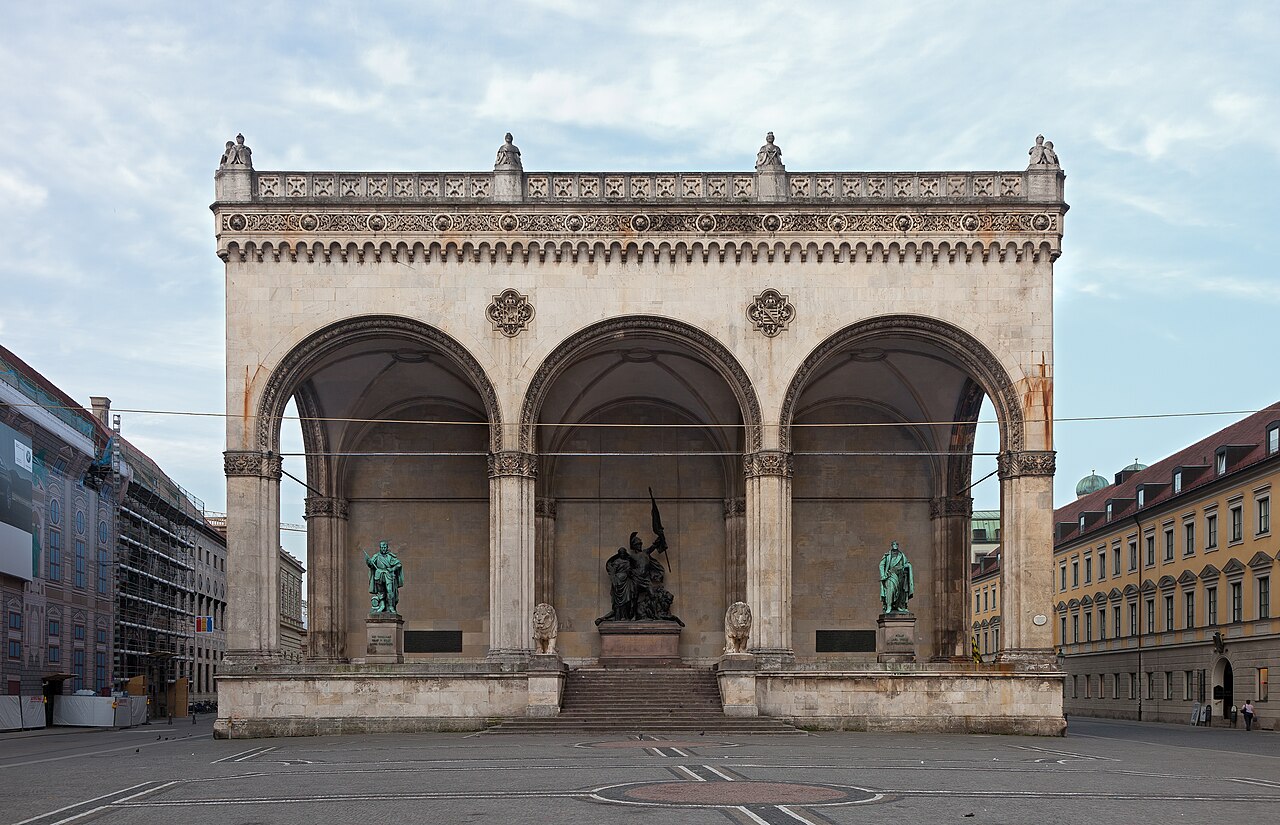
The Staatliche Münzsammlung is located within Munich’s cultural district and is connected to the city’s public-transport and pedestrian networks. U-Bahn, S-Bahn, tram, and bus services serve the wider museum area, with a walk at the end of the journey. It can be paired with nearby cultural institutions, reducing the need for a separate cross-city transfer. Use a current Munich route planner for the final station choice and walking approach.
Checked 2026-08-26 · Source
The collection contains fragile and valuable objects displayed in cases, so keep a respectful distance and follow staff directions. Do not touch displays, and supervise children closely. Flash restrictions may apply to protect objects and maintain a calm viewing environment. Crowding can make small cases difficult to study, particularly during popular periods. Visitors seeking research access should distinguish scholarly arrangements from the ordinary public visit and follow the museum’s visitor rules.
Checked 2026-08-26 · Source
The Staatliche Münzsammlung’s small objects reward close visual attention, but photography must follow the museum’s rules and any sign beside an exhibit. Keep flash, tripods, and bulky equipment out of the display areas unless staff permit them. Personal photographs and images intended for publication are different uses, especially for valuable or protected material. Keep the camera low-profile so other visitors can study the cases without obstruction.
Checked 2026-08-26 · Source
It is a state-administered Munich collection devoted to coins, medals, banknotes, and related numismatic objects.
Displays include ancient Greek and Roman specimens, medieval European currency, commemorative medals, banknotes, and precious-metal objects.
It suits visitors interested in ancient history, medieval Europe, art, economics, craftsmanship, and the history of exchange.
Yes. Its location in Munich’s cultural district makes it suitable for a day that includes other museums and cultural institutions.
Keep distance from display cases, do not touch objects, supervise children, and follow staff directions about photography and movement.
The museum lies in Munich’s cultural district, served by the city’s U-Bahn, S-Bahn, tram, bus, and pedestrian networks.
Loading the interactive map…
The interactive map could not be loaded.
Last updated:
Source: OpenStreetMap contributors, Wikidata ·