
69 min walk
Deutsches Skimuseum
- High
- Museum
Language · 11 published
Museum · Munich
Zeit+Raum
Closed today, Saturday. Next open Sunday at 13:00 — the planner will not place a stop here on a Saturday.
Plan around itReviewed by Elena Voss · Roavina Travel Editor
| Monday | Closed |
|---|---|
| Tuesday | Closed |
| Wednesday | Closed |
| Thursday | Closed |
| Friday | Closed |
| Saturday | Closed |
| Sunday | 13:00 – 17:00 |
Checked 2026-08-31 · Source
Read from the OpenStreetMap access tags; anything not listed has no tag recorded.
Set the group type to family in the planner and the day window contracts to about three quarters of a solo day.
This place is a Museum.
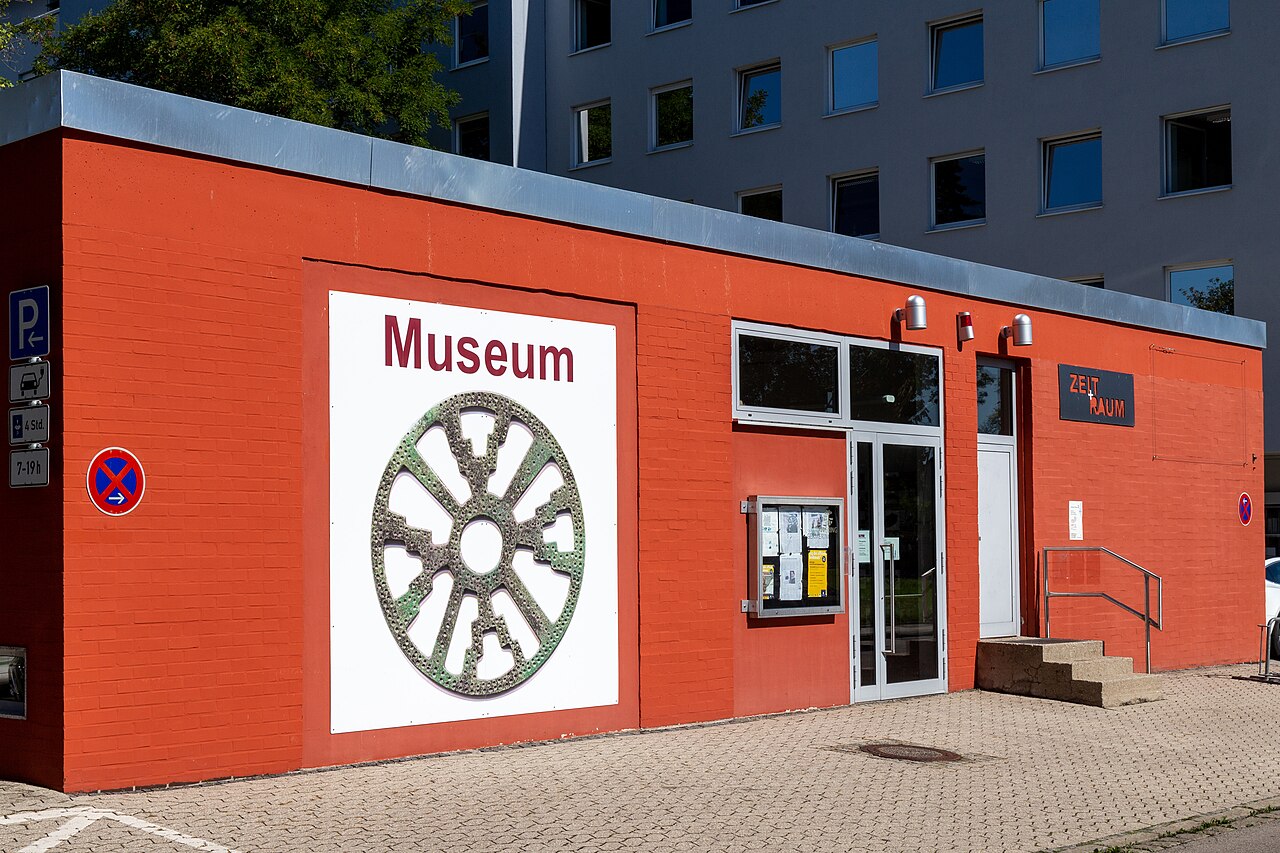
ZEIT+RAUM Museum offers a specialised cultural experience in Munich centred on the ideas of time and space. Its subject separates it from conventional museums organised around a single historical period, artist or collection type. Visitors come here for an alternative perspective on how people understand chronology, place and the environments that shape experience. The museum suits travellers who enjoy conceptual exhibitions and thoughtful observation. Include it in a cultural itinerary when you want a quieter, more idea-led stop between Munich’s larger and more familiar institutions. ZEIT+RAUM Museum is a cultural institution in Munich dedicated to exploring themes of time and space through artistic and historical perspectives. The museum occupies a distinctive architectural setting within the city, contributing to Munich's diverse museum landscape. Its conceptual focus on temporal and spatial dimensions distinguishes it from more conventional municipal collections. The institution represents part of the city's commitment to maintaining varied cultural offerings across its urban districts, serving both residents and visitors seeking alternative museum experiences beyond the major state collections.
Checked 2026-08-26 · Source
The museum presents exhibitions and installations exploring the relationship between chronological progression and physical environment. Artistic works, historical material and multimedia approaches support the central themes of time and space. Exhibition content can shape the visit, but the museum’s defining character remains its conceptual approach and its invitation to connect ideas across different forms of presentation.
Checked 2026-08-26 · Source
Plan roughly one to two hours for ZEIT+RAUM Museum. A focused visit can fit into the shorter end of that range, while visitors who enjoy conceptual art, historical interpretation or contemplative installations may want more time. The museum rewards attention rather than speed, so avoid placing it between two attractions with tight arrival deadlines. It works well as one substantial cultural stop in an afternoon, with walking time before or after to let the themes of space and movement continue into Munich’s streets.
Checked 2026-08-26 · Source
ZEIT+RAUM Museum can suit a year-round Munich itinerary because the core experience is indoors. Choose a visit time that leaves space for close attention rather than rushing through the galleries. It pairs naturally with other cultural stops when you can keep the route geographically simple, but the museum’s reflective character also benefits from being the main focus of a quieter half-day. Use the surrounding city as part of the experience: the contrast between indoor ideas about space and outdoor movement can enrich the visit.
Checked 2026-08-26 · Source
Approach the museum as a specialised cultural venue rather than a large state collection with a familiar tourist routine. The value lies in the exhibitions and the way they frame time and space, so allow enough time to engage with the displays. If you are planning several museums in one day, keep this visit separate from the most crowded landmarks and leave a buffer around it. A less hurried schedule gives the museum’s conceptual material room to make sense.
Checked 2026-08-26 · Source
The museum is within Munich’s urban fabric and can be incorporated into a route using the city’s U-Bahn, S-Bahn, tram and bus network. Walking or cycling may also be practical from accommodation or another nearby cultural stop. Plan the approach as part of the visit: a simple route leaves more energy for the exhibitions and avoids turning a reflective museum experience into a rushed transfer. Once you have located the museum on your map, group nearby destinations together and reserve one to two hours for the interior.
Checked 2026-08-26 · Source
The museum’s conceptual focus may require more concentration than a collection built around instantly recognisable objects. Read the interpretive material and give installations enough time to settle before moving on. Keep belongings under control and follow normal museum etiquette around food, pathways and displays. If you are travelling with companions who prefer fast sightseeing, explain that this stop is about ideas and atmosphere as much as visual highlights. A calm pace will make the visit more rewarding than trying to cover every room quickly.
Checked 2026-08-26 · Source
Treat photography as secondary to the museum’s ideas and installations. Follow gallery notices, especially around flash, filming and equipment, and keep pathways clear when using a phone or camera. Conceptual displays can lose their impact when viewed only through a screen, so look first and photograph selectively. Avoid including other visitors in personal images where possible. Exterior photographs can place the museum within Munich’s urban setting, while interior images should respect the presentation of the artworks and the experience of people around you.
Checked 2026-08-26 · Source
It explores the relationship between time and space through artistic, historical and exhibition-based perspectives.
It offers a specialised, idea-led experience with exhibitions and installations that invite close observation and reflection.
Allow approximately one to two hours, depending on how deeply you engage with the exhibitions and installations.
It suits travellers interested in conceptual art, historical interpretation, urban ideas and contemplative museum visits.
Yes. It works well within a cultural route, provided you leave enough time for an unhurried one- to two-hour visit.
Move slowly, read the interpretation and consider how each display connects ideas of chronology, movement and physical surroundings.
Loading the interactive map…
The interactive map could not be loaded.
Last updated:
Source: OpenStreetMap contributors, Wikidata ·