.jpg)
2 min walk
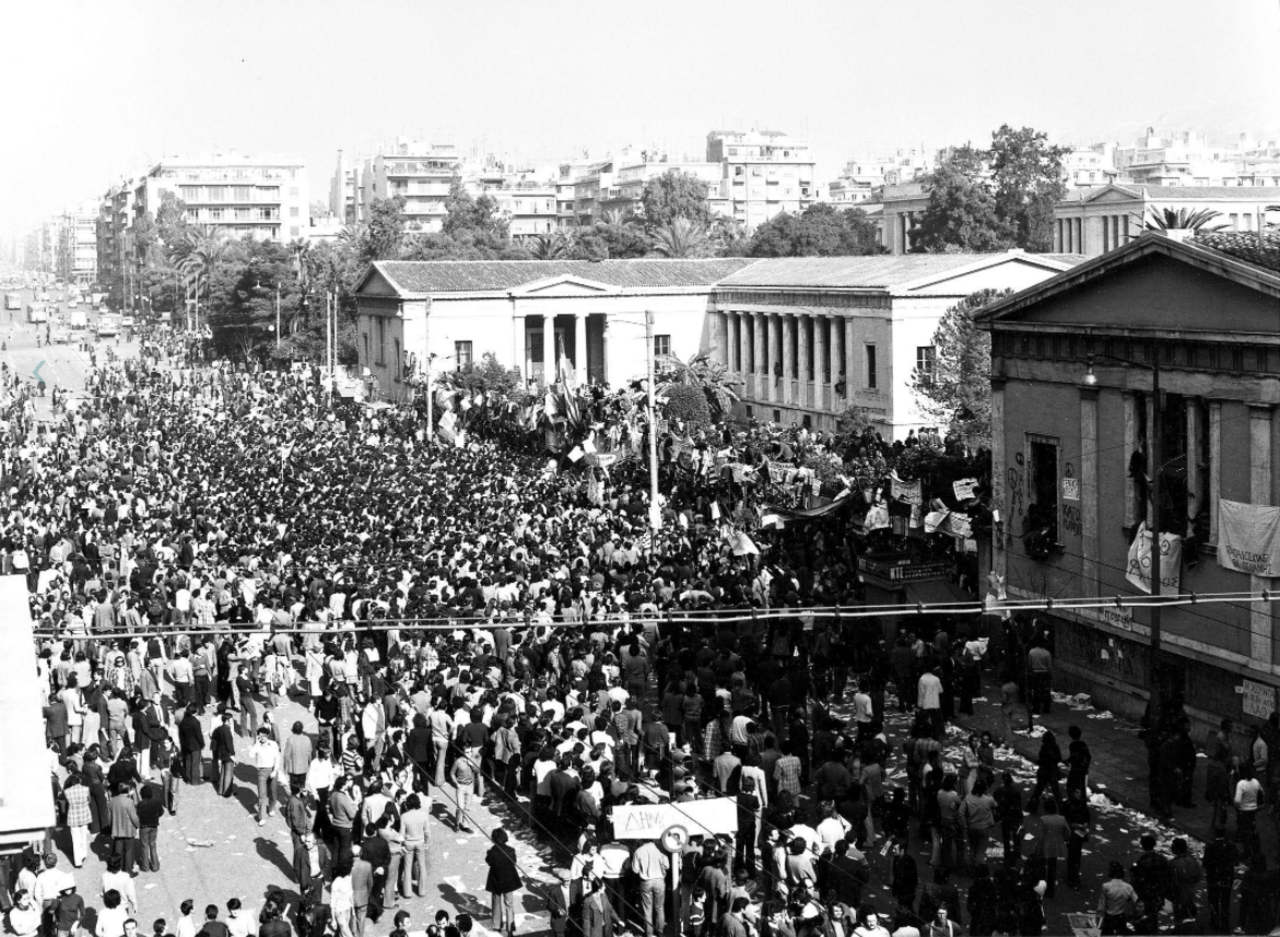
Athens Polytechnic uprising
- Must see
- Historic monument
Language · 11 published
Museum · Athens
Reviewed by Elena Voss · Roavina Travel Editor
| Monday | 08:00 – 20:00 |
|---|---|
| Tuesday | 13:00 – 20:00 |
| Wednesday | 08:00 – 20:00 |
| Thursday | 08:00 – 20:00 |
| Friday | 08:00 – 20:00 |
| Saturday | 08:00 – 20:00 |
| Sunday | 08:00 – 20:00 |
Checked 2026-08-31 · Source
Read from the OpenStreetMap access tags; anything not listed has no tag recorded.
Set the group type to family in the planner and the day window contracts to about three quarters of a solo day.
It carries the archaeological site in Greece heritage designation.
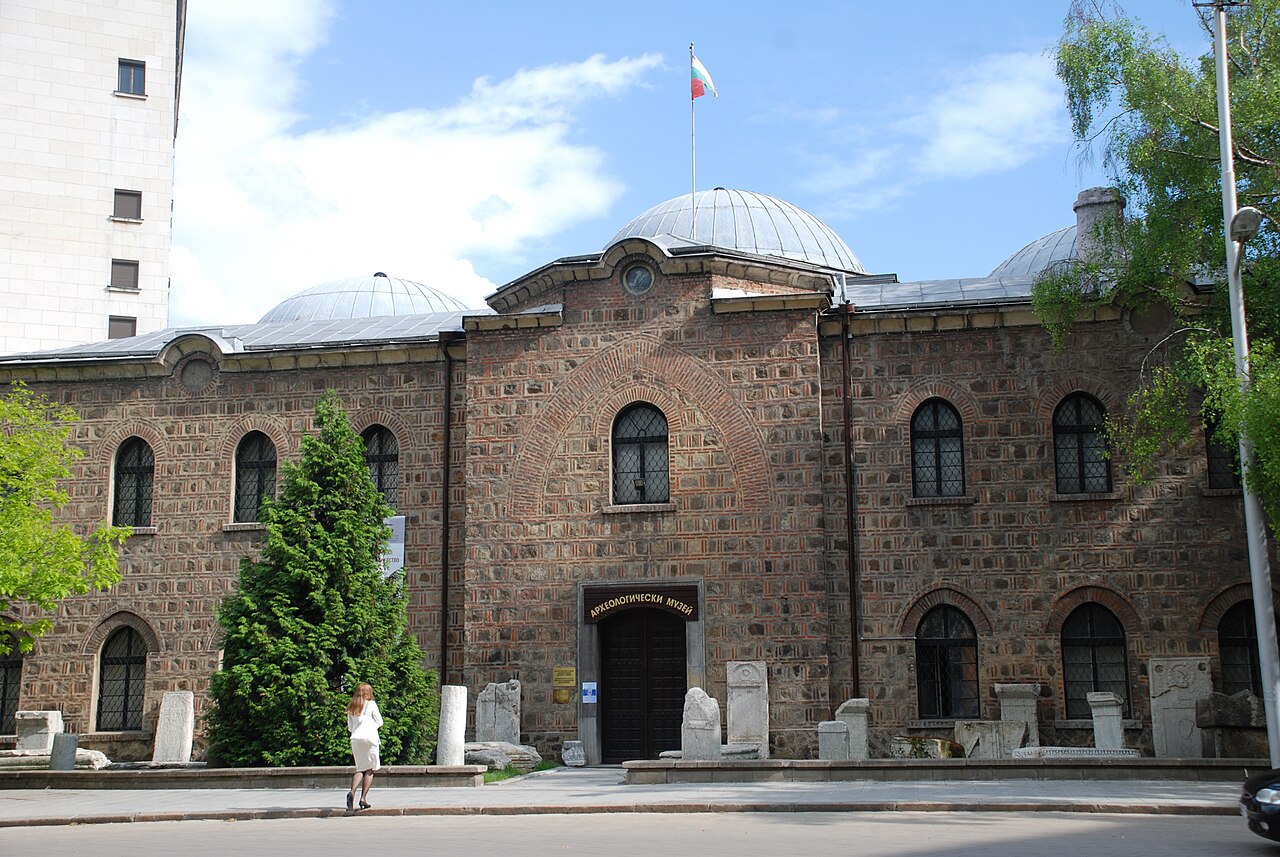
The National Archaeological Museum stands as one of Athens's principal institutions for ancient Greek art and archaeology. It occupies a substantial neoclassical building that has served this purpose since the nineteenth century. The collection spans multiple millennia of Greek civilization, from prehistory through late antiquity. Its holdings derive from excavations across mainland Greece and the islands. The museum functions as a research center as well as a public exhibition space. Visitors encounter objects arranged in chronological and thematic sequences across numerous galleries. Summer season, 4 May–15 November 2026: Wednesday–Monday 08:00–20:00; Tuesday 13:00–20:00.
Checked 2026-08-31 · Source
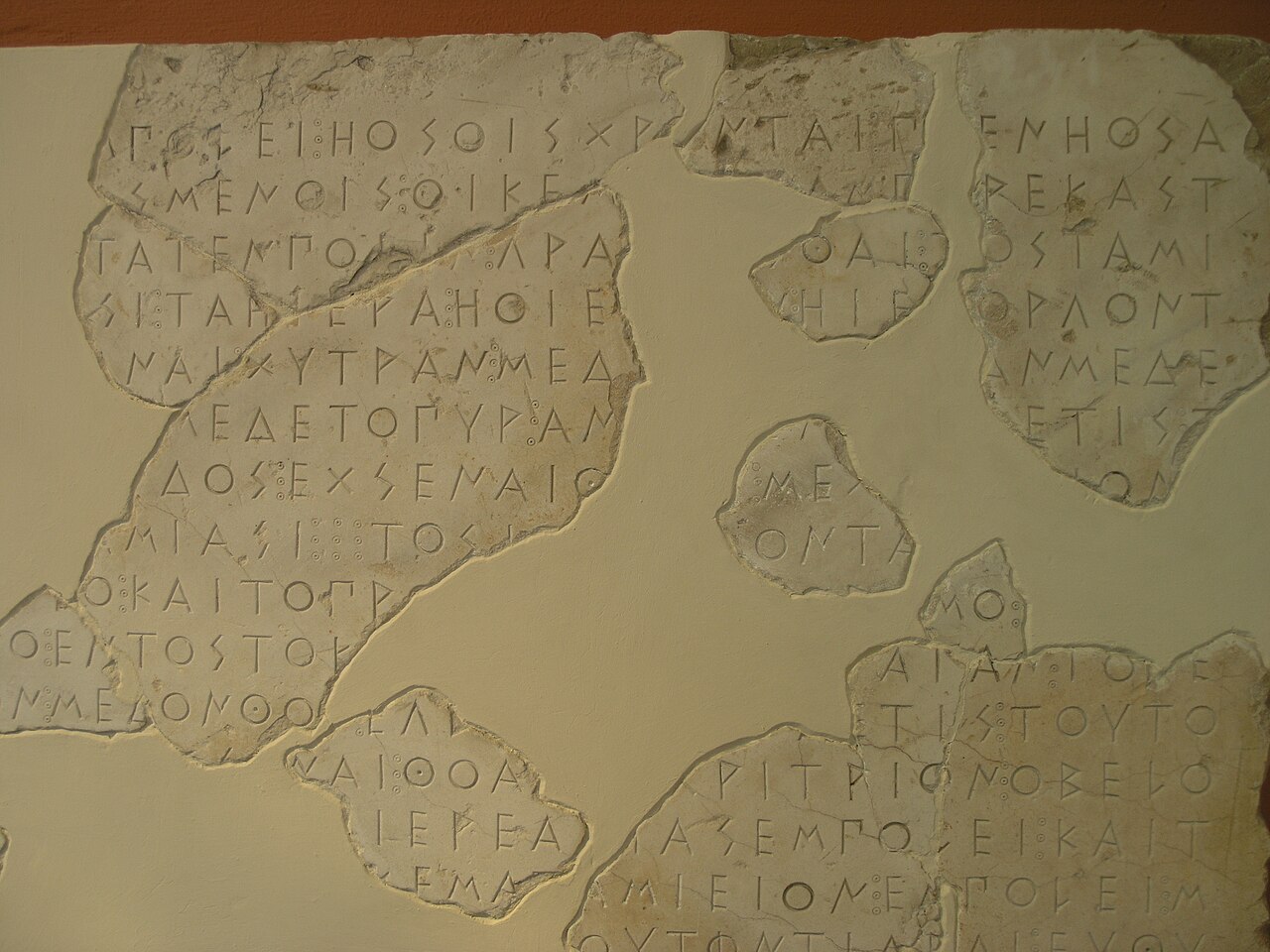
The galleries contain sculpture, metalwork, pottery, jewelry, and frescoes from Minoan, Mycenaean, Archaic, Classical, Hellenistic, and Roman periods. Notable displays include bronze statuary, funerary monuments, and painted ceramics. The Mycenaean collection features gold artifacts from shaft graves. Egyptian and Near Eastern antiquities occupy dedicated rooms. The museum preserves objects too fragile for permanent display in storage facilities. Temporary exhibitions rotate through designated spaces. Information panels accompany major works, though completeness varies by gallery. Base adult/general admission is €20. The fee is unchanged throughout the year.
Checked 2026-08-31 · Source
A thorough visit demands substantial time given the collection's breadth. Visitors with focused interests in specific periods may allocate less. Those examining the full range of prehistoric and classical materials should plan accordingly. Audio guides and printed materials can structure shorter visits around highlighted objects. Repeated visits suit those seeking depth over breadth. The physical scale of the building itself contributes to time requirements. Crowding in peak periods extends movement between galleries. Base adult/general admission is €20. The fee is unchanged throughout the year.
Checked 2026-08-31 · Source
Seasonal variation in opening schedules is typical for Greek state museums. Morning arrival generally offers quieter conditions for viewing major works. Summer afternoons see reduced visitor density but potentially warmer interior conditions. Holiday periods and Greek national days may affect accessibility. Advance verification through official channels remains advisable. Summer season, 4 May–15 November 2026: Wednesday–Monday 08:00–20:00; Tuesday 13:00–20:00. A separate accessible entrance is on Vas. Herakleiou Street. The accessible entrance can be reached by a ramp from the museum frontage or directly from the Vas. Herakleiou pavement. Elevators serve the basement and first floor.
Checked 2026-08-31 · Source
Greek state museums have undergone periodic fee adjustments in recent years. Reduced or free entry categories typically apply for students, seniors, and EU youth, though verification requirements change. Combined ticketing with other archaeological sites has been implemented seasonally. Cash and card acceptance varies by renovation status of entry systems. Advance online purchase options exist for some periods. Base adult/general admission is €20. The fee is unchanged throughout the year. A separate accessible entrance is on Vas. Herakleiou Street. The accessible entrance can be reached by a ramp from the museum frontage or directly from the Vas. Herakleiou pavement.
Checked 2026-08-31 · Source
The museum sits in the Exarcheia district, northeast of the central Syntagma area. Multiple bus routes serve surrounding streets. The Victoria metro station on Line 1 lies within walking distance. Pedestrian approaches from Omonia Square traverse urban streets with mixed commercial activity. The museum is at 44, 28th of October (Patission) Street. Omonia and Victoria stations provide Metro/electric-train access. Bus routes B5, A6, B6, E6, A7, B7, E7, A8, B8, A12, B12, G12, E12, 022, 035, 046, 060, 200, 224, 605, 608 and 622 serve the area; trolley routes 2–9, 11 and 13–14 also serve it. There is no on-site visitor parking; private parking is available on Mpoumpoulinas Street, Zaimi Street and Alexandras Avenue.
Checked 2026-08-31 · Source
The surrounding Exarcheia neighborhood has documented periods of civil unrest and confrontations between demonstrators and police. Visitors should monitor current conditions through embassy advisories and local news. Street activity varies unpredictably. Standard urban precautions regarding personal belongings apply throughout central Athens. The museum building itself has experienced security incidents requiring temporary closure in past years. Some galleries lack climate control consistency. A separate accessible entrance is on Vas. Herakleiou Street. Elevators serve the basement and first floor. An accessible toilet is on the basement level, and a wheelchair is available on request at the information desk.
Checked 2026-08-31 · Source
Photography policies vary by gallery and exhibition type within Greek state museums. Flash photography is typically prohibited to protect light-sensitive materials. Tripods and selfie sticks face restrictions due to spatial constraints and conservation concerns. Special exhibitions may impose complete photography bans. Commercial or publication use requires separate authorization. Mobile phone photography faces fewer restrictions than professional equipment. Visitors should observe posted signage and staff instructions in each room. Temporary exhibition rules supersede general policies where conflicts arise. An accessible toilet is on the basement level, and a wheelchair is available on request at the information desk.
Checked 2026-08-31 · Source
Yes. The museum gives priority access to visitors holding online “no queueing” tickets.
Portable-camera photography without flash is free, except where an object carries a prohibition notice; tripods and filming require museum permission.
Yes. Luggage, rucksacks and other objects larger than 30 × 30 × 15 cm must be left in the cloakroom.
Yes. Entry to the café is free without a museum ticket.
Yes. Guide dogs accompanying people with disabilities are exempt from the museum’s prohibition on pets.
Yes. A wheelchair can be requested at the information desk.
Loading the interactive map…
The interactive map could not be loaded.
Last updated:
Source: OpenStreetMap contributors, Wikidata ·