
3 min walk
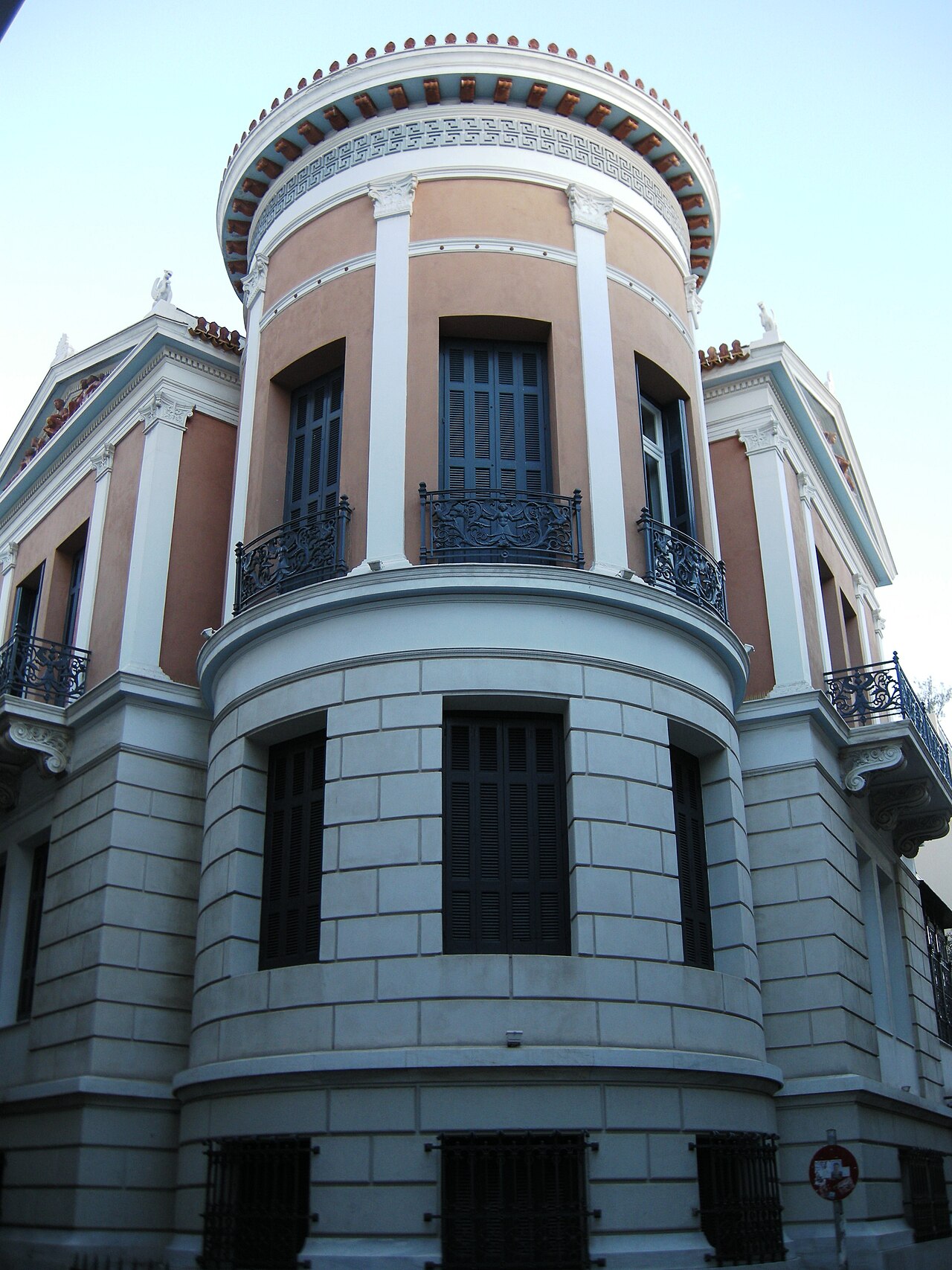
Frissiras Museum
- Must see
- Museum
Language · 11 published
Activity · Athens
Reviewed by Elena Voss · Roavina Travel Editor
| Monday | 00:00 – 23:59 |
|---|---|
| Tuesday | 00:00 – 23:59 |
| Wednesday | 00:00 – 23:59 |
| Thursday | 00:00 – 23:59 |
| Friday | 00:00 – 23:59 |
| Saturday | 00:00 – 23:59 |
| Sunday | 00:00 – 23:59 |
Checked 2026-08-31 · Source
Read from the OpenStreetMap access tags; anything not listed has no tag recorded.
Set the group type to family in the planner and the day window contracts to about three quarters of a solo day.
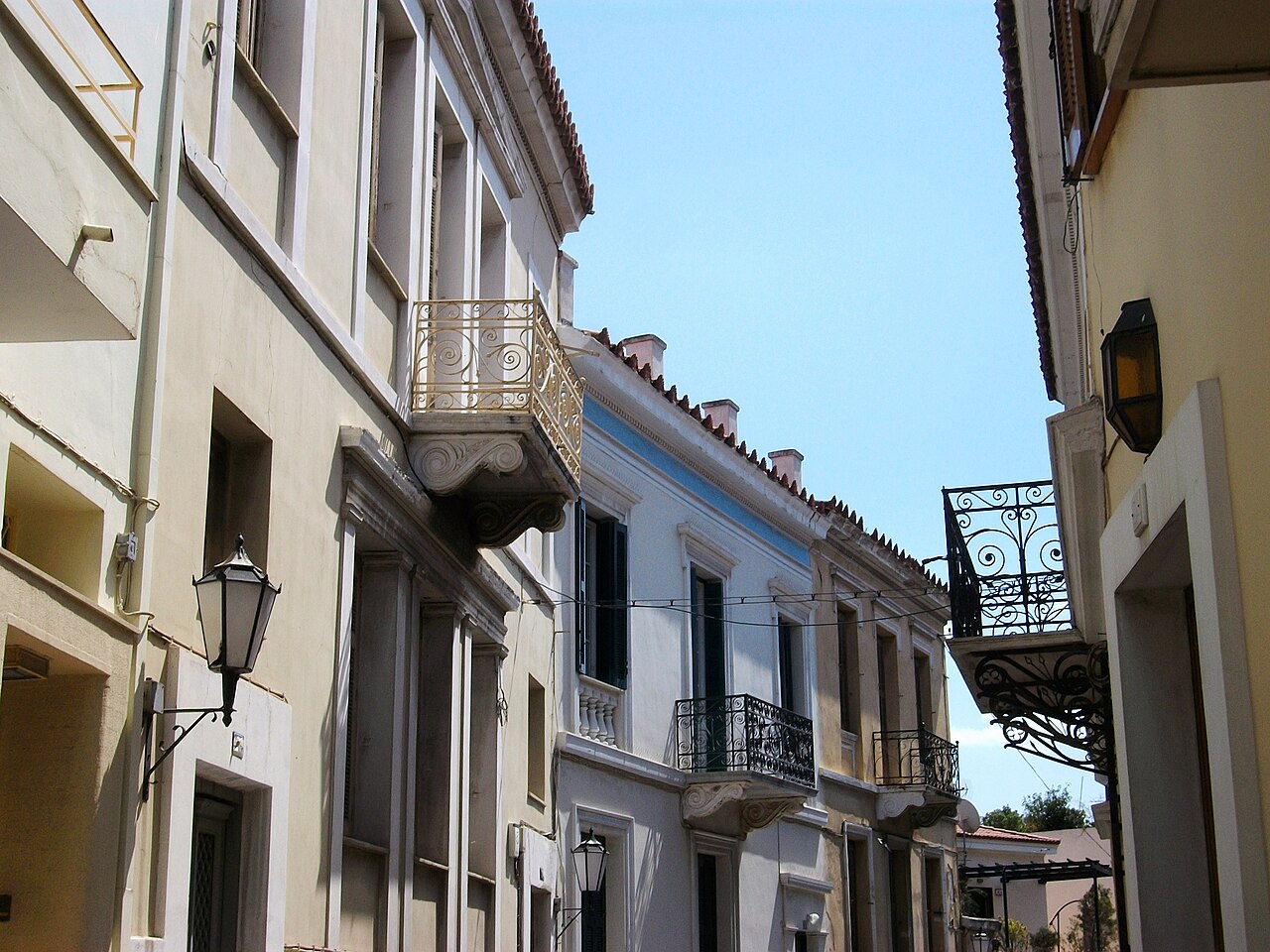
Plaka is the historic old quarter of Athens, clustered around the northeastern slopes of the Acropolis. Its narrow labyrinthine streets, neoclassical architecture, and Byzantine churches preserve the atmosphere of Ottoman-era Athens. The district extends roughly from the Acropolis to Syntagma Square and is bounded by Leoforos Vasilisis Amalias and Leoforos Vasilisis Sofias. Plaka serves as a commercial and tourist hub with restaurants, tavernas, and souvenir shops concentrated along its pedestrianized lanes. Public streets are accessible at all times. Plaka is an ungated public neighbourhood with no weekly closure day. Museums, archaeological sites, churches and businesses within it keep separate schedules.
Checked 2026-08-31 · Source
Plaka contains several notable churches including the 11th-century Kapnikarea and the Metamorfosis Sotiros. The Lysicrates Monument, a circular choragic monument from 335 BCE, stands near the eastern edge. The Museum of Greek Folk Musical Instruments occupies a 19th-century mansion. Anafiotika, a tiny settlement of Cycladic-style houses built by stonemasons from Anafi, sits on the upper slopes. Adrianou Street forms the main commercial thoroughfare with shops and eateries. Roman ruins intersperse the area, reflecting successive layers of Athenian history built upon classical foundations. Plaka is an ungated public neighbourhood with no weekly closure day. Museums, archaeological sites, churches and businesses within it keep separate schedules.
Checked 2026-08-31 · Source
Visitors typically spend two to four hours wandering Plaka's streets, though dedicated exploration of churches, museums, and dining extends this substantially. A cursory walk through Adrianou Street and Anafiotika requires under ninety minutes. Those combining Plaka with Acropolis visits and museum stops should allocate a full day. Evening dining at tavernas represents a distinct temporal commitment separate from daytime sightseeing. Free entry to Plaka’s public streets; individual attractions and commercial venues may charge separately. The step-free Syntagma–Thissio route reaches Plaka’s lower edge through Ermou and Monastiraki; it has no steps, although wheelchair users reported medium-variation paving.
Checked 2026-08-31 · Source
Plaka operates as an open urban district without controlled access, so no opening hours apply to the neighborhood itself. Individual churches, museums, and shops maintain separate schedules. Summer midday heat makes morning and evening walks more comfortable. Spring and autumn offer milder temperatures for extended exploration. Sunday mornings present quieter streets before afternoon shop openings. Public streets are accessible at all times. OASA lists Plaka 450 metres from Akropoli Metro station and 650 metres from Monastiraki Metro station. Akropoli is on Line 2; Monastiraki serves Lines 1 and 3. For step-free arrival from Monastiraki, use the elevator-equipped Monastiraki Square exit.
Checked 2026-08-31 · Source
No admission fee exists for entering Plaka as a public neighborhood. Individual attractions within the district set their own pricing structures. The Museum of Greek Folk Musical Instruments traditionally offers free entry, though this should be verified on arrival. Restaurant and taverna costs vary widely by establishment and season. Free entry to Plaka’s public streets; individual attractions and commercial venues may charge separately. The step-free Syntagma–Thissio route reaches Plaka’s lower edge through Ermou and Monastiraki; it has no steps, although wheelchair users reported medium-variation paving.
Checked 2026-08-31 · Source
Plaka sits within central Athens walkable from Syntagma metro station on Lines 2 and 3, and from Acropolis station on Line 2. Multiple bus lines serve surrounding avenues including Amalias and Filellinon. The district's narrow streets and staircases render private vehicle access impractical; parking is extremely limited. OASA lists Plaka 450 metres from Akropoli Metro station and 650 metres from Monastiraki Metro station. Akropoli is on Line 2; Monastiraki serves Lines 1 and 3. For step-free arrival from Monastiraki, use the elevator-equipped Monastiraki Square exit.
Checked 2026-08-31 · Source
Pickpocketing risk elevates in crowded tourist thoroughfares, particularly Adrianou Street and areas near Acropolis access points. Aggressive restaurant solicitation occurs on major lanes; established venues rarely employ such tactics. Uneven marble and stone surfaces present slip hazards, exacerbated when wet. Steep staircases in Anafiotika demand appropriate footwear and caution for mobility-limited visitors. Some shops sell mass-produced souvenirs misrepresented as handcrafted. The step-free Syntagma–Thissio route reaches Plaka’s lower edge through Ermou and Monastiraki; it has no steps, although wheelchair users reported medium-variation paving. Monastiraki Metro station is fully accessible, with elevators at both exits and an adapted toilet available on request.
Checked 2026-08-31 · Source
The Acropolis backdrop from Anafiotika yields iconic elevated compositions, best captured in morning light before haze accumulates. Narrow lanes with bougainvillea and hanging laundry offer textured street photography opportunities. Church interiors typically permit photography without flash, though explicit permission should be sought. The Lysicrates Monument presents classical photography subjects from multiple angles. Evening blue hour illuminates taverna scenes with warm artificial lighting against cooling skies. Tripod use in crowded lanes may obstruct passage and attract security attention. Yes. Plaka is an ungated public neighbourhood whose streets remain accessible at all times, with no neighbourhood admission charge. Individual attractions may have their own tickets and schedules.
Checked 2026-08-31 · Source
Yes. Plaka is an ungated public neighbourhood whose streets remain accessible at all times, with no neighbourhood admission charge. Individual attractions may have their own tickets and schedules.
The official Athens guide describes Plaka as running from Filomousson Square, near the junction of Kidathinaion and Adrianou Streets, down to Monastiraki at the foot of the Acropolis.
OASA lists Plaka 450 metres from Akropoli station and 650 metres from Monastiraki station. Akropoli serves Line 2, while Monastiraki serves Lines 1 and 3.
No. Lower approaches can be step-free, but upper Plaka has steep and uneven routes; the official accessible route records a 200-metre climb with a 20-metre rise and slippery, uneven stone paving on Theorias Street.
Anafiotika is Plaka’s whitewashed quarter below the Acropolis. It was established by workers from the Cycladic island of Anafi and is bounded loosely by the churches of Agios Georgios tou Vrahou and Agios Simeon.
Regular vehicle traffic is excluded from the Plaka corridor linking Monastiraki, Dionysiou Areopagitou and Thiseio. Access remains for specified services, residents, hotel traffic, emergencies and called taxis.
Loading the interactive map…
The interactive map could not be loaded.
Last updated:
Source: OpenStreetMap contributors, Wikidata ·