
3 min walk
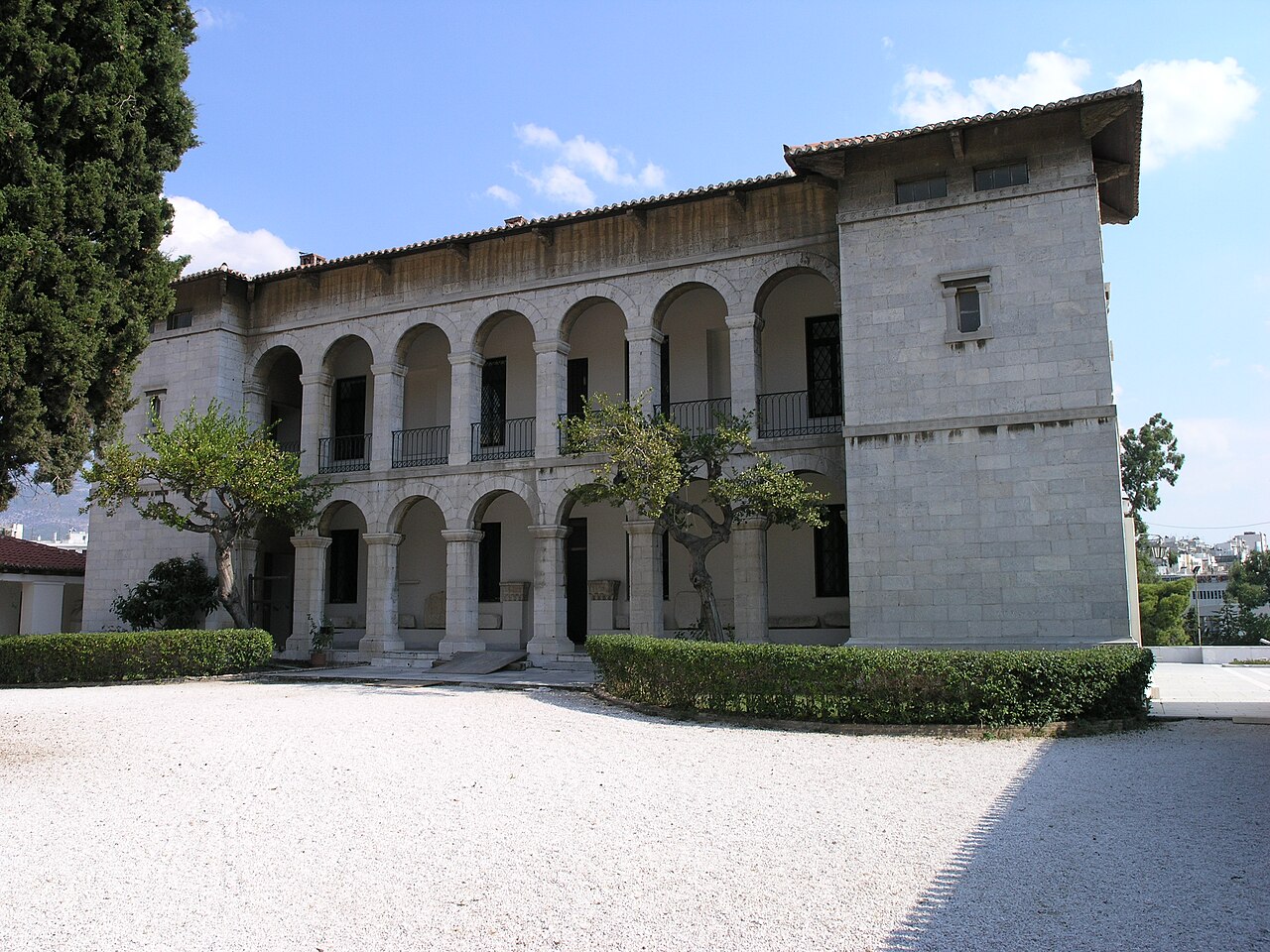
Byzantine and Christian Museum
- Must see
- Museum
Language · 11 published
Activity · Athens
Reviewed by Elena Voss · Roavina Travel Editor
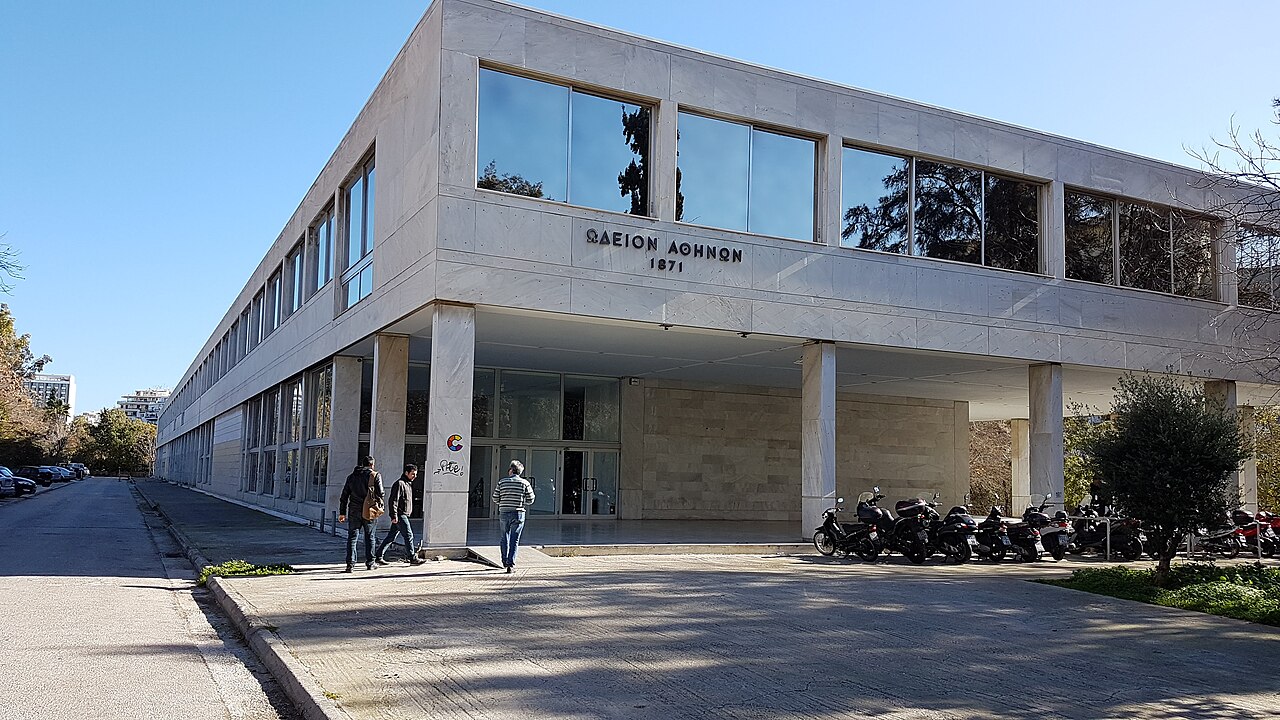
It was established in 1871. It was built in the modernism style. It was designed by Ioannis Despotopoulos. It carries the protected building in Greece heritage designation.
Athens Conservatoire is a working music-education institution in central Athens, rather than a museum with continuous public admission. Its significance lies in the role it plays in Greek musical training and performance culture. The building combines an active institutional setting with architectural interest, but the visitor experience depends on an organised purpose such as a concert, lesson, appointment or other authorised activity. A passer-by can appreciate its urban presence, while entry should be treated as conditional. The conservatoire is best understood as a place where music is taught, rehearsed and performed, not as a landmark designed for unrestricted sightseeing. That distinction shapes every practical part of a visit: the occasion matters more than a standard sightseeing timetable, and the interior is connected to the institution’s daily work.
Checked 2026-08-26 · Source
Inside are spaces used for musical education and performance, including teaching studios, practice rooms and venues for recitals or concerts. These rooms serve students, teachers, performers and event audiences, so the building does not operate like an attraction where every interior is freely explored. Access therefore follows the activity you are attending. A concert audience will experience the performance space, while a student, researcher or invited guest may have a different route through the building. The interior should be approached as a functioning conservatoire with rooms occupied for specific purposes.
Checked 2026-08-26 · Source
Allow about two to three hours when attending a scheduled performance, including time to arrive, find the correct entrance and leave after the event. A meeting, consultation or educational appointment may take longer, depending on its purpose. There is no reliable sightseeing duration for an unarranged visit because casual access is limited. If you are combining the conservatoire with central Athens, plan it as a booked or event-led stop and use the surrounding neighbourhood for additional time. Arriving early is sensible for an event because the building may have more than one active function and a visitor may need to locate the appropriate entrance or audience area. Without an authorised activity, there is no meaningful interior itinerary to fill.
Checked 2026-08-26 · Source
The most useful time to come is when a public performance or other authorised appointment gives you a clear reason to enter. Educational activity follows its own timetable, and event availability can differ from ordinary institutional work. Evening visits may occur for performances, but they should not be interpreted as general opening. The exterior can be incorporated into a daytime walk through central Athens. For an interior visit, choose the date around the specific event or arrangement rather than arriving spontaneously. A daytime walk is therefore suitable for viewing the building from outside, while an evening plan only makes sense when connected to a confirmed performance. The conservatoire should not be treated as a place with predictable tourist hours.
Checked 2026-08-26 · Source
No general tourist admission price is recorded for Athens Conservatoire, and the institution is not presented as a standard fee-paying sightseeing attraction. Entry depends on the purpose of the visit: a performance may have its own ticketing arrangements, while educational access or an appointment follows separate conditions. Use the organiser or institution connected with the particular event for its entry requirements and ticket details. The absence of a recorded general admission price does not mean that every event is free; it means that no single visitor tariff can be stated for the conservatoire as a whole. Plan around the event or appointment that gives you access.
Checked 2026-08-26 · Source
The conservatoire is in central Athens and can be reached by public transport serving the surrounding Kolonaki and Exarcheia area. Bus routes use the nearby street network, and walking from Syntagma Square or another central landmark is feasible, although uphill approaches can be tiring. Taxis and ride-hailing services are available. Street parking is limited, so arriving by car is inconvenient. Check the route on the day because Athens public transport services can change. Visitors walking from another central attraction should allow for the character of Athens streets and for a potentially demanding approach on sloping sections. Public transport or a taxi may be more comfortable when carrying instruments, luggage or mobility equipment.
Checked 2026-08-26 · Source
This is an active educational building, so an unannounced visit may not lead to entry and could interrupt classes, rehearsals or other work. Interior access should be tied to a performance, appointment or permission. Keep noise low near working rooms, and allow extra effort for steep or uneven approaches in the surrounding streets. The main practical trap is planning the conservatoire as an always-open attraction and discovering that the building is serving students rather than visitors. Keep event information and any access arrangement with you, and follow instructions from staff when you arrive.
Checked 2026-08-26 · Source
Exterior photographs from public streets are a practical way to record the building without entering an active teaching environment. Inside, ask the relevant organiser or staff member before photographing rooms, performers, students or rehearsals, since privacy and disruption concerns may apply. Commercial photography, staged sessions and any equipment beyond a personal camera should be treated as permission-based. Drone use is subject to applicable aviation rules and is not a visitor facility. During a performance, follow the event’s instructions and avoid using a camera or phone in a way that distracts performers or other audience members. The exterior is the safer focus for an informal visit.
Checked 2026-08-26 · Source
It is a working educational institution, so casual tourism access is limited.
Treat a tour as an arranged activity and rely on the institution or event organiser for access information.
Visitors who need step-free access should confirm arrangements with the conservatoire before planning an interior visit.
The conservatoire is associated with musical education and performance, including student recitals and occasional professional concerts. Individual event types and dates vary by programme.
It belongs to the nineteenth-century tradition of Greek musical education and is regarded as a longstanding cultural institution.
Plan food and coffee around the surrounding central Athens streets rather than relying on facilities inside.
Loading the interactive map…
The interactive map could not be loaded.
Last updated:
Source: OpenStreetMap contributors, Wikidata ·