
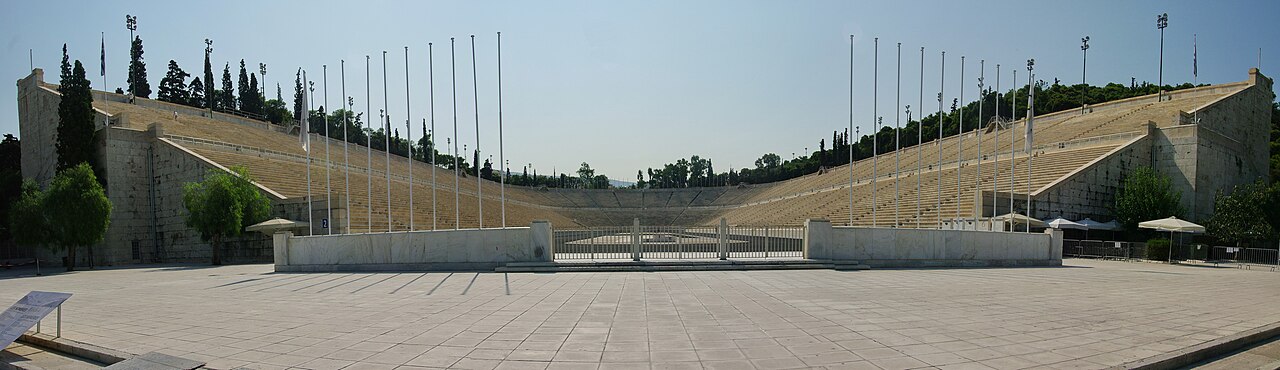
3 min walk
Panathenaic Stadium
- Must see · Heritage site
- Historic monument
Activity · Athens
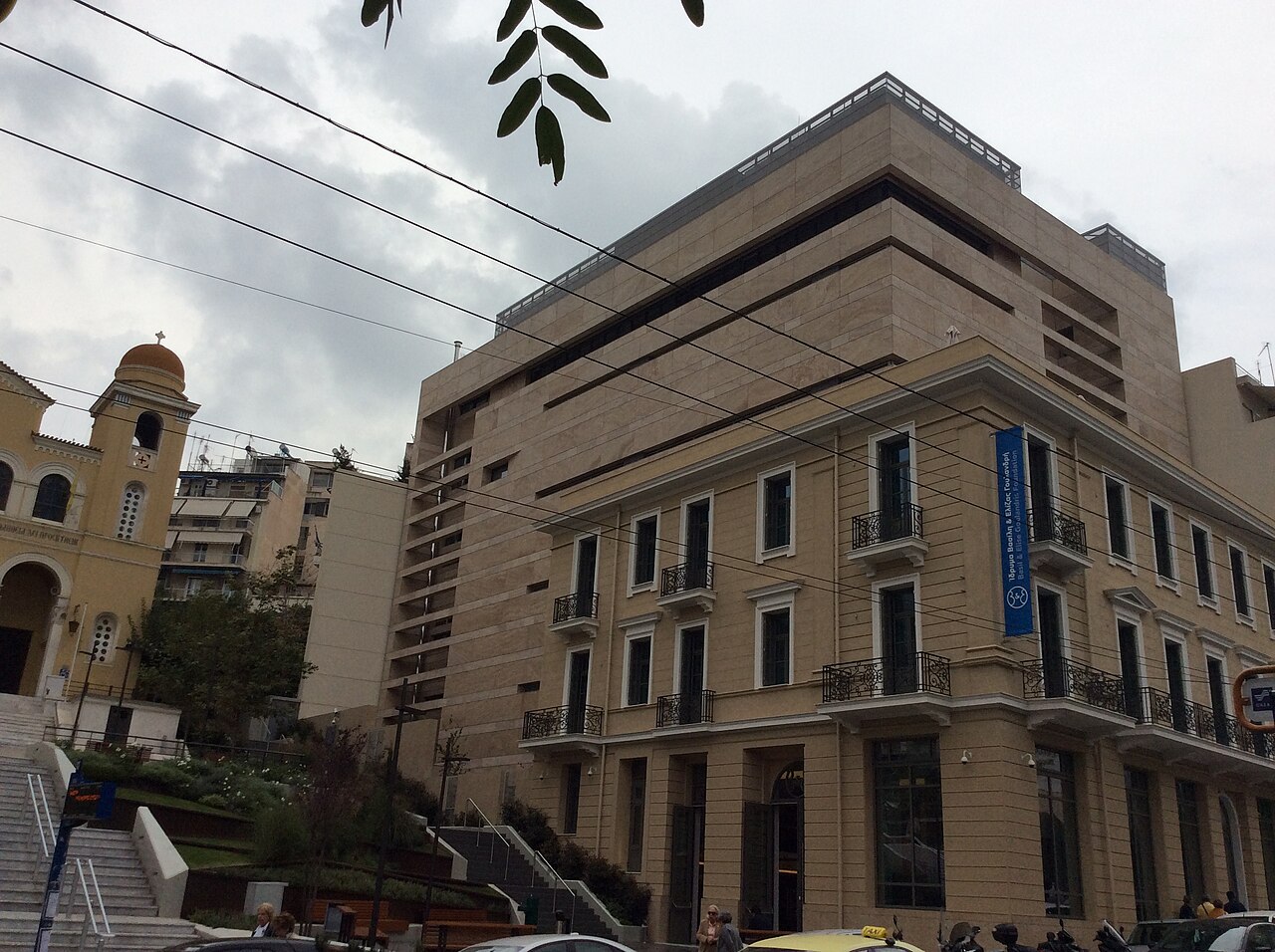
The Basil and Elise Goulandris Foundation is a museum in Athens devoted to the private collection assembled by Basil and Elise Goulandris. Their long-standing support for the arts gave the city a dedicated setting for modern and contemporary works, adding a different dimension to Athens’s better-known archaeological museums. The visit centres on the couple’s collecting vision: a personal, sustained engagement with major artists and the development of a substantial cultural institution in the Greek capital. The building provides a focused museum experience rather than an open-air monument or a broad city-history attraction. It suits travellers who want to place Greek patronage and twentieth-century art within Athens’s wider cultural life.
Checked 2026-08-26 · Source
Inside, visitors encounter paintings, sculptures and other forms of modern and contemporary art collected over several decades. The presentation brings European masters into dialogue with wider artistic developments, while the museum’s interior and architecture provide a deliberate setting for looking closely at individual works. The collection’s value lies in its range as well as in the story of how the Goulandrises selected and lived with art over time. Plan to move through the galleries at an attentive pace, allowing the sequence of works to shape the experience. This is a place for observing materials, composition and artistic change, not simply ticking off one famous object.
Checked 2026-08-26 · Source
Allow about two hours for a comfortable first visit. That gives enough time to move through the collection without turning the galleries into a rushed checklist, while leaving room to pause at works that hold your attention. Visitors with a strong interest in modern art may want longer, especially if they read labels carefully or return to particular rooms. The museum can fit naturally into a half-day devoted to central Athens culture. Pairing it with another indoor collection is practical in hot weather, but avoid packing the schedule so tightly that the art becomes an afterthought.
Checked 2026-08-26 · Source
The foundation works well as an indoor stop during either a hot Athens afternoon or a cooler winter day. Weekday mornings may feel calmer than busy weekend periods, making it easier to spend time with the collection at your own rhythm. Visitor numbers can rise during public holidays and the main tourist season, so build some flexibility into a culture-heavy day. The central setting also makes it convenient to place between other city visits, with the museum offering a change of pace from Athens’s streets, viewpoints and archaeological sites. Leave enough time around the visit for the journey and a quiet break afterwards.
Checked 2026-08-26 · Source
Admission details can vary, so confirm the current arrangements through the foundation’s own visitor information before setting a museum budget. The collection is best treated as a planned cultural visit, with enough time reserved for the galleries rather than as a brief stop between outdoor sights. If you are building a full day around central Athens, decide in advance whether this museum is your main indoor activity and keep the rest of the itinerary flexible. Any concession, timed-entry, payment or advance-booking rule should be taken from the foundation’s current visitor information.
Checked 2026-08-26 · Source
The foundation is in central Athens, where public transport, walking and taxis are practical ways to reach the museum. The city’s Metro, buses and trolleybuses connect the centre with other neighbourhoods, while many visitors staying centrally may find the approach manageable on foot. Road journeys can take longer when traffic is heavy, particularly around busy daytime periods. If you are combining the foundation with other museums or landmarks, map the walking sequence before leaving and allow a little extra time for city crossings, crowded pavements and summer heat.
Checked 2026-08-26 · Source
Treat the visit as a gallery experience: allow other people space, keep food and drinks away from the artworks, and follow the instructions displayed inside the museum. Central Athens is busy, so keep personal belongings secure while travelling and when moving between nearby attractions. In summer, carry water for the outdoor parts of the journey and plan shade between venues. A museum visit rewards an unhurried pace; rushing in at the end of a tightly timed sightseeing route can make it harder to concentrate on the collection. Comfortable shoes are useful if the foundation forms part of a longer walking day.
Checked 2026-08-26 · Source
Photography should follow the signs and staff instructions in each gallery. Museum policies can distinguish between personal, non-flash photographs and images that require permission, and some works or rooms may have their own restrictions. Keep the camera or phone from interrupting other visitors’ view, and do not use flash, tripods or selfie sticks where they are prohibited. If a particular painting or sculpture matters to you, check the rule before taking the photograph rather than allowing photography to dominate the visit. Respecting gallery conditions protects the atmosphere in which the collection is meant to be seen.
Checked 2026-08-26 · Source
It is an Athens museum built around the private collection of Basil and Elise Goulandris, presenting paintings, sculptures and other modern and contemporary works in a dedicated cultural setting.
Plan for about two hours. That is enough for a comfortable first circuit, while visitors who enjoy modern art in depth may want to stay longer with selected works and gallery displays.
Yes. It works well as an indoor cultural stop on a hot summer afternoon or a cooler winter day, and it can be combined with other central Athens museums and landmarks.
The central Athens location is served by the city’s public-transport network, including Metro, bus and trolleybus connections. Walking and taxis are also practical options, although road traffic can lengthen journeys.
Expect paintings, sculptures and other modern and contemporary works collected over several decades, with European masters presented within the broader story of the Goulandrises’ collecting and arts patronage.
Follow the signs and staff instructions, since restrictions can vary by gallery or artwork. Avoid flash and any equipment that is prohibited, and keep photography from blocking other visitors’ view.
Loading the interactive map…
The interactive map could not be loaded.
Last updated:
Source: OpenStreetMap contributors, Wikidata ·