
2 min walk
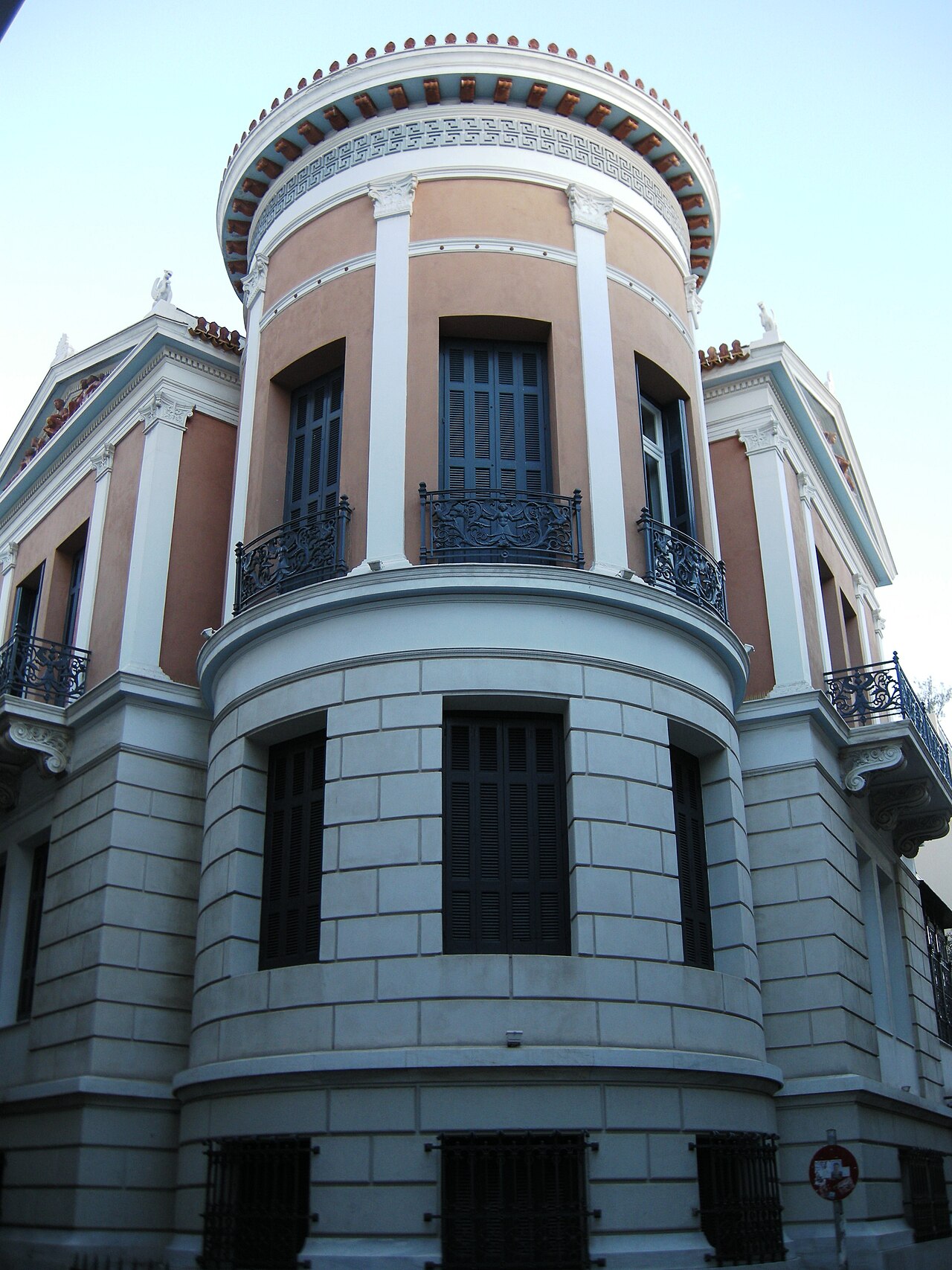
Frissiras Museum
- Must see
- Museum
Museum · Athens
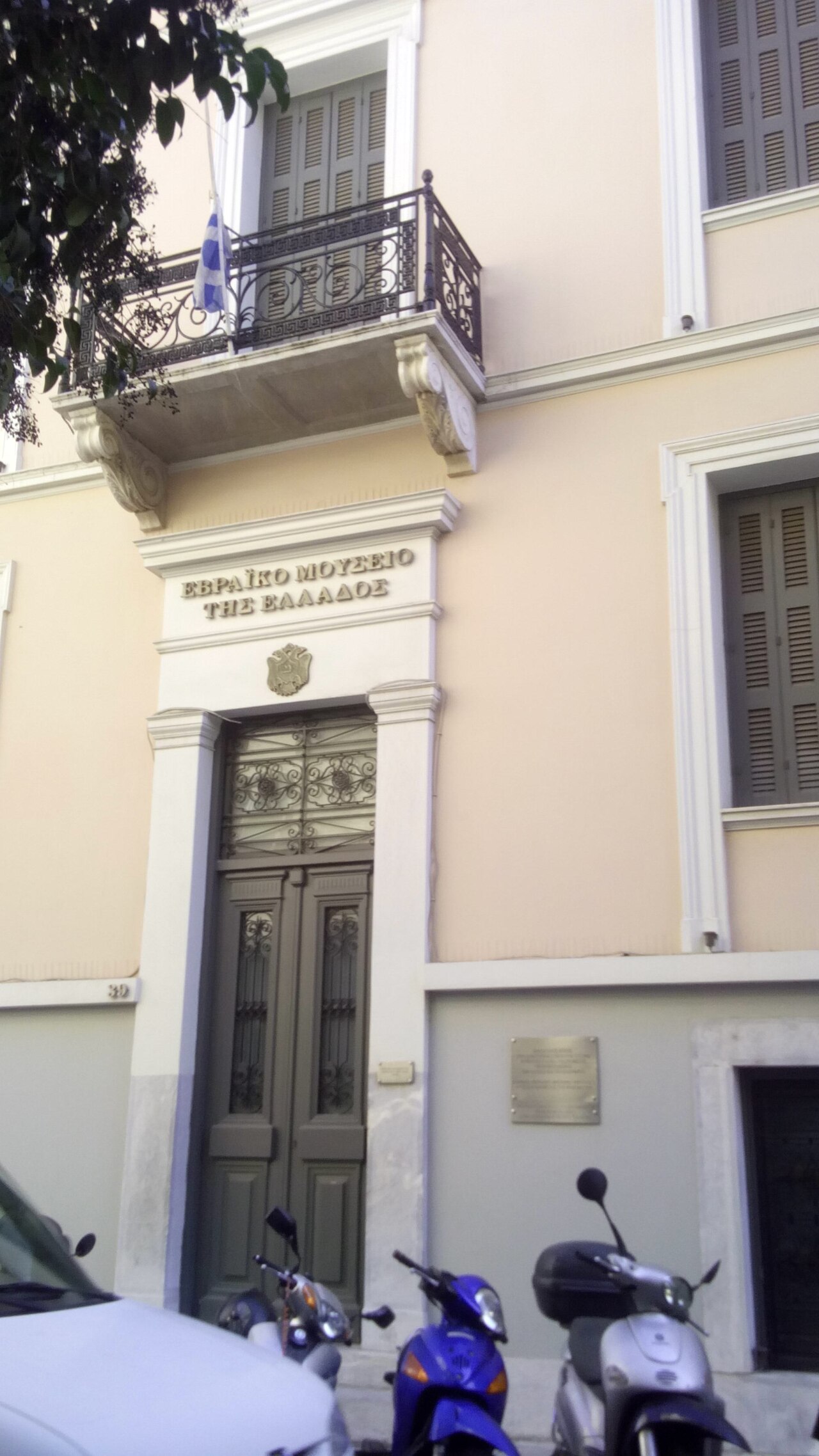
Εβραϊκό Μουσείο Ελλάδος
The Jewish Museum of Greece in Athens preserves and explains the history of Jewish communities in Greece through objects, documents, images and personal traces of everyday life. Its subject is national in scope rather than limited to Athens: the museum connects the city’s Jewish heritage with communities that developed in different parts of the country. The collection provides context for religious practice, migration, family life, communal identity and persecution across more than two thousand years. It is best approached as a reflective historical and cultural institution, not as a monument to be glanced at between outdoor sights. The museum’s value lies in the way material evidence gives Greek Jewish history a visible, human scale. The museum addresses serious historical topics including the Holocaust. Parental discretion is advised based on children's maturity and sensitivity. Educational value exists for older children with appropriate preparation.
Checked 2026-08-26 · Source
Displays bring together religious objects, textiles, documents, photographs and personal belongings. The museum’s subject includes the Romaniote Jewish tradition, Sephardic communities whose history is connected with the expulsion from Spain, and the experience of Greek Jews during the Holocaust. These materials show both communal history and ordinary life: worship, clothing, family memory, work and the preservation of identity. The collection places different Jewish communities and historical periods within the same Greek setting instead of presenting a single local story in isolation. Ceremonial objects can be read alongside records and images that reveal how traditions were maintained, adapted and remembered in changing historical circumstances.
Checked 2026-08-26 · Source
Allow about one to two hours for a considered visit. That gives enough time to follow the historical narrative, look closely at ceremonial objects and textiles, and read selected documents and photographs. Visitors with a particular interest in Jewish history, Holocaust studies or minority communities may want longer, especially if they prefer to examine the collection carefully rather than move quickly. The museum works well as one substantial cultural stop in a central Athens day. A slower visit is worthwhile because the significance often comes from connections between objects, dates, communities and personal histories rather than from a single headline exhibit.
Checked 2026-08-26 · Source
The museum is a useful choice when you want a quieter, more reflective cultural stop in central Athens. Its collections reward attention, so plan it for a period when you can read and look without rushing between major outdoor sights. The visit can be paired with other historic destinations in the centre, but the museum itself deserves a deliberate slot rather than being treated as a quick add-on. It may suit a hot or unsettled part of the day particularly well because the experience is primarily indoors and focused on close observation.
Checked 2026-08-26 · Source
The collection should therefore be planned as an unpriced museum visit, without relying on a stated adult fare, concession, free-entry claim or combined-ticket arrangement. The practical value of the stop lies in its historical material: religious artefacts, community records, photographs and objects connected with Jewish life in Greece. Any itinerary budget should leave the museum’s entry cost unspecified rather than treating an unverified amount as current. No claim is made here about free admission, discounts, reservation requirements or ticket categories.
Checked 2026-08-26 · Source
The Jewish Museum of Greece occupies a central Athens location within reach of the city’s public-transport network. The surrounding historic centre can be approached by metro, bus, taxi or on foot from other central attractions. Its central position makes it straightforward to combine with a broader walking day in Athens. Consider placing the museum between other central stops so the journey forms part of a continuous urban route rather than a separate cross-city trip.
Checked 2026-08-26 · Source
The museum deals with difficult historical subjects, including the Holocaust, so some displays may be emotionally demanding. Give yourself time to absorb the material and be mindful of other visitors in a commemorative setting. The collection includes documents, photographs and delicate historical objects; a respectful pace and attentive reading will make the visit more rewarding. Visitors travelling with children should consider how comfortably they handle persecution, loss and memorial material before making this a family stop.
Checked 2026-08-26 · Source
The visit is best treated as an opportunity to observe the collection and its historical context rather than as a photography-led stop. Materials include religious artefacts, documents, photographs and personal items, and the museum presents subjects that call for respectful attention. Where an object or image feels especially personal, careful observation is more appropriate than trying to create a record of it.
Checked 2026-08-26 · Source
The museum covers serious historical subjects, including the Holocaust, alongside the history and culture of Jewish communities in Greece. It can be educational for older children, but suitability depends on each child’s maturity and sensitivity to difficult material.
No English-language provision is therefore promised in this guide.
The guide makes no availability claim.
Nearby central Athens has places to eat and drink, but no on-site amenity is stated for the museum.
No specific temporary exhibition is stated here.
The museum offers a country-wide context for Jewish history in Greece, including communities such as those in Thessaloniki and smaller historic centres. It complements local synagogues, cemeteries and other heritage places by bringing wider community history together in one Athens institution.
Loading the interactive map…
The interactive map could not be loaded.
Last updated:
Source: OpenStreetMap contributors, Wikidata ·